From a wagon-building hub to a South African millionaire’s hotspot


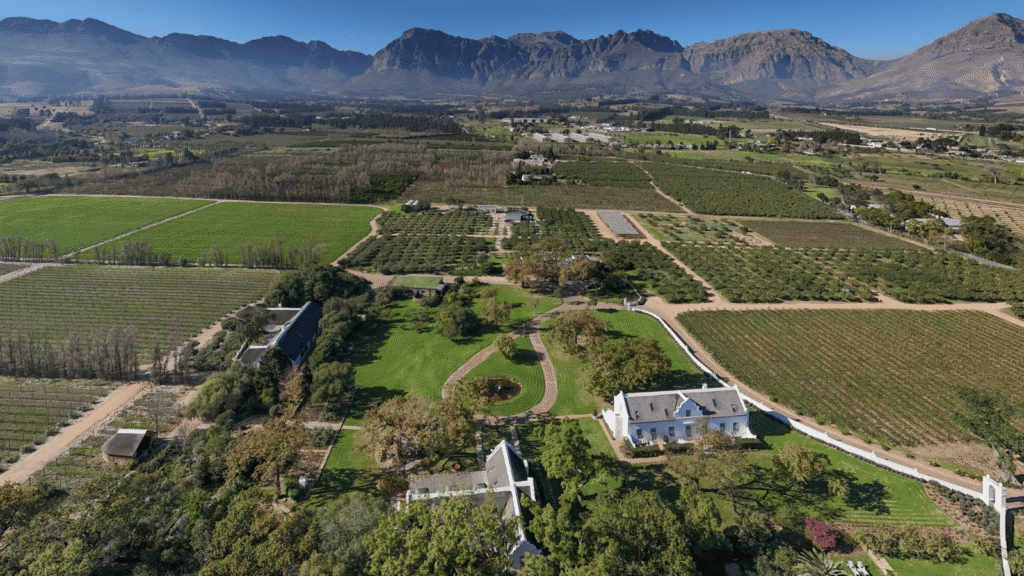
Paarl was once one of South Africa’s largest wagon-manufacturing centres. Today, it is one of South Africa’s most important wine producers and a sought-after semigration hotspot.
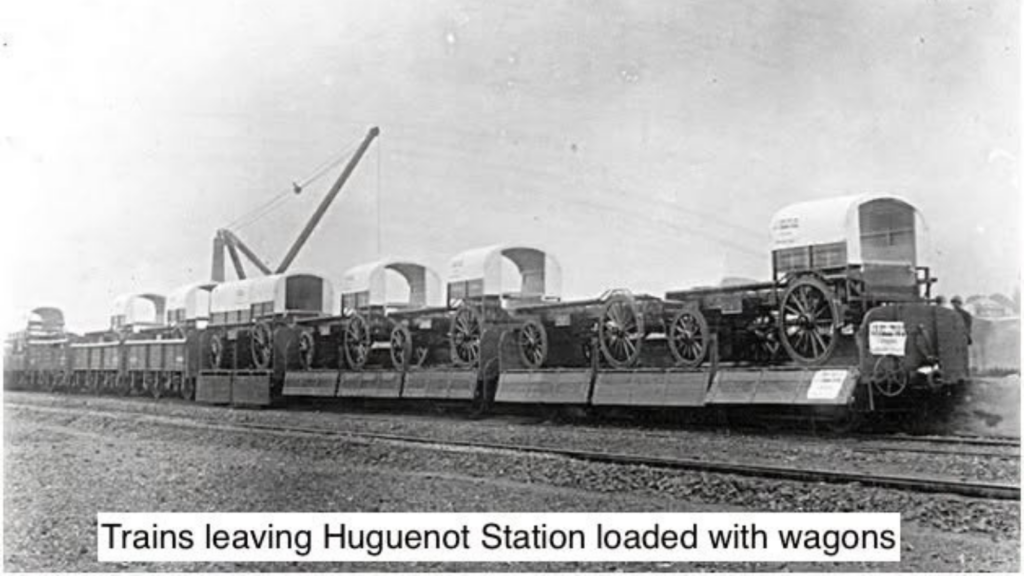
During the 19th century, wagon building became an important local industry, supplying transport for farmers, traders and people travelling to the country’s diamond and gold fields.
Wagon building in the Drakenstein Valley dates back to the 1700s, when ox-wagons and horse-drawn carts were essential for moving people, produce and goods.
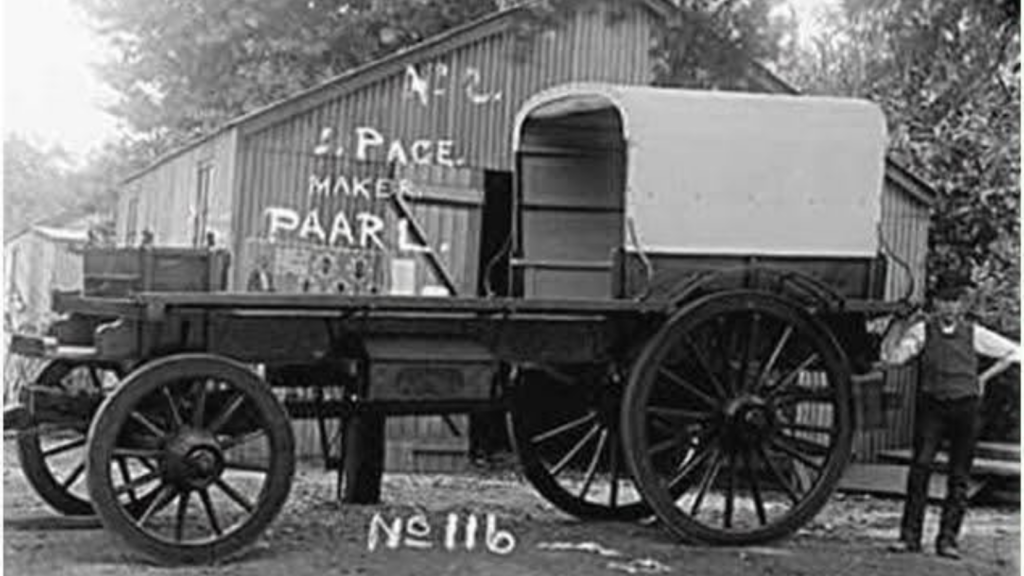
Early vehicles were built by skilled craftsmen in small workshops, often located in residential backyards.
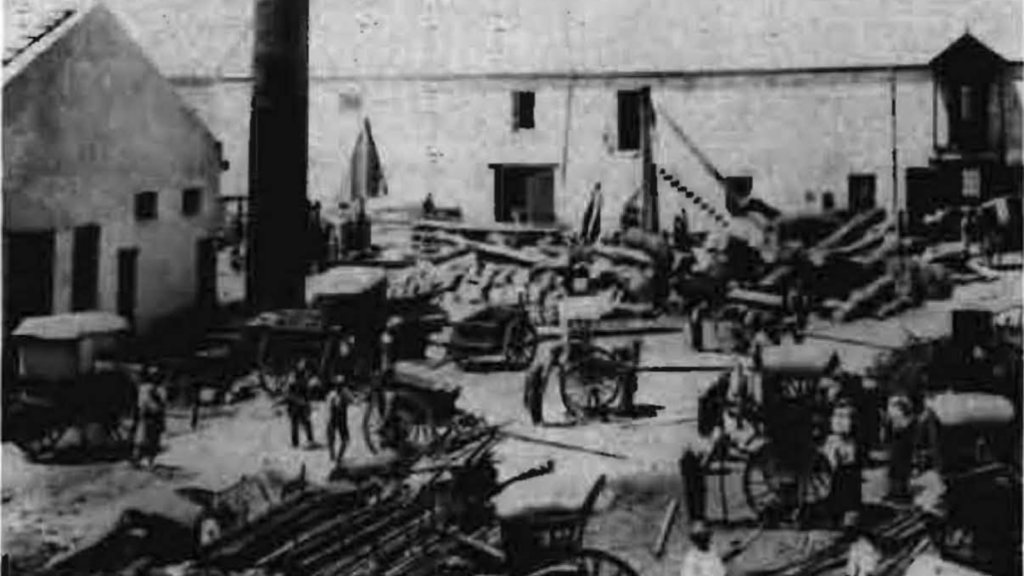
One early manufacturing area was known as Droëriem, between what are now Oranje and Kloof streets. Carpenters, blacksmiths and wagon decorators worked together to produce the vehicles.
The discovery of diamonds near Kimberley in 1867 and gold on the Witwatersrand in 1886 created a surge in demand for transport.
People moving inland needed wagons to carry mining equipment, food, furniture and building materials. Paarl and neighbouring Wellington were well positioned to supply them.
The area had as many as 87 wagon-making businesses at the height of the industry, which supported more than 4,000 workers, including subcontractors.
The trade employed a wide range of skilled workers, including blacksmiths, carpenters, wheelwrights, painters, upholsterers, leatherworkers and harness makers.
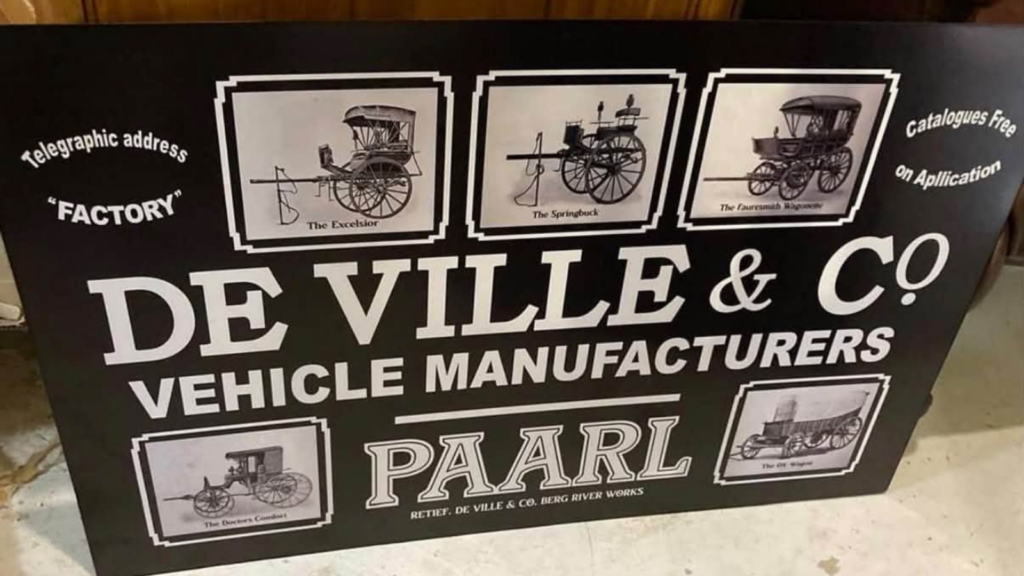
Some worked in larger factories, while others operated from small workshops or their homes. Among the better-known manufacturers were J.F. Phillips & Co. and Retief, De Ville & Co.
As demand grew, manufacturers introduced steam-powered machinery, which allowed them to produce wagons on a larger scale. Paarl soon became associated with an early 24-hour wagon production line.
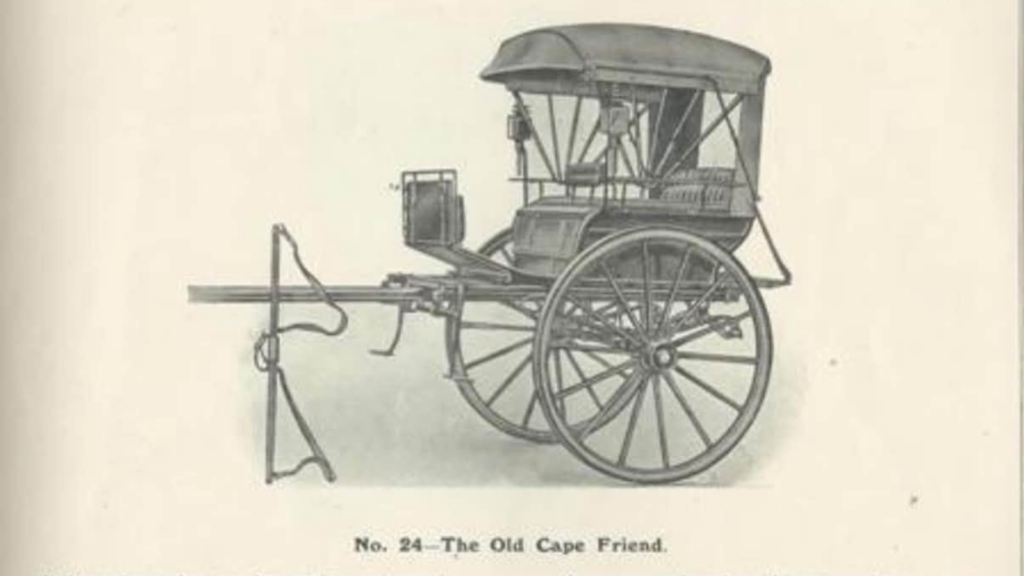
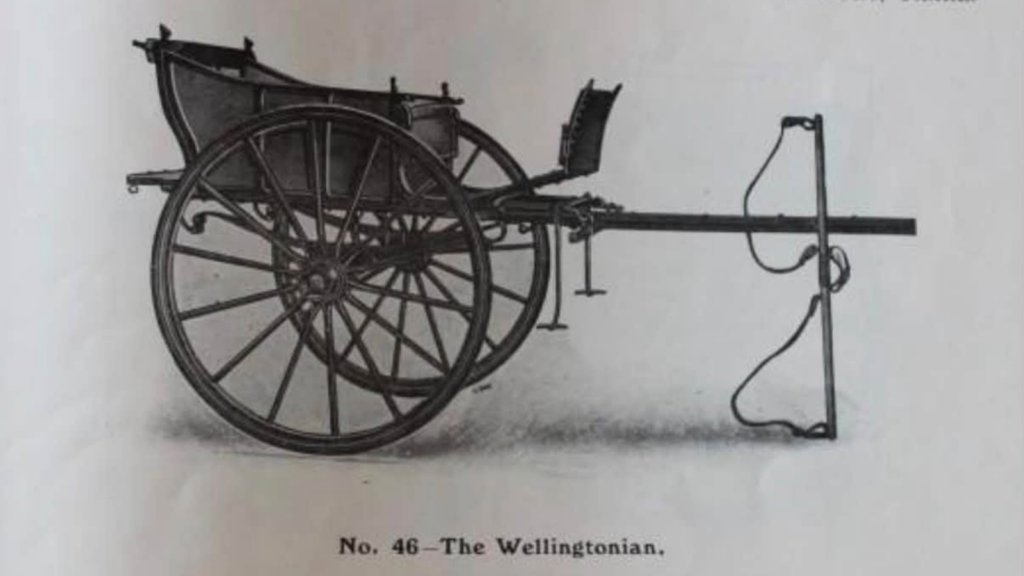
Manufacturers also offered a wide variety of vehicles, from heavy ox-wagons and delivery wagons to ambulances, elegant carriages and smaller horse-drawn carts.
Retief, De Ville & Co. reportedly offered as many as 91 models. These included vehicles with names such as The Judge, The Transvaaler, The Scotchman, The Freestater, The Doctor’s Buggy, The Hunter and The Kroonstad Wagonette.
The rise and fall of the wagon-building industry
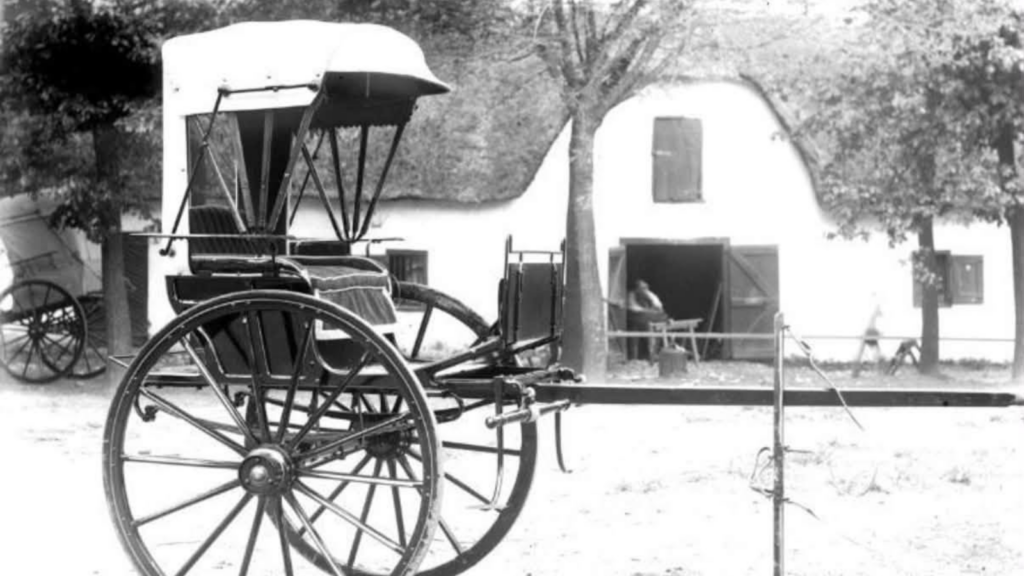
The industry’s reputation extended beyond the Cape. Paarl-built wagons were valued for their durability and ability to handle South Africa’s difficult roads and terrain.
Some models could even be dismantled and reassembled to make challenging journeys easier. Wagons were also exported overseas.
The industry’s manufacturing expertise reportedly contributed to the production of artillery carriages during the Second World War.
As the industry expanded, workshops and associated trades spread across parts of Paarl.
Early wagon building was concentrated around Oranje and Kloof streets, while later workshops and craftsmen operated around Plein, Moll, Loop, Koning, Bosch and Boom streets.
Retief & De Ville’s factory was historically associated with the corner of Lady Grey and Breda streets, while J.F. Phillips operated in Fabriek Street.
The arrival of motor vehicles during the early 20th century gradually reduced demand for ox-wagons and horse-drawn vehicles. Some manufacturers adapted, but many workshops and factories eventually closed.
As a result, the industry that had supported thousands of workers and helped shape Paarl’s economy faded as cars and trucks became more common.
Some of this history survives at the De Poort Heritage Museum in Paarl, where visitors can see original wagons, manufacturing tools and artefacts from the period.
Paarl’s economy today
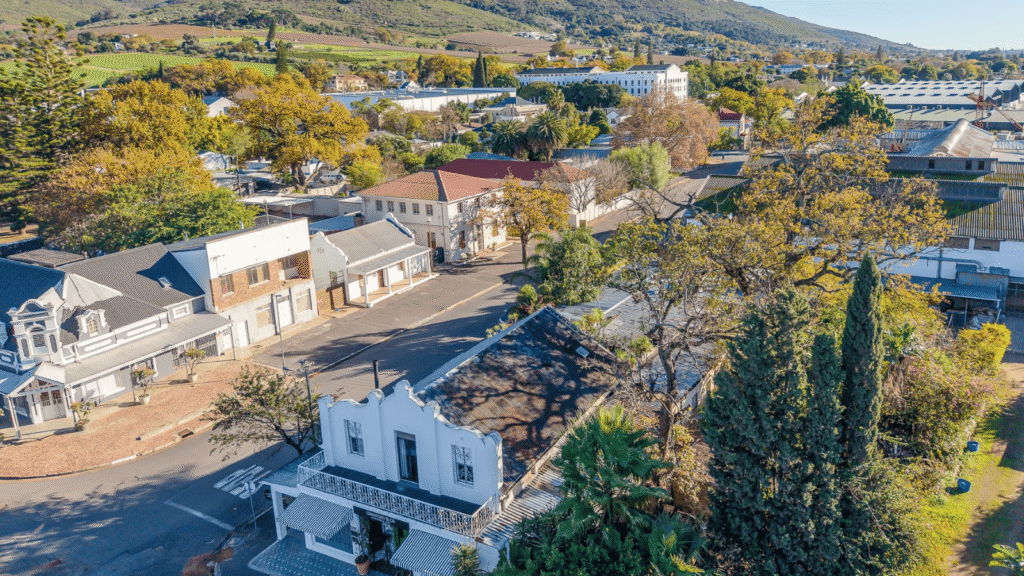
While the wagon-building industry may no longer exist, agriculture and wine production, which have been done for centuries in the region, still form a key part of Paarl’s economy.
The town is part of the Drakenstein Local Municipality, which covers 1,538 square kilometres and has a population of approximately 311,000.
Drakenstein is the largest economy in the Cape Winelands and the largest in the Western Cape outside the City of Cape Town. Its economy was valued at close to R40 billion in 2026.
Agriculture contributed about R2.5 billion, or 7%, to the municipality’s economy in 2024.
Paarl and its surrounding areas are also important to South Africa’s wine industry, with estimates suggesting they account for around 18% of the country’s wine cultivation.
KWV, South Africa’s second-largest brandy producer, has its headquarters and main production complex in Paarl. The wider Drakenstein area also has a substantial fruit industry.
The town’s property market has become increasingly attractive to buyers seeking more space, lifestyle amenities and access to Cape Town.
Paarl has emerged as a sought-after Winelands property market, attracting families, retirees, returning expatriates and international buyers.
According to Pam Golding Properties Boland and Overberg head Annien Borg, most purchasers are Western Cape residents relocating to the area, although buyers from the United States are also active.
Demand is particularly strong for established lifestyle estates that offer security, recreational facilities and convenient access to schools and shopping centres.
Borg said the most active price range is approximately R4 million to R8 million, although prices vary according to location and amenities.
In Paarl, compact homes in established estates such as Boschenmeer are available from around R3.75 million, while three-bedroom homes can cost approximately R8 million.
Plots at Pearl Valley are also priced at around R8 million, while three-bedroom homes at Val de Vie start at just below R7 million, according to Borg.
The wider Winelands also caters to the luxury market, with properties in some premier estates exceeding R25 million.
Paarl’s appeal is supported by its wine farms, schools, outdoor activities, and access to Cape Town via the N1, which is roughly an hour away by road.
The municipality has also improved its financial performance. Drakenstein was ranked the 51st-best municipality in South Africa in 2017, scoring 45 out of 100 on Ratings Afrika’s Municipal Financial Sustainability Index.
Following a financial turnaround strategy introduced in 2019, it rose to fifth place in the 2026 ranking and received the award for the country’s most improved municipality at the Municipal Performance Awards.
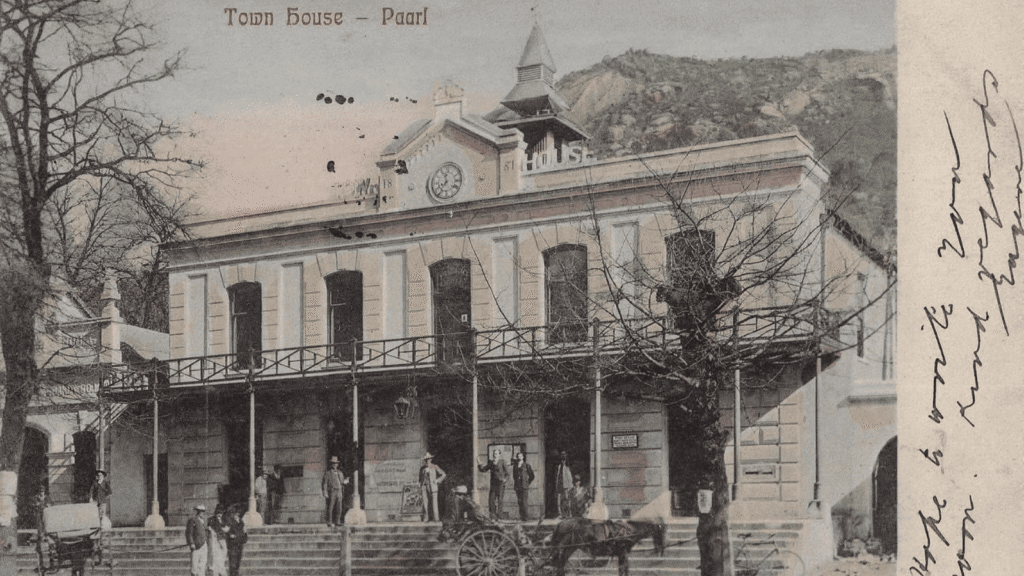
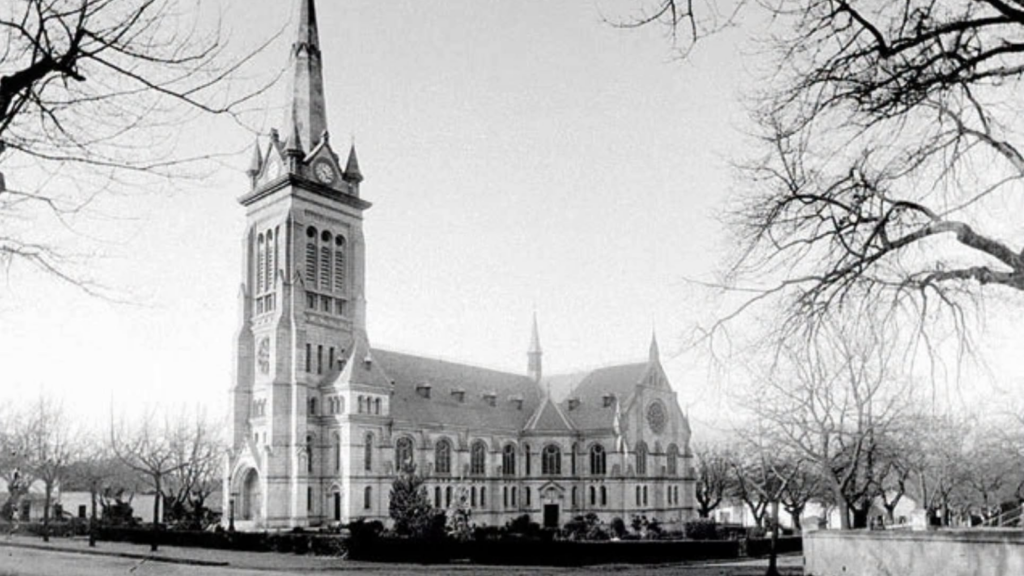
Historical photos of Paarl