Diamonds are losing so much value that South African miners are abandoning their mines to take up farming


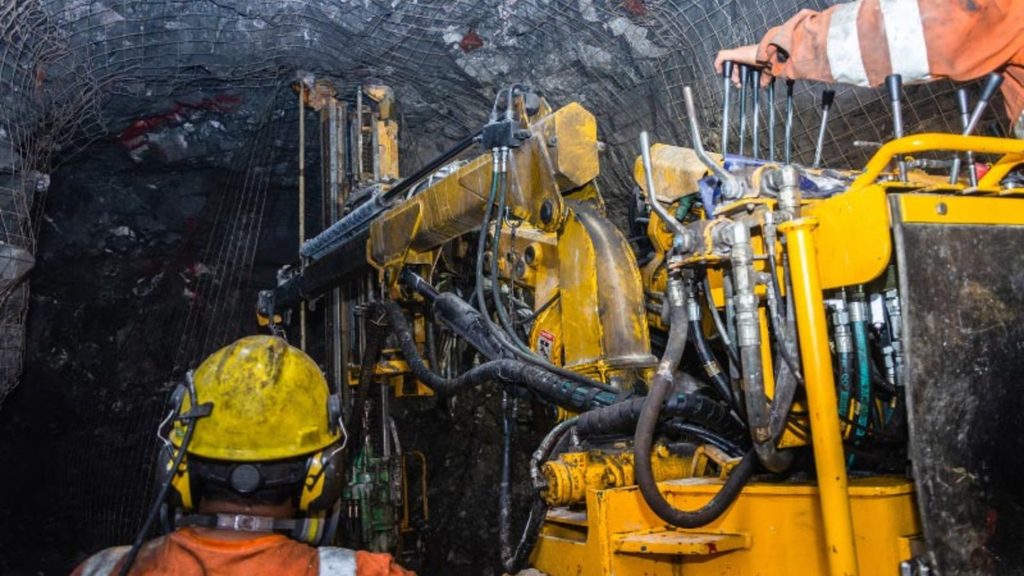
Many small- to medium-sized South African diamond producers are choosing to stop mining and redirect their resources, land, and capital into agriculture.
This comes as producers are being squeezed on both ends: facing a lacklustre market with declining prices alongside rising operational costs.
These pressures have made extracting diamonds commercially unviable for many producers, particularly small-scale operators, with farming a more viable economic alternative.
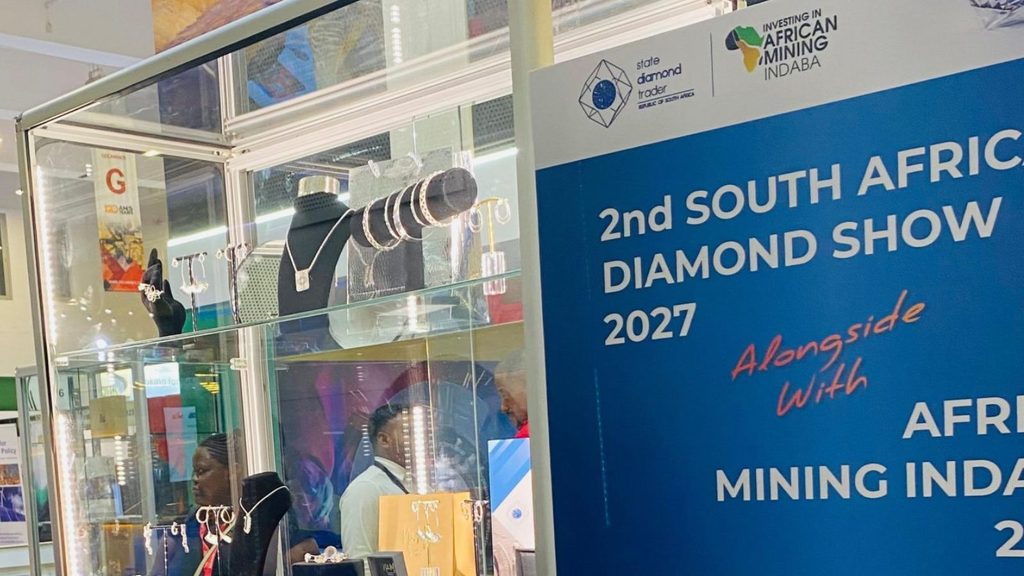
This was revealed in the State Diamond Trader’s (SDT) 2025/26 annual report, which discussed the pressures facing South Africa’s diamond industry.
State Diamond Trader is a state-owned enterprise (SOE) that purchases, produces, and sells diamonds on behalf of the government.
It buys rough diamonds from local mines and sells them to local diamond cutters and polishers, ensuring that more of the value stays in South Africa.
In its most recent annual report, the SOE reported that demand for rough diamonds remained subdued throughout the financial year.
It said this came in light of midstream manufacturers facing liquidity constraints, weak demand for polished products, and elevated inventories.
The SOE also pointed to manufacturing centres such as India, which saw lower factory utilisation, cautious purchasing, and greater price sensitivity across most rough categories.
“In response to softer demand, major producers maintained production discipline and tighter inventory management, which weighed on their cash flows,” the SOE said.
“Lower-value goods, especially smaller-sized diamonds, continued to come under pressure due to stronger competition from lab-grown diamonds and weaker mass-market jewellery demand.”
These pressures, the SOE said, are forcing some small- to medium-sized producers to choose between entering liquidation, going into care and maintenance, or shifting their focus to farming.
This shift has resulted in a decline in rough diamond production, which has also been exacerbated by lower output from two of the country’s major producers: De Beers and Petra Diamonds.
This has had a direct impact on SDT, with the number of compliant producers presenting diamonds for inspection plunging from 44 in 2024/25 to 32 in 2025/26.
While SDT onboarded four new producers over that period, it lost 16 producers due to liquidations, operations halted under care and maintenance, and exits from the industry entirely.
The state of the diamond industry
The pressures faced in South Africa’s diamond sector are part of a broader trend in the global industry.
One of the biggest challenges facing the industry is the growing demand for lab-grown diamonds, which has put severe pressure on miners.
SDT reported that lab-grown diamonds continued to rapidly capture market share in the 2025/26 fiscal year, particularly in the lower- and mid-range jewellery industry.
It attributed this continued rise to aggressive marketing strategies and substantially lower price points.
This has led to lab-grown alternatives gaining widespread popularity among younger and value-conscious consumers.
The shift to lab-grown diamonds has also been particularly pronounced in the world’s primary retail diamond markets: the United States, China, and India.
SDT explained that this has created a “two-tier structure” in the global diamond industry, with natural diamonds dominating the premium luxury segment while synthetics capture volume-driven demand in lower-priced categories.
This means the surge in lab-grown supply has disproportionately impacted lower-value goods and smaller-sized natural stones, where mass-market jewellery demand has softened.
In response, SDT’s clients have grown cautious and selective, showing little demand for smaller rough diamonds and strictly preferring larger goods.
SDT explained that this has forced the entire diamond industry to transition from a volume-driven to a value-driven model.
In other words, more emphasis is being placed on quality, traceability, branding, and differentiated sourcing strategies.
SDT reported that the average price of rough diamonds it inspected dropped by 20.7% over one year, from $140 per carat to $111 per carat.
“The outlook for the diamond industry in 2026/2027 remains cautiously uncertain, with any recovery expected to be gradual rather than immediate,” SDT said.
“The industry continues to operate in a prolonged adjustment period marked by controlled supply, cautious consumer spending, and structural shifts in global demand.”
The SDT said there is some hope for recovery, with industry analysts suggesting that the market may be approaching stabilisation after significant price corrections experienced over the past two years.
“However, recovery remains highly dependent on improved consumer confidence, increased demand and reduced inventory levels across the pipeline and, most importantly, global stability,” it said.
Login or register for unlimited free access.






Conversation
1 commentsBuy rough diamonds from local mines and sell them to local diamond cutters and polishers, ensuring that more of the value stays in South Africa.