R672 pain for South African homeowners


South African homeowners with a R2 million mortgage are now paying approximately R672 more per month than they were at the start of 2026, following two interest rate hikes.
The South African Reserve Bank kept interest rates unchanged at its November 2026 meeting, leaving the repo rate at 7.25% and the prime lending rate at 10.75%.
This provides some relief for households after a difficult year. However, homeowners are still facing higher repayments than they were in January, when the repo rate stood at 6.75%, and the prime lending rate was 10.25%.
The Reserve Bank initially kept rates unchanged at its January and March meetings. However, it increased the repo rate by 25 basis points in May, taking it to 7.00% and prime to 10.50%.
A second 25-basis-point increase followed in September, bringing the repo rate to 7.25% and prime to 10.75%.
At its November meeting, the Monetary Policy Committee (MPC) decided to pause further increases. The vote was not unanimous, with four members favouring a hold and three preferring another hike.
Reserve Bank Governor Lesetja Kganyago said the MPC had decided to pause after two policy adjustments during the year.
“After two policy adjustments this year, and with a moderately restrictive policy stance, we decided to pause for now,” he said.
The decision means homeowners will not face another immediate increase in their bond repayments. However, the two hikes have already raised borrowing costs for people with prime-linked home loans.
The impact can be seen in the monthly repayments on a 20-year mortgage, using the prime lending rate at the start of the year and the current rate.
These are estimates based on a 20-year repayment period and assume the loan is charged at the prime rate. Actual repayments will depend on the terms and interest rate negotiated with the bank.
| Home loan | January 2026: prime at 10.25% | November 2026: prime at 10.75% | Monthly increase |
|---|---|---|---|
| R1 million | R9,816 | R10,152 | R336 |
| R2 million | R19,633 | R20,305 | R672 |
| R3 million | R29,449 | R30,457 | R1,008 |
| R4 million | R39,266 | R40,609 | R1,343 |
| R5 million | R49,082 | R50,761 | R1,679 |
| R10 million | R98,164 | R101,523 | R3,359 |
Property experts weigh in
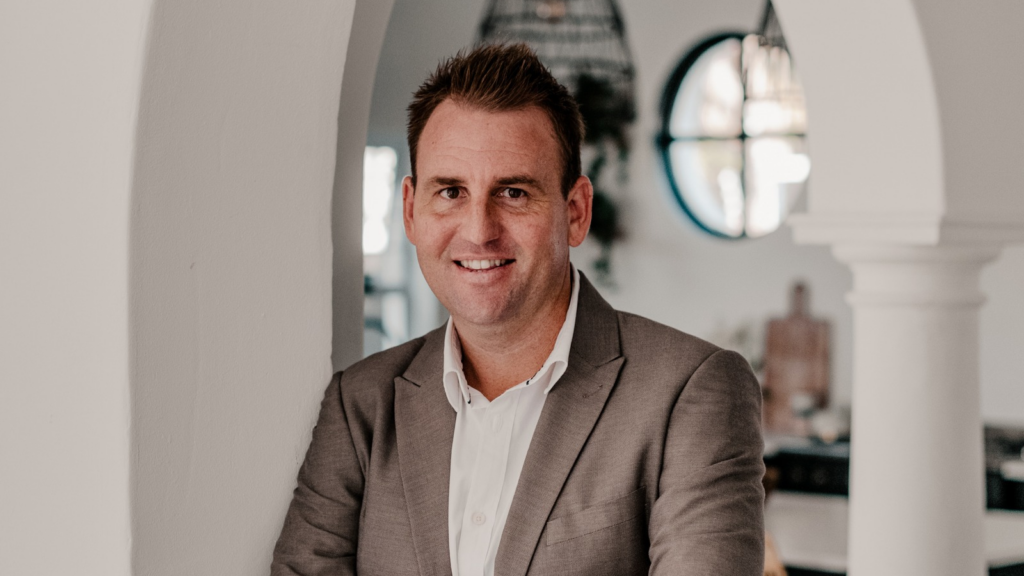
Tyson Properties’ Craig Woods said the Reserve Bank’s decision to hold rates provides a positive note on which to end the year.
He explained that the decision was notable given the weak rand, the possibility of further United States interest rate increases and uncertainty around oil prices.
Woods said homeowners and prospective buyers may still need to adjust their budgets following the increases.
Buyers could consider lowering their target price range to create a financial buffer, while existing homeowners should review household expenses and look for opportunities to save.
He also suggested that homeowners struggling with repayments could consider renegotiating or refinancing their bonds.
They could then make additional payments towards the capital balance when their cash flow improves.
Pam Golding Property Group chief executive Dr Andrew Golding said the rate hold provides breathing room for the residential property market.
He explained that it gives buyers and sellers greater certainty as the market heads into 2027, following the two increases earlier in the year.
Golding also pointed to improving activity in the housing market. The Pam Golding Residential Property Index showed national house price growth of approximately 4.3% year-to-date in October.
The Western Cape remained the strongest-performing province, with annual house price growth reaching 11.6%.
Cape Town recorded average price growth of 12.1% during the year, while Johannesburg recorded growth of 1.9%.
First-time buyers are also returning to the market. According to ooba Home Loans, they accounted for 48.5% of home loan applications in October, taking the year-to-date average to 46.9%.
The average deposit for first-time buyers was 8.5% of the purchase price, while the effective home loan approval rate averaged 83.9% during the year.
Seeff Property Group chairman Samuel Seeff also welcomed the decision to keep rates unchanged.
He said the pause provides relief for households ahead of the festive season, when consumer spending is important for the wider economy.
However, Seeff warned that the two increases had already affected affordability and raised the risk of mortgage defaults.
Login or register for unlimited free access.