South Africa needs R1.27 trillion


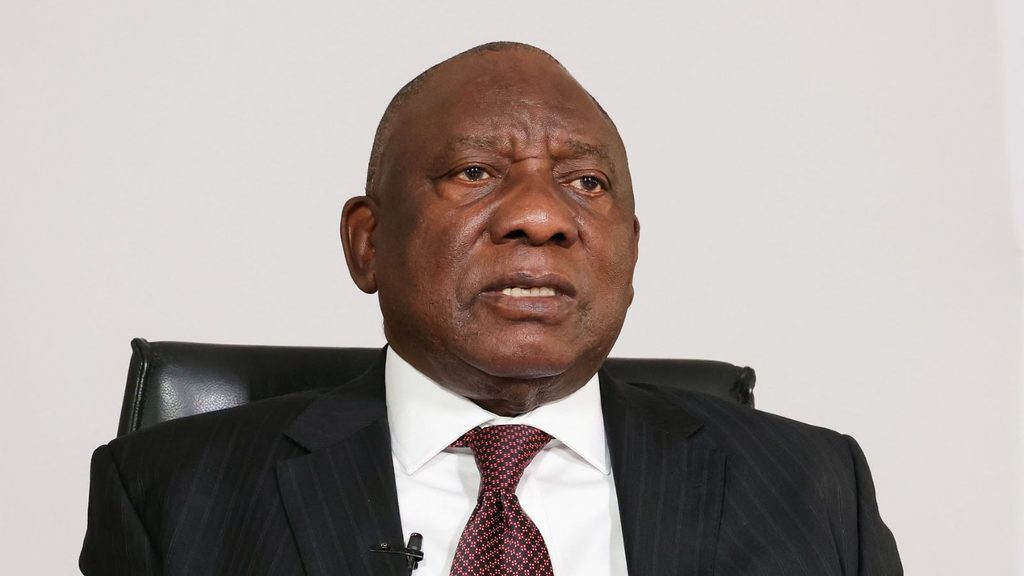
South Africa needs an additional $75 billion (R1.27 trillion) in annual investments to meet its growth objectives, the former leader of the continent’s biggest lender by assets said.
“Growth above all is what’s required,” Jacko Maree, who was CEO of Standard Bank from 1999 to 2013, said in an interview on the sidelines of a conference in Johannesburg on Thursday.
Maree also served a five-year term as one of Ramaphosa’s special envoys for investment from 2018.
“There really is only one real long-term solution, and that is fixed investment,” he said.
Africa’s most industrialised economy is still contending with the fallout from a more than decade-long energy crisis and an era of government corruption that has driven up the cost of doing business, weighing on investor sentiment and economic growth.
Output has expanded by an average of 0.4% since 2018, when Cyril Ramaphosa took over as president and started reform efforts.
While the government in 2012 said fixed investment should reach 30% of gross domestic product by 2030 to foster inclusive growth in one of the world’s most unequal countries, the ratio currently stands at less than 15%, said Maree.
The goal was part of the National Development Plan, the fifth economic blueprint formally adopted since the African National Congress came to power more than three decades ago.
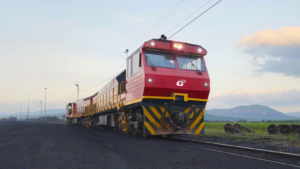
South Africa should draw on the success of its renewable-energy investment program to create bankable projects with clear frameworks across ports, rail, tourism and other industries that could unlock capital held by pension funds, large businesses and other investors, he said.
Stronger cooperation between business and government is essential to stimulate the economy, said Nhlanhla Nene, South Africa’s former finance minister.
While the National Treasury in October estimated the economy could grow by 2% by the end of this decade, output of at least 3% is needed for meaningful employment and to improve living standards, he said.
Nene, who is also chair of the African unit of the European House-Ambrosetti, an Italian research firm, is working with top executives to support economic growth and infrastructure development in the region.
“Our focus is on investment more than anything, and we’re actually trying to build economic community, and we’re in economic communities,” he said.
The think tank’s Global Attractiveness Index ranks South Africa first among 54 countries on the continent due to its strong logistics and trade sectors, as well as its institutions.
Login or register for unlimited free access.
Conversation
5 commentsI would not invest in South Africa, purely because of its BEE policies. Frankly, I struggle to see why any rational investor or business organisation would consider investing here under the current circumstances. In fact, I would strongly advise against it.
As long as policies requiring 30% Black ownership remain on the table, South Africa will continue to undermine its own investment potential. Where else in the world is an investor expected to surrender 30% of their business to individuals who have made no contribution to building, financing or developing that business, simply to satisfy a race-based ownership requirement? Sorry, but that is neither a sustainable nor an attractive investment proposition.
The ANC government needs to step aside, abandon these counterproductive policies and create an environment where investment, entrepreneurship, merit and economic growth can thrive. South Africa has enormous economic potential, but that potential will remain unrealised if government continues to place ideological and political agendas ahead of economic progress.
Otherwise, we must accept the reality that a country blessed with so much wealth, resources and opportunity will continue to underperform, impoverish its people and fall far short of what it could achieve.
To me, the elephant in the room is glaringly obvious: our own government is one of the biggest obstacles standing in the way of foreign investment, economic growth and prosperity that South Africa so desperately needs.