Severe weather event has Cape Town heading for serious trouble


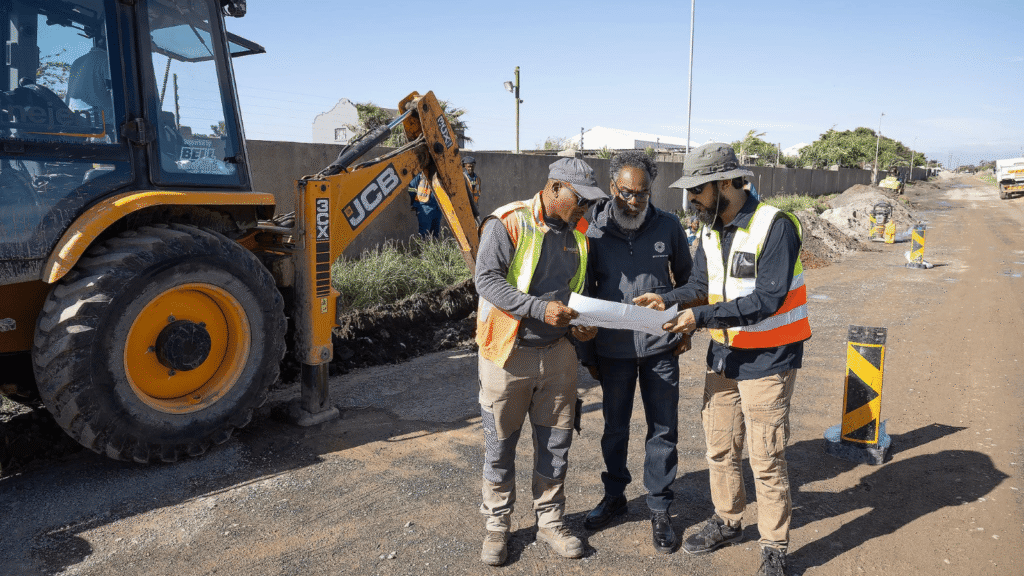
Cape Town could face renewed water pressure as declining dam levels and the developing El Niño weather pattern raise concerns about water security in the Western Cape.
The Department of Water and Sanitation has warned that the Western Cape Water Supply System is showing a declining storage trend, although it remains in a relatively stable position.
This is according to Water and Sanitation Minister Pemmy Majodina, who responded to a parliamentary question from Rise Mzansi party leader, SS Zibi.
In response to question NW5174, dated 21 October 2026, Majodina said combined storage across the Western Cape Water Supply System stood at approximately 74.81% on 5 October 2026.
However, this was below the level recorded during the same period in 2025. The department also identified a declining trend in overall system storage.
Majodina warned that the potential impact of El Niño conditions creates uncertainty around future water availability and the system’s performance.
El Niño is a climate pattern associated with changes in weather conditions across the world. In Southern Africa, it can bring hotter temperatures and below-normal rainfall, increasing the risk of drought and water shortages.
The South African Weather Service has warned that El Niño conditions are affecting the region, with high temperatures expected to become more common during summer.
Forecaster Tokelo Chiloane said the heat could reach dangerous levels in parts of the country. Upington was expected to exceed 40°C, while Pretoria could reach 34°C and Johannesburg 32°C.
Although these forecasts focused on Gauteng, the Northern Cape and Free State, the wider weather pattern is also a concern for the Western Cape.
The state of water in the Western Cape
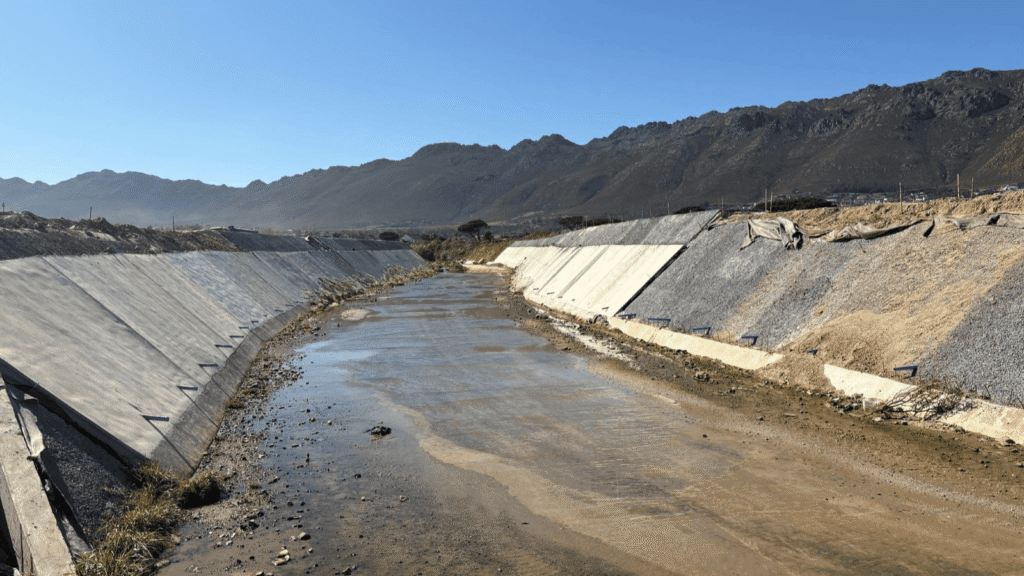
The Department of Water and Sanitation said it had reviewed the Western Cape system’s operations, hydrological conditions and available water resources.
It has also conducted modelling to assess possible water restrictions and other demand-management measures for the 2026/27 operating year.
The findings were scheduled to be presented to stakeholders at the Western Cape Water Supply System Stakeholder Operating Forum on 19 October 2026.
A decision on whether restrictions would be implemented was to be made by following that process.
The department said it would continue to monitor dam levels, water demand, and hydrological conditions to determine when interventions may be necessary.
It is also working with the Western Cape Department of Local Government to help municipalities prepare for possible water-service disruptions.
This includes contingency planning, investigating alternative water sources, securing backup power and establishing dedicated operations and maintenance teams.
These measures form part of the Department of Water and Sanitation’s Summer Readiness Programme.
The programme aims to prepare municipalities in winter-rainfall areas for higher summer consumption, firefighting requirements, and increased demand from festive-season tourism.
The department has also received requests for assistance from Bitou and Knysna municipalities. It is supporting studies into bulk water augmentation projects to improve their access to raw water.
The studies include needs analyses, scoping assessments, feasibility studies and implementation-readiness work. They are expected to be completed during the 2028/29 financial year.
Another focus is reducing water losses. The department monitors municipal water balances quarterly and uses a 30% non-revenue water benchmark to identify municipalities that require targeted support.
Non-revenue water includes water that is lost or otherwise does not generate revenue for municipalities. Reducing these losses can help improve the amount of water available to consumers.
The department said it was supporting municipalities with water conservation and demand-management strategies to improve system efficiency.
The impact of water shortages on Cape Town businesses
Water shortages could affect businesses across Cape Town and the Western Cape, particularly if restrictions or supply interruptions become necessary.
The province has a significant agricultural sector, which employs 216,000 people.
Agriculture depends on reliable water supplies for crop production and other farming activities. Hotter, drier conditions could therefore increase pressure on farms, threaten production and raise operating costs.
The sector is already facing employment pressure. Stats SA report show that the Western Cape lost approximately 12,000 agricultural jobs between the second and third quarters.
This represented a decline of 5.3% in the province’s agricultural employment over the period. The broader agricultural sector lost 34,000 jobs nationally between the two quarters.
Rising fuel and fertiliser costs, pressure on farm profitability and uncertainty about weather conditions were also identified as risks for the 2026/27 season.
The consequences could extend beyond farms. Lower agricultural output can place pressure on food supply chains and contribute to price increases.
Businesses in the hospitality and tourism sectors could also face higher operating costs or interruptions if water supplies become constrained.
Cape Town attracts increased demand during the festive season, when tourism activity places additional pressure on municipal water systems.
The department specifically identified accommodating this seasonal demand as part of its summer-readiness planning.
Water-intensive businesses, including hotels, restaurants and other tourism operators, may need to manage consumption more carefully if restrictions are introduced.
Construction, retail and other businesses could also be affected by extreme heat and localised service interruptions.
Higher temperatures may increase cooling and energy requirements, while water restrictions could disrupt operations that depend on consistent supplies.
The potential economic impact is important because Cape Town and the Western Cape support major agricultural, tourism and business activities.
Disruptions to the area’s agriculture and tourism sectors could affect suppliers, workers and businesses beyond the industries directly affected.
However, the severity of the impact will depend on rainfall, dam levels, municipal preparedness and whether water restrictions are ultimately implemented.
The department’s latest assessment does not indicate that the Western Cape Water Supply System is already in crisis. Its reported storage level was approximately 74.81% on 5 October 2026.
The concern is that storage is lower than a year earlier and declining, while El Niño adds uncertainty to the outlook.
Login or register for unlimited free access.





Conversation
1 commentsYet the rates payers in Cape Town have being paying a levy on their water bill, so that the City of Cape Town will bring alternative water sources on line to prevent a similar situation from arising in the future, and what have they done? Absolutely nothing, no additional sources have been brought on line, yet the citizens of Cape Town must reduce their water usage by 10%, so now it is the citizens problem. Same situation has arisen in Gauteng, with citizens have to pay a levy of R230-00 on their water bills, so that the inept and incompetent ANC water managers have additional funds to repair broken and unmaintained water infrastructure, always the citizens who have to pay for their ineptitude and incompetence. Yet these municipal officials in both the Western Cape and Gauteng get above inflation salary increases and Christmas bonuses, all for not doing what they,are payed for.