Big change for peanut butter in South Africa


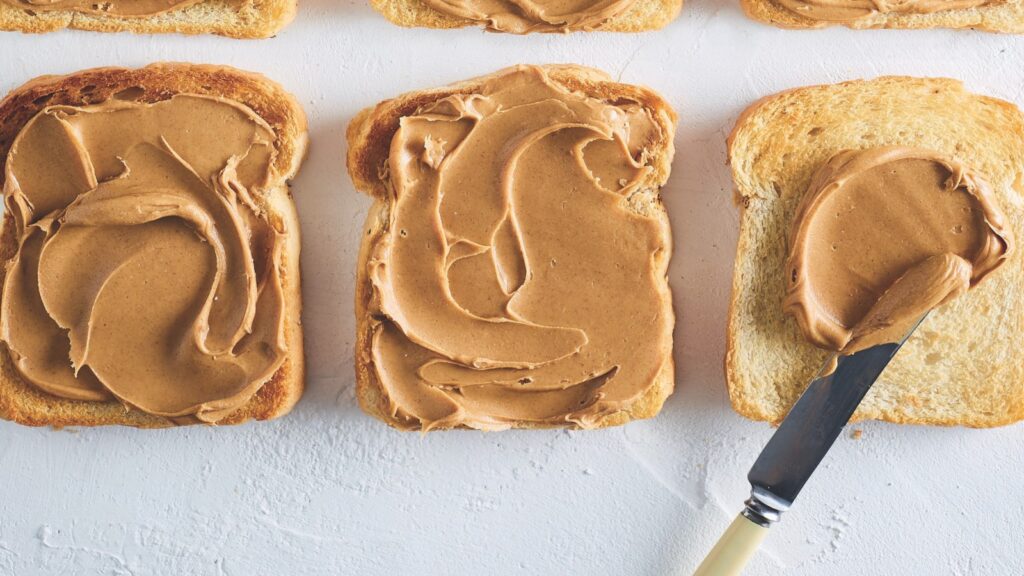
The International Trade Administration Commission (ITAC) has recommended an increase in the customs duty on imported peanut butter coming into South Africa.
ITAC called for this duty to be increased from R0.99/kg to 20% ad valorem, linked to the product’s value.
This comes six years after RCL Foods, the producer of Yum Yum peanut butter, submitted an application to ITAC to increase this duty to 25% ad valorem.
RCL argued that local peanut butter production had been undermined by importers increasingly dumping low-cost products into South Africa.
Following a second application from RCL in December 2024, ITAC launched an investigation into the impact of imported peanut butter on the local industry, which has now concluded after a year.
“The Commission found that domestic peanut butter production, sales volumes, and capacity utilisation declined over the period of investigation, while imports increased significantly,” ITAC said.
“Domestic producers also experienced persistent price disadvantages relative to imported products, while production costs increased because of higher raw material, labour and operating costs.”
According to ITAC, India remained the largest contributor to the increase in peanut butter imports to South Africa, supplying nearly all of the increase in 2024.
As domestic production continued to decline, South Africa saw an 81% increase in peanut butter import volumes during that year, reaching 4.44 million kilograms.
Additionally, a 10% tariff on raw groundnuts was said to be misaligned with the R0.99/kg tariff on roasted groundnuts and peanut butter, disrupting supply chains and reducing overall competitiveness.
While ITAC supported an increase in the customs duty to 20% ad valorem, it said it would not be feasible to fully meet RCL’s request of a 25% tariff.
“Imposing a full 25% ad valorem duty would place undue pressure on vulnerable households,” ITAC said. “Moderate duty increases would better balance support for domestic producers with food affordability.”
Protecting local peanut butter production

Peanut butter is considered one of South Africa’s staple food products, owing to its affordability and long shelf life, which appeals to low-income households.
According to ITAC’s investigation, peanut butter accounted for as much as half of South Africa’s entire spreads market, excluding margarine.
Speaking to 702, ITAC Commissioner Ayabonga Cawe said he hoped the increased tariff would not trigger price alarms among South African grocers and retailers.
Cawe explained that where peanut butter was once a relatively cheap source of protein, the price per kilogram has risen sharply since 2020 compared with other protein sources.
“You already have a product here which, both on the import and domestically produced product, has seen a surge in pricing,” Cawe said.
“You want to allow those who have made investments to be able at least to protect the capability they would have invested in.”
Additionally, Cawe said ITAC had undertaken a consumer welfare analysis to make a case to both the Minister of Trade and the Minister of Finance.
This looked at the incidence of where peanut butter was consumed in relation to household income, in order to gauge the impact a higher tariff would have on certain households.
Cawe said this would be integral in establishing a groundnut and peanut butter production environment in South Africa, which would be more resilient to import pressures.
“Once you have a total reliance on imports, any of the key producer markets like India would take you out of kilter,” Cawe said.
“We have seen in the case of India the use of export bans on things like rice and certain product categories, which makes the case for domestic production much stronger.”
ITAC said that within three years of the tariff decision being implemented, it will review it alongside peanut butter pricing behaviour to determine its effectiveness.






Comments