Half of South Africa’s universities should be shut down


As the nature of South Africa’s economy continues to adapt to modern trends, some have questioned whether the country’s education system is keeping pace.
Efficient Group Chief Economist Dawie Roodt said many of the country’s universities should be closed or converted into skills development organisations.
During a recent interview with Newsday, Roodt said that if he were in a position of power that would allow him to shut down half of South Africa’s universities, he would do so.
“I would make sure only the absolute best individuals for university education go to university,” Roodt said. “That doesn’t mean they are the most clever.”
“Certain people have talents for universities, and other people have talents for other kinds of jobs. That’s where we need to place much more emphasis.”
Roodt explained that South Africa’s modern economy is becoming increasingly driven by specialised services and technological skills which the country’s universities are failing to provide adequately.
This, he said, was a driving factor behind the country’s lacklustre economic growth and growing unemployment in recent years.
During the second quarter of 2026, South Africa’s GDP contracted by 0.2%, while its official unemployment rate rose to 33.6%.
Roodt said that recent university graduates account for many of these unemployed individuals, with youth unemployment reaching 47.4% in Q2 2026.
Education is one of the biggest pieces of expenditure for the Minister of Finance, receiving 20% of the total government budget in 2025.
Despite this, Roodt said the quality of the country’s education did not align with the massive amount of money that is funneled into it.
“We spend more on education than most countries in the world, but the quality of our education is sometimes the worst in the world,” Roodt said. “And we are deteriorating.”
“If you look at universities in terms of research output, we do not have one single university in the top 500 anymore, which we used to have.”
Fixing South Africa’s education from the ground up
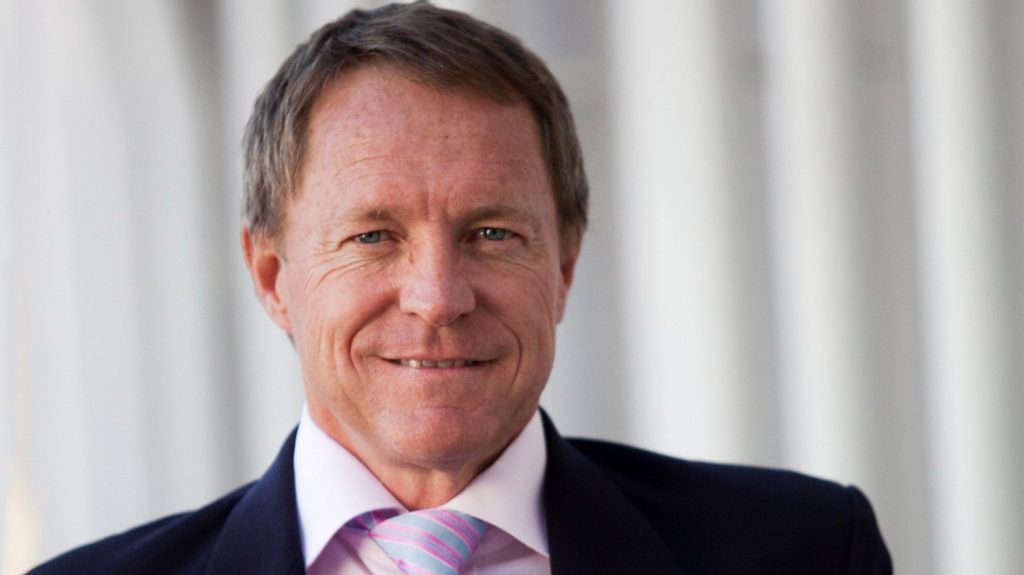
In order to improve the quality of South Africa’s education, Roodt said it would require a complete revamping of the country’s education system.
This would need to begin with the country’s primary schools, which Roodt described as the most important piece of the education network.
“That’s the basis and the foundation for everything that follows,” Roodt said. “What you learn in Grade 1 will be your biggest step in terms of knowledge accumulation.”
“That first year foundation phase is crucial, and even before that. That’s where we need to spend the money, as that needs to be first class.”
From there, Roodt said the country should ensure it produces people with skills that the economy needs, beginning with the country’s matriculants.
South Africa administers around 600,000 matriculant certificates every year, but Roodt said the skills behind these qualifications are lacklustre.
As a result, he said many of these matriculants struggle to adapt to universities, with a large proportion of them failing their first year of university and subsequently needing to be retrained.
Roodt suggested that South Africa should adapt itself to be closer to the German education system, which presents two parallel educational paths for students.
Where the one path produces more academically-inclined people, the other provides for more practical skills training for less academic individuals.
Roodt also said the Department of Education should prioritise hiring more teachers, but said these positions should not be paid more than they already were.
“We don’t have the money, and they are well remunerated as it is,” Roodt said. “The average civil servant in South Africa, including teachers, is overpaid and underworked.”
“Many teachers are very hard-working individuals and should be paid much more, but money is not the issue. Our teachers in South Africa are actually overpaid if you compare to what the taxpayer gets back.”
Roodt said South Africa’s education system was dominated by too many principals and bosses, and as a result did not have enough quality teachers and educators.




Comments