The two men who opened South Africa’s first Woolworths in a hotel dining room


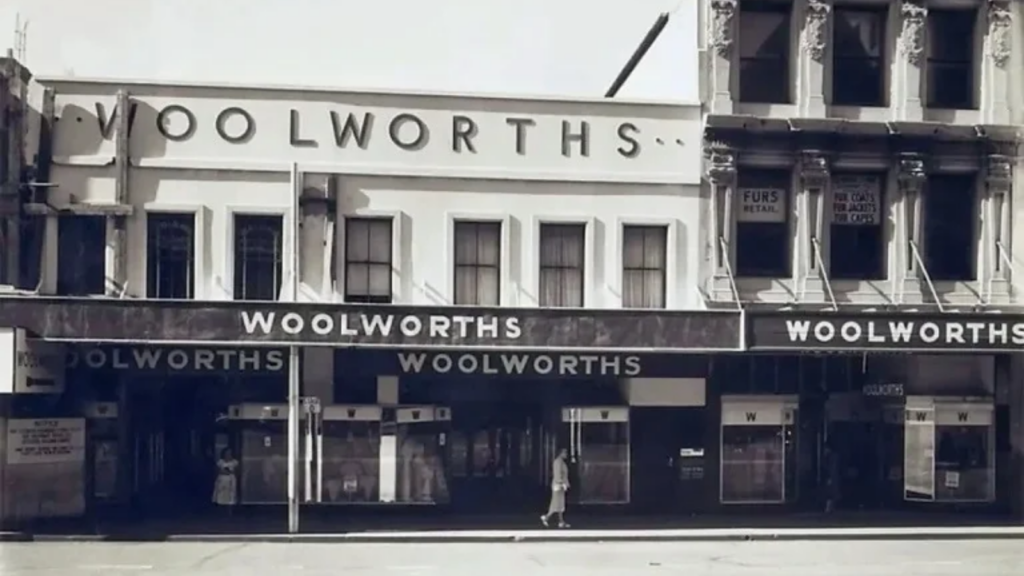
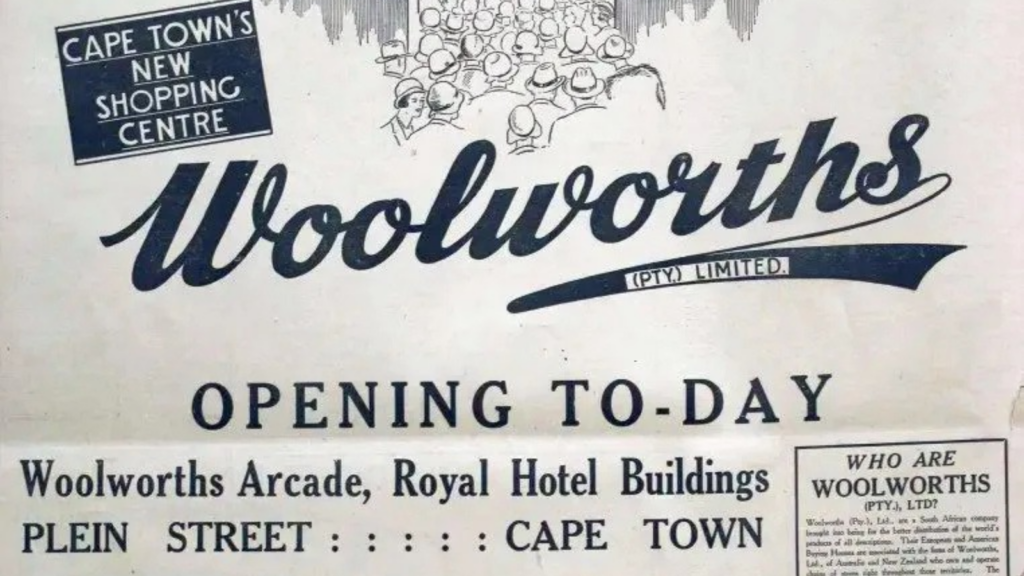
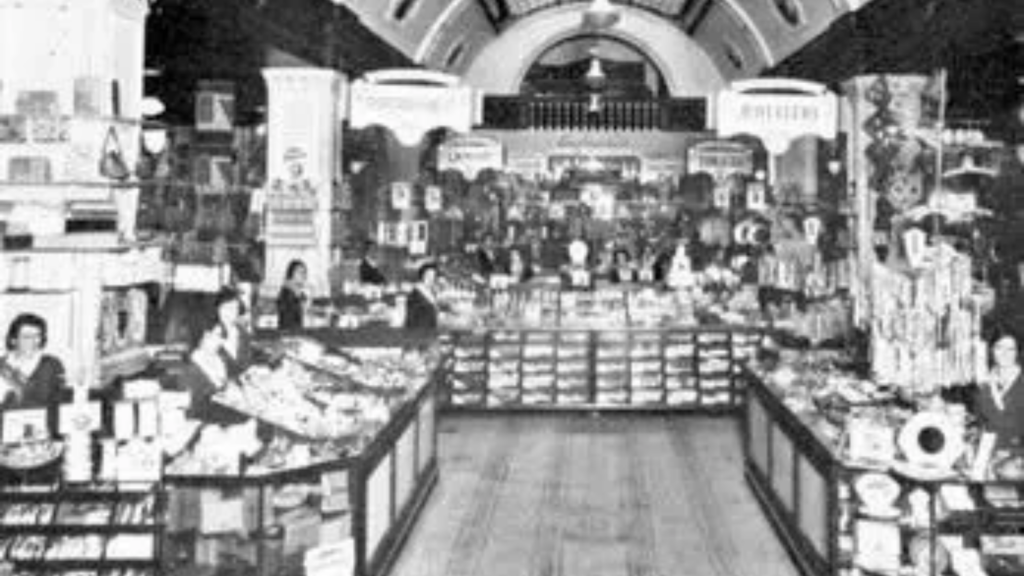
South Africa’s first Woolworths store opened in the dining room of the Royal Hotel in Cape Town on 30 October 1931.
Founded by businessman Max Sonnenberg and his son Richard Samuel, the retailer began with a small shop selling goods such as jewellery, haberdashery and tools.
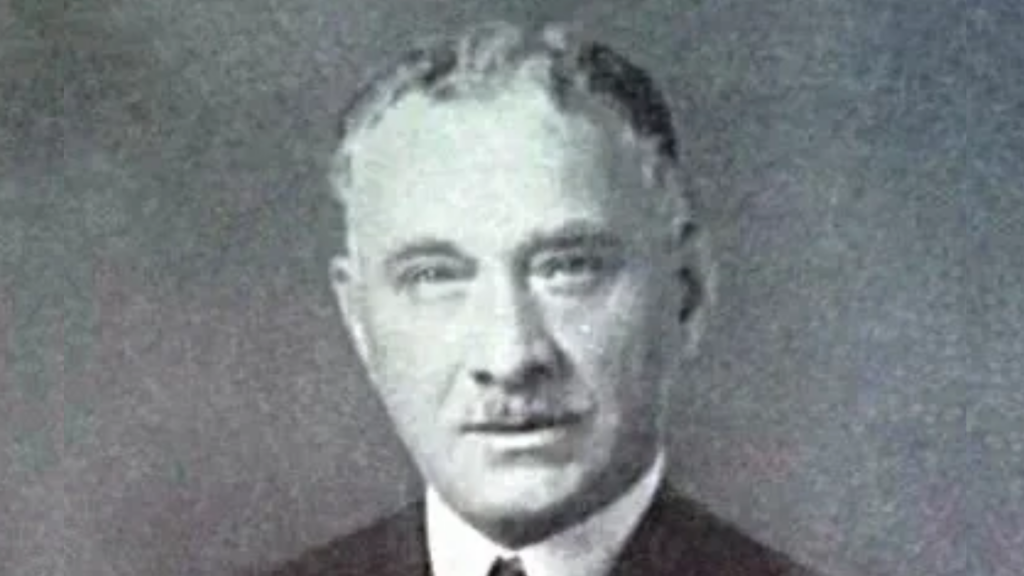
Sonnenberg was born in Kaiserslautern, Germany, on 3 May 1879. He came to South Africa in 1891 to join relatives involved in the diamond-mining industry.
He later worked as a travelling salesman along railway routes through Bechuanaland and Rhodesia before opening a grocery business in Bulawayo in 1898.
After the Anglo-Boer War, Sonnenberg returned to Vryburg, where he farmed and developed his business interests. He was elected to the town council in 1912 and served as mayor from 1919 to 1920.
He also helped establish Bechuanaland Dairies and supported local initiatives during the 1918 Spanish flu pandemic, including contributing money for hospital equipment and helping establish a soup kitchen with his wife.
Sonnenberg moved to Cape Town in 1920, where he became chairman of the Cape Chamber of Commerce and Industry and established several businesses.
He also pursued a political career, representing Bechuanaland in Parliament from 1919 to 1921 and later serving in the Cape Provincial Council from 1925 to 1938.
It was during this time that Sonnenberg opened the first Woolworths store in Cape Town. He wanted to offer customers quality products at affordable prices. Sonnenberg also opted for an unconventional business model.
Instead of allowing customers to browse the store themselves, as they would at other stores, they approached counters and were assisted by staff who supplied the items they wanted.
The store was an immediate success and attracted so many customers that the police had to help control the crowds.
“The great moment arrived, and we opened our doors. The response was such that we had to get police to control the crowd, and I knew that my future career had been settled,” Sonnenberg recalled.
Woolworths – the early years
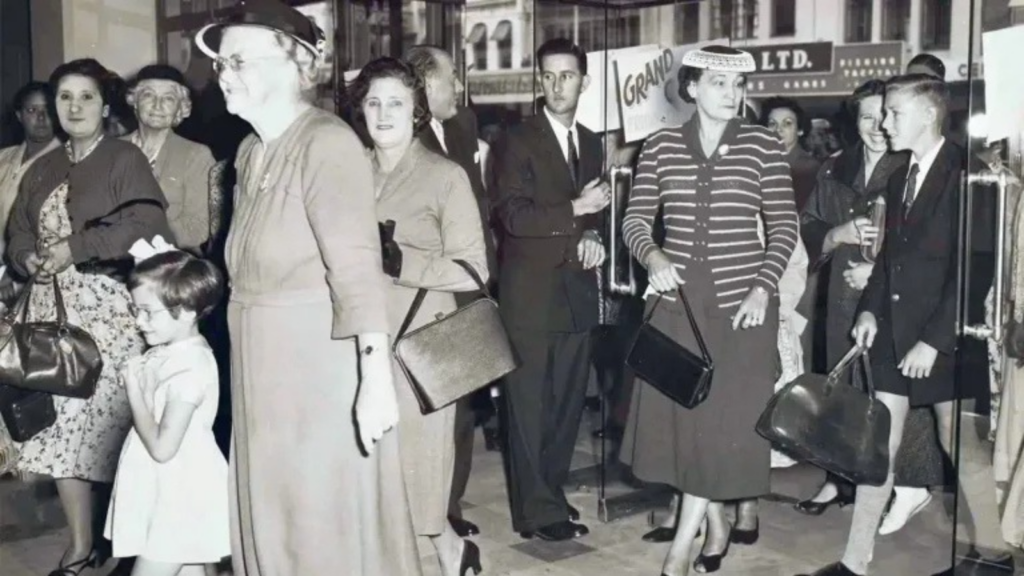
While Woolworths may have been a hit with shoppers, the business soon faced a legal battle over its name.
The name Woolworths came through Sonnenberg’s friendship with Percy Lewis, a London-based shipper and financier involved with Australasian Chain Stores (ACS).
ACS was connected to Australian retailer W.T. Christmas, who was known as “Father Christmas”.
The business used the Woolworth name for its Australian operations, as the American retailer F.W. Woolworth had no interest in trading in that market.
Lewis proposed that ACS could include smaller quantities of products from its Australian orders for shipment to South Africa. Sonnenberg adopted the Woolworths name for his new store.
When the e American F.W. Woolworths company discovered this, it tried to prevent the South African business from using the name.
Fortunately for Sonnenberg, a South African court ruled in 1933 that sufficient goodwill had been established to dismiss an injunction against the local retailer.
With the court battle resolved, Sonnenberg could consider expanding the business, which was performing well.
However, he needed capital. His friend Elie Susman invested in the business and became his partner.
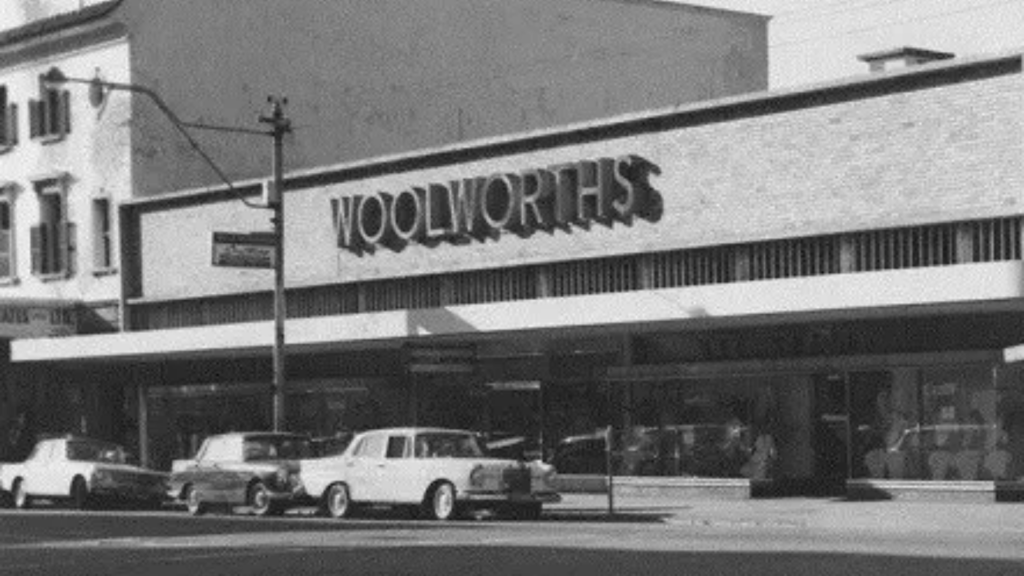
A second branch opened in Durban in 1934, followed by stores in Port Elizabeth and Johannesburg in 1935. Susman helped manage the business in the Transvaal.
In 1936, Woolworths was listed on the Johannesburg Stock Exchange, with its shares priced at £1 each.
Sonnenberg returned to Parliament in 1938 and remained there until retiring from politics in 1949.
He remained chairman of Woolworths until his death on 28 October 1955. His son Richard, a chartered accountant, succeeded him as chairman.
The Woolworths empire grows
As the business grew, Woolworths started to broaden its offering beyond the general merchandise sold in its early years.
In 1947, the company signed an agreement with British retailer Marks & Spencer. It later invested in the textile industry and mills, expanding its clothing business in 1952 with a focus on quality apparel.
Food also became an important part of the business. In 1960, Woolworths became one of South Africa’s first retailers to stamp use-by dates on food products. In 1970, it introduced sell-by dates on food packaging.
The company later consolidated its own-brand offering. It discontinued its Princess food brand in 1982 and replaced Princess clothing labels with Woolworths branding in 1983.
Other developments followed. In 1986, Woolworths became the first South African retailer to recycle clothes hangers.
This led to the formation of Hangerman, which provides employment opportunities for people with physical and intellectual disabilities.
The retailer opened its first store outside South Africa in Francistown, Botswana, in 1987. It introduced barcode scanning at its tills in 1990 and launched its store card in 1994.
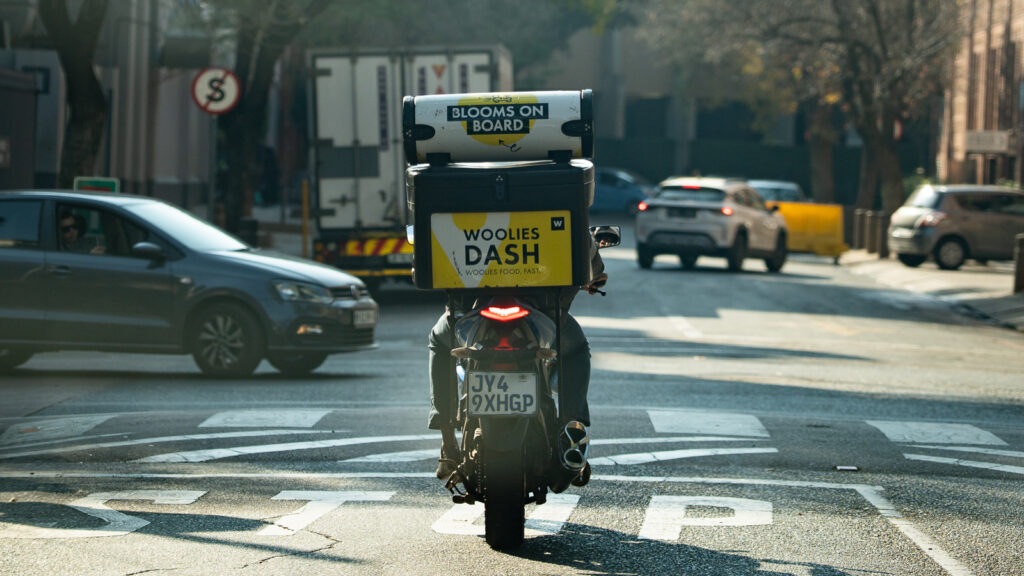
Further changes included online shopping in 2001, in-app shopping in 2018 and Dash, its same-day delivery service, in 2020.
Woolworths today
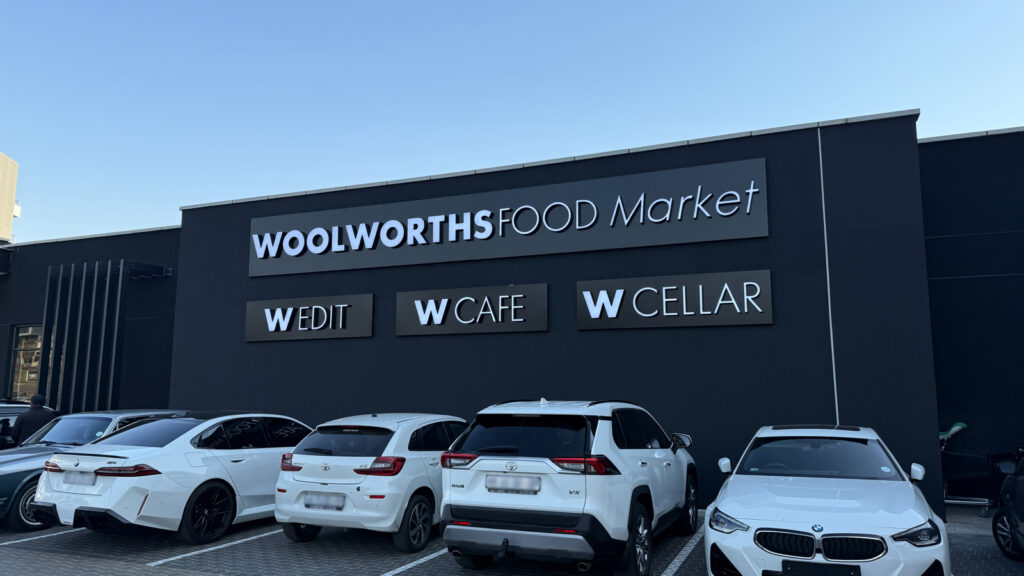
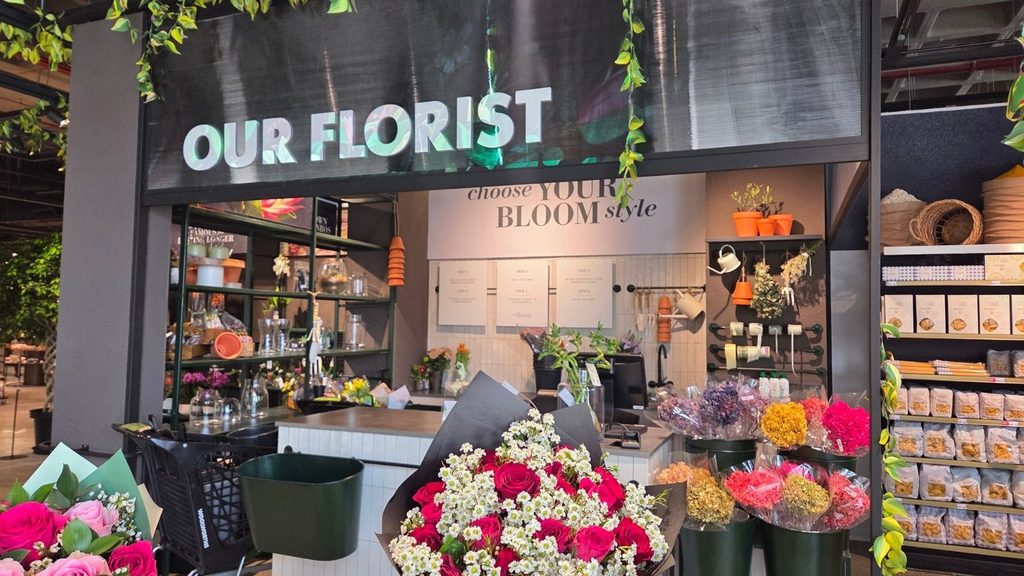
Today, Woolworths is one of South Africa’s biggest and most beloved brands. It offers food, clothing, beauty products and homeware.
Woolworths Food operates 710 store locations across South Africa and six other African countries. Its Fashion, Beauty and Home segment operates across 300 stores across 11 countries, including South Africa.
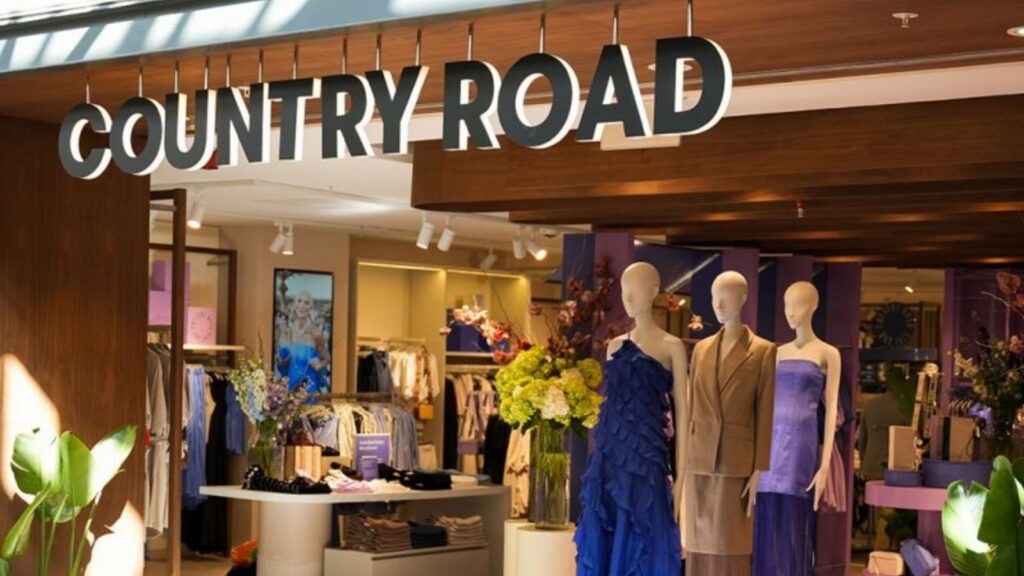
Its South African retail business forms part of Woolworths Holdings Limited, which also owns Country Road Group, an Australian lifestyle retailer with brands including Country Road, Witchery, Mimco, Trenery and Politix.
The group’s portfolio has changed over time. In March 2023, it sold its entire shareholding in the Australian department-store business David Jones.
This allowed the business to redirect capital and management attention to other parts of the group.
Woolworths also acquired a 93.45% stake in South African pet retailer Absolute Pets in April 2024, expanding its presence in the pet-care market.
Photos of Woolworths’ early years
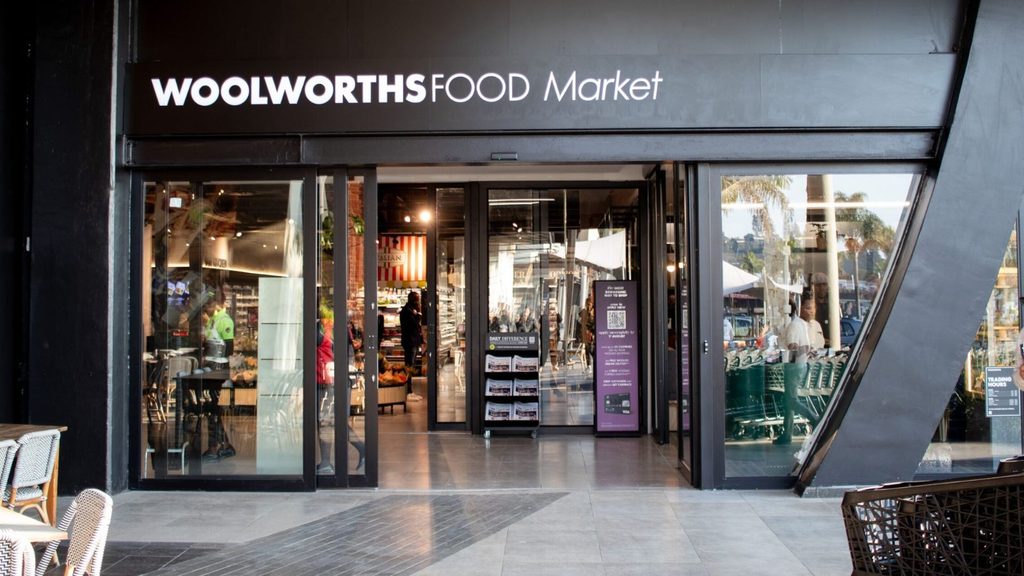
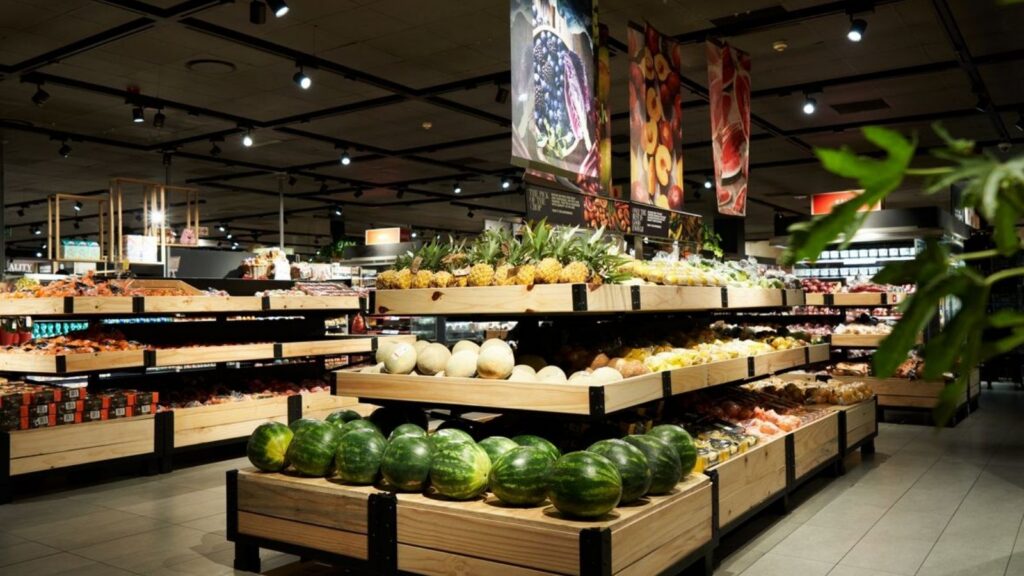
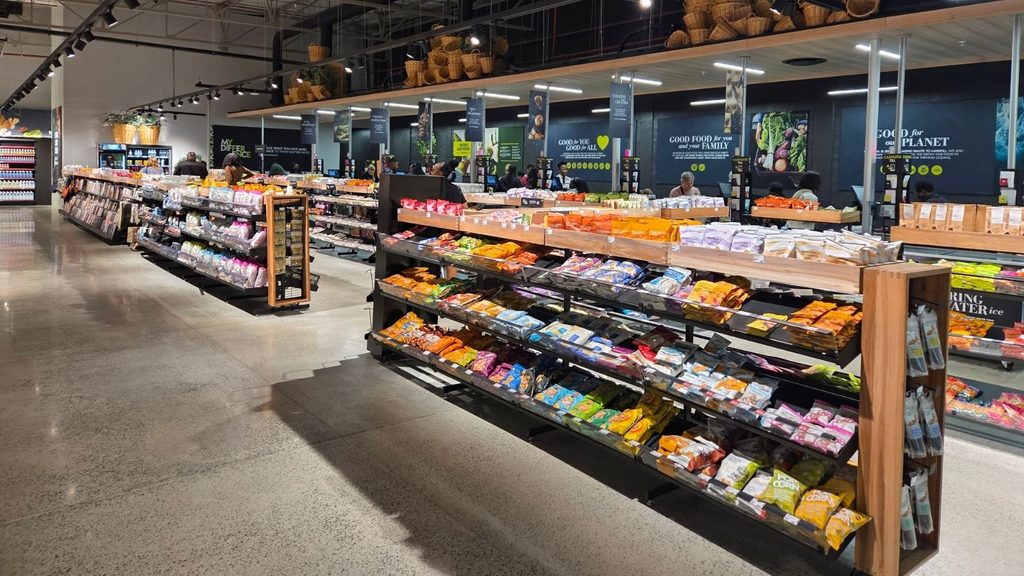
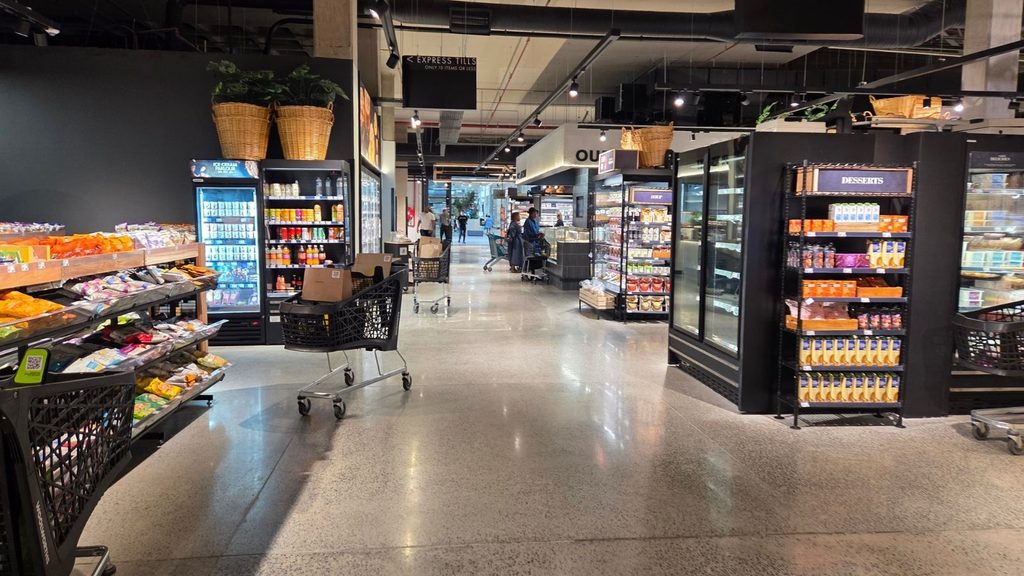
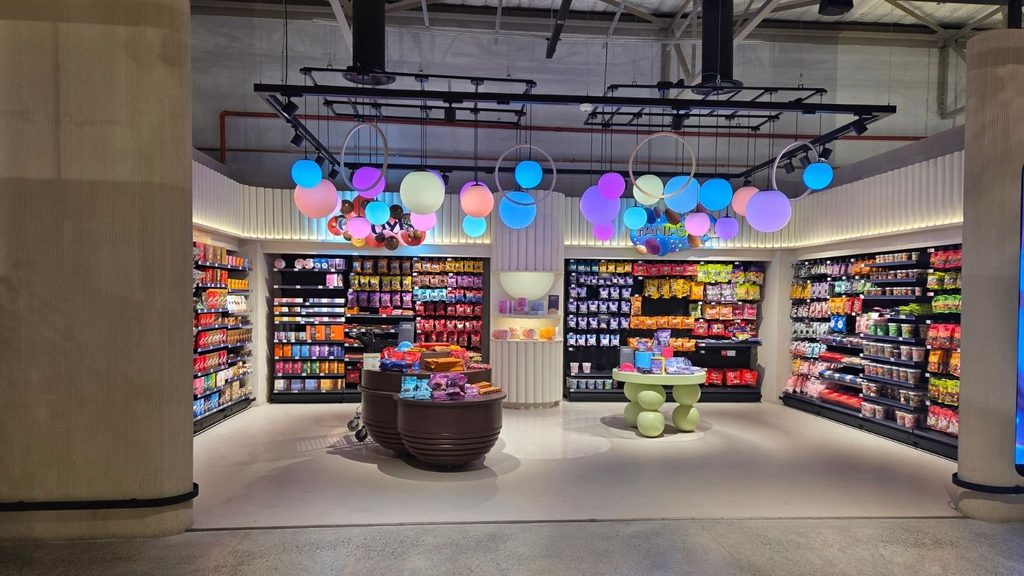
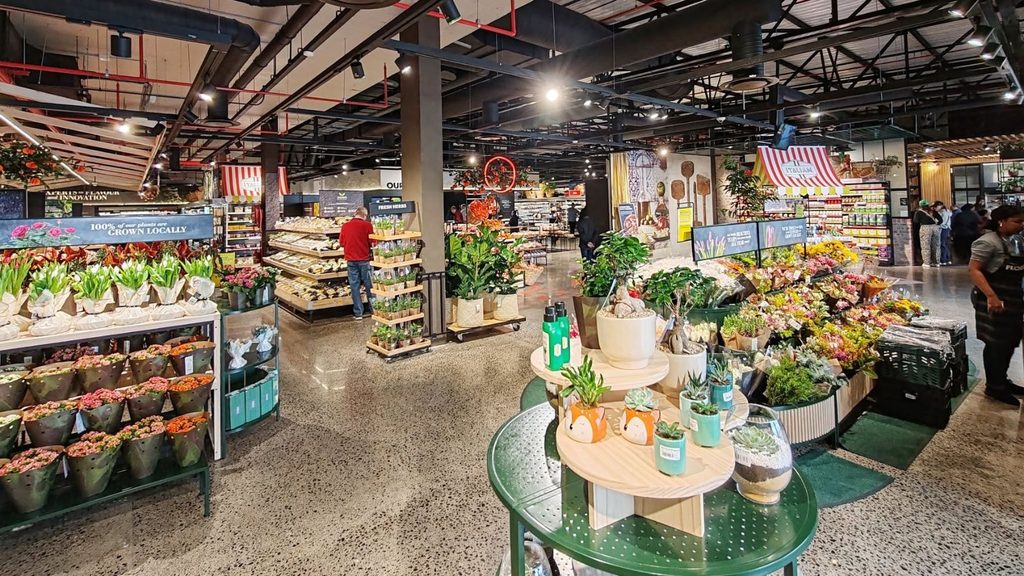
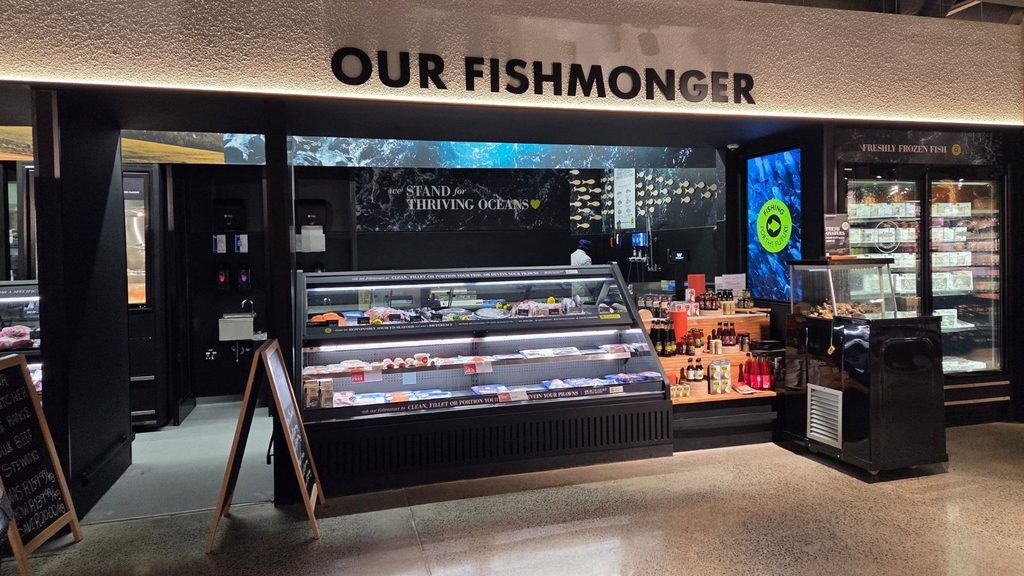
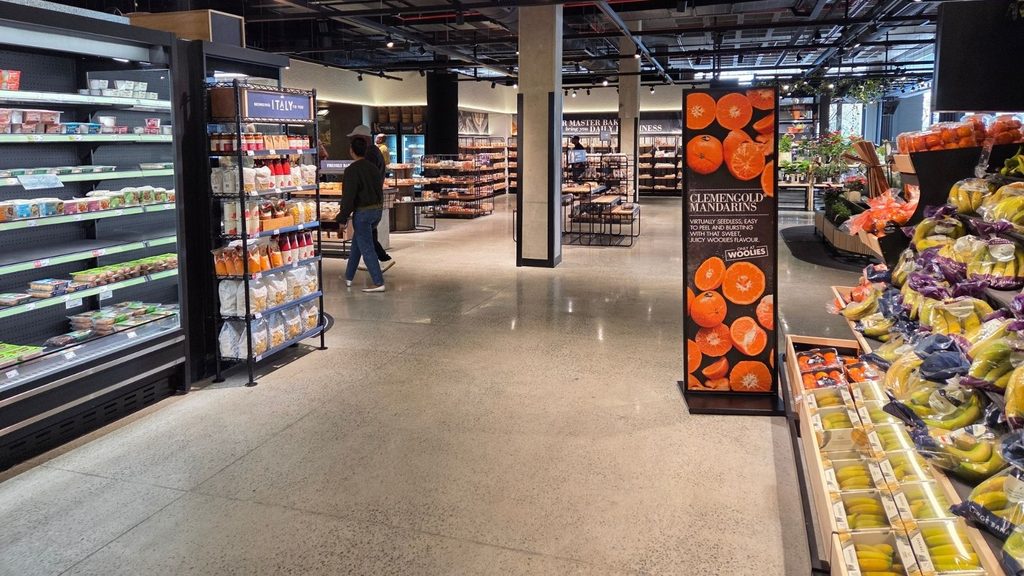
Photos of Woolworths today