The 212-year-old South African town with the biggest plantation of its kind in the Southern Hemisphere


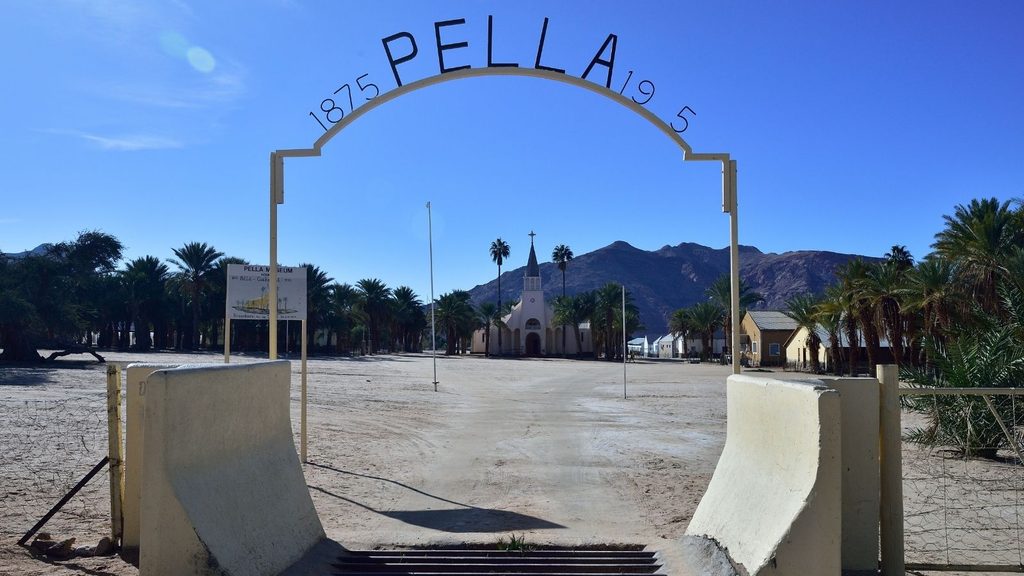
The town of Pella in the Northern Cape is home to Klein Pella, a remote, arid estate that boasts the largest date farm in the Southern Hemisphere.
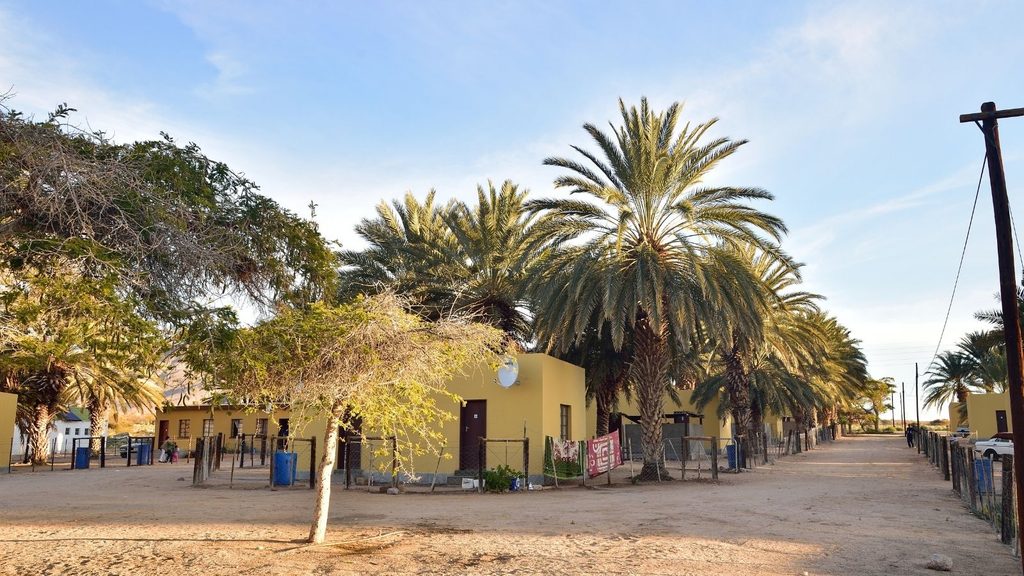
Known as a “desert oasis” in South Africa’s Namakwa region, Pella was home to indigenous San and Khoisan communities before European settlers arrived in 1814.
Missionaries from the London Missionary Society established a sanctuary at the local spring, which was known as Cammas Fonteyn. They named the town “Pella” after the ancient biblical city in Palestine.
However, following harsh droughts and regional conflicts in the mid-19th century, the missionaries abandoned the station.
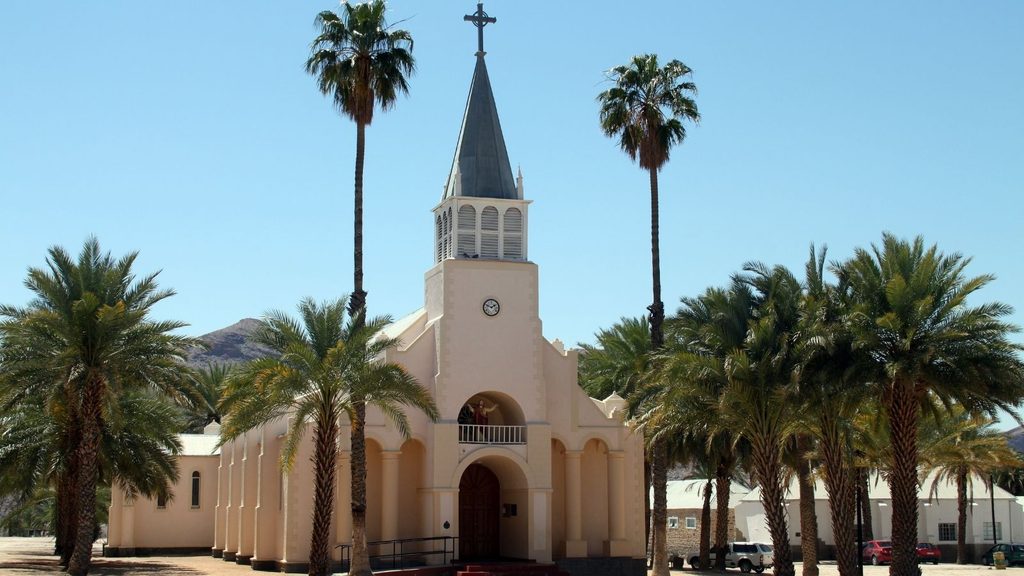
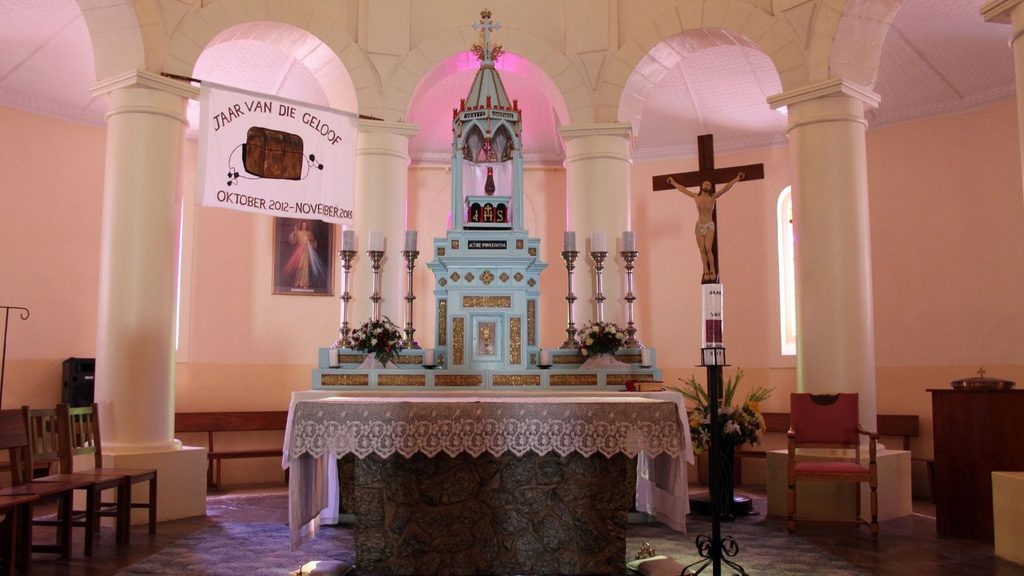
In 1882, French Roman Catholic missionaries re-established the mission and spent seven years constructing the Cathedral of the Immaculate Conception.
The construction required 200 cartloads of sand, 400 wagonloads of stone, 200,000 bricks, and 350 bags of slaked lime.
South African History Online explains that the French missionaries had no idea what they were doing and used the Encyclopédie des Arts et Métiers as their blueprint.
Despite their inexperience, the cathedral was completed in 1895, and still stands in the town to this day.
The Cathedral of the Immaculate Conception has become an attraction for tourists, with its resident nuns able to show visitors around the tiny museum next door.
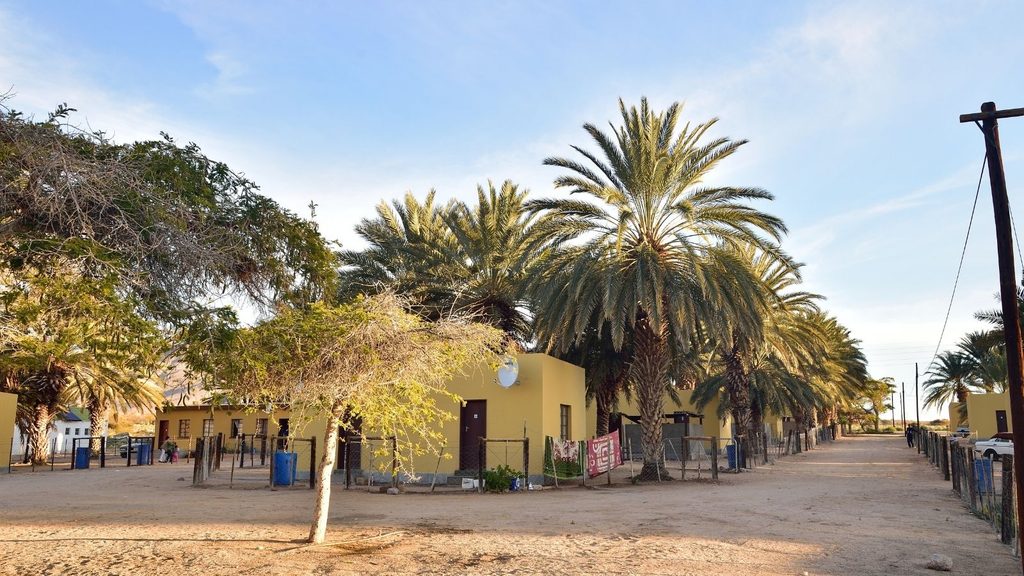
Aside from its historic cathedral, Pella is also known for its date palms, figs, grapes, and sweet potatoes.
The town has very few permanent residents, with the 2011 Census recording a population of only 2,470 people.
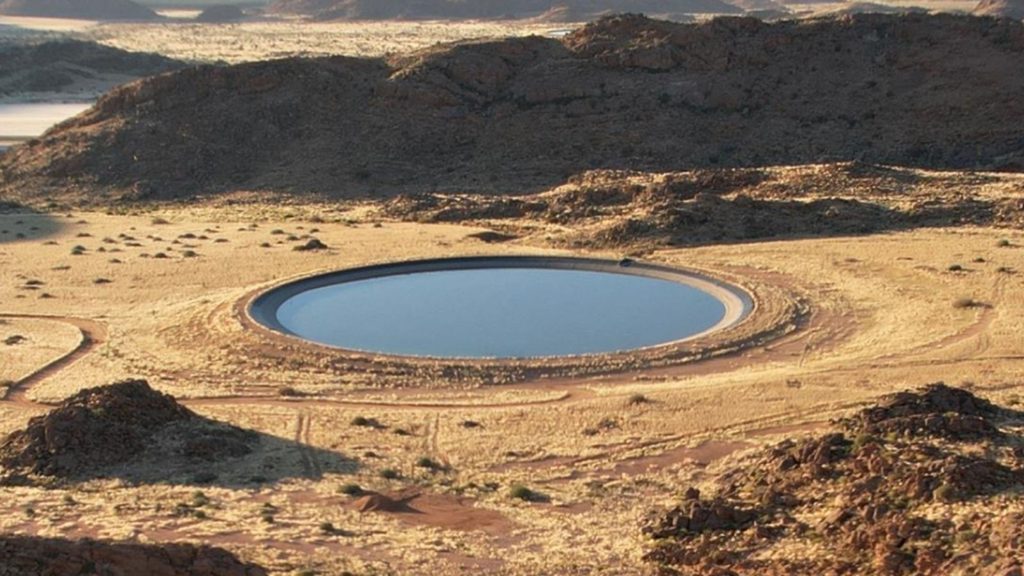
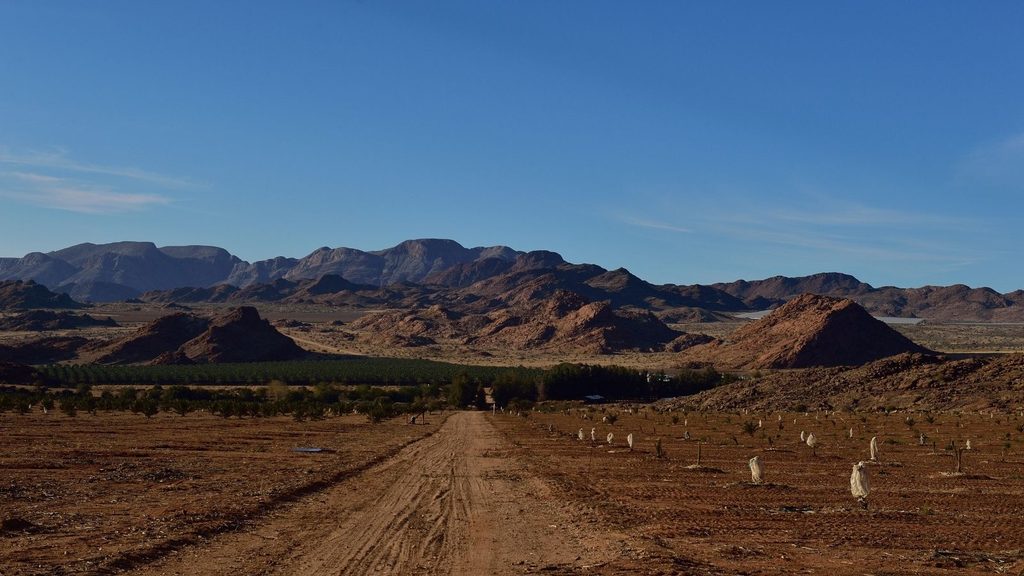
Its arid climate means that few plants and little vegetation can grow in the town, though its sun-baked hills are known for their beautiful colours thanks to the minerals in their soil.
The town’s spring, which led to its founding, also positions the town perfectly for growing dates.
Klein Pella’s date dynasty
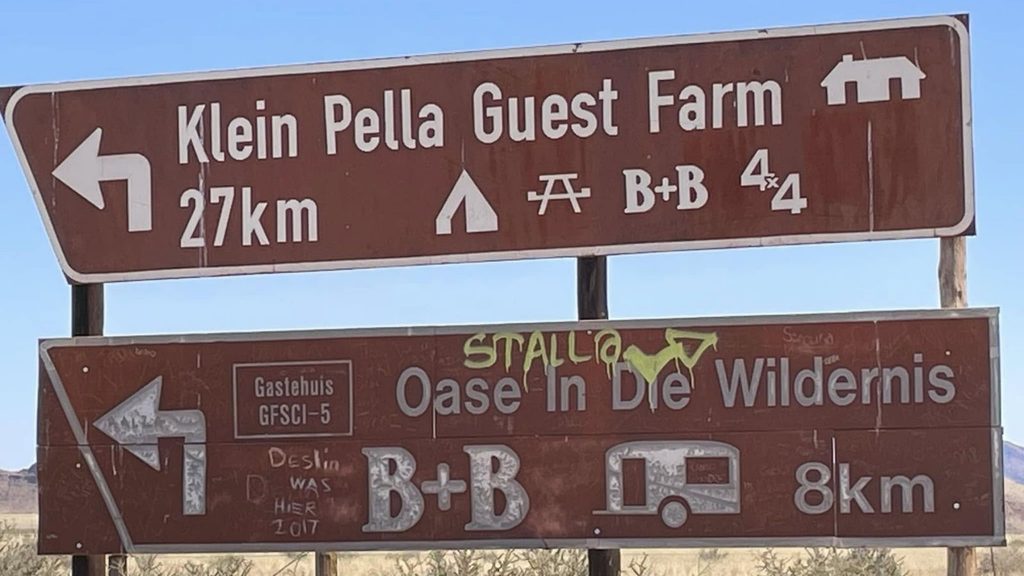
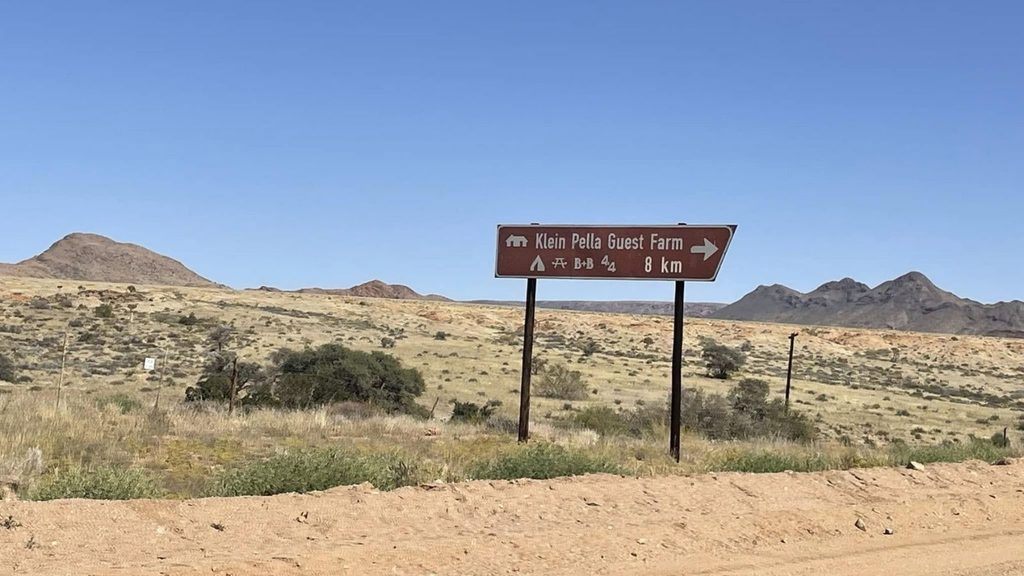
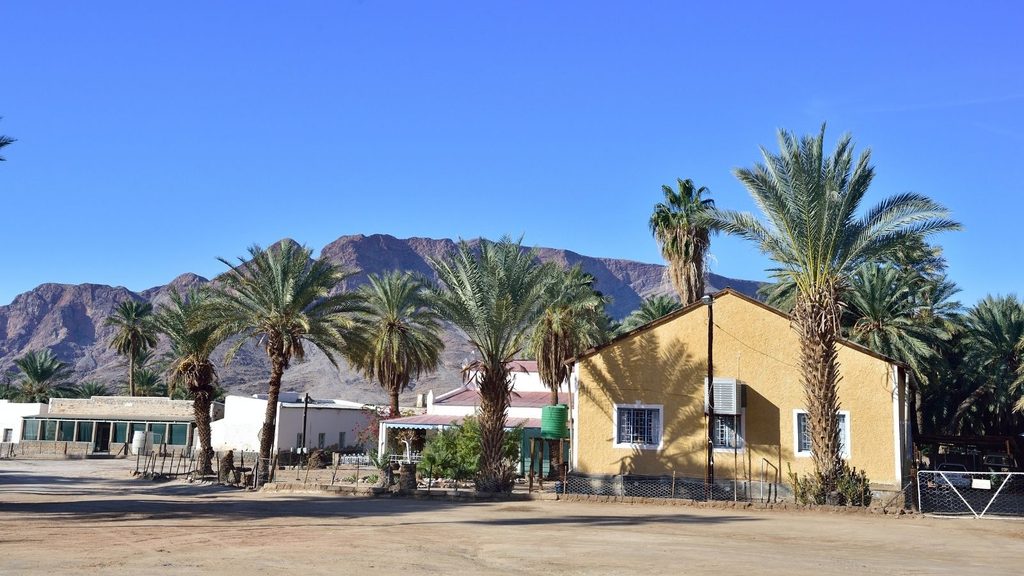
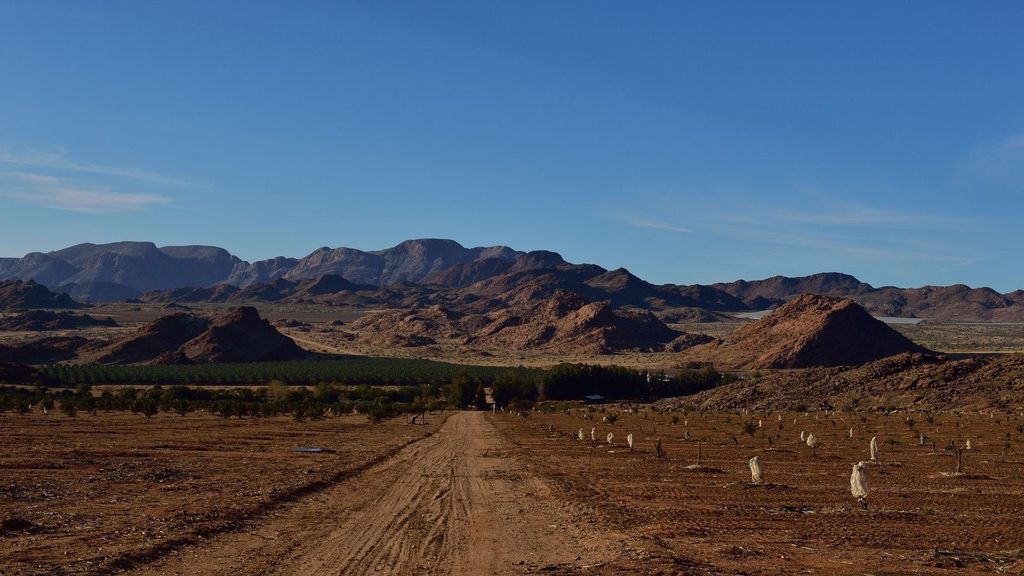
Just outside the main town of Pella is Klein Pella, a vast agricultural farm and guest lodge, best known for having the largest date farm in the Southern Hemisphere.
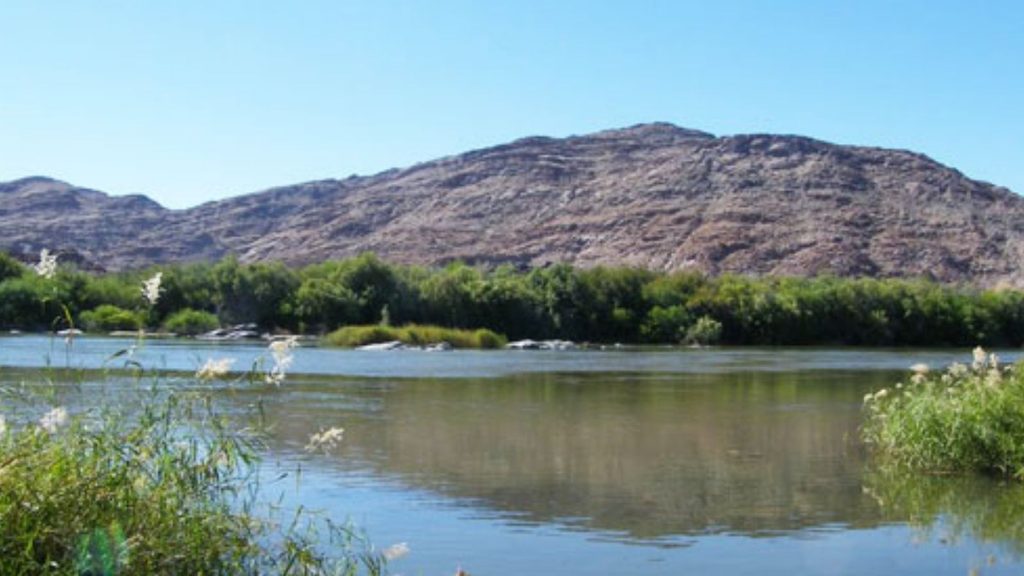
This farm spans 18,000 hectares on the Orange River between Pofadder and the Aggenys mine.
It dates back to the late 19th century, when the same French Catholic missionaries who built the cathedral planted the first date palms at the mission station.
They found that the microclimate along the Orange River was ideal for date cultivation, and they established small groves around the village and the cathedral.
As the trees continued to thrive, local farmers took notice, and cultivation spread to nearby land downstream.
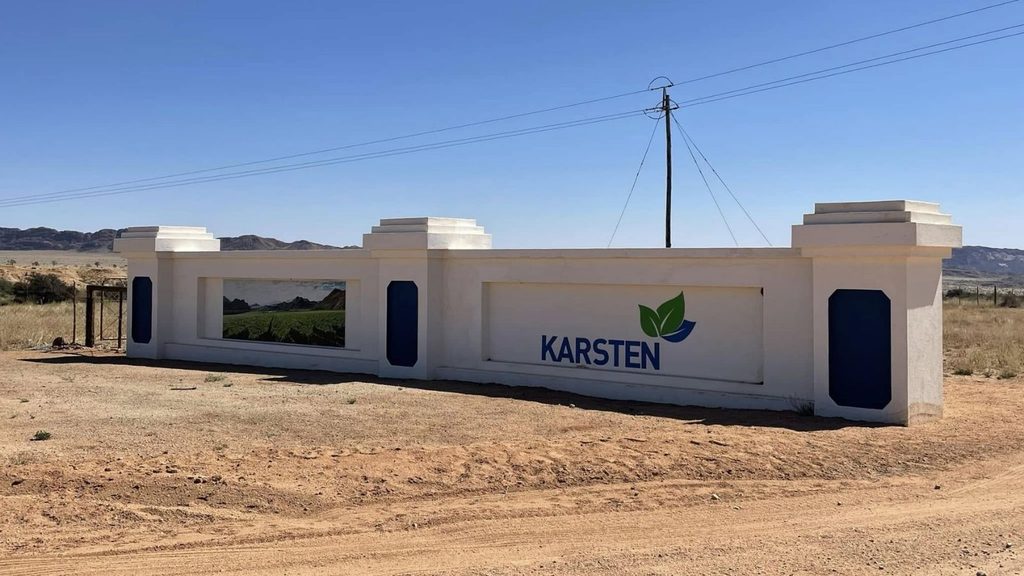
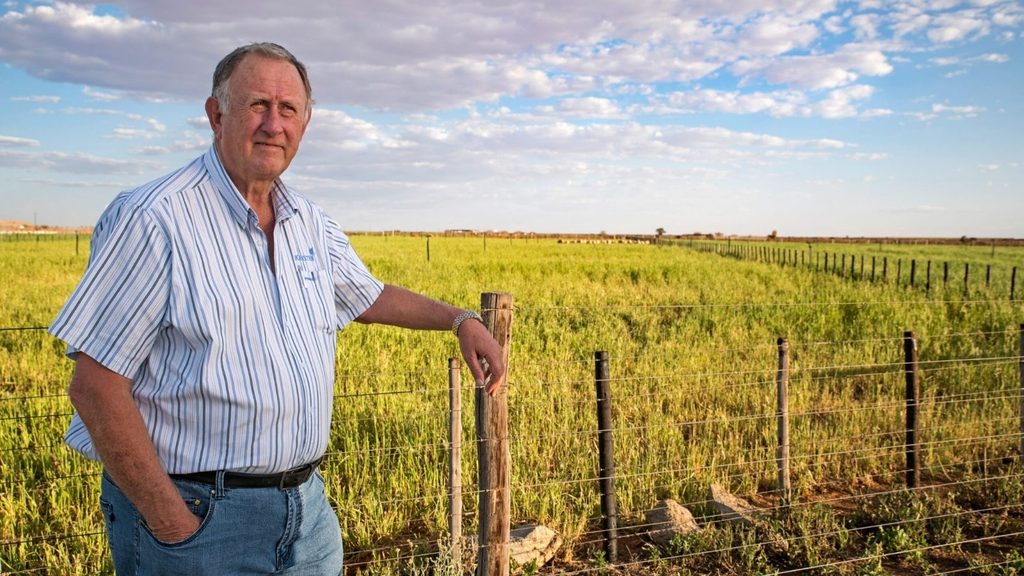
Notably, the Karsten Group, headed by Piet and Babsie Karsten, founded a small family date farm in 1968 that has since grown into a major supplier of table grapes and dates.
The business now consists of a network of 17 farms whose products are distributed in 20 countries.
The Karsten Family Trust remains a major shareholder in the business, which now spans a network of farms along the Orange River.
It is now a vertically integrated business, handling everything from farming to packing, marketing, and logistics.
Klein Pella has also become a notable tourist destination, with its guesthouse frequented by travellers taking the scenic drive between Bushmanland and Namakwaland.
Klein Pella Guest House is located at the start of the Namaqua 4X4 route to Vioolsdrift and the Richtersveld.
Its proximity to the Orange River also attracts tourists looking to fish, canoe, raft, abseil, and rock climb.
Photos: Pella and Klein Pella





Comments