WeBuyCars is in serious trouble with a powerful enemy hurting the business


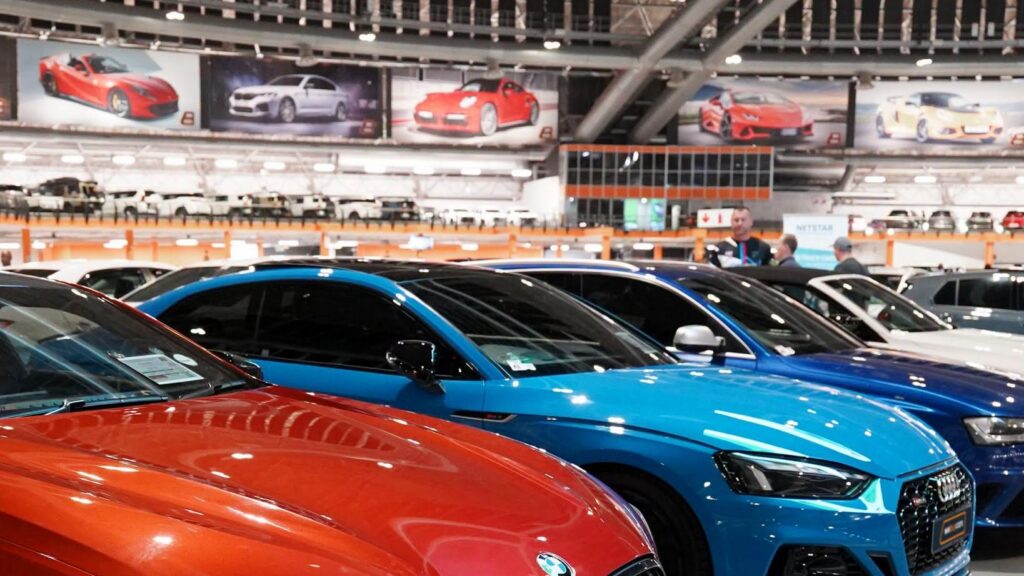
WeBuyCars reported a decline in operating profit and lower headline earnings as fierce competition from affordable Chinese cars is taking its toll.
On Monday, 23 November 2026, WeBuyCars released its annual financial statements for the year ended 30 September 2026.
Revenue increased by 7.2% from R26.4 billion to R28.3 billion, and there was a slight increase in the number of vehicles bought and sold.
There was a significant increase in the number of supermarkets and vehicle parking bays, but this did not translate into improved financial performance.
Operating profit, basic earnings, headline earnings, and profit for the year declined significantly between 2025 and 2026.
The main challenge was the flood of affordable Chinese cars which entered the South African market over the past few years.
Competitively priced Chinese and Asian cars grew their share of South African new passenger vehicle sales from 9.2% in 2024 to 20.0% in 2026.
The impact was so significant that it was the driver behind the 12.5% surge in new vehicle sales in South Africa in 2026.
It increased the national new-to-used vehicle ratio from 1:3.14 in 2024 to 1:2.51 in 2026, which was bad news for all second-hand car sellers.
“There was heightened competition with the Chinese and Asian brands offering attractive price points and compelling finance offerings,” WeBBuyCars said.
Because new vehicle price inflation remained below consumer price inflation, consumer choices widened dramatically.
This created a deflationary environment for used-vehicle pricing over the last 12 months, placing pressure on used-car sales volumes and margins.
To maintain turnover and liquidity, WeBuyCars was forced to cut prices, which, in turn, placed pressure on gross and operating margins.
Even with the lower prices, WeBuyCars’ vehicle sales growth declined from 16.4% in 2024 to 4.0% in 2026.
This culminated in a lower dividend, higher debt, escalating inventory write-downs, and higher finance costs.
To add fuel to the fire, WeBuyCars co-founders Faan and Dirk van der Walt announced that they are stepping back from day-to-day leadership on 1 January 2027.
Jonathan Fisher’s opinion about WeBuyCars
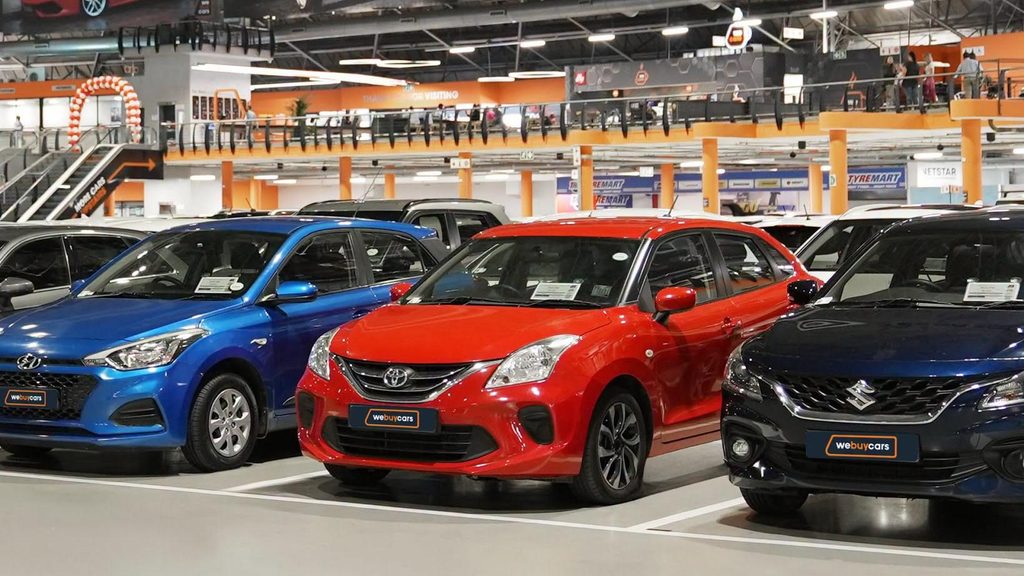
Jonathan Fisher from PSG Wealth told Business Day TV that dynamics have shifted significantly over the last 18 to 24 months for WeBuyCars.
“Their business model relies on selling second-hand vehicles. However, Chinese manufacturers are now bringing attractive, brand-new cars into South Africa,” he said.
“These Chinese cars are equipped with all the bells and whistles you would expect from a luxury German vehicle.”
This means that the pre-owned cars WeBuyCars sells compete directly with brand-new models from brands like Haval, BYD, and Chery.
Consumers can buy a new Chinese vehicle from a dealership for R500,000, complete with a five-year warranty and a full service plan.
In comparison, WeBuyCars is selling three- or four-year-old German cars with 100,000 km on the clock for a similar price.
WeBuyCars’ management anticipates that over the next few years, as these Chinese vehicles filter into the used-car market, it will be able to trade them.
“However, it will likely be a different playing field with lower margins. Their key challenge is restructuring and adapting to this new landscape,” he said.
“It hasn’t been an easy period for them, and we will see how things unfold over the next 18 to 36 months.”
Kearabilwe Nonyana comments on WeBuyCars

In the same Business Day interview, Kearabilwe Nonyana from PrimeXBT said that WeBuyCars is undergoing a structural reset as the market shifts from growth to value.
“Historically, management did an exceptional job. They struck while the iron was hot, expanded exponentially, and built a massive corporation,” he said.
“Their main advantage today is scale. They still control nearly a fifth of the second-hand vehicle market.”
Nonyana said that WeBuyCars’ strategic expansion previously delivered tremendous profits because margins were substantial.
However, the market has changed, and it is now contending with an influx of affordable Chinese and Indian vehicles which offer excellent consumer value.
“This represents a fundamental redefinition of the market. To succeed going forward, WeBuyCars must redesign its business model,” he said.
“The market won’t wait 36 months for these newer vehicles to reach the second-hand ecosystem. By then, other unexpected shifts could occur.”
He added that WeBuyCars’ share price has declined by over 50% from its highs, which means the company needs a strategic rethink.
“Management has executed well in the past, but the market is cautious, and sentiment around the used-car segment is subdued. For now, it is a ‘wait-and-see’ situation,” he said.
Login or register for unlimited free access.