The small town in South Africa that is ‘hot as hell’ producing one of the world’s most important resources


The tiny town of Hotazel has an estimated population of less than 4,000 people, but plays a vital role in servicing South Africa’s manganese industry.
The town is located in the Joe Morolong Local Municipality, in the north-eastern section of South Africa’s Northern Cape province.
Situated 147 km north of Postmasburg and 28 km north-west of Kuruman, the town had an official population of 1,756 people as of the 2011 national census.
While no official figures were released for the town’s population in the 2022 national census, estimates place the current population between 2,300 and 3,700.
The town derived its name from the farm upon which it was founded, and is a tongue-in-cheek nod to the area’s arid Kalahari climate.
The name supposedly came from a group of land surveyors who visited the area in 1915, looking to establish a farm.
After a session of drinking, the surveyors described the area as “hot as hell” due to the weather, settling on the name ‘Hotazel’ for the established farm.
When the town was founded in 1950 to support the country’s growing manganese industry, it adopted the farm’s name.
Despite its name, summer temperatures in Hotazel only average around 37°C, relatively low compared to other towns in the Kalahari region, which can reach upwards of 45°C in the summertime.
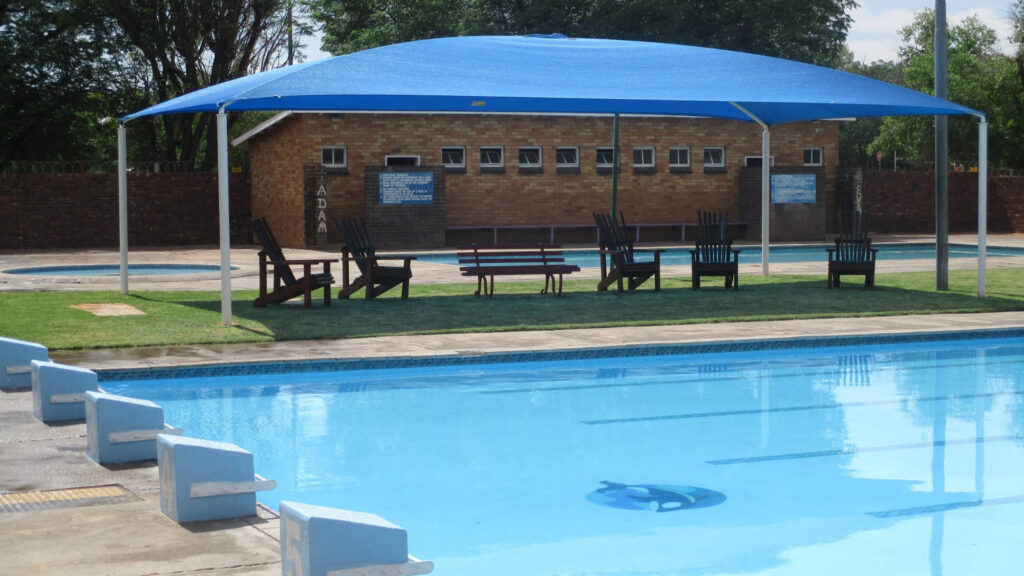
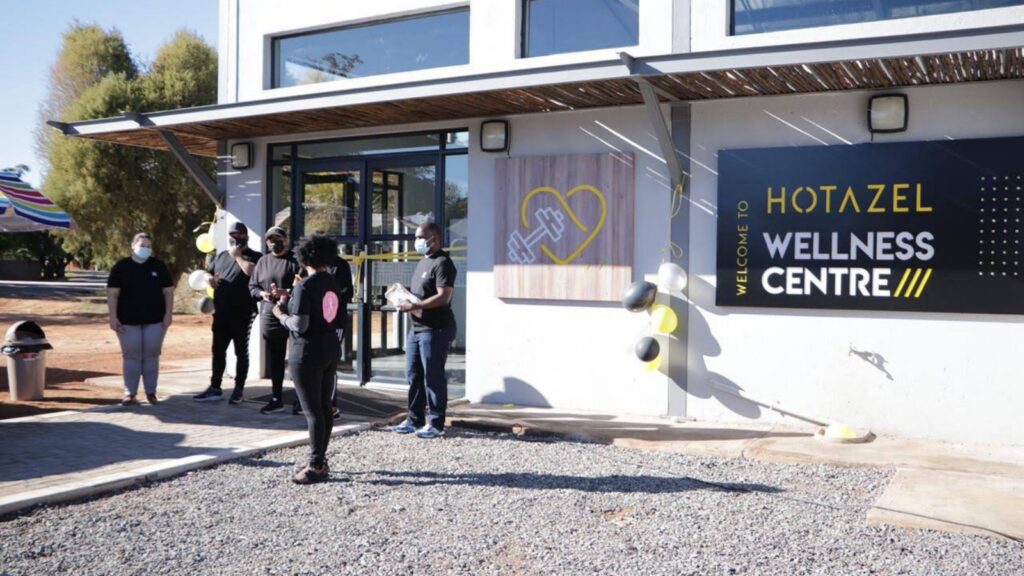
The town is home to the Hotazel Recreation Club for visitors, featuring a restaurant, guest house and wellness centre among other amenities.
The club also houses numerous sports facilities, including a swimming pool, a golf course, and courts for squash, tennis, and badminton.
The town is also situated near the Tswalu Kalahari Reserve, a private game reserve owned by the family of South African billionaire businessman Nicky Oppenheimer.
Covering an area of approximately 1,200 km², Tswalu Kalahari is the largest privately-owned nature reserve in South Africa.
Servicing a vital South African industry

While Hotazel initially began as a farm, today the town serves as a critical point in South Africa’s manganese mining industry.
The town sits at the heart of the Kalahari Manganese Field, which reportedly contains over 77% of the world’s manganese reserves.
South Africa is the world’s largest producer and exporter of manganese, accounting for nearly 40% of global production.
Manganese is a vital resource for the production of alloys such as stainless steel and batteries for electric vehicles.
When manganese-rich black rock was discovered in the area, mining companies quickly moved in to capitalise, and the town was built up to service the mine workers and operators.
The town services multiple manganese mines in its vicinity, including the country’s first manganese mine owned by a black woman.
Kalagadi Manganese was established in 2001 by a congregation of several black South African women entrepreneurs, with a mine just west of Hotazel.
Businesswoman Daphne Mashile-Nkosi has served as executive chairman of the multi-million rand mining company since its founding up to the present day.
The mine produces approximately 3 million tonnes of manganese ore annually and is also home to the world’s largest sinter plant, producing 2.4 million tonnes of sinter per year.
Other successful manganese mining operations in the vicinity of the town include the Hotazel Manganese Mines (HMM) consortium, which operates two mines in the area.
The open-pit Mamatwan Mine was established in 1963, with the underground Wessels mine following shortly after in 1973.
The HMM consortium is primarily held by South32 with a 44.4% share, with the remaining interest being held by multinational mining giant Anglo American, among other BBBEE entities.
South32 reported that the consortium’s two mines produced a combined 2,151 kilo-wet metric tonnes of manganese ore in the 2024/2025 financial year.
Photos of manganese mines in and around Hotazel


Photos of Hotazel town




Comments