The South African town that had its own stock exchange and was compared to London and Paris at its peak


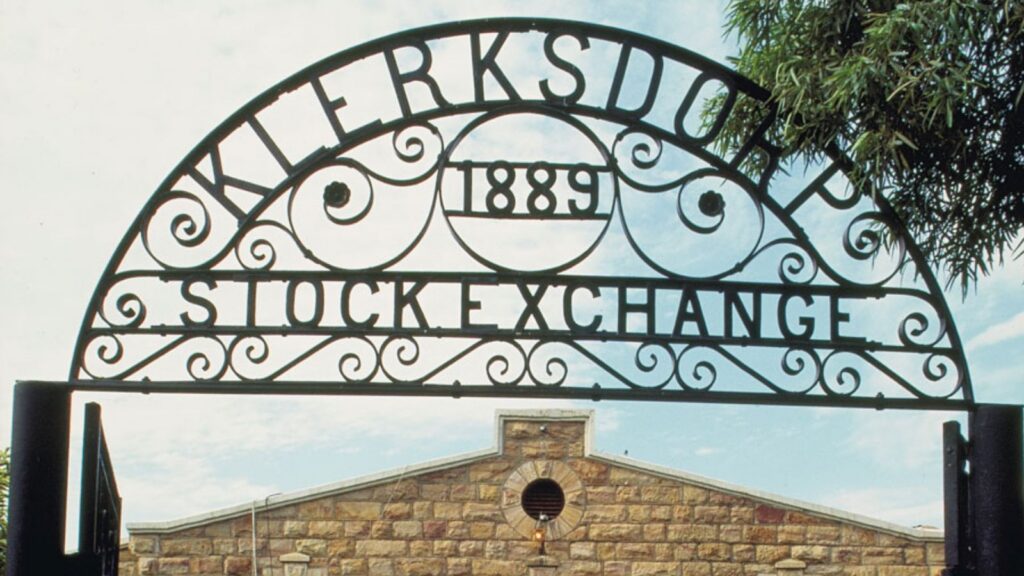
Klerksdorp enjoyed a 50-year period of economic prosperity, during which it established its own stock exchange that briefly surpassed the JSE in trade turnover.
While this era did not last, the town in the modern North-West had its time in the sun and was even compared to London and Paris at its peak.
Founded in 1838, Klerksdorp is the oldest European settlement north of the Vaal River and was largely occupied by Voortrekkers escaping the Cape Colony.
Initially unnamed, Klerksdorp was finally added to maps of South Africa under the name of its first magistrate, Jacob de Clercq.
At this stage, Klerksdorp was far from a town. It was a collection of farms along the Schoonspruit west of the Witwatersrand.
For the first fifty years of its existence, Klerksdorp was largely ignored by authorities, with it lacking anything of importance.
The town was not located along any major transport routes and was far from the diamond mines near Kimberley. As such, it was effectively in the middle of nowhere.
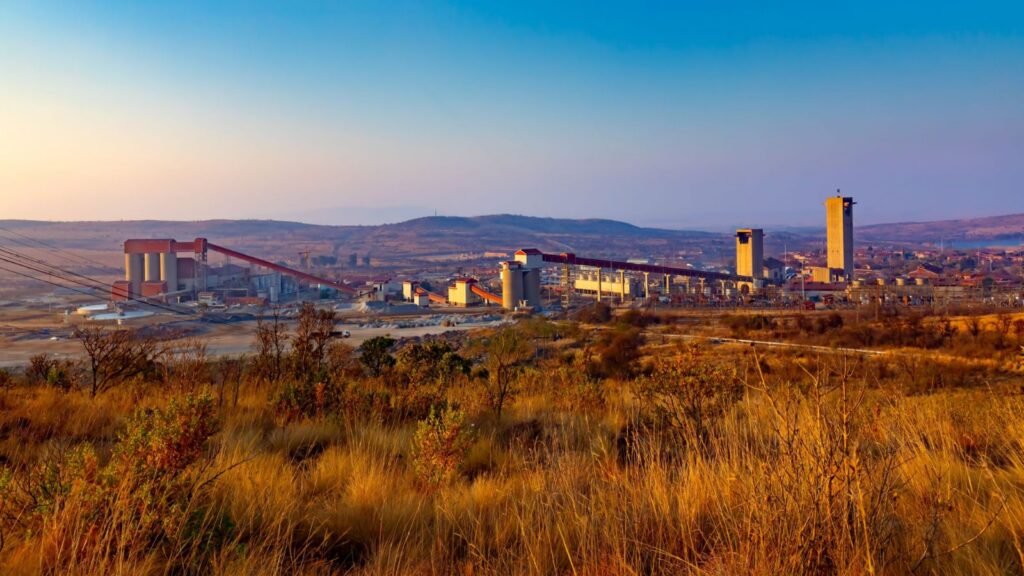
This all changed in the 1880s when gold was discovered by MG Jansen van Vuuren. This discovery occurred simultaneously with the discovery of precious metals on the Witwatersrand.
Many at the time assumed the gold fields were linked by a reef running across the interior of South Africa, and speculation on mining companies was rife.
As a result, thousands of fortune seekers flocked to Klerksdorp, sending its population soaring and making it one of the biggest urban areas in South Africa.
Overnight, the town went from a collection of small farms to having 70 taverns, dozens of hotels, and hundreds of businesses.
Speculation surged, with richer individuals investing in mining companies, suppliers to the mines, and businesses operating in Klerksdorp.
The town saw an opportunity to build long-term prosperity and opened a stock exchange in 1888. This was only one year after the JSE was founded in Johannesburg.
Klerksdorp and Johannesburg had an economic rivalry at the time, with both vying to be the dominant city in the country’s interior.
Initially, it looked like Klerksdorp would win out, given its stock exchange’s immense popularity. Individuals traded around 20,000 South African pounds daily.
However, it soon became clear that the gold in Klerksdorp was difficult to mine, was located deep underground, and required sophisticated equipment to extract.
As such, most of the gold diggers moved to Johannesburg in the 1890s, sealing the town’s fate as a small farming outpost.
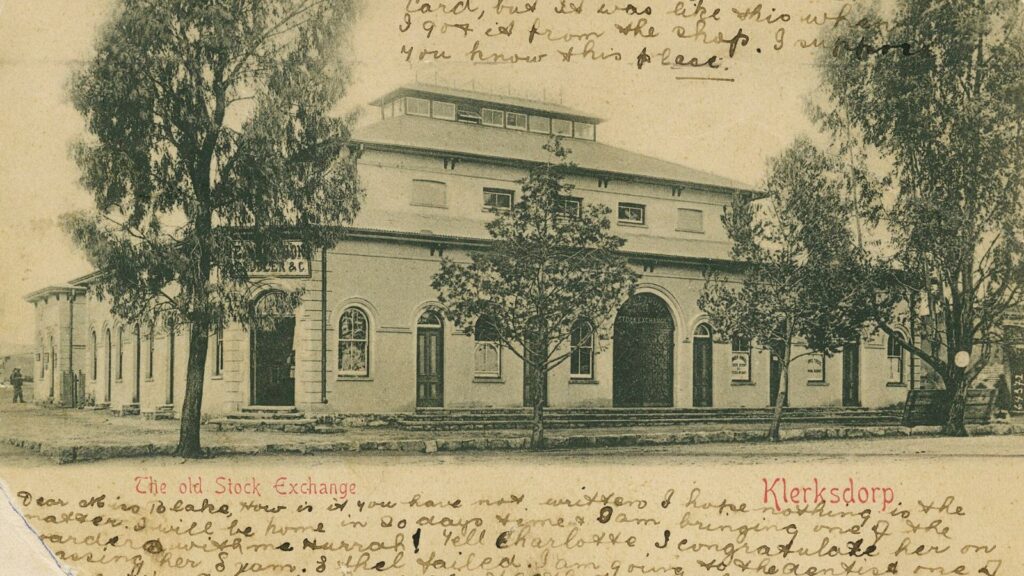
This led to the Klerksdorp Stock Exchange shutting its doors, with the building converted into a cinema in 1912 and demolished in 1958.
From investing to gambling
Gold mining in Klerksdorp went through many booms and busts, with new technology offering hopes of revival before these were dashed.
The one constant through all these rises and falls was the town’s agricultural industry, which has puttered along and continues to form the town’s economic backbone.
Unlike many other urban areas in the North-West Province, Klerksdorp has no notable deposits of platinum-group metals.
This has left it behind Rustenburg, which has become the province’s mining capital despite being much younger than Klerksdorp.
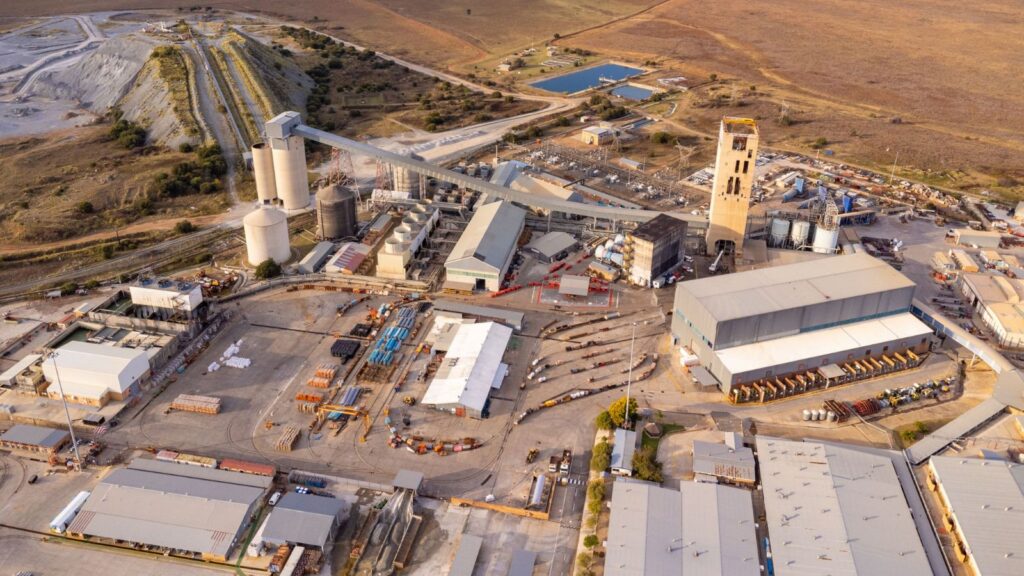
The town retains some gold mining activity, but, as with much of the mining sector in South Africa, it has become a shell of its former self.
A glimmer of hope for the industry in Klerksdorp is the revival of nuclear power in South Africa and other parts of the world.
The town is surrounded by uranium deposits, making it a likely source of fuel for a local nuclear buildout and potentially a supplier to more developed countries.
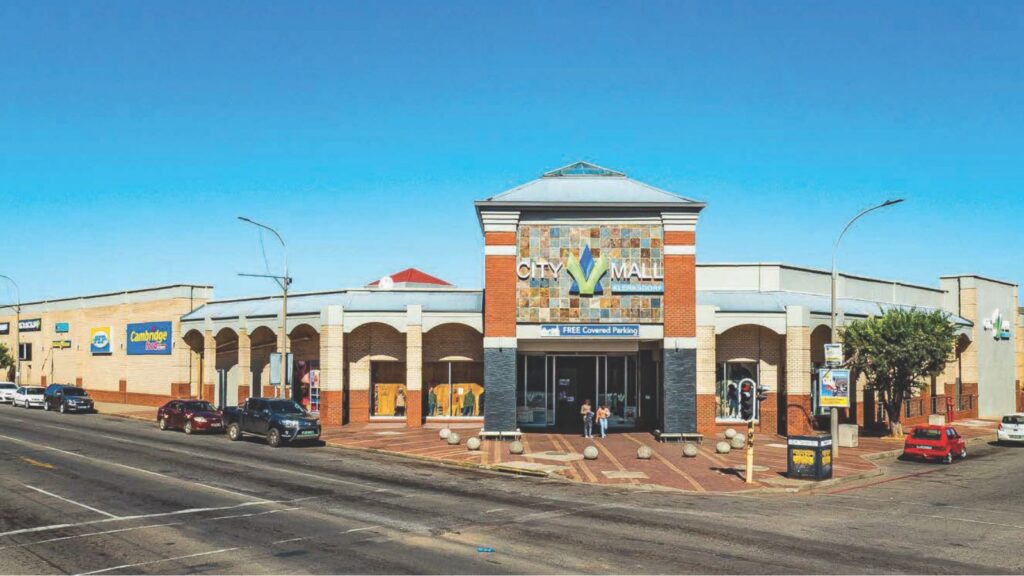
Nowadays, the town is also a major tourist destination, with it being home to Desmond Tutu, the Goudkoppie, and the Klerkdorp Museum, which commemorates its role as the first capital of the Transvaal.
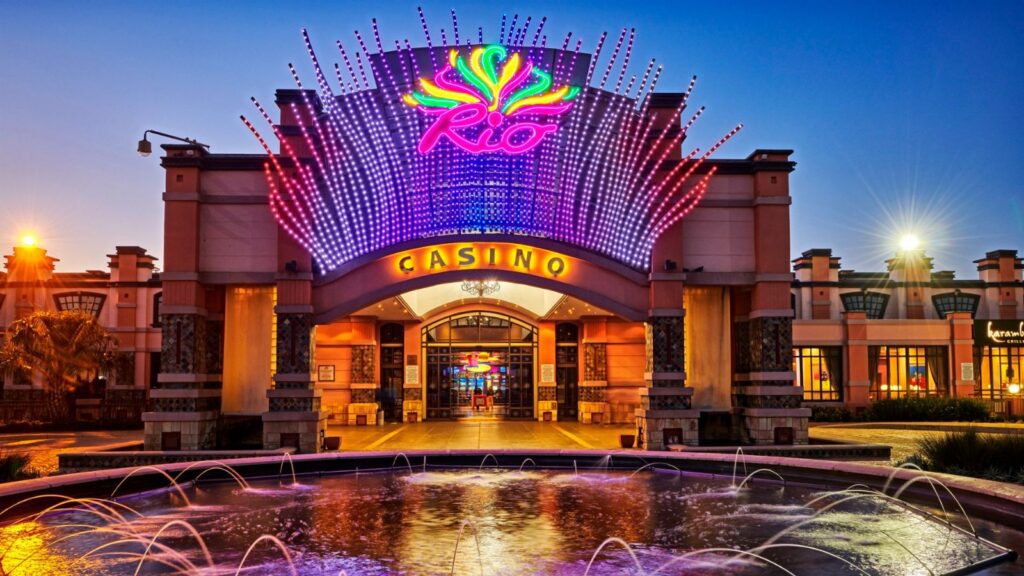
One of the major attractions of the town is the giant Rio Casino Resort, which is one of the largest casino complexes in the Southern Hemisphere.
The resort is centred around its Brazilian Carnival-themed casino, which replicates the colour and energy of Rio de Janeiro.
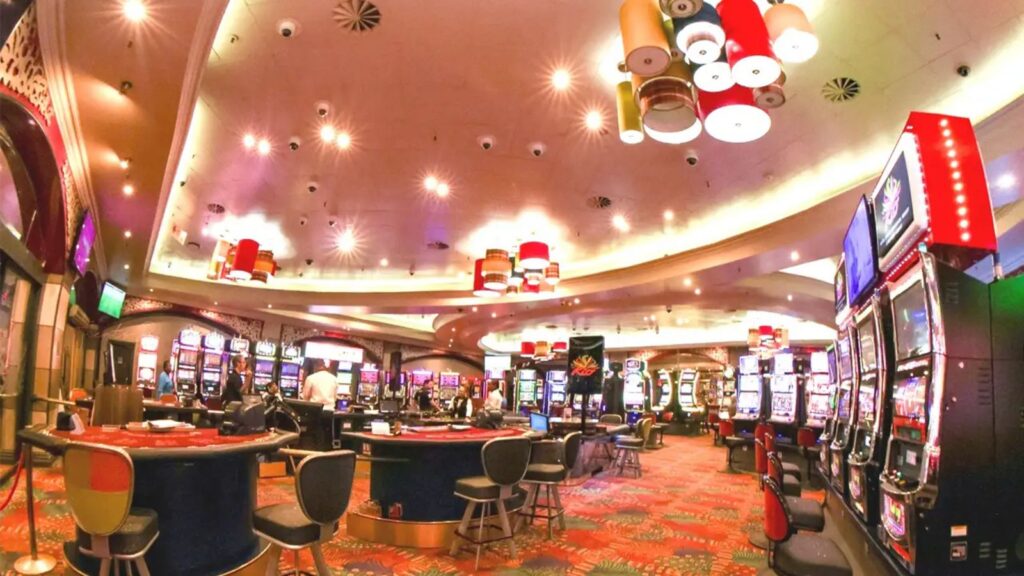
Its casino floor features 300 slot machines, along with tables for blackjack, roulette, and poker. It also contains an exclusive salon Privé for high-stakes players.
As casinos come under intense pressure from online gambling, the resort has reinvented itself into a major pit stop for travellers between Johannesburg, Kimberley, and the Western Cape.
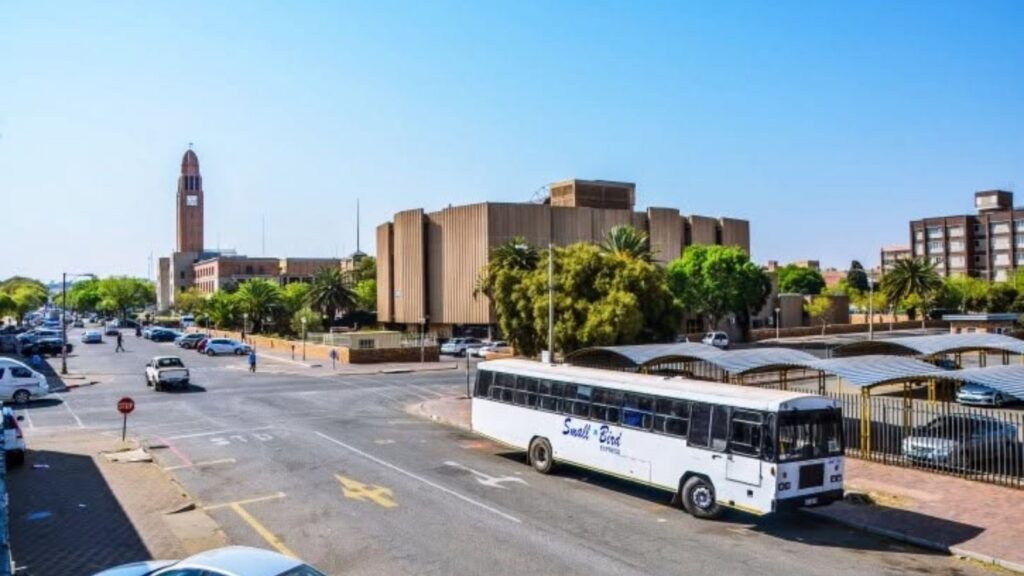
Klerksdorp photos

Comments