The small South African town where shopping malls, hotels, and streetlights are banned


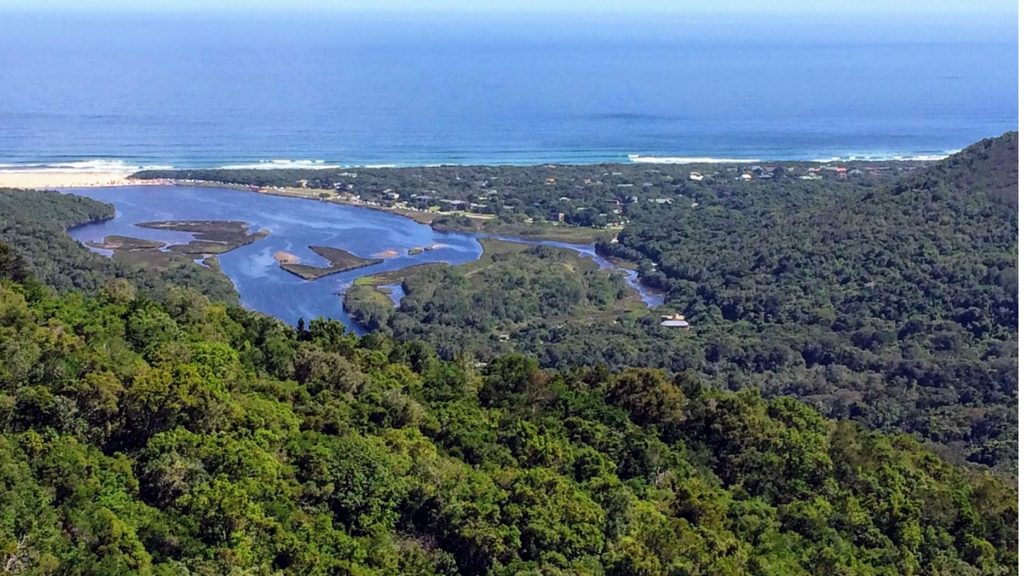
Nature’s Valley in the Western Cape has strict self-imposed rules to keep the town immersed in nature and undeveloped.
These rules include no street lights, no major hotels, and no shopping malls. There is no commercially-zoned property in the entire town.
Located along the Garden Route, the town is seemingly in a prime position to benefit from the rise in semigration to the area and tourism like Knysna and Plettenberg Bay have.
However, allowing the property to be developed commercially would come at the cost of the town losing its sense of place and status as a coastal village within a forest.
Given the current situation, it is a quirk of history that the town came into being in the 19th century for industrial reasons.
European settlers began arriving in the area to harvest timber from the surrounding indigenous forests, with a particular preference for Yellowwood and Stinkwood.
The town’s early growth was limited by the difficulty of navigating the modern Garden Route, as travel parallel to the coastline was impossible.
This is due to several deep river gorges that blocked all east-west traffic from Plettenberg Bay through to the Tsitsikamma.
To carve a route along the coastline to improve connections between burgeoning towns, the idea of the Seven Passes Road was unveiled.
This road would be developed by Thomas Bain, one of South Africa’s greatest engineers, who is responsible for 900 kilometres of roads and passes still in use today.
Bain developed the Seven Passes Road over 16 years from 1867 to 1883, enabling travel along the coast and connecting small towns.
Nature’s Valley was finally accessible via the coastal road after Bain completed the Grootriver Pass in 1880, greatly increasing the town’s size.
Bain’s passes have been replaced by large concrete bridges and a multi-lane freeway, increasing road capacity and facilitating economic development.
Nature’s Valley grew at a far slower pace than nearby towns, with Plettenberg Bay becoming the dominant destination for holidaygoers and families seeking a coastal life.
The surrounding mountain passes remained difficult to travel, leaving the town relatively isolated despite the coastal road.
Nature’s Valley also never had a major economic engine apart from lumber farming, which quickly faded when timber was no longer in high demand, as the centre of mining moved north.
It was only declared a residential township in 1953, when the family of Hendrik Jacobus Barnardo sold the land it acquired in 1853.
Rejecting modernity
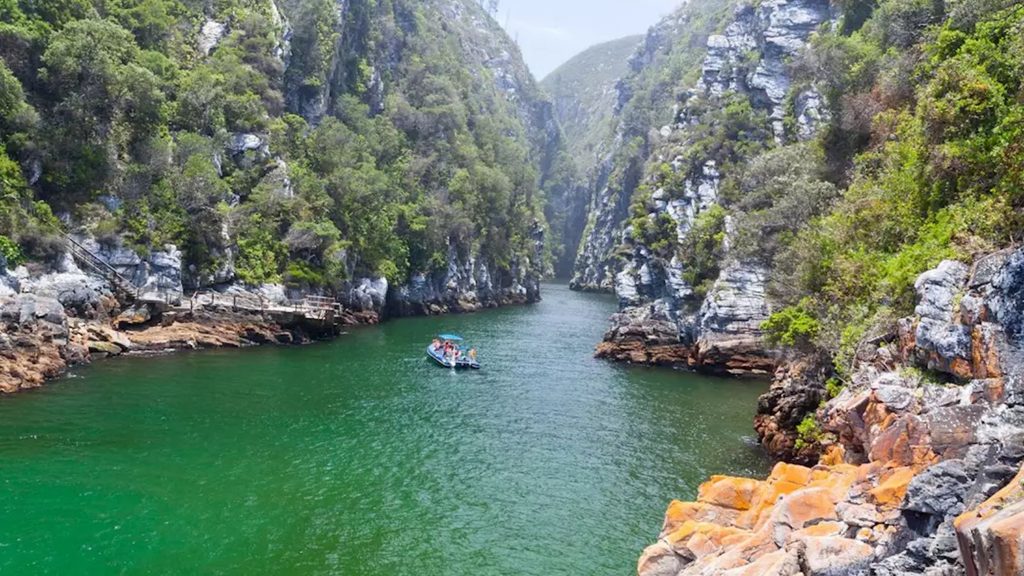
Nature’s Valley has rejected the opportunity to develop in the way many of its peers along the Garden Route have in recent decades.
As road infrastructure improved along the route, small towns became hubs for tourists and retirees from South Africa’s inland provinces.
The decline in service delivery in South Africa’s economic hub of Gauteng has given small towns along the Garden Route another leg up.
However, Nature’s Valley has avoided the rapid growth of its peers, despite its idyllic location within the Garden Route National Park.
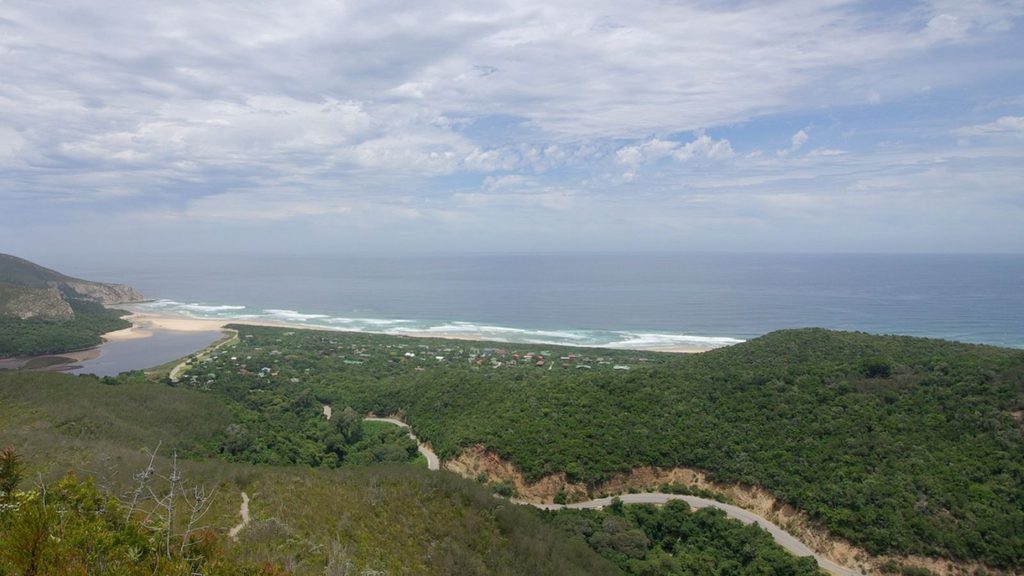
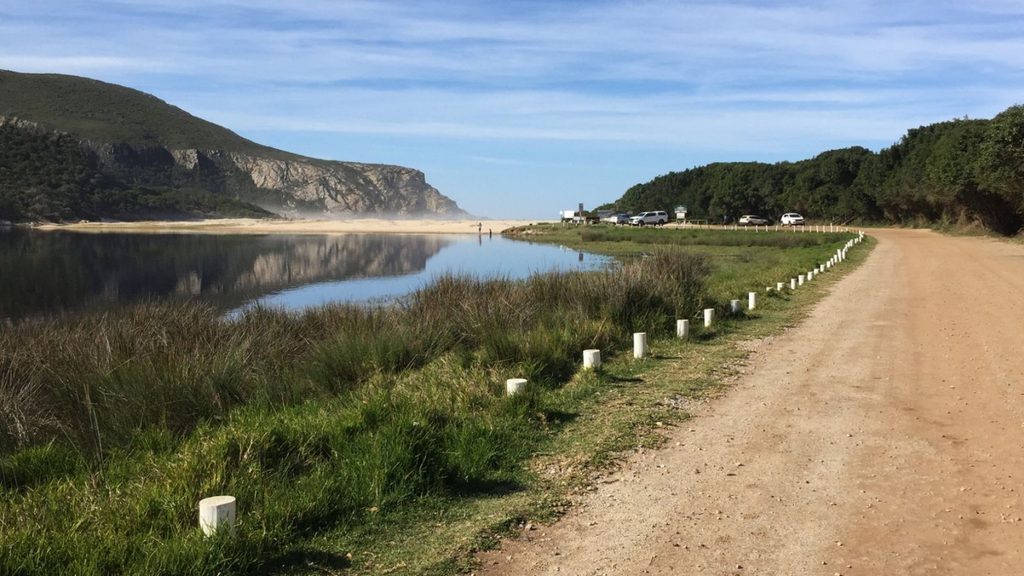
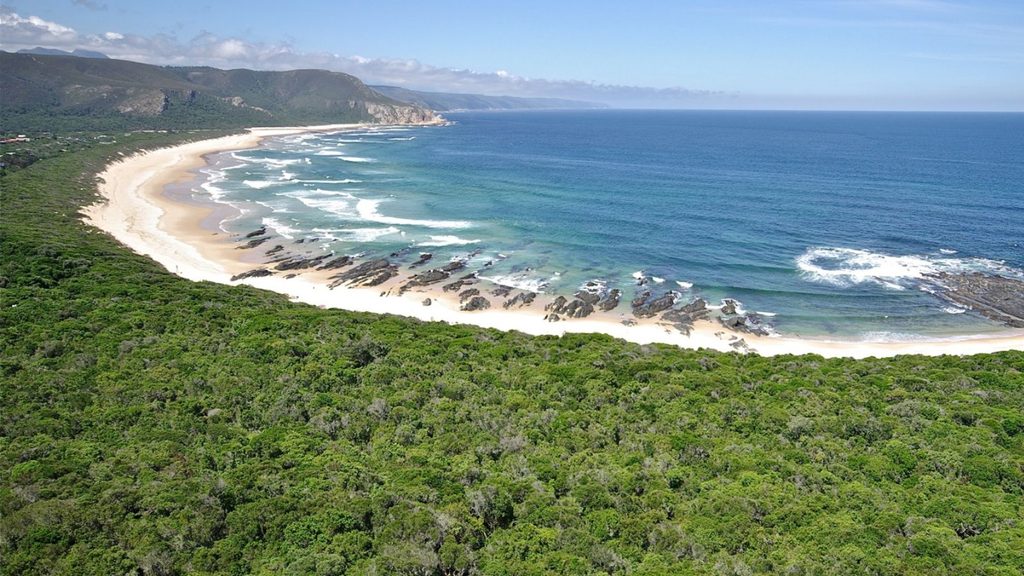
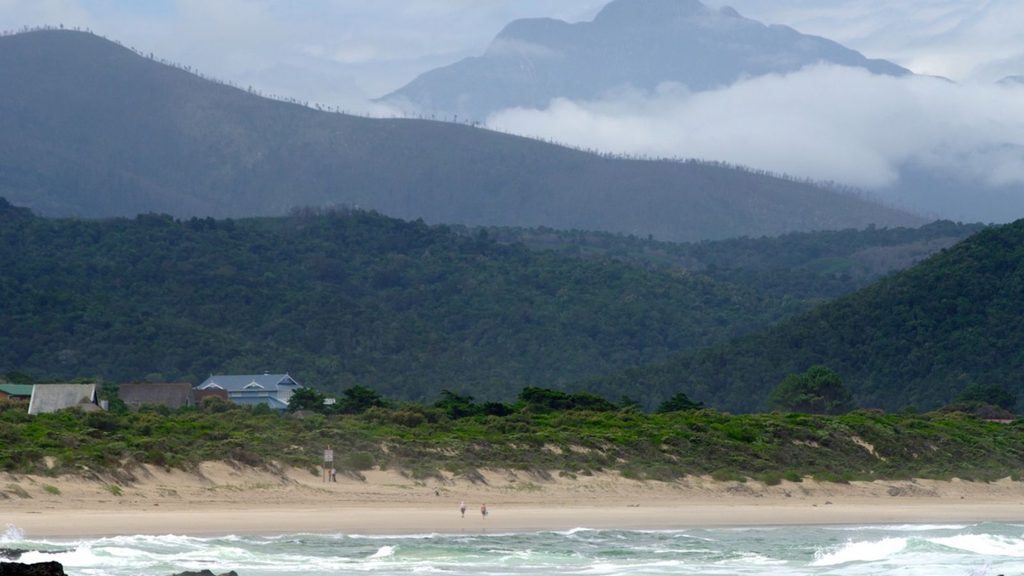
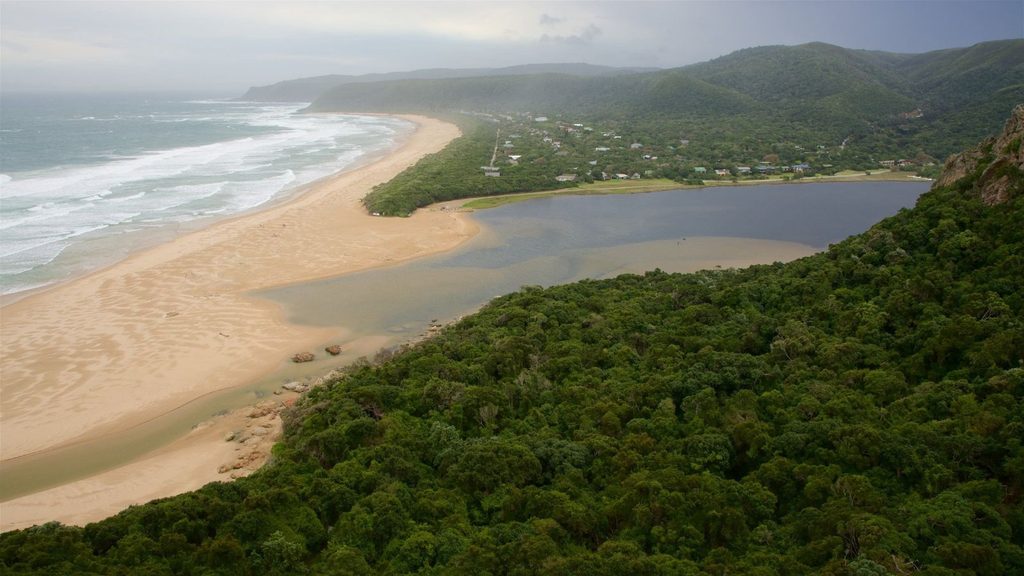
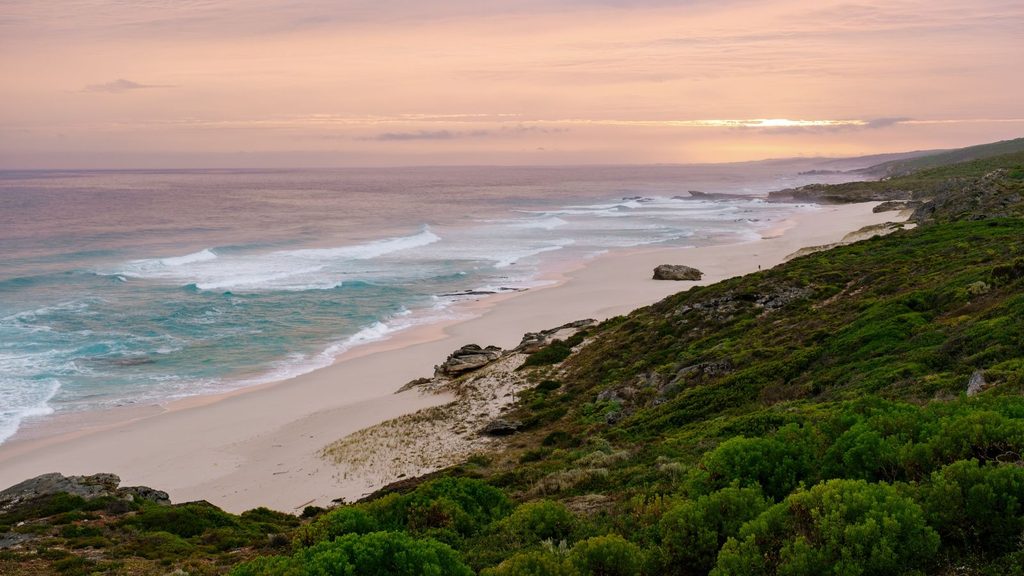
This has left the town ensconced in dense indigenous trees and mountains, with the Groot River estuary connecting it to the Indian Ocean.
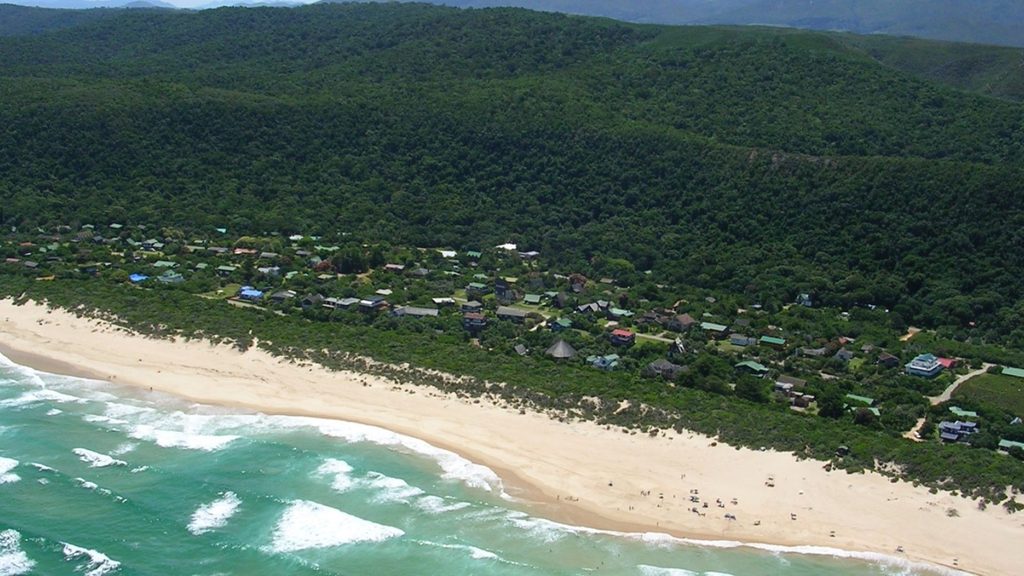
As the only residential village completely surrounded by a national park, the community operates under strict guidelines to maintain its character.
Nature’s Valley enforces a mix of municipal bylaws, national park rules, and community-driven covenants as a result.
One of the main differences between it and a typical town is the absence of streetlights, which has been a rule since electricity first arrived in Nature’s Valley in 1986.
The town decided not to install streetlights to minimise light pollution, ensuring clear views of the night sky and preventing disruption to nocturnal wildlife.
External lighting on homes is also kept to a minimum and is enforced by the local ratepayers’ association.
In keeping with its natural feel, residents are also discouraged from erecting high walls and visible perimeter fences to allow local wildlife to roam freely.
The few tarred roads in the town are kept narrow and without sidewalks to discourage driving, minimise noise, and reduce danger to animals.
Homeowners are also not allowed to trim or fell indigenous trees on their property without permission, while alien plant species are banned.
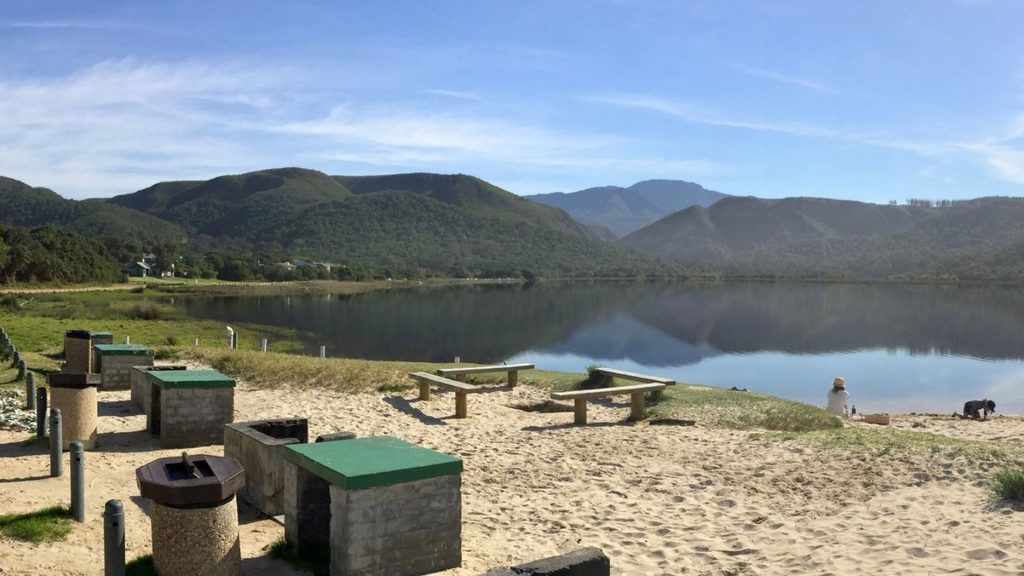
The town’s restrictions extend to the Groot River, where motorised boats and jet skis are banned. Only kayaks, canoes, and paddleboards are allowed.
Nature’s Valley also has no interest in attracting tourists, with no commercially zoned land in the town. This means no hotel chains and no shopping malls.
The town has only one shop that doubles as a restaurant, a campsite, and holiday homes.
Nature’s Valley photos




Comments