103-year-old Eskom is obsolete in its current form


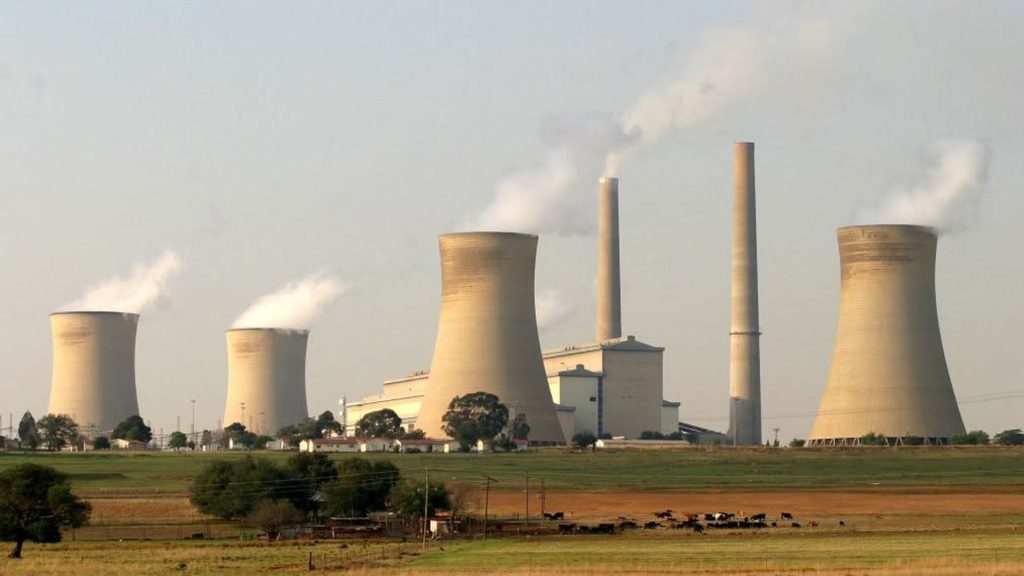
Eskom is obsolete in its current form in South Africa, with the utility being unable to operate in an open, competitive electricity market.
Such a market is envisioned by the government’s current reform agenda, with the first private-sector participants entering into competition with Eskom in April 2027.
Energy expert and EE Business Intelligence MD Chris Yelland told Newzroom Afrika this is a make-or-break moment for Eskom and South Africa.
Yelland explained that Eskom’s current structure was established 103 years ago as a single state-owned monopoly.
This worked for many years when the primary aim was to increase access to electricity, build a transmission grid, and supply heavy industrial users.
Only a state-backed monopoly could have the balance sheet and generate sufficient cash to invest in these projects.
Now, South Africa’s electricity needs are vastly different from what they were a century ago, with the primary focus shifting to cost and efficiency.
This reality has dawned on the government, which is pursuing a reform agenda to create an open, competitive electricity market.
Private players will be able to invest in and develop their own generation facilities that will compete with Eskom for customers.
Yelland said this poses a significant threat to the utility, which has never faced competition and is currently in a weak financial position.
Importantly, competition will bring prices down as companies and Eskom invest in more efficient generation technologies, such as renewables.
“The market liberalisation is critical to bring future stability, not just to Eskom but to the entire electricity supply and distribution industry,” Yelland said.
“It is absolutely critical because the structure, as it is now, was set up 100 years ago, and it is not working in today’s environment.”
“The world has changed significantly, and the structure of Eskom needs to be changed to accommodate this reality.”
Ending a 103-year monopoly
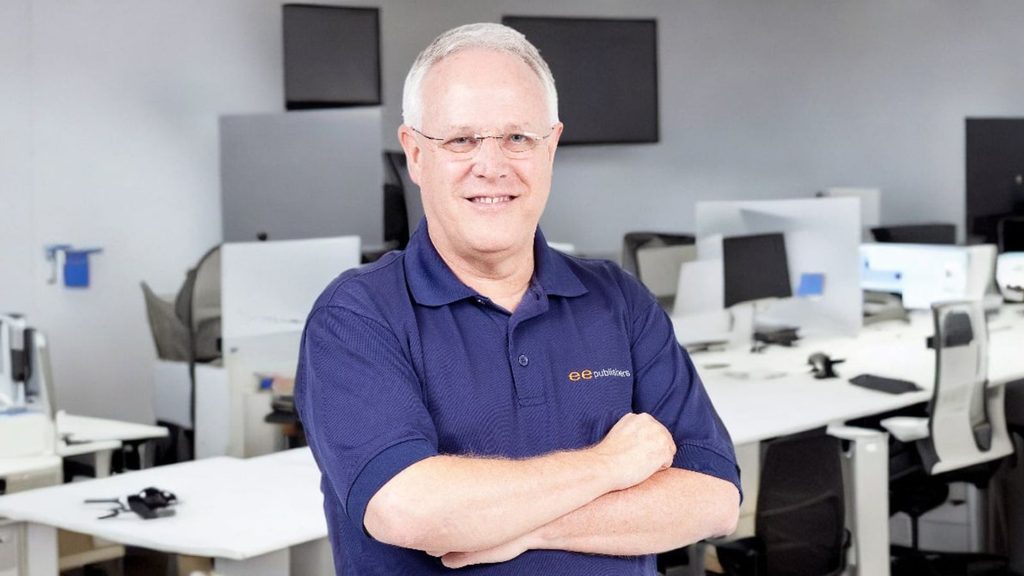
Yelland said that moving away from a state-owned monopoly is extremely difficult and messy, with a lot of competing interests at play.
The creation of a competitive electricity market has historically been a political hot potato, with successive administrations failing to create one.
More recently, Eskom has pushed back against the timeline of the creation of such a market and, in particular, its requirement to unbundle transmission assets.
To create the open market, Eskom will have to transfer its transmission grid assets to the National Transmission Company of South Africa.
This creates significant financial challenges for its debt covenants and asset base, raising questions among bondholders about Eskom’s sustainability.
Regardless, the unbundling and reform process appears to be continuing at pace, with President Ramaphosa and the government coming out in support.
“There is always some level of uncertainty with a process like this and the sheer scale of unbundling Eskom,” Yelland said.
“But, I find it refreshing to hear the minister give a clear commitment to reform, restructuring and unbundling. That gives me hope it will be seen through.”
Another aspect of Eskom’s transformation that gives Yelland hope is the creation of Eskom Green, which will make the utility more competitive.
“Eskom Green is something that is very new. It has not been operationalised yet. The plans are in place, but it still needs to be executed,” he said.
“That is new, and it will ultimately result in lower electricity costs in years to come, which will filter through to Eskom’s prices.”
Yelland said it will be a tough ask for Eskom to end its reliance on the government for financial support, given its debt burden and headwinds.
He said that Eskom would struggle to survive without government bailouts, considering the rise in municipal debt to R120 billion.
This is projected to hit R450 billion in a decade if nothing is done, which will effectively undo the government’s latest debt relief package for Eskom.





Comments