The 140-year-old South African small town with a preserved Victorian village that attracts famous politicians, writers and sports stars from around the world


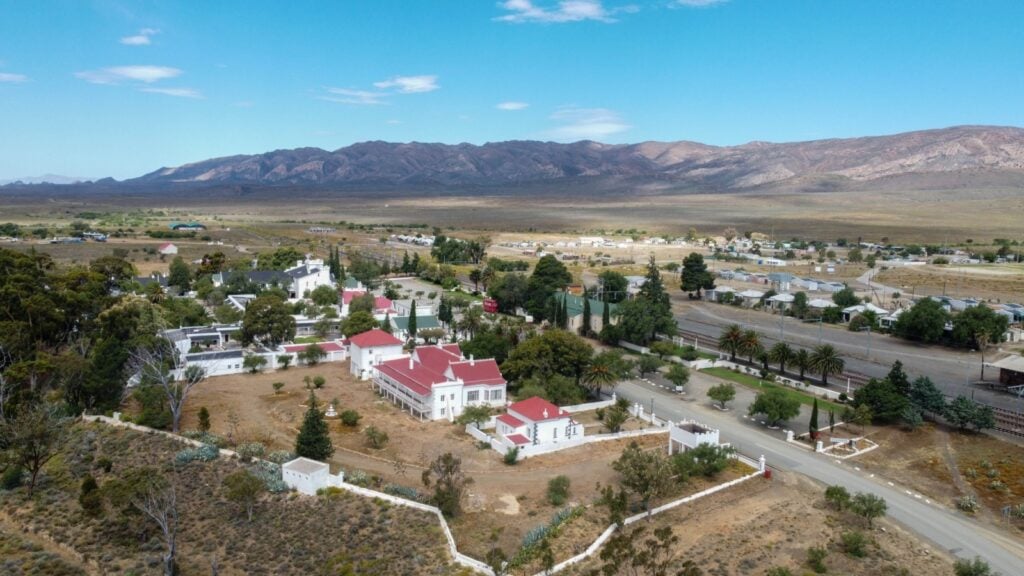
Since being founded in 1884, the Victorian village of Matjiesfontein in the Karoo has preserved its historic character, attracting famous politicians, writers and sports stars for over 100 years.
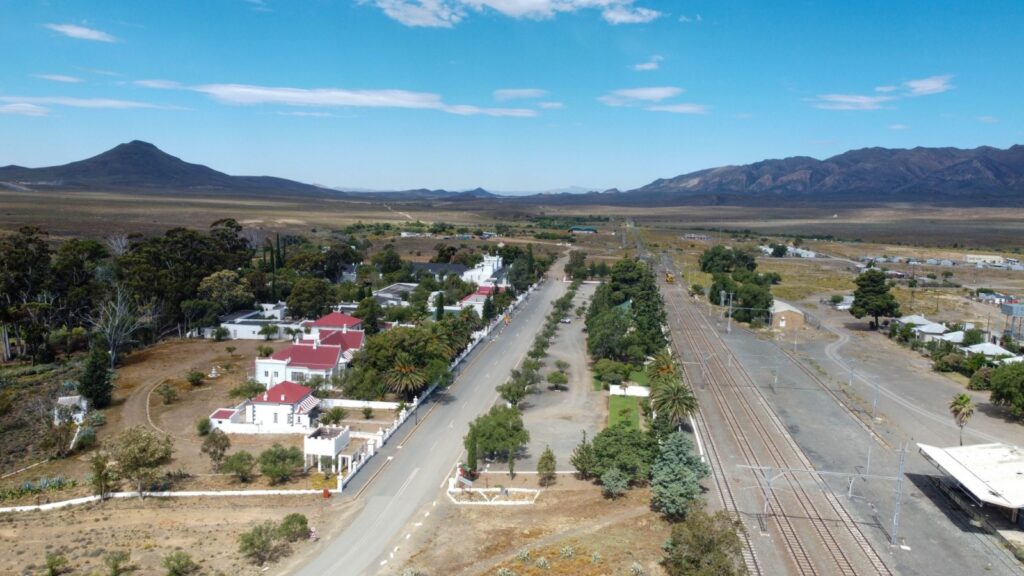
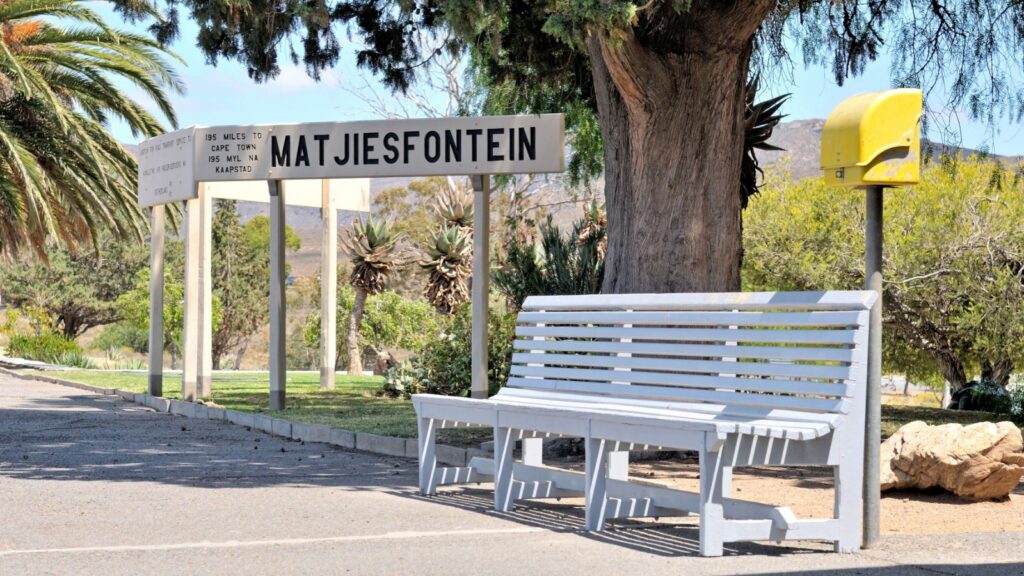
Located in the Karoo between Cape Town and Beaufort West, Matjiesfontein is one of South Africa’s best-preserved historic villages.
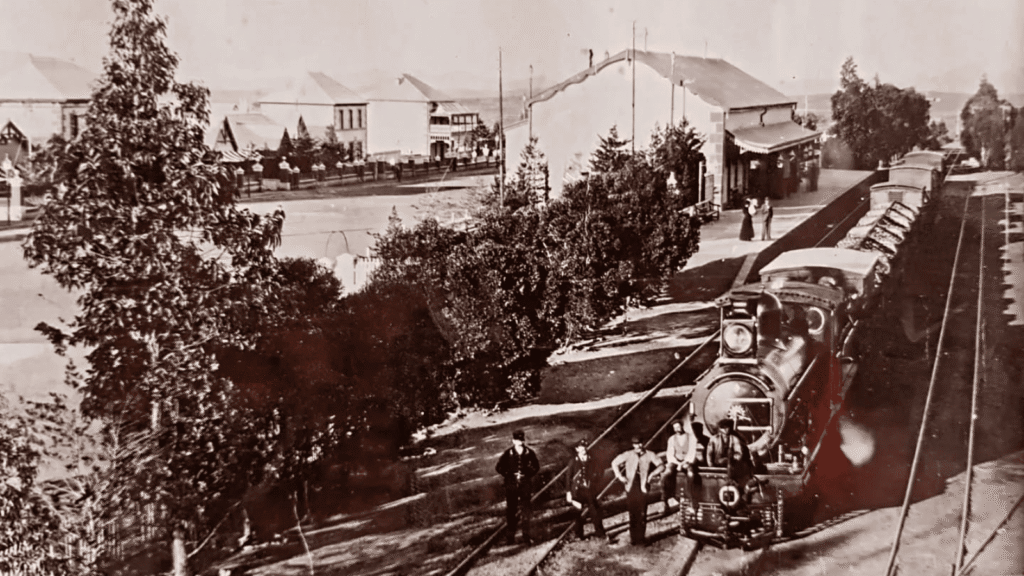
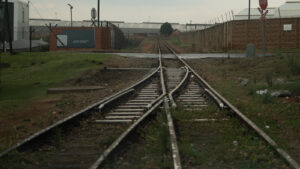
The settlement was founded in 1884 by Scottish railwayman James Douglas Logan, who recognised the area’s potential as a stop along the expanding railway line through the Karoo.
He developed hotels, railway facilities and public buildings, transforming the remote settlement into a destination in its own right.
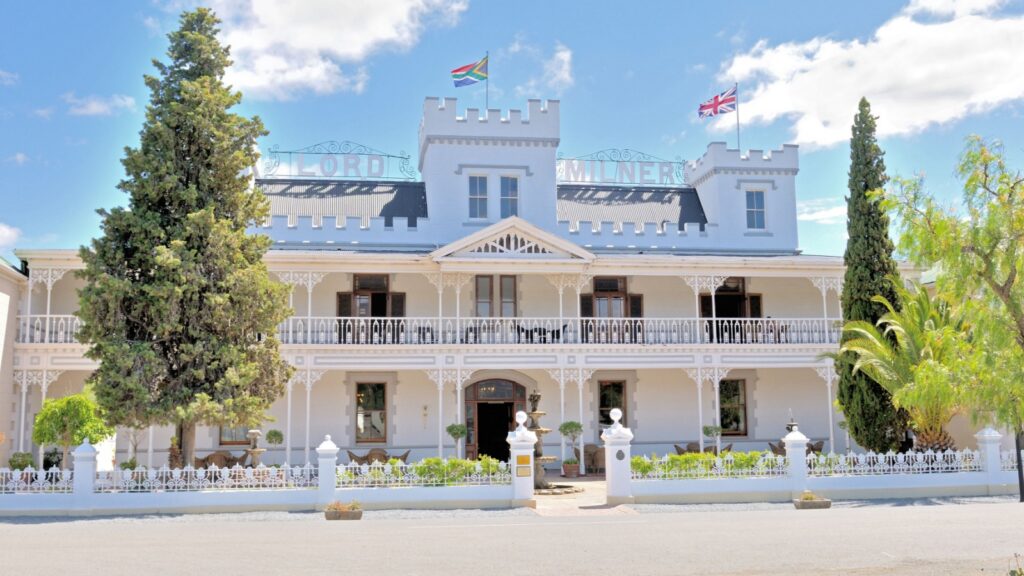
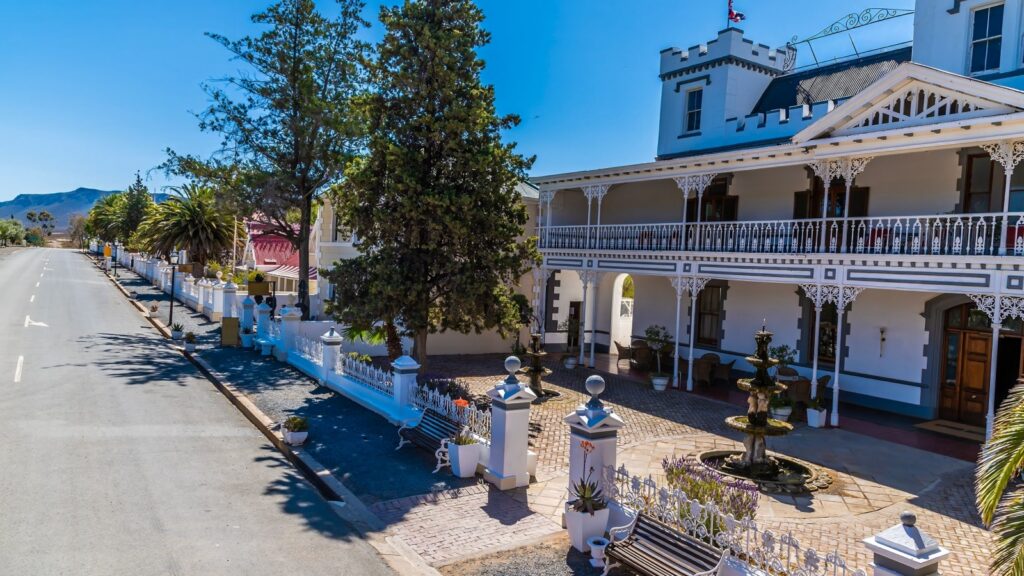
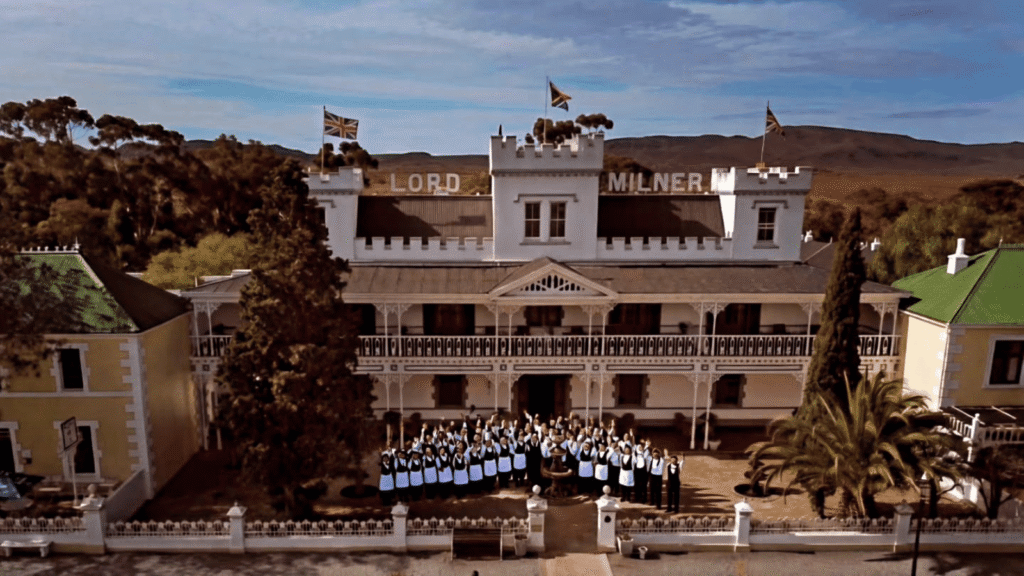
Among his most ambitious projects was the double-storey Milner Hotel, which was completed in 1899 during the early stages of the South African War.
It wasn’t long before the region grew into a fashionable Victorian health spa that attracted visitors seeking the Karoo’s dry climate.
However, the town soon saw a major change when the Milner Hotel was used as a military hospital during the conflict.
Its central turret was used as both a lookout point and a machine-gun post. Around 10,000 British troops were stationed around the village during the war.
Beyond its military and architectural history, Matjiesfontein also became associated with several notable historical figures.
English cricketer George Lohmann spent his final years in the village because of its climate and is buried alongside Logan near Matjiesfontein.
Writer Olive Schreiner also lived in the village during the early 1890s, where she continued her literary work and political activism.
Other prominent visitors included Cecil John Rhodes, Rudyard Kipling and Lord Randolph Churchill, father of Winston Churchill.
After Logan’s death in 1920, the village gradually declined before hotelier David Rawdon purchased Matjiesfontein in 1968.
Rawdon, who was also known for restoring several other historic South African hotels, undertook extensive renovations while preserving the village’s Victorian character.
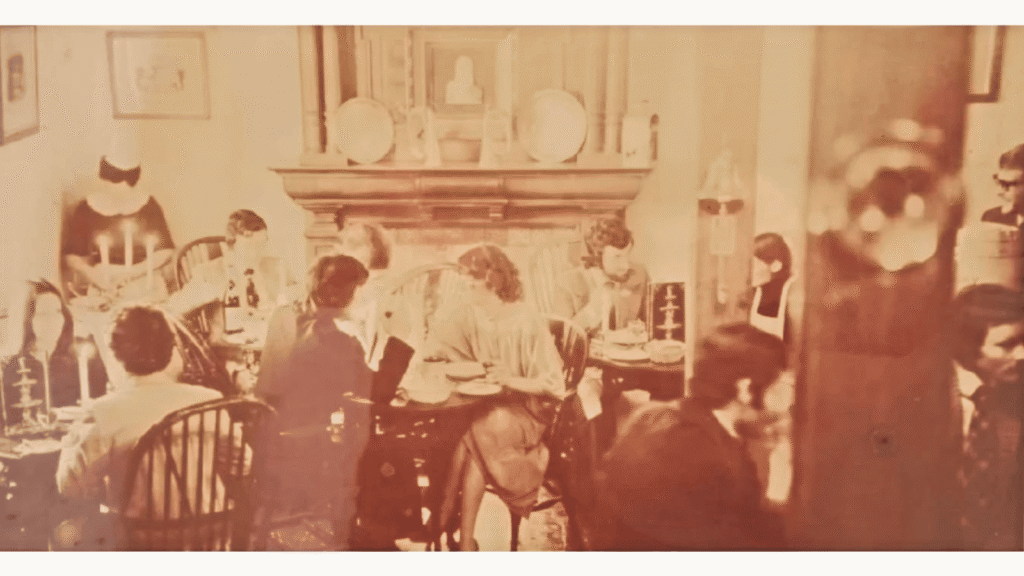
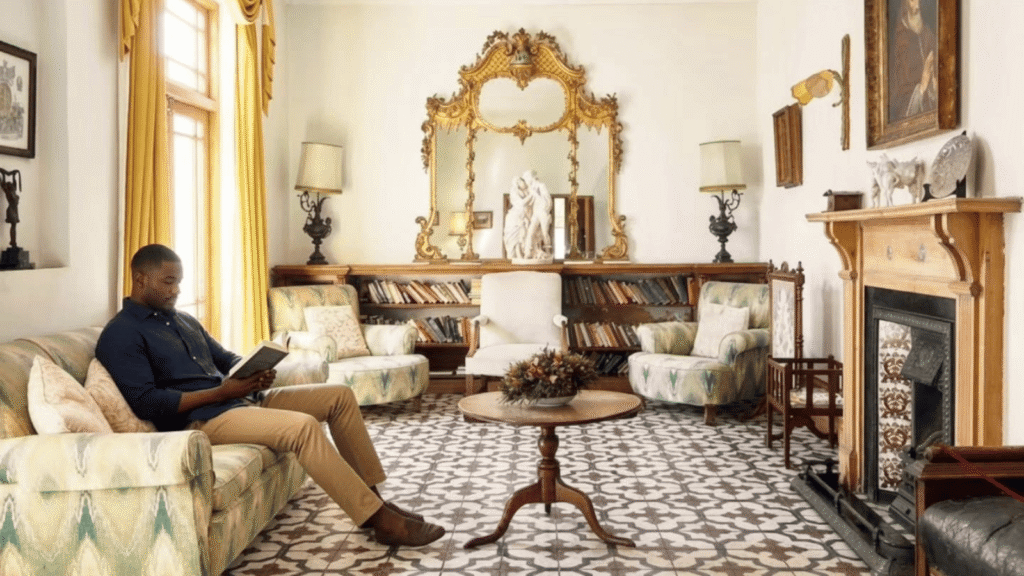
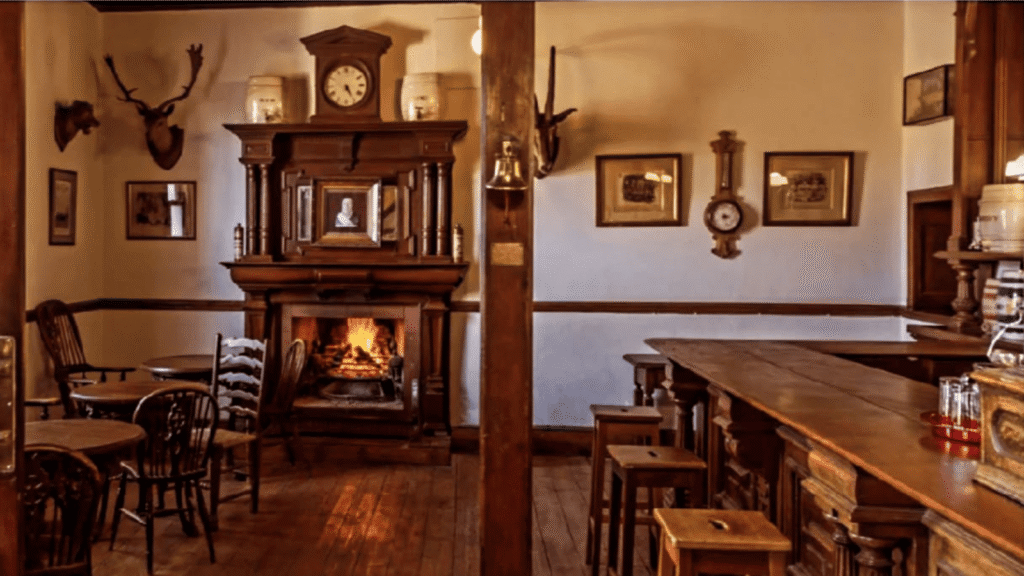
He reopened the hotel in 1970 as The Lord Milner Hotel and filled many of the buildings with antiques collected during his travels.
His efforts helped secure National Heritage Site status for the entire village in 1975, ensuring that Matjiesfontein’s unique architecture and history would be protected for future generations.
Matjiesfontein today
Following Rawdon’s death in 2010, his family continued managing the village, with ongoing restoration projects aimed at preserving its historical integrity while expanding accommodation and visitor facilities.
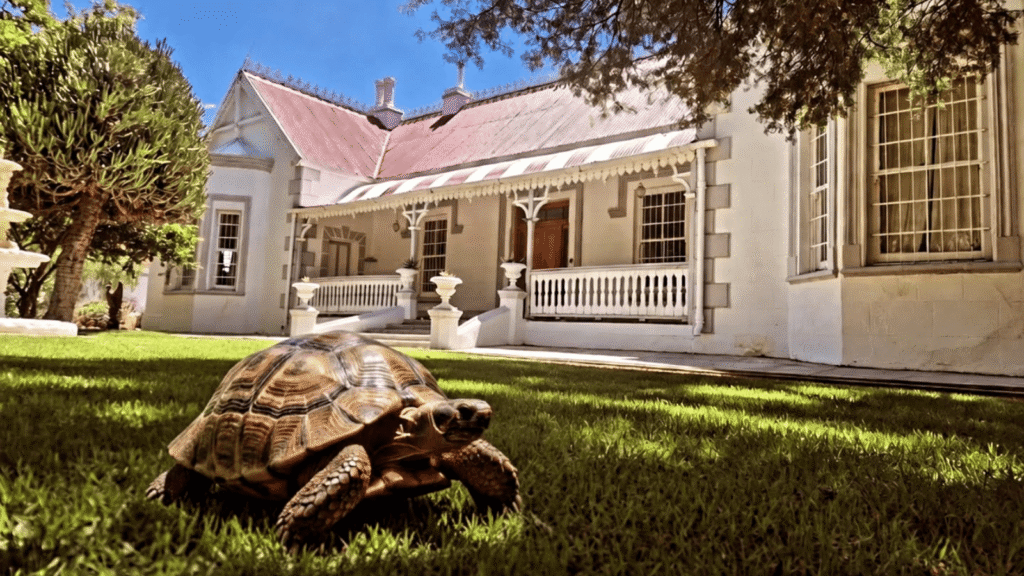
One example is Tweedside Lodge, Logan’s original homestead, which has been restored as guest accommodation. The village has also found ways to combine its history with modern operations.
In 2025, Matjiesfontein installed a large solar energy system as part of its plan to become increasingly self-sufficient.
The project reduces the village’s reliance on traditional electricity while helping preserve the surrounding Karoo environment.
According to the town, the move forms part of broader sustainability initiatives that include water-saving measures and waste reduction.
The goal is to ensure the historic settlement remains viable for future generations without compromising its heritage.
Matjiesfontein has also revived traditions from its railway past. This includes the restoration of an antique coal-burning oven, originally used at the railway station in the early 1900s to bake bread for passing trains.
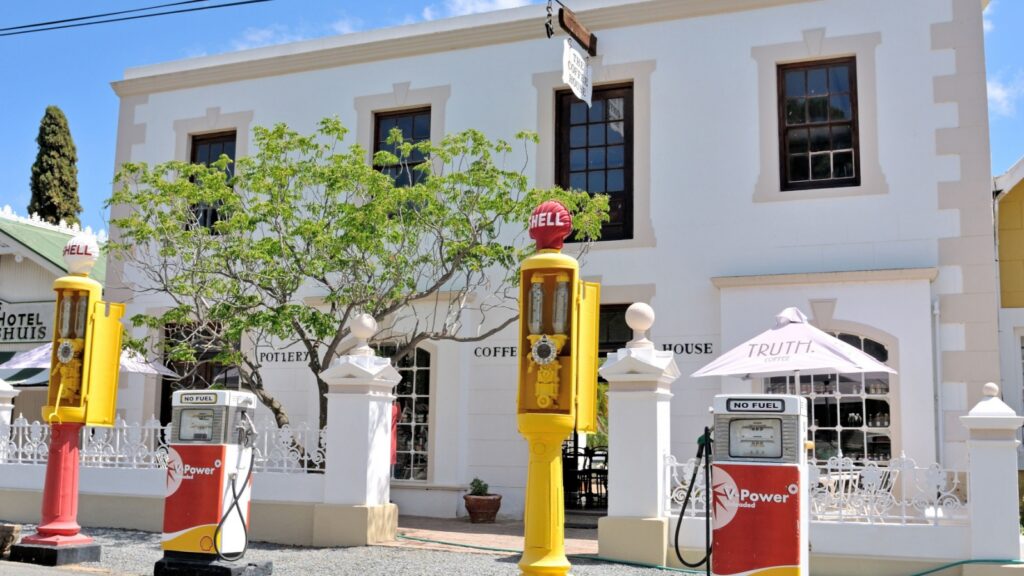
It is now used to produce fresh bread for guests staying at the Lord Milner Hotel and visitors to the village’s coffee shop.
The hotel has also worked on connecting more with the surrounding Karoo. In 2025, members of its management team joined a local farming family on a seven-day, 125-kilometre transhumance trek.
On it, they followed sheep as they were moved between seasonal grazing areas. They said the experience helped them better understand the farming traditions behind the Karoo lamb served at the hotel’s restaurant.
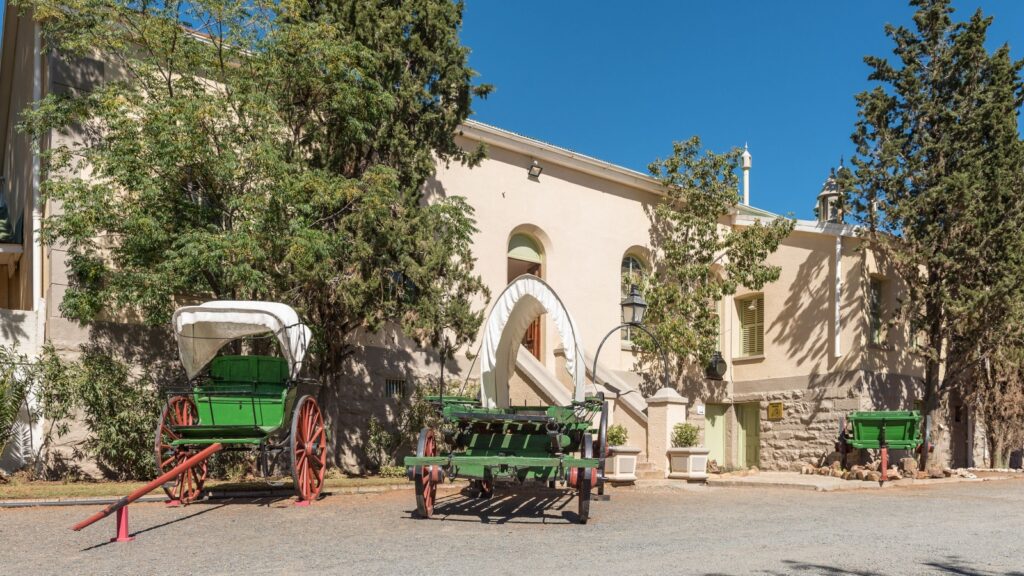
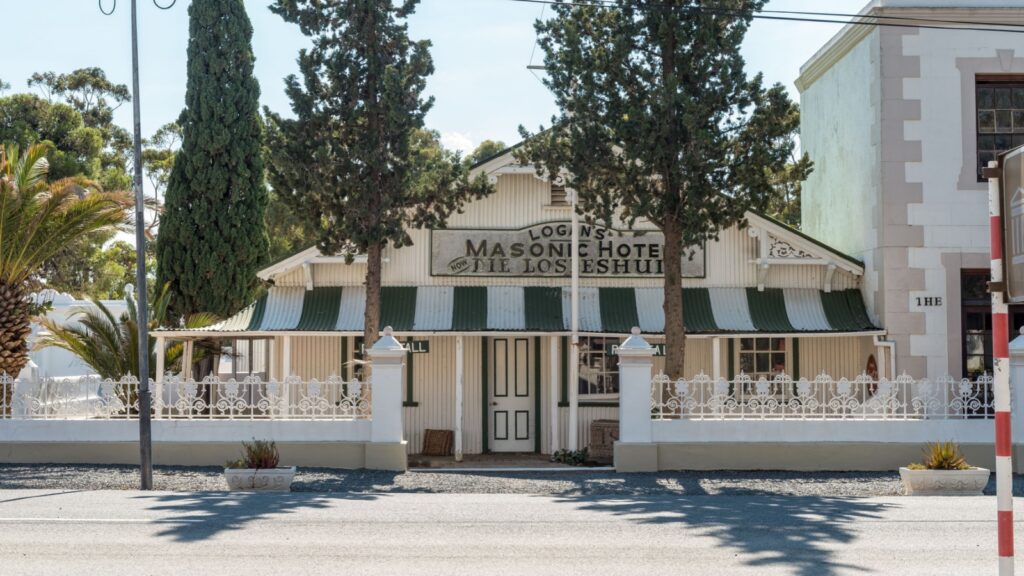
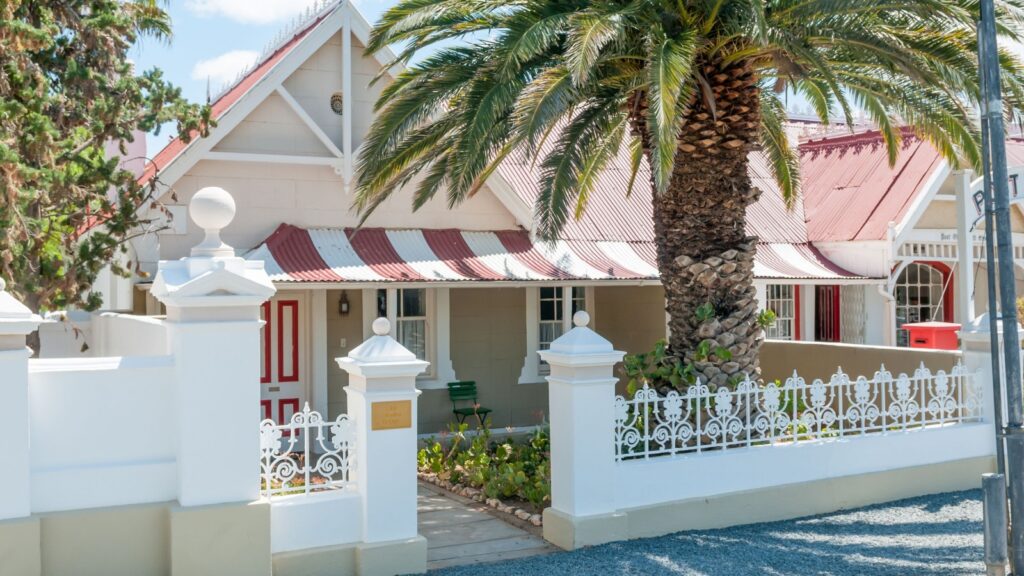
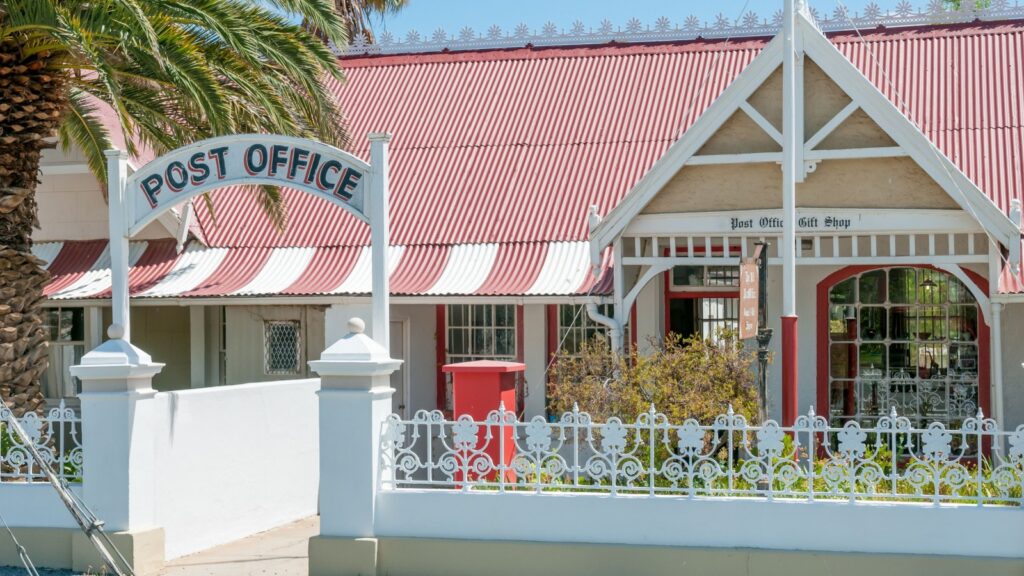
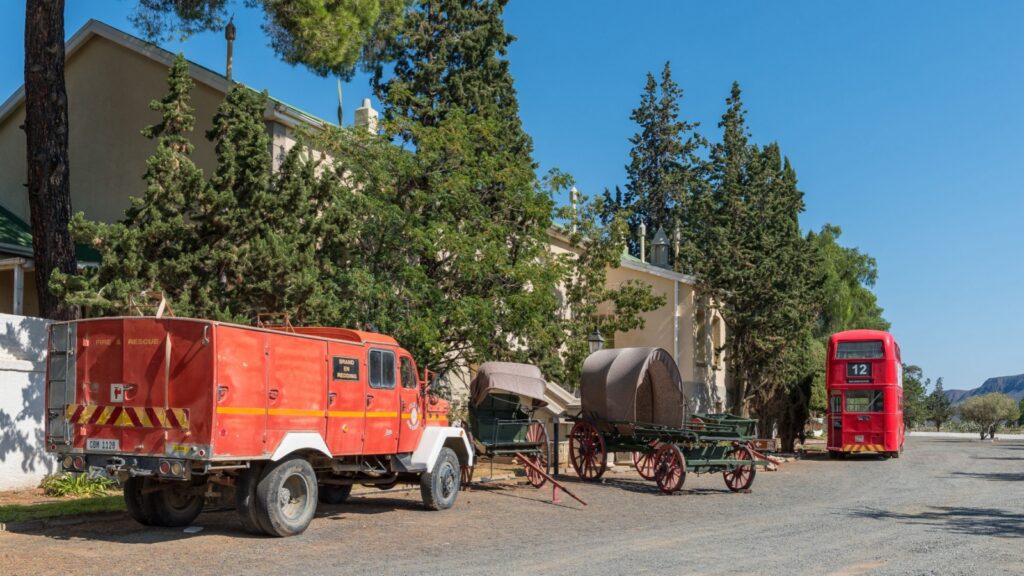
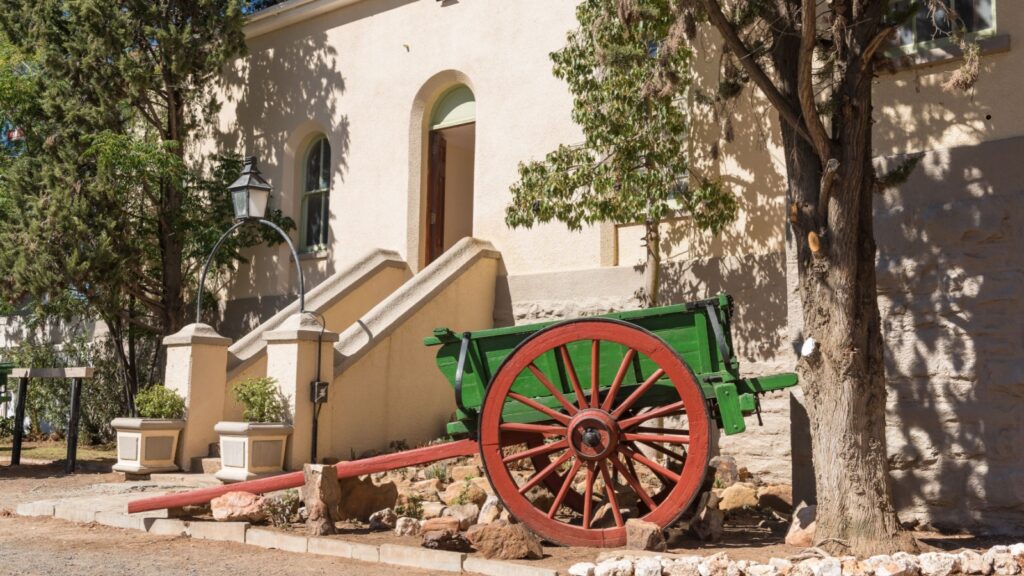
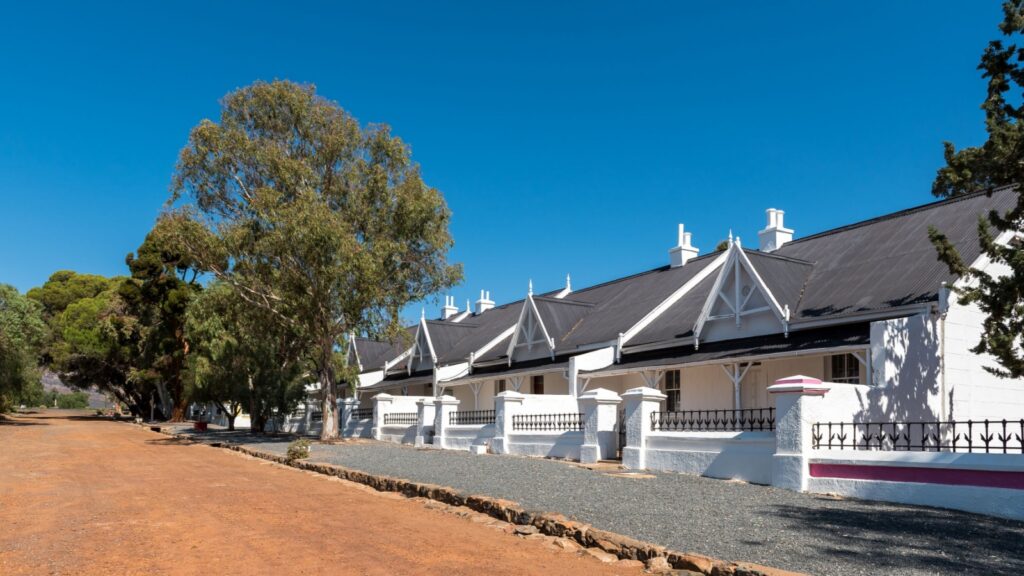
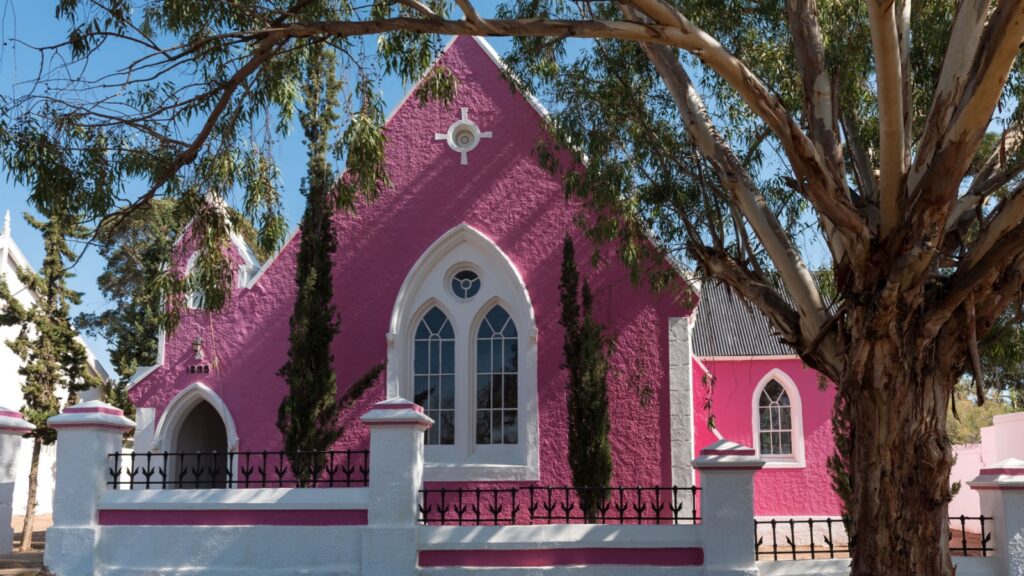
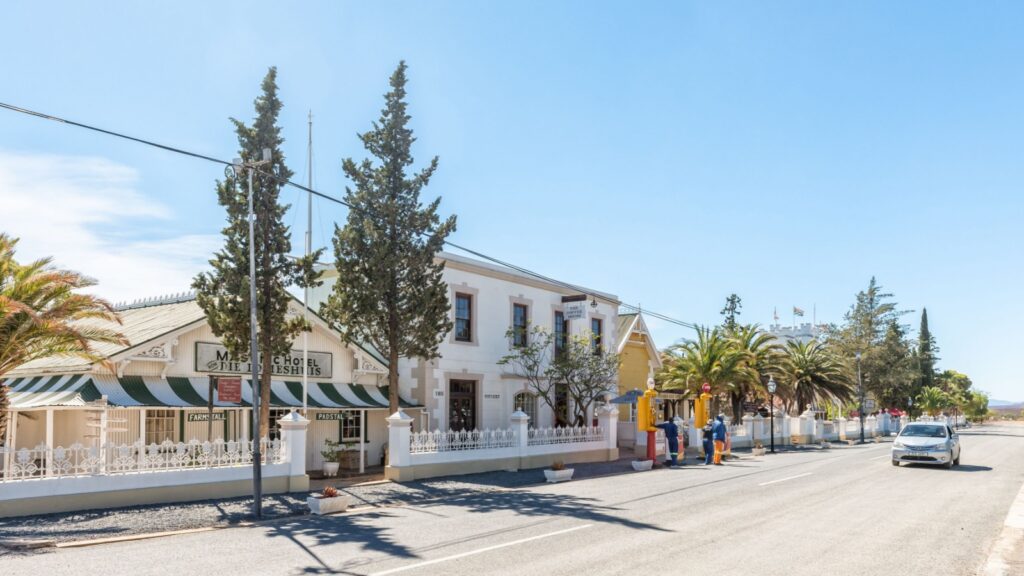
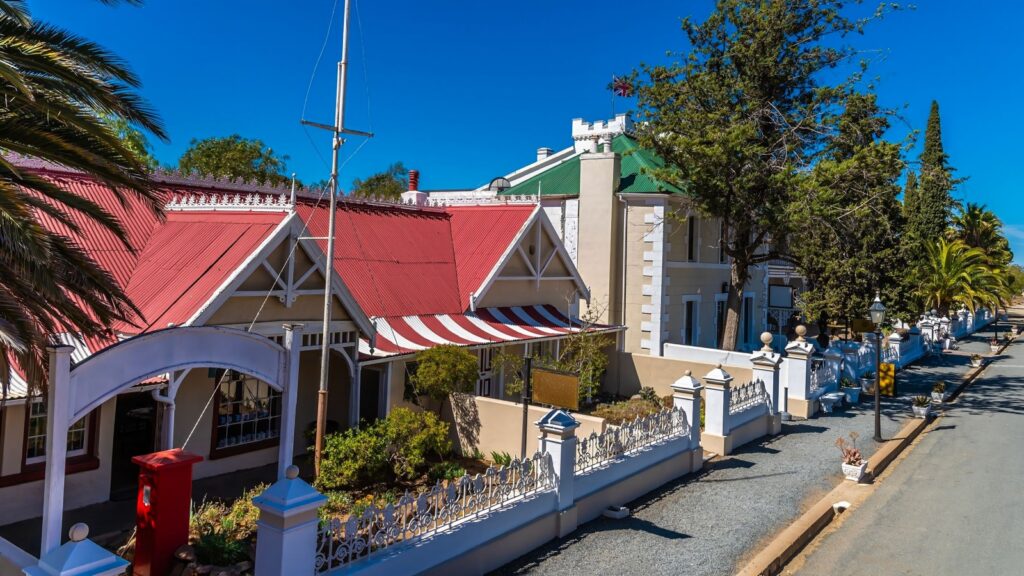
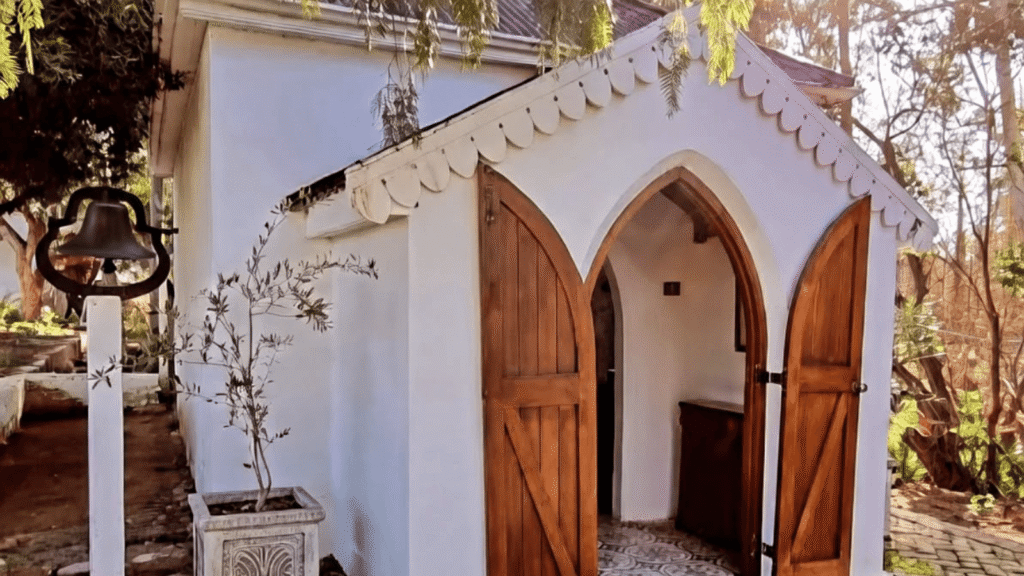
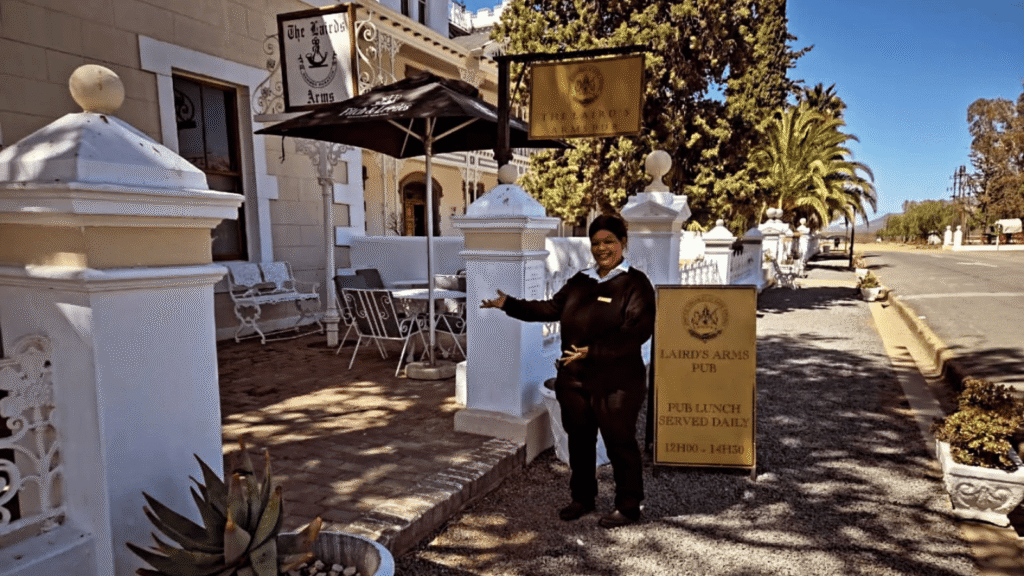
Today, more than 140 years after Matjiesfontein was founded, much of the town remains unchanged, with Victorian-era buildings lining the streets.
The historic Lord Milner Hotel remains the centrepiece of the town, and is often used to host events and weddings for both locals and tourists.
Earlier in 2026, the hotel hosted the 90th birthday celebration of Professor Ben Rawdon, brother of David Rawdon, whose ongoing involvement has helped guide the preservation of the village.
Ben, a former head of the Department of Anatomy and Cell Biology at the University of Cape Town, also continues to advise on restoration projects and historical preservation.
According to the town, his focus is to ensure visitors experience an authentic piece of South African history while protecting Matjiesfontein’s traditions for future generations.
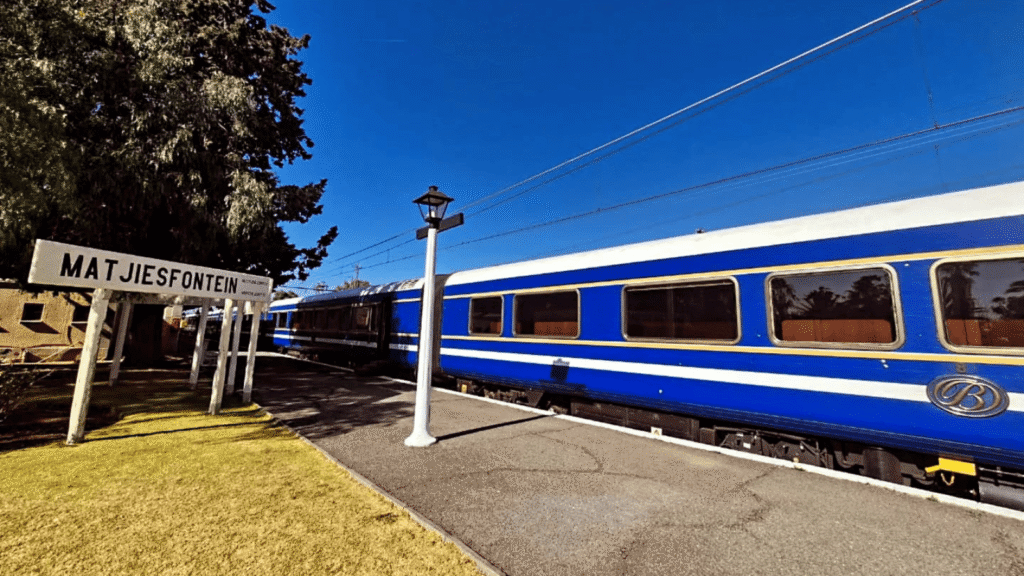
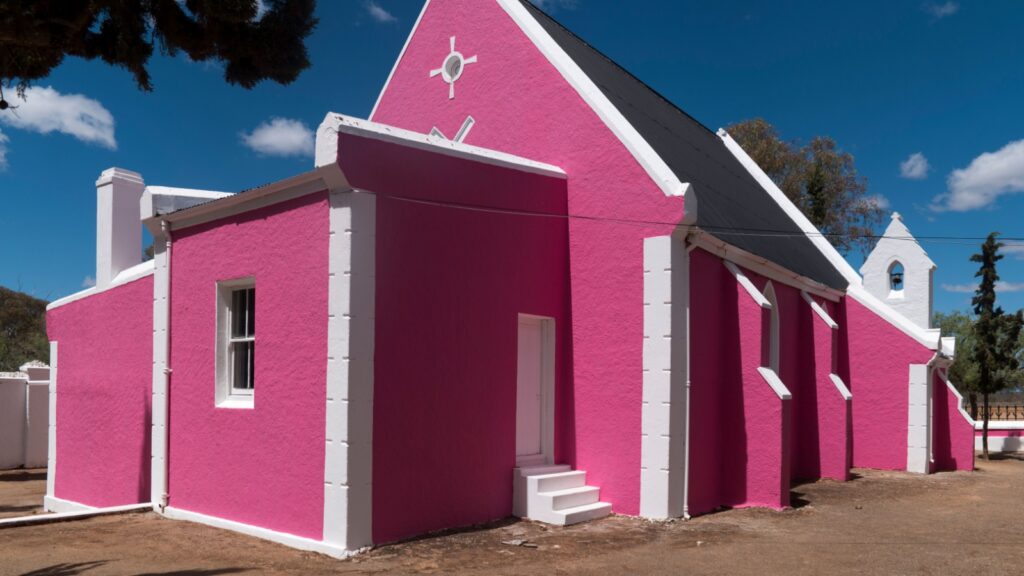
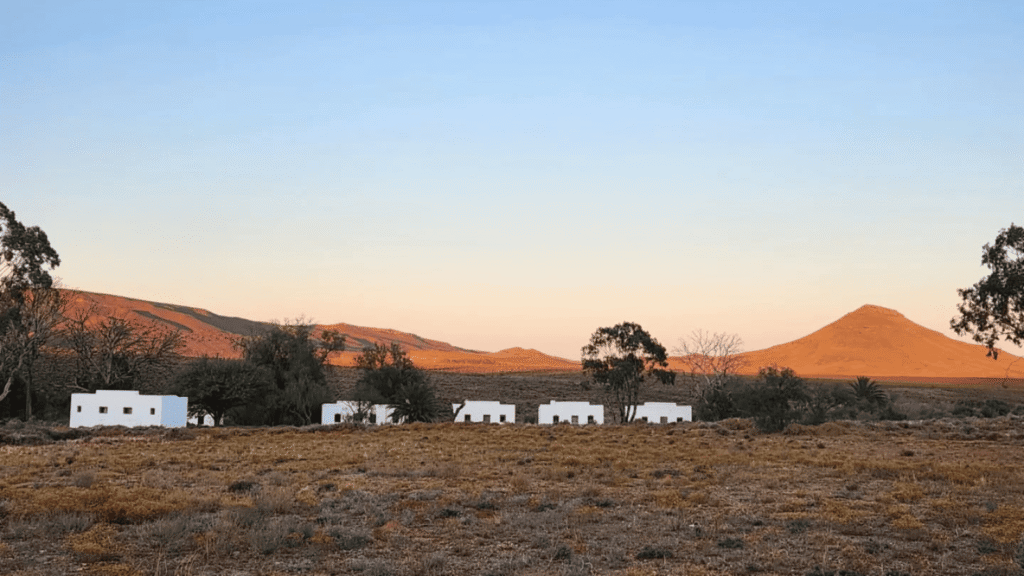
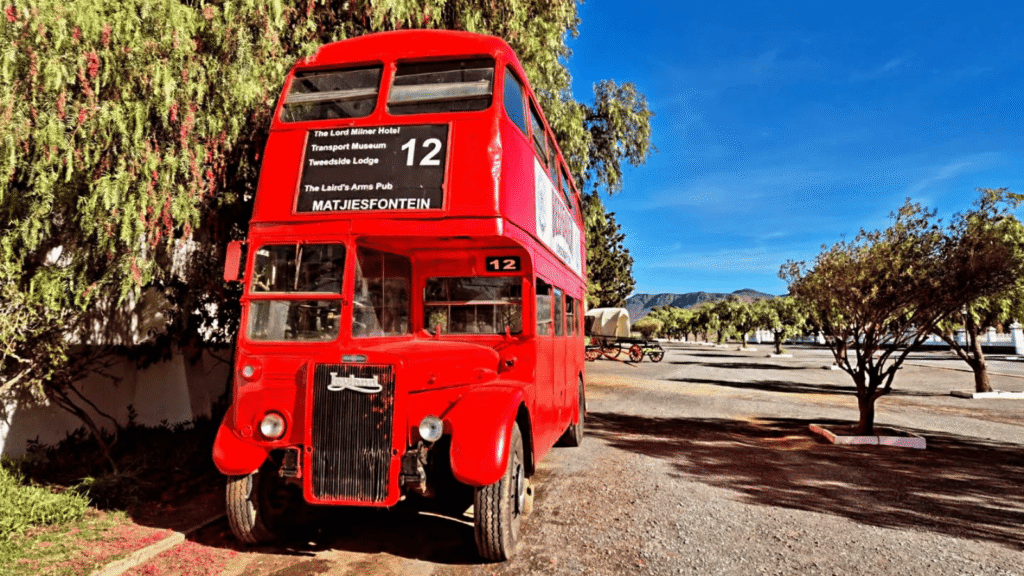
Photos of Matjiesfontein




Comments