Important information for people working from home in South Africa


South Africans working from home need to review and update their home and car insurance policies to reflect changes in home and vehicle usage to ensure they remain fully covered. Failure to do so can lead to claim rejections.
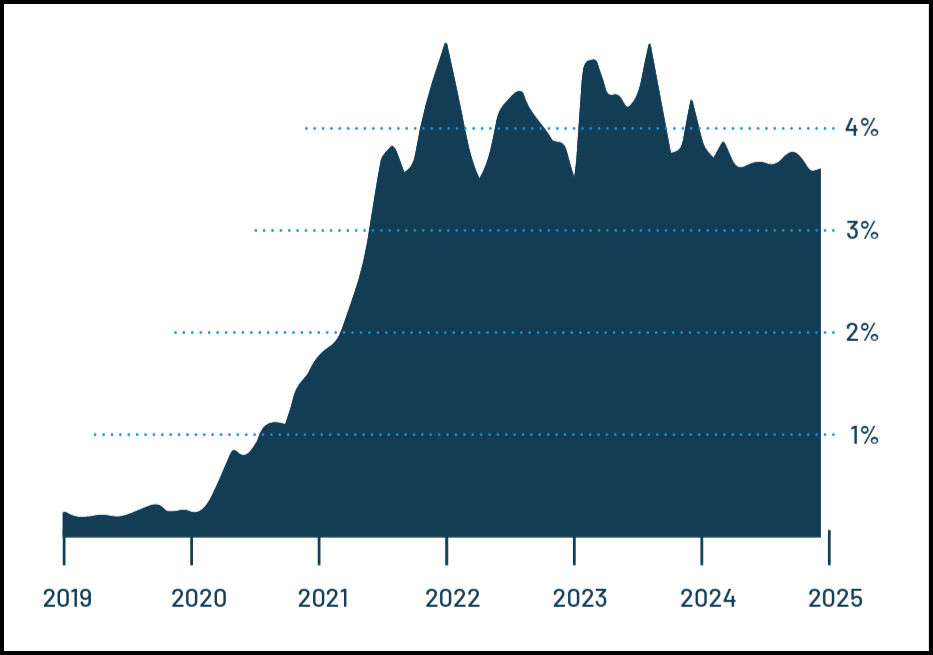
In 2019, remote and hybrid work was almost unheard of, with only 0.2% of vacancies being fully remote or partly remote job opportunities, Career Junction’s Employment Insights Report for the fourth quarter of 2024 explained.
Since then, there has been noticeable growth in remote working jobs, largely fuelled by the Covid-19 pandemic.
Recently, remote and hybrid work arrangements have started to decline as the return-to-office trend has gained momentum around the globe.
This includes America’s biggest bank, JP Morgan Chase, Amazon, Dell, the Washington Post, and Citigroup. Local employers have also followed this trend.
For example, in February 2024, Vodacom CEO Shameel Joosub ordered senior staff to return to the office, ending the company’s blanket hybrid work-from-home policies
Looking at the local job market, there has been a reduction in vacancies which offer remote or hybrid working options since 2023.
While about 4.3% of all jobs were remote or hybrid positions in 2023, in 2024 there were only 3.7% of jobs allocated to hybrid or fully remote job roles.
However, while there may have been a recent reduction in work-from-home opportunities in South Africa, this work arrangement is still significantly more common than it was a few years ago.
Many companies, especially those in the technology sector, continue to embrace these models to attract and retain top talent.
The graph below tracks the growth of remote and hybrid work opportunities from 2019 to 2025, according to Career Junction’s Employment Insights Q4 2024 Report.
Insurance warning for South Africans working from home
The working-from-home option does impact how South Africans use their homes and vehicles and must be considered when it comes to protecting these important assets.
Many people embrace the convenience of home offices, but only a few may realise that this work-life balance could have significant implications for their insurance policies.
Nomie Nxumalo, executive head of People and Transformation at MiWay, urged South Africans to review their home and car insurance to ensure they remain adequately covered if they opt to work from home.
This is because the integration of workspaces into personal residences brings about particular dynamics to home usage.
Many homeowners have invested in expensive office equipment, increased their reliance on home internet, and even started running businesses from their residences.
However, failing to inform insurers about these changes could lead to gaps in coverage or even rejected claims in some cases.
Nxumalo explained that most standard home insurance covers are structured around personal home use, which is how someone working in an office would utilise their home.
“Whether you’re running a business or working remotely, it’s crucial to declare to your insurer if a portion of your home is being used for business purposes.”
This is because failing to do so could result in your claims being declined or certain losses not being covered. For instance, home offices often house valuable equipment.
This includes computers, printers, and backup supplies for routers, which many people installed when load-shedding was at its worst.
Depending on the business activities, other items could include fridges and storage. These products may require extra coverage beyond a standard insurance policy and must be considered under contents coverage.
“Additionally, handling sensitive data from home can expose you to cyber threats, yet most home insurance policies do not include cybersecurity,” Nxumalo added.
Car insurance savings for remote workers

The impact of remote work extends beyond home insurance. Fewer commutes and reduced mileage could translate to lower car insurance premiums.
Insurers often assess risk based on driving frequency, and people who need to drive to the office less may qualify for reduced premiums. But it’s also essential to ensure sufficient coverage for when you are on the move.
“Consumers should take the time to chat to their insurer and update their policies to reflect their current lifestyles,” Nxumalo said.
“Those who do not drive to work daily should check with their insurer to see if they qualify for mileage-based discounts or policy adjustments.”
Additionally, if a consumer’s personal vehicle is being used for business purposes, such as for deliveries, they should check to ensure coverage.
As remote working continues to be a prevalent aspect of South African work culture, people must proactively assess and update their insurance policies.
Understanding the terms and conditions of cover can prevent potential financial setbacks and ensure sustained protection.
“The best approach is to consult with an insurance professional to tailor coverage to your specific needs, ensuring all aspects of your work-from-home lifestyle are adequately safeguarded.”






Comments