Good news about the South African rand


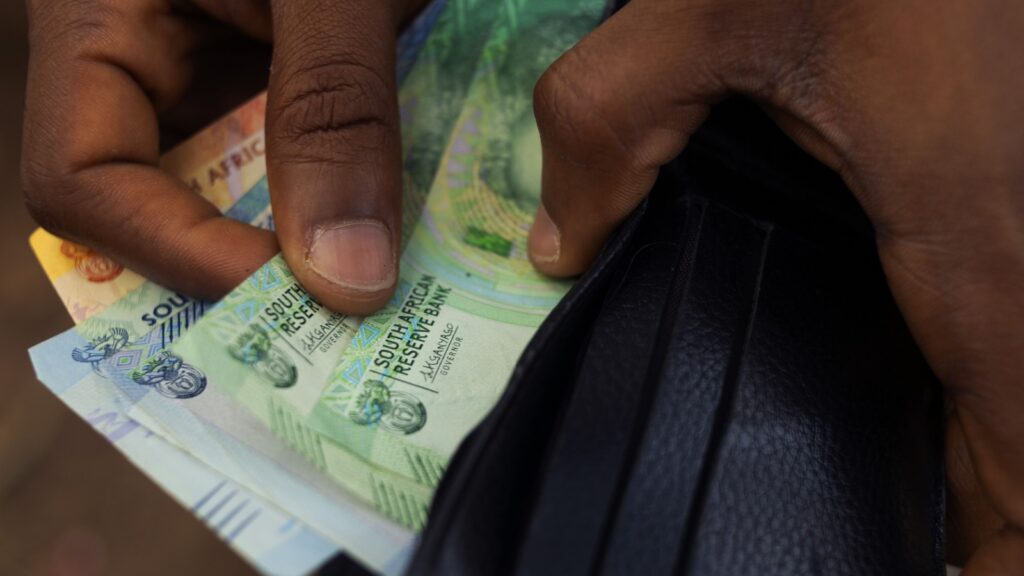
The cost of hedging against rand declines over the next 12 months has fallen to the lowest level this year as investors bet gyrations spurred by the Middle East conflict and a surprise interest-rate hold by the central bank will soon blow over.
One-year risk reversals — the difference in cost between options to sell or buy the rand — traded at 1.8 percentage points on Tuesday, the lowest level since December.
The rand slumped to a three-month low against the dollar last month after the South African Reserve Bank elected not to hike rates, even as it warned that inflation risks were rising.
The currency had already been under pressure from elevated oil prices, which have weighed on South Africa’s terms of trade since the start of the war in Iran.
Investors looking beyond those challenges, however, cite an improving economy, a credible fiscal backdrop and the central bank’s commitment to bring inflation down to its 3% inflation target as reasons for a positive longer-term outlook.
The rand could strengthen to 16 per dollar over the next year — a gain of about 3% from its current level of 16.50 — according to the median estimate of analysts in a Bloomberg survey.
“On the longer-term view, I think investors are cognizant of the real progress South Africa has made,” said Sebastian Holzbach, a fixed-income analyst at Northstar Asset Management.
“If the SARB stays relatively hawkish but we see some tangible improvements and progress in the Middle East, we could have the currency move toward the 16.00 level.”
The currency of Africa’s biggest economy plunged more than 2% to near 17 against the greenback after the central bank’s surprise rate hold on July 23, though it’s clawed back most of those losses.
“The MPC’s decision brought on the debate of a policy error or a change in the SARB’s reaction function,” Holzbach said.
“But I think the market is willing to give the SARB the benefit of the doubt as we move toward the September meeting.”




Comments