SARS sends South African employers a R13 million warning



SARS has challenged several years of a South African employer’s Employment Tax Incentive (ETI) claims, leaving it with an adjusted tax liability of R13 million.
The case shows the risks employers can face when their ETI arrangements do not meet legislative requirements or when they cannot provide the records needed to support their claims.
This is according to Tax Consulting SA’s Team Lead of Tax Technical, Bronwin Richards, who said SARS is prepared to look beyond payroll records when reviewing ETI claims.
The employer in question had an arrangement where a training facility sourced student employees, while the employer appointed them on limited-duration contracts and seconded them to the training facility for training.
The employer then reduced its PAYE liability by claiming the ETI. The arrangement appeared straightforward.
However, an audit by the South African Revenue Service (SARS) raised questions about whether the requirements of the ETI Act had been met.
The audit covered several years and resulted in adjustments to the ETI calculated over a two-year period.
SARS reversed the taxpayer’s historical ETI deductions and said that it intended to raise an additional assessment to correct what it described as invalid claims.
The audit also found that assessments falling outside the normal prescribed period could be reopened under section 99(2)(b)(ii) of the Tax Administration Act.
That provision allows SARS to reopen an assessment in cases involving negligent misrepresentation, fraud or negligent non-disclosure of material facts.
The taxpayer could also face understatement penalties, which are imposed separately from the amount of ETI that must be repaid.
From March 2025, a dedicated penalty equal to 100% of the ETI received applies in cases involving remuneration that should have been disregarded.
This means an employer whose ETI claims are disallowed could face more than simply having to repay the incentive.
The R13 million issue
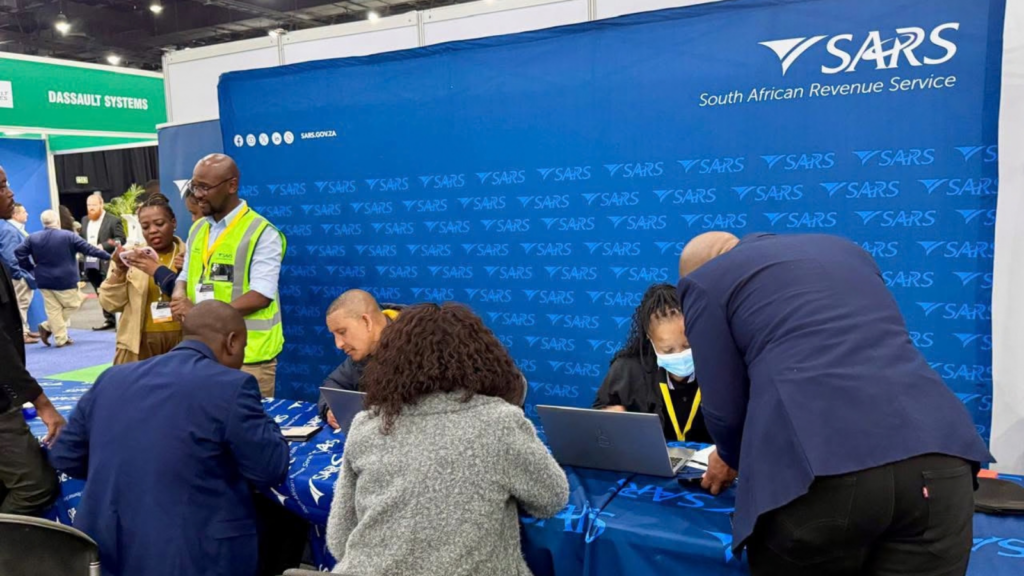
Richards explained that one of the main issues in the case was the evidence SARS requested as part of its audit.
The revenue service selected a sample of limited-contract employees and requested records, including manual attendance registers, physical training workbooks, training outcomes, marks, and certificates.
SARS also contacted some of the employees directly. It requested information showing how the 160 hours per month required under the ETI Act were divided between work and study activities.
The employer was also asked to provide proof of annual and sick leave, along with the relevant supporting documents. The employer could not provide all the requested information.
The supplier agreement had required the training facility to keep the records. However, the information was later transferred to a new training entity, which could not provide the records.
This left the employer with a problem when SARS asked it to prove that the employees had actually met the incentive requirements.
Richards said the case also raises a broader issue around the purpose of the ETI. The ETI allows employers to reduce the PAYE they pay to SARS each month when they employ young workers.
The scheme was introduced in 2013 to encourage employers to employ young people and reduce the cost of hiring inexperienced workers.
The incentive was intended as a form of government cost-sharing and to leave employees’ wages unchanged.
Employers can claim the incentive where employees meet the requirements of the ETI Act, including age and remuneration thresholds.
However, Richards said the actual purpose of an arrangement can become important when SARS tests whether a claim is valid.
The question is not simply whether an employment contract exists or whether an employee appears on the payroll.
SARS may also examine what the employees actually did, how their time was divided, who supervised them and whether the arrangement genuinely created employment.
Treasury shuts down ETI loopholes

The ETI has also attracted scrutiny over the years because of concerns about possible abuse, Richards said.
National Treasury previously raised concerns about arrangements where an intermediary recruits participants, a training institution provides the training, and an employer enters into employment contracts primarily to claim the ETI.
In such structures, there was concern that amounts described as remuneration could represent training fees rather than wages. Treasury and SARS responded by tightening the requirements.
Among other changes, the law clarified the meaning of “employee” and provided that an employee must assist, directly or indirectly, in carrying on the employer’s business.
According to Richards, these changes have made it increasingly important for employers to ensure that their ETI structures reflect genuine employment relationships.
She added that this case shows how far the taxman can go when testing whether an ETI claim is valid.
An employer may have contracts and payroll records showing that employees were appointed, but this may not be enough if the supporting evidence does not match what was reported.
SARS can examine attendance, training, working hours, remuneration, leave and the actual work performed. The ability to produce these records can become particularly important when claims cover several years.
Richards warned that employers should not wait for SARS to identify weaknesses in their ETI arrangements. Current and historical claims should be reviewed against the evidence that SARS is likely to request.
This includes checking whether employees performed work for the employer, whether the required hours were met, and whether training records are available.
Employers must also ensure that the employment arrangement meets the requirements of the ETI Act.