The tiny South African town in the middle of nowhere that has one of the world’s largest solar and battery-storage facilities


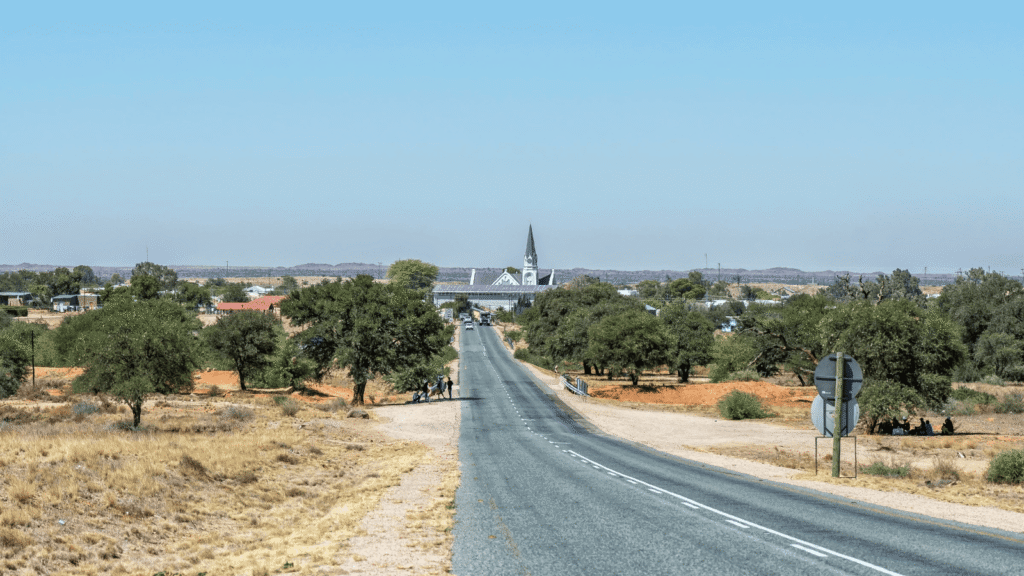
The small Northern Cape town of Kenhardt is becoming an important centre for renewable energy, with a major solar and battery-storage project bringing billions of rands in investment to the area.
Kenhardt is known for its remote location, sheep farming, and solar and battery storage facilities, which are the largest in South Africa.
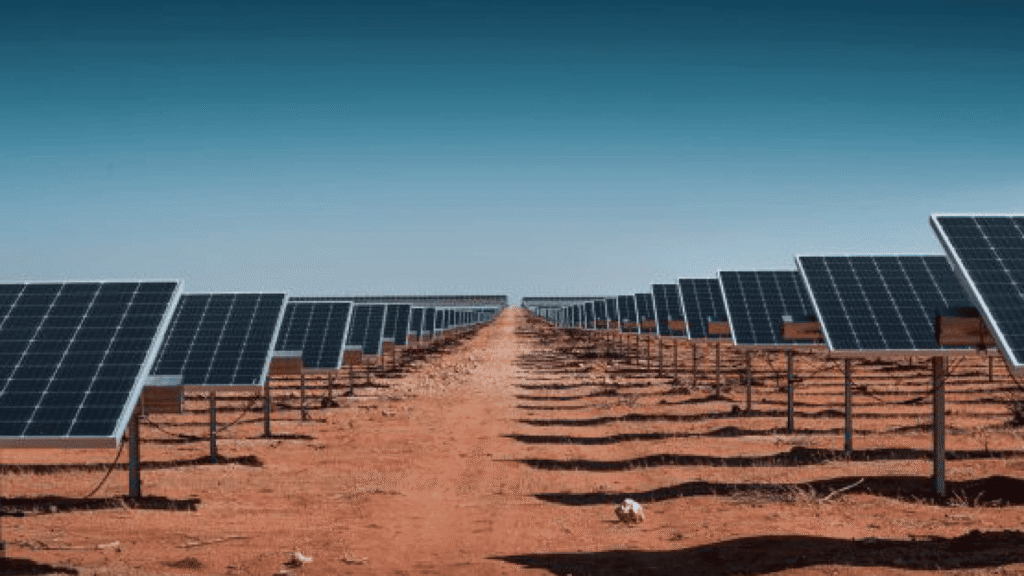
The project, developed by Norwegian renewable energy company Scatec, combines 540 MW of solar generation capacity with 1,140 MWh of battery storage.
However, while the town may be an unexpected powerhouse today, it started as a small police outpost in the northwestern Cape Colony in 1868.
The area had a reputation as a frontier region, with livestock theft and conflict between different groups of settlers and local communities commonplace.
In 1868, the Cape colonial government sent magistrate Maximillian Jackson and 50 policemen to establish an outpost. The police party arrived on 27 December after fighting its way to the settlement.
They found two small shacks on the banks of the Hartbees River and established a camp beneath a large camelthorn tree. Kenhardt eventually became a municipality in 1909.
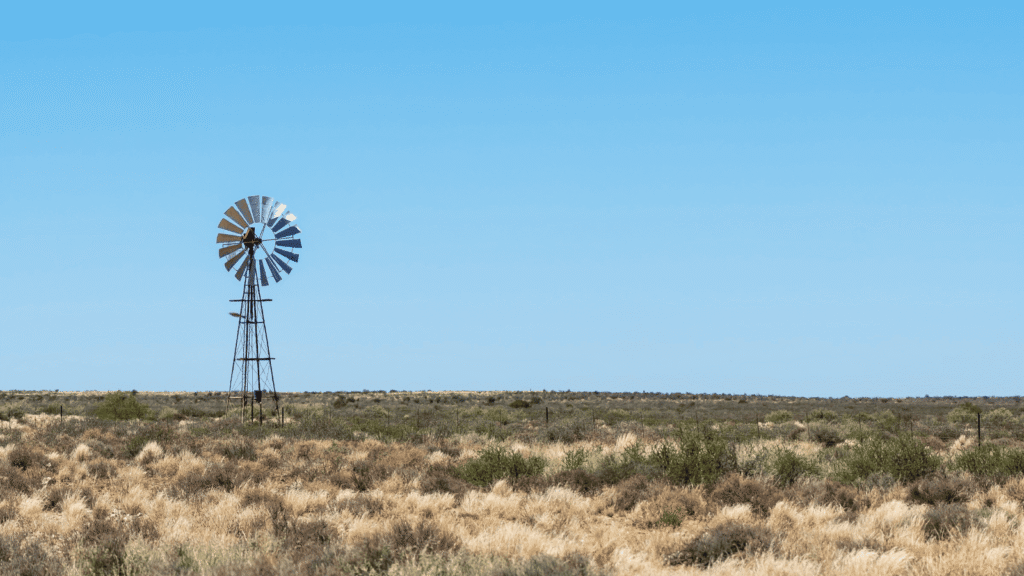
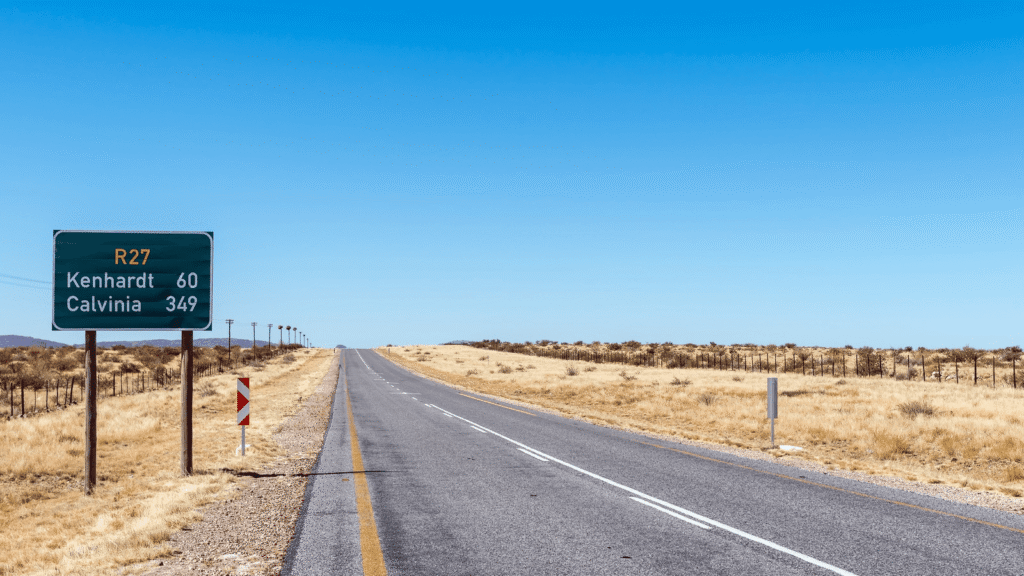
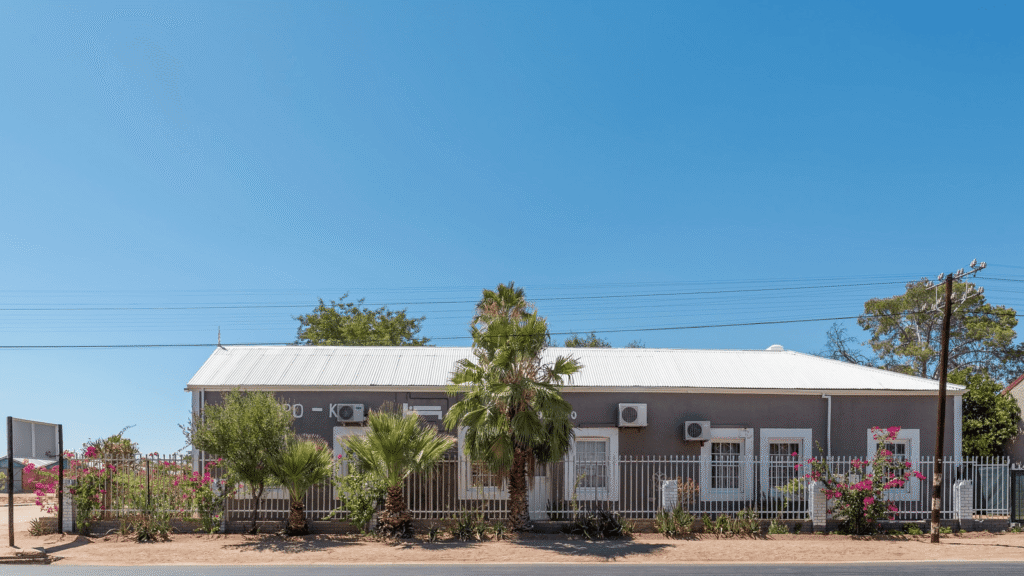
The town is situated in the arid Bushmanland region of the Northern Cape, 120 km from Upington. Despite the dry surroundings, the Hartbees River creates a green belt through the settlement.
The Rooiberg Dam supplies water for irrigation, supporting the area’s agricultural activity. Kenhardt is particularly known for Dorper sheep farming. The surrounding landscape also has several unusual natural features.
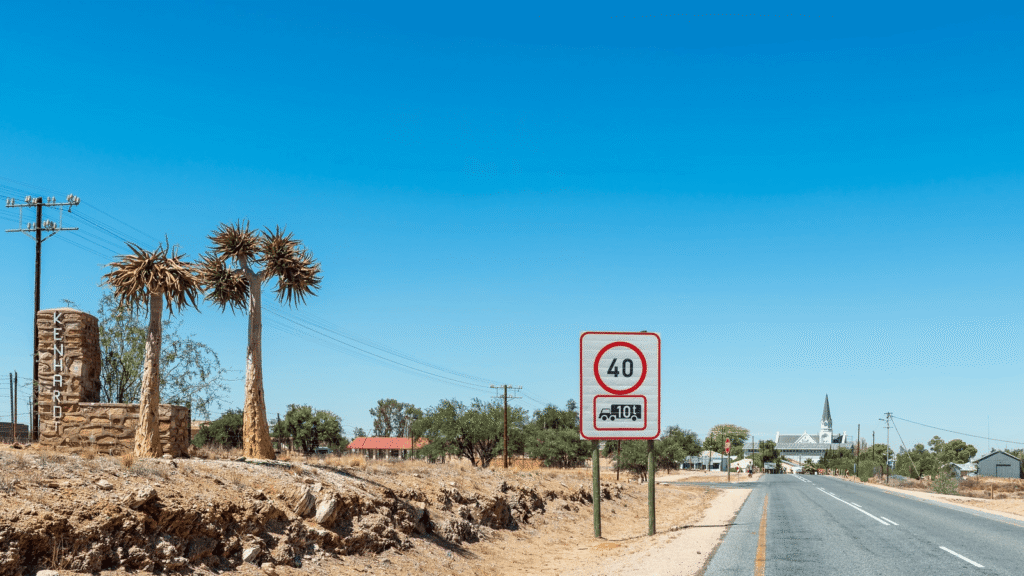
One of the best-known is the Kenhardt Quiver Tree Forest, where thousands of distinctive kokerbome grow among dark dolerite hills.
The trees have twisted branches and unusual shapes, making the forest a popular destination for photographers and hikers.
The area is also known for large weaver-bird nests built on roadside telephone poles. These communal nests can house many birds and remain in use for generations.
Another attraction is the old library building, which dates back to 1897. It remained in use as a library until 1977 and was declared a national monument in 1978.
Kenhardt is becoming a renewable energy powerhouse
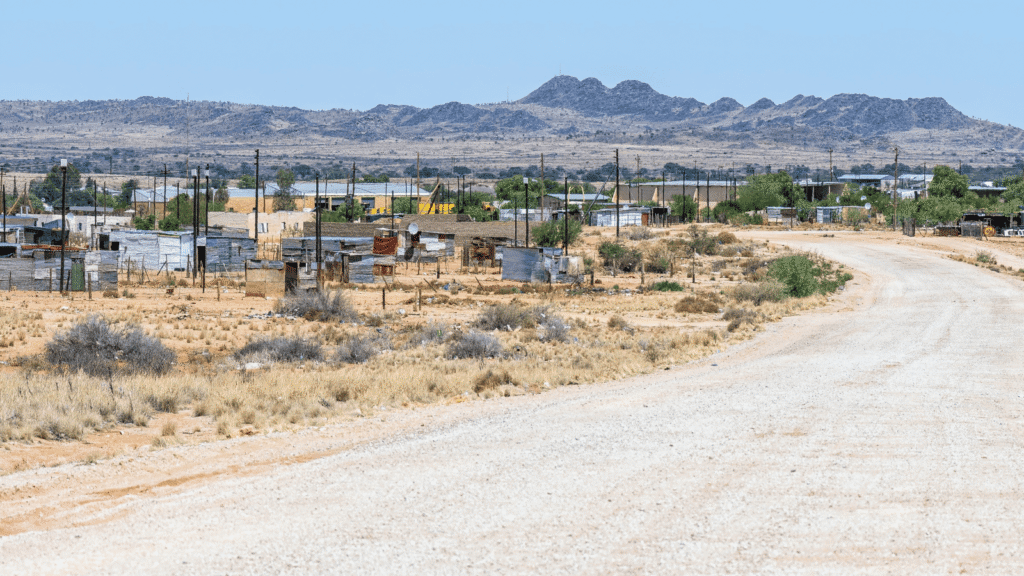
Kenhardt’s remote location and abundant sunshine have made the area attractive for large-scale renewable energy development.
In July 2022, Scatec announced that construction had started on three solar power plants near the town.
The projects were selected under the government’s Risk Mitigation Independent Power Producer Procurement Programme.
Together, the three plants have a solar generation capacity of 540 MWp and battery storage capacity of 225 MW, equivalent to 1,140 MWh.
The battery systems allow electricity generated during the day to be stored and supplied when needed.
This helps address one of the main limitations of solar power: generation depends on sunlight, while electricity demand continues after sunset.
The facility was designed to provide 150 MW of dispatchable electricity under a 20-year power purchase agreement.
The project was one of the largest investments in Scatec’s history, requiring capital expenditure of R16.4 billion.
It was financed through equity from project partners and R12.4 billion in non-recourse project debt.
Standard Bank acted as the lead arranger, while British International Investment, the UK’s development finance institution, also provided funding.
British International Investment committed $135 million in senior debt and an additional $26 million in mezzanine financing to H1 Holdings, a South African renewable energy investment company.
Scatec holds a 51% equity stake in the project, while H1 Holdings holds the remaining 49%.
Scatec was also responsible for engineering, procurement and construction, as well as operations, maintenance and asset management services.
Scatec’s R13.7 billion energy project
The value of Scatec’s development and engineering, procurement and construction contract was R13.7 billion. The project entered commercial operation in December 2023.
It supplies electricity to Eskom’s grid, rather than directly to Kenhardt’s residents. Its 150MW output is designed to provide dispatchable power between 05:00 and 21:30 throughout the year.
The combination of solar generation and battery storage makes the facility different from a conventional solar farm.
Solar panels generate electricity when sunlight is available. Batteries store excess electricity so that it can be supplied during periods of lower generation.
The technology is becoming increasingly important as South Africa seeks to expand its electricity supply while reducing reliance on coal-fired power stations.
The cost of battery storage has also fallen significantly. Lithium-ion battery prices have declined by more than 90% over the past decade, making large-scale storage projects more commercially viable.
Kenhardt has since become an example of how solar power and battery storage can be combined to provide more consistent electricity output.
A newer project near Viljoenskroon in the Free State, known as Naos-1, is also combining solar generation with battery storage.
It is designed to deliver up to 300MW to private customers, compared with Kenhardt’s 150MW output to Eskom.
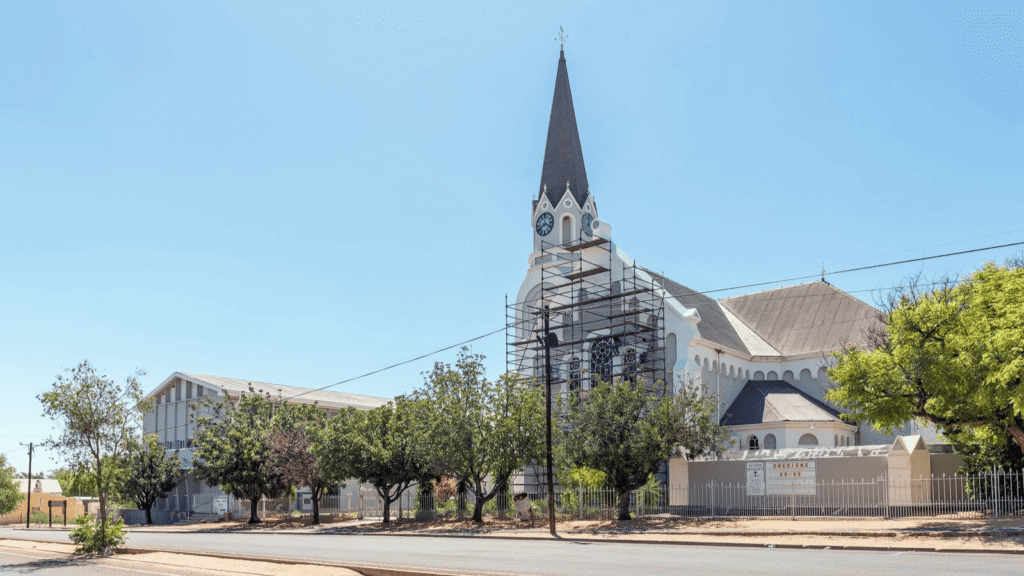
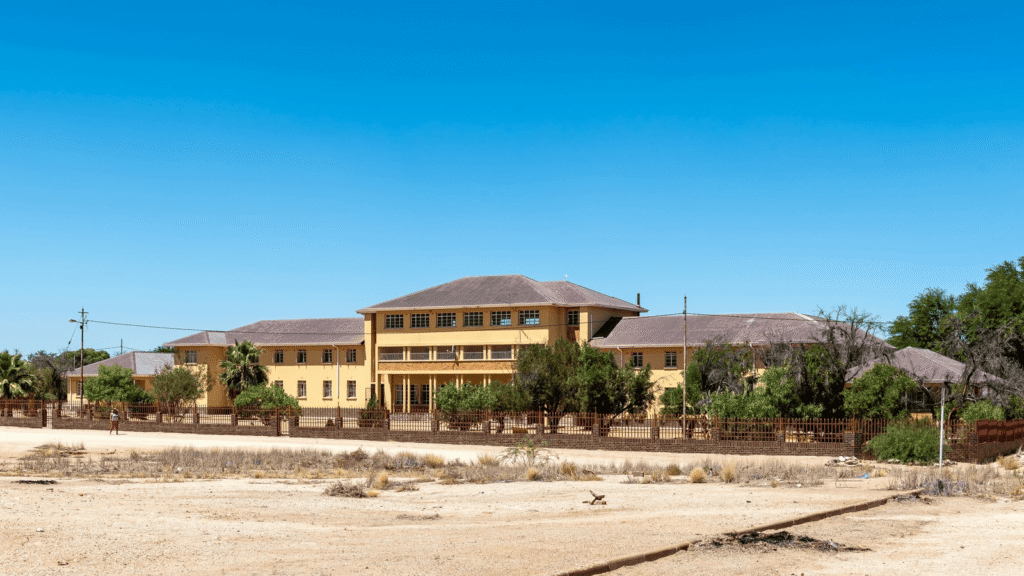
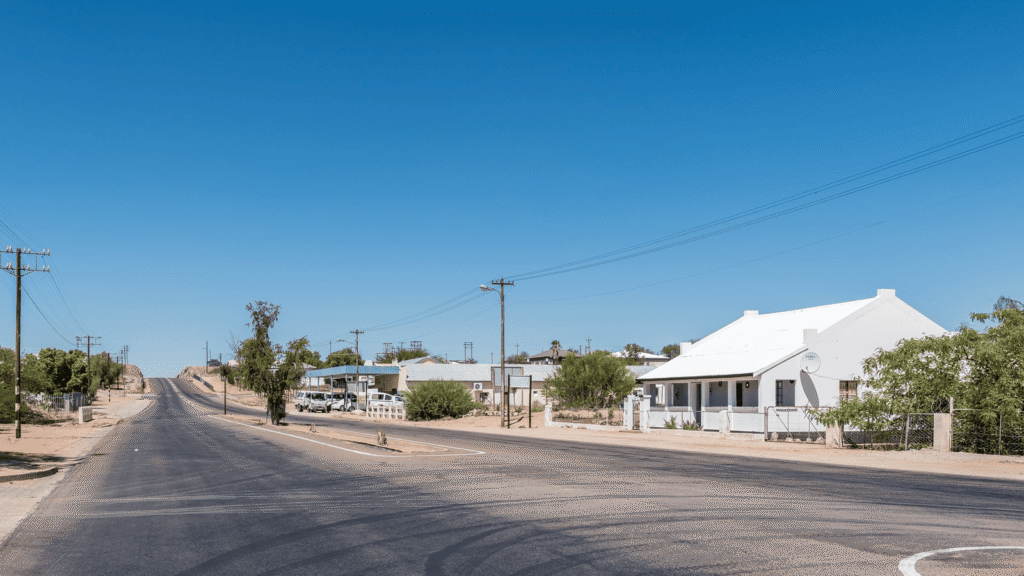
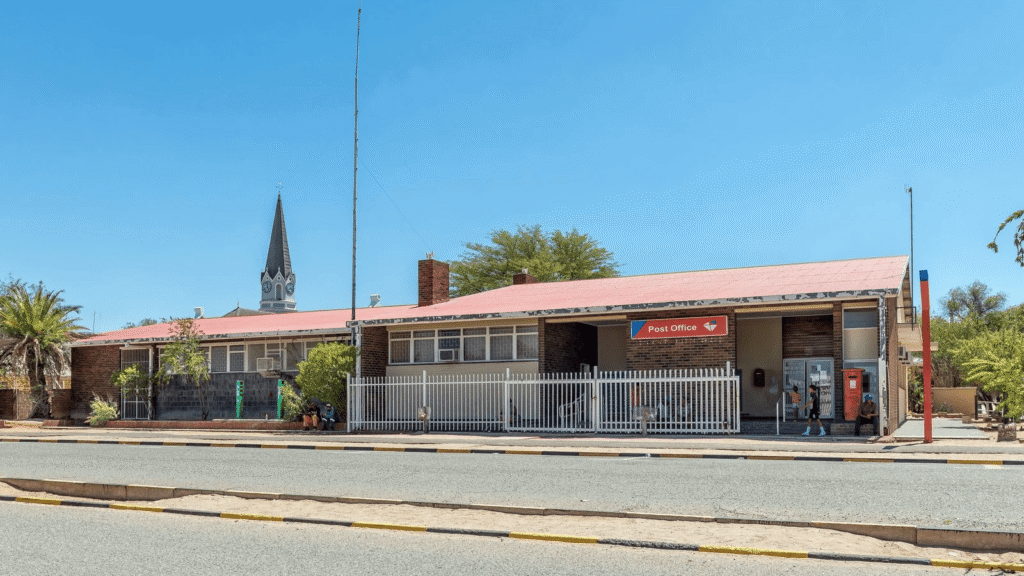
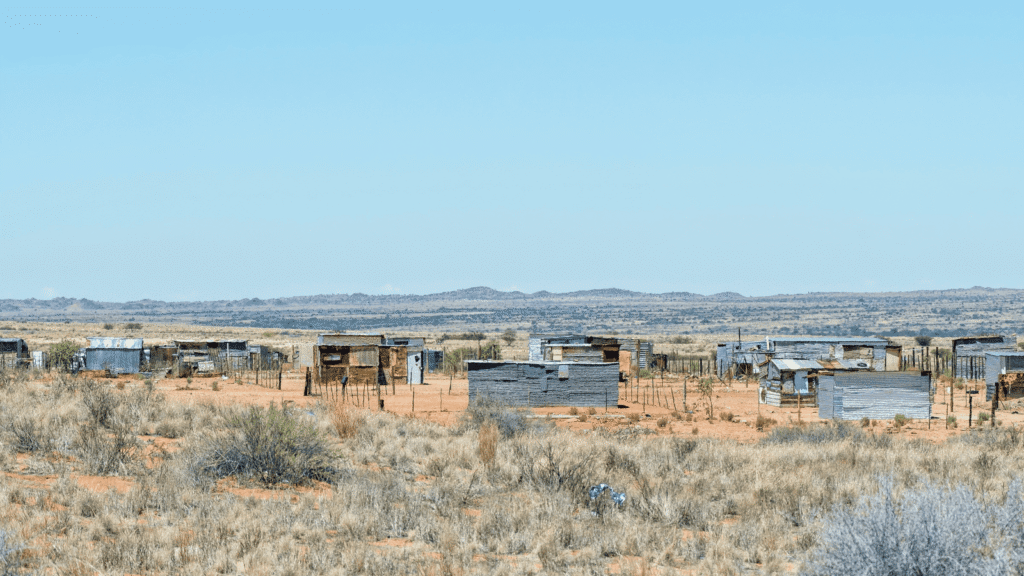
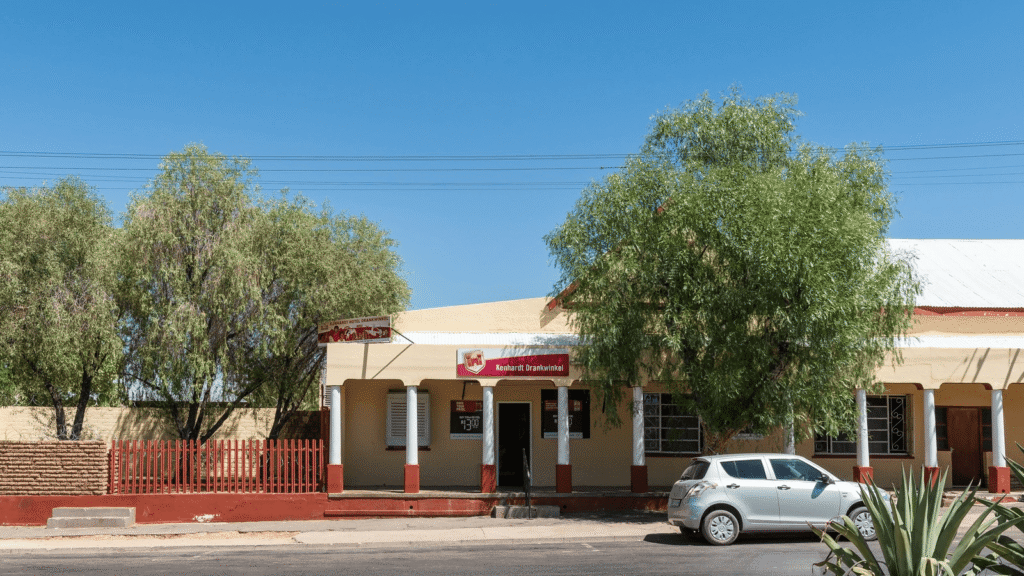
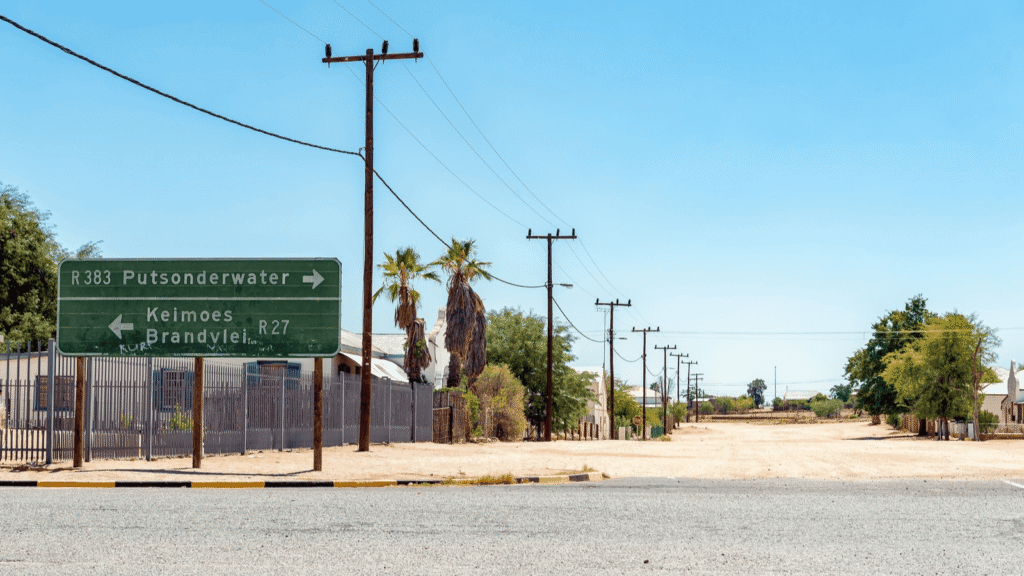
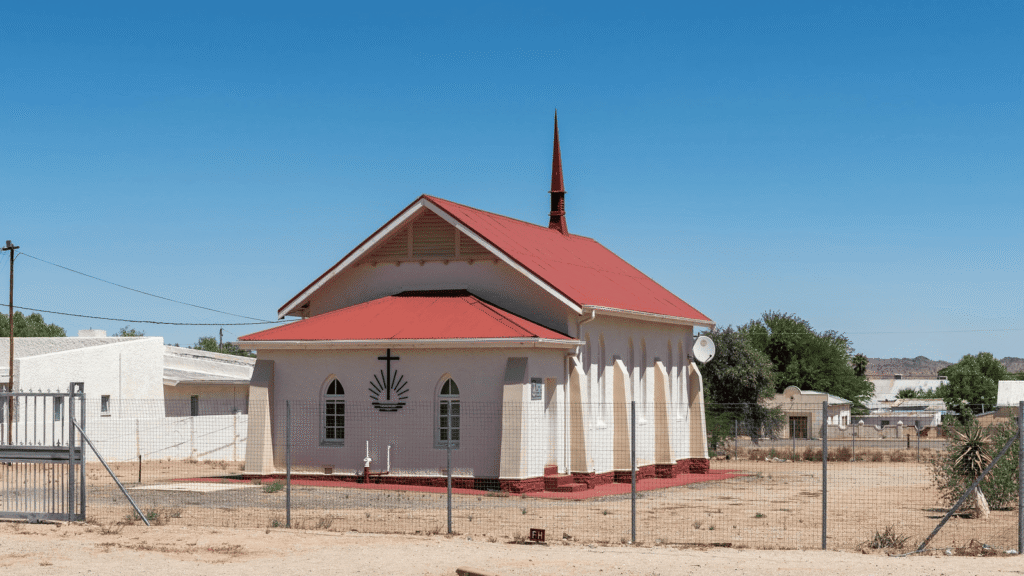
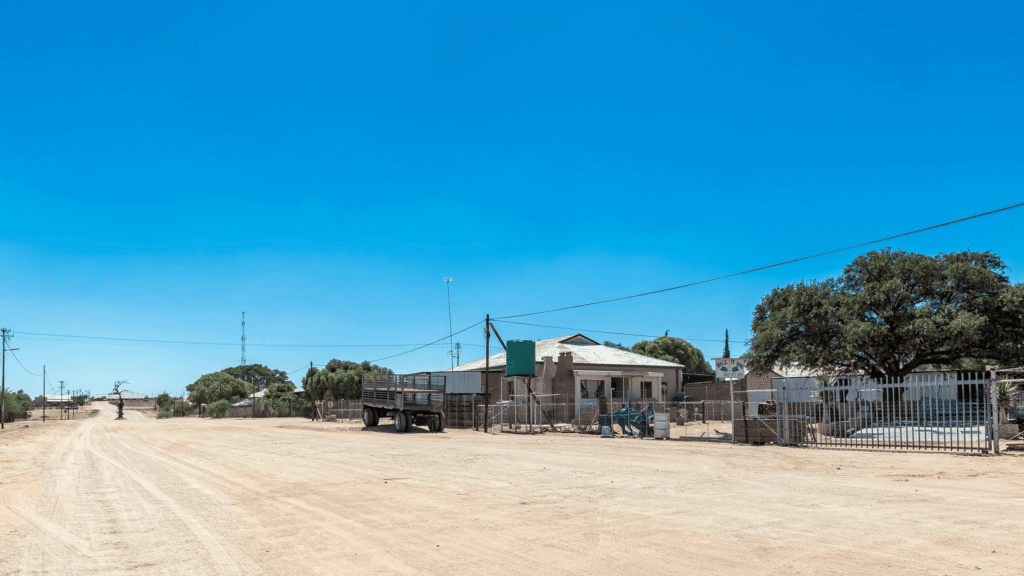
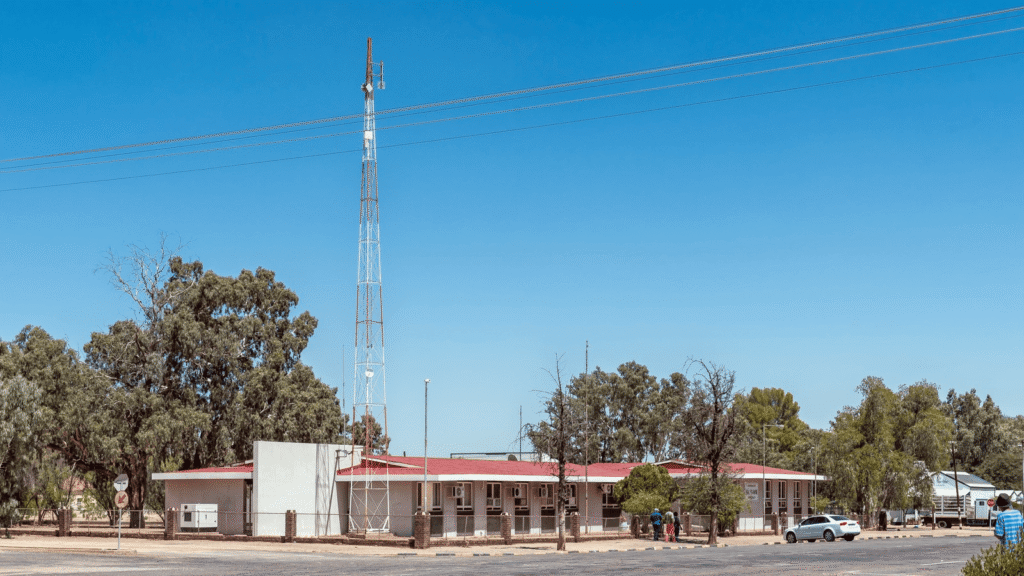
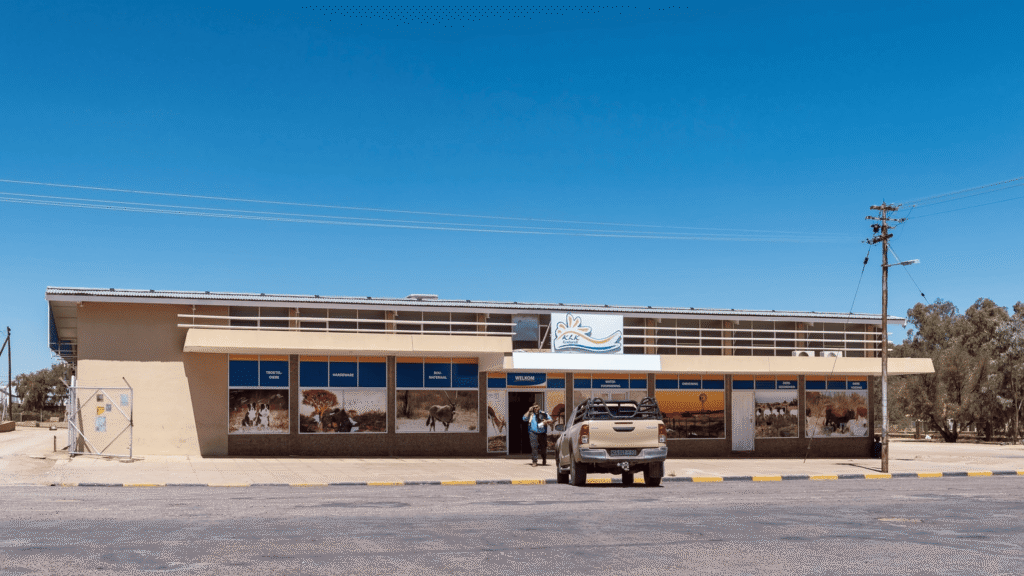
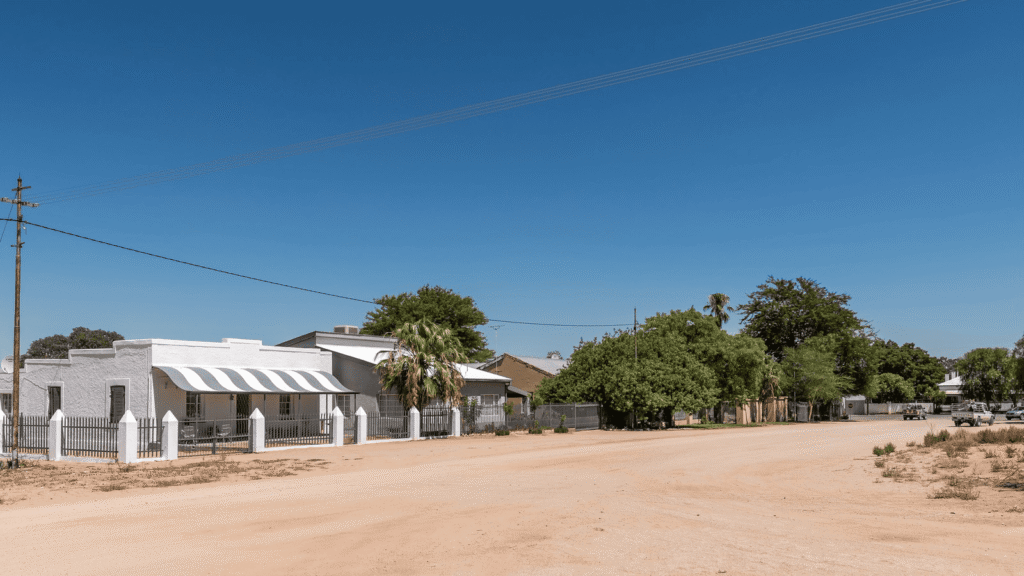
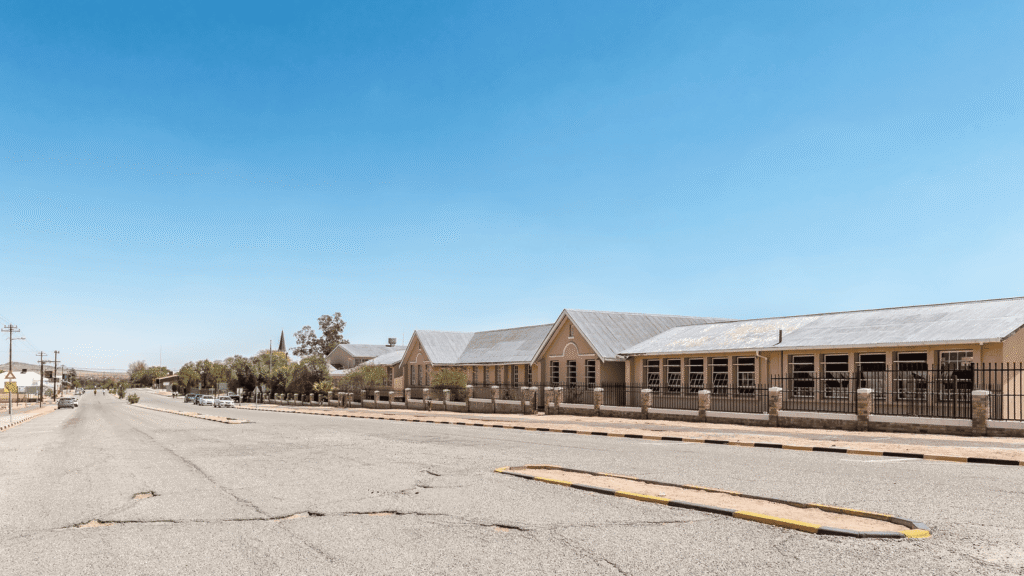
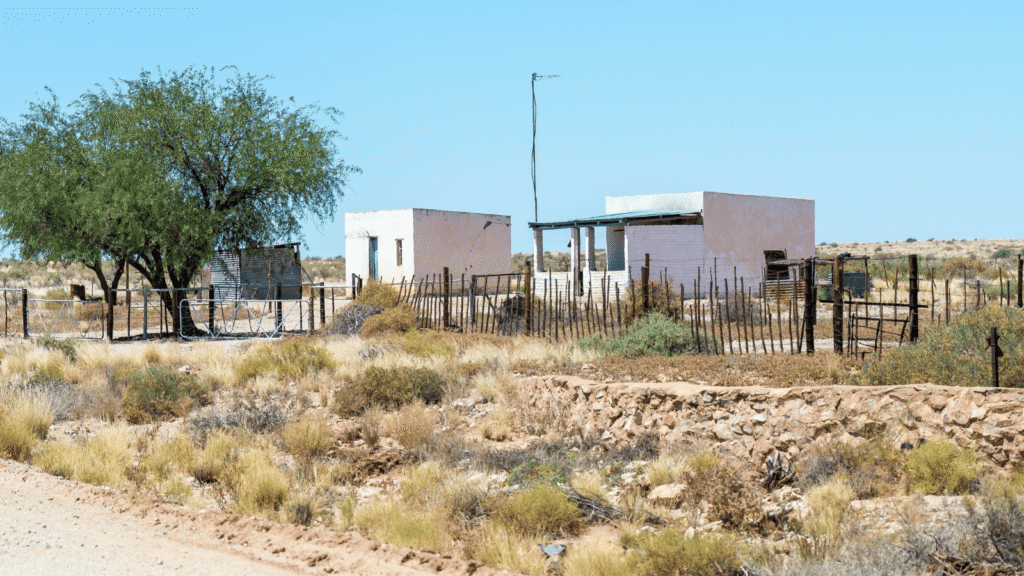
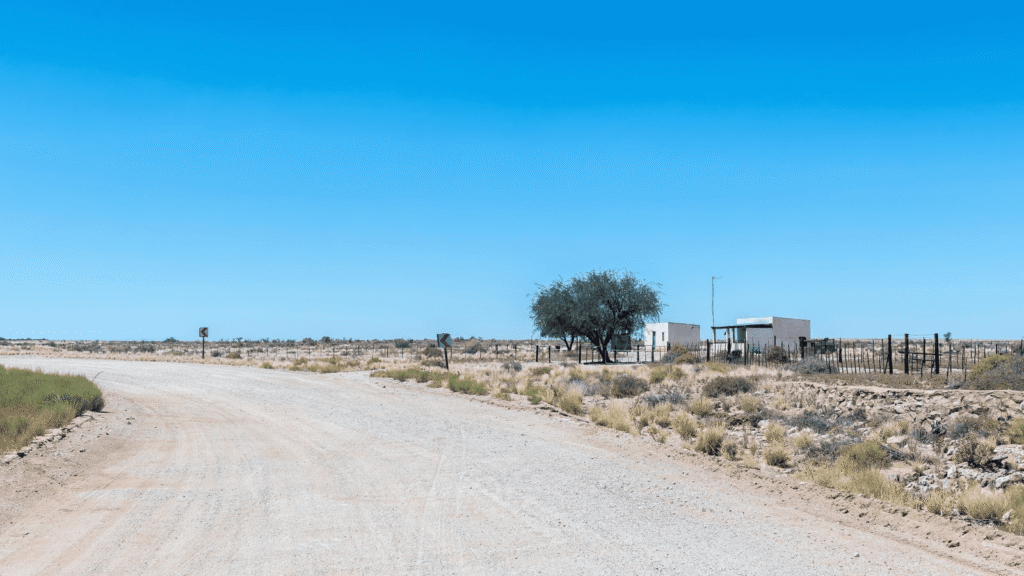
Photos of Kenhardt





Login or register for unlimited free access.