The former South African Minister’s daughter who built an app that sends a cleaner to your home and raised R339 million in funding



Aisha Pandor turned a frustrating search for temporary domestic help into one of South Africa’s best-known technology startups.
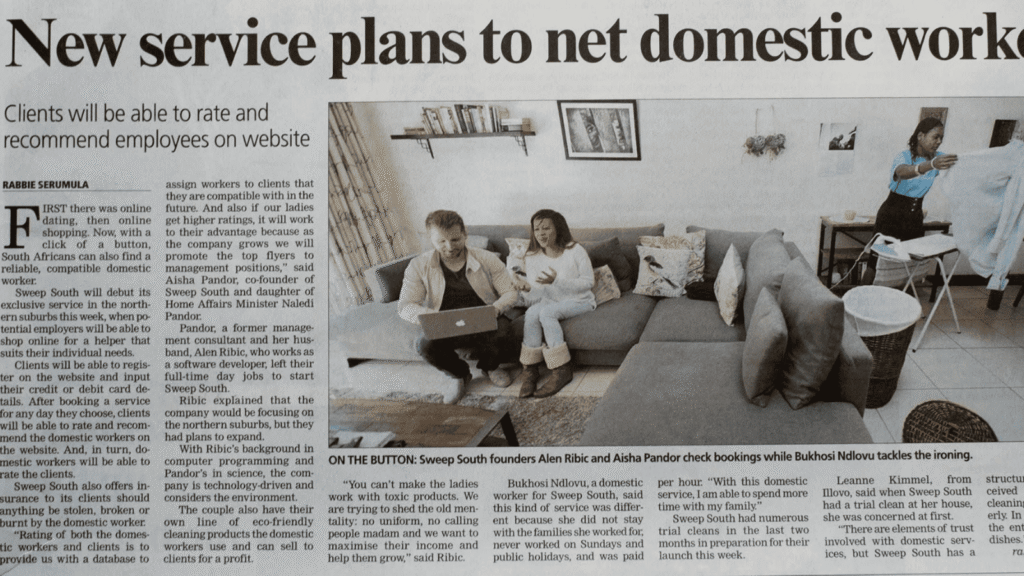
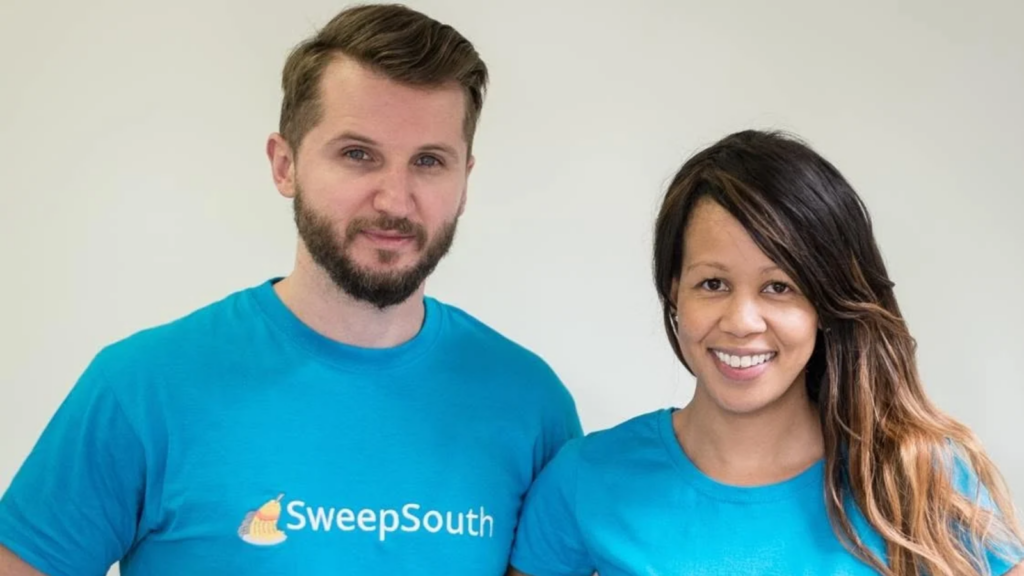
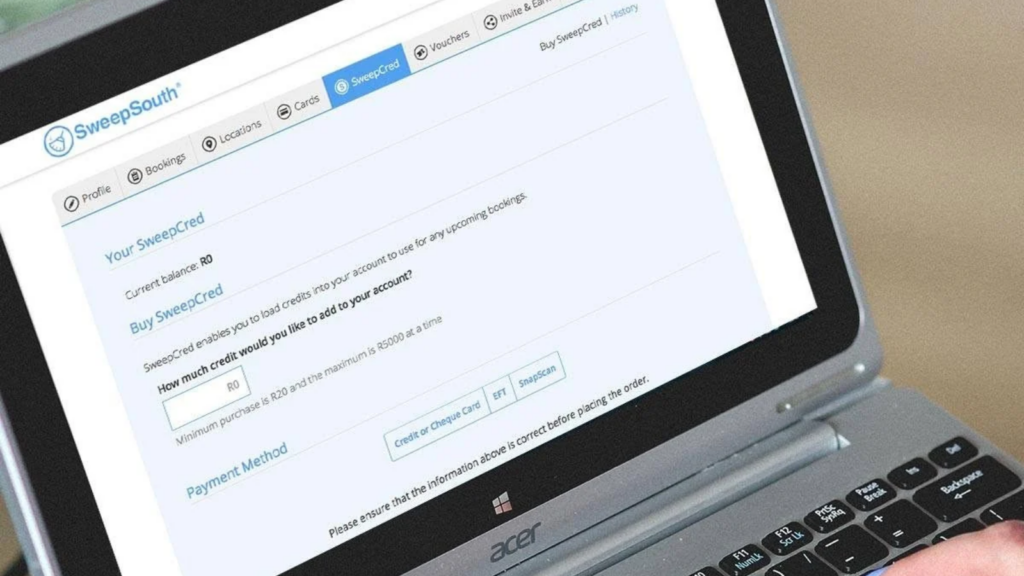
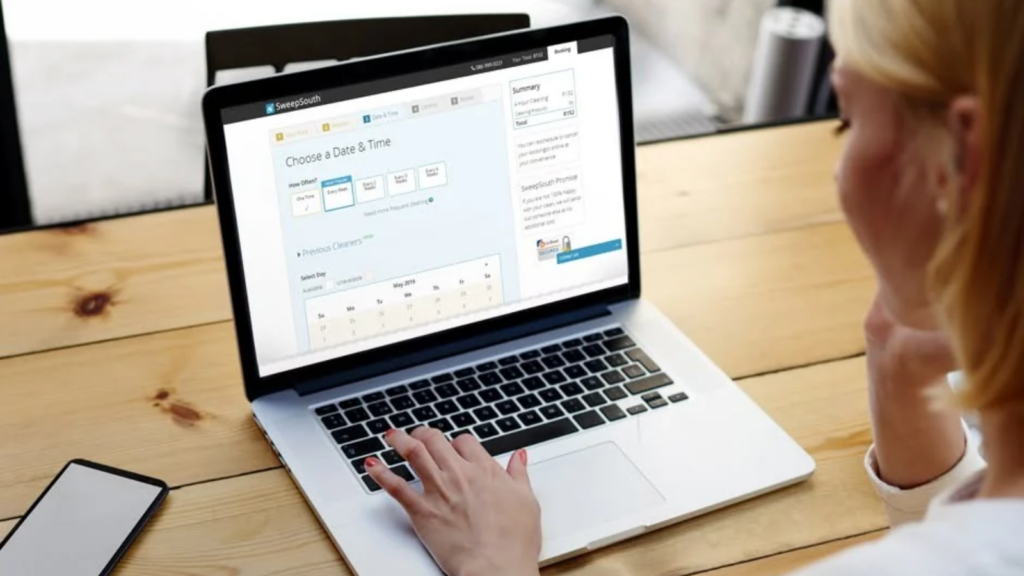
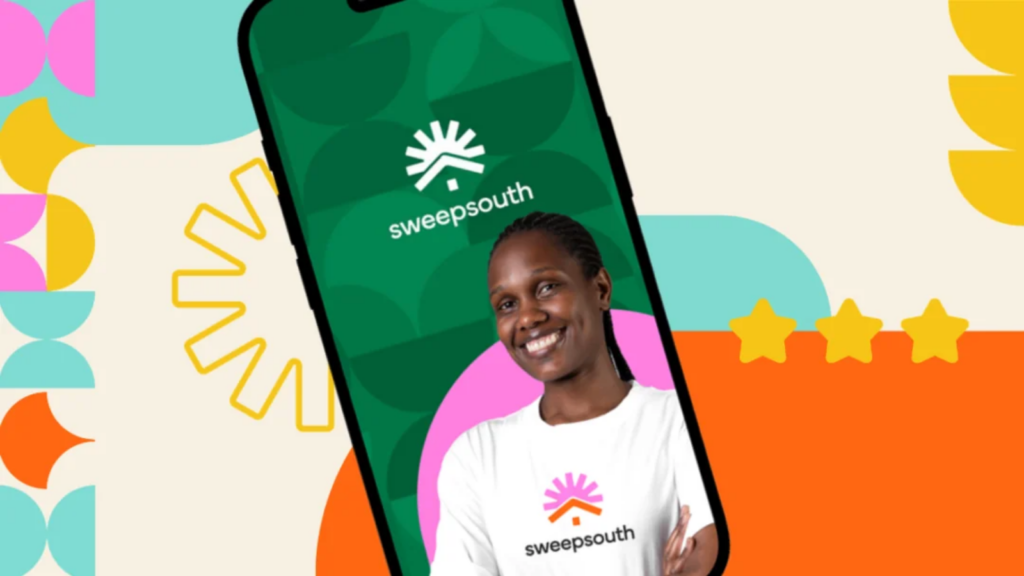
Pandor co-founded SweepSouth in 2014 with her husband, Alen Ribic. The company developed an online platform that allows households to book, manage, and pay for domestic and other home services.
The business has since expanded beyond South Africa and raised more than $20 million in venture capital funding, equivalent to R339 million.
Pandor was born in Botswana while her parents were in exile because of their opposition to apartheid. Her family returned to Cape Town shortly before she turned five.
Her mother, Dr Naledi Pandor, served in several government positions, including ministerial positions, between 1994 and 2024.
Her great-grandfather, Professor ZK Matthews, was an anti-apartheid activist who helped draw up the Freedom Charter.
Pandor did not initially plan to become a technology entrepreneur, and completed a PhD in Human Genetics at the University of Cape Town.
At the same time, she was also studying business administration at the university’s Graduate School of Business. She graduated from both programmes on the same day.
She also finished at the top of her class in all 11 business courses and served as class president.
After completing her studies, Pandor worked as a management consultant at Accenture South Africa, focusing on its mining and telecommunications practices.
However, she eventually decided to build a business rather than continue working as an employee.
The idea for SweepSouth emerged towards the end of 2013, when Pandor and Ribic struggled to find temporary domestic help during the December holidays.
Their regular domestic worker had to take leave at short notice, which meant the couple had to look for someone to help manage their household.
Pandor saw an opportunity to use technology to connect households in need of assistance with domestic workers seeking employment.
Building the business
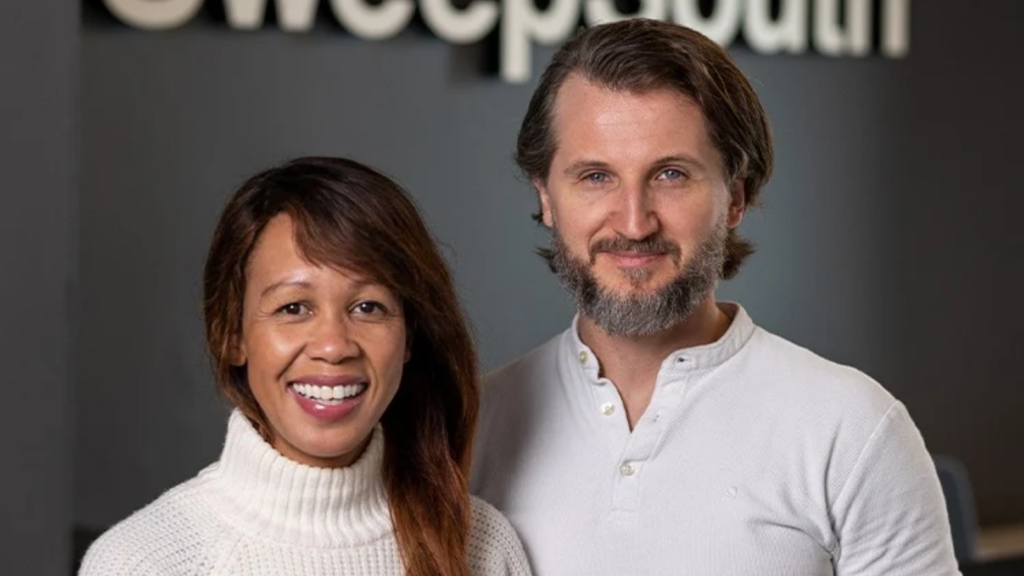
Pandor and Ribic were inspired by how platforms such as Uber used technology to connect the two sides of a marketplace.
In an interview with RMB’s Solutionist Thinking podcast, she explained that they wanted to apply a similar concept to domestic work in South Africa.
However, she said the business needed to be designed differently from a traditional on-demand service.
Domestic workers enter people’s homes and often develop ongoing relationships with the households they serve.
This meant that repeat bookings, customer preferences, and accountability had to be important parts of the platform.
The founders launched SweepSouth in 2014 as an online platform for booking domestic cleaning services.
At the time, smartphones were expensive and online payments were not widely accepted by all consumers.
Pandor explained that the company initially had to put up surety to obtain smartphones for domestic workers joining the platform.
The founders also had to convince customers that online bookings were legitimate and that a worker would arrive after a payment was made.
Word-of-mouth referrals helped the company attract domestic workers, and the founders focused much of their early marketing on building trust among customers.
SweepSouth subsequently expanded its services beyond cleaning to include gardening, laundry, moving cleans, office cleaning, childcare and other home services.
The company also developed services for customers seeking full-time domestic workers and tools to manage privately employed workers.
Pandor’s focus was not only on making it easier to find household help. She also wanted to improve access to work for people who were unemployed or underemployed.
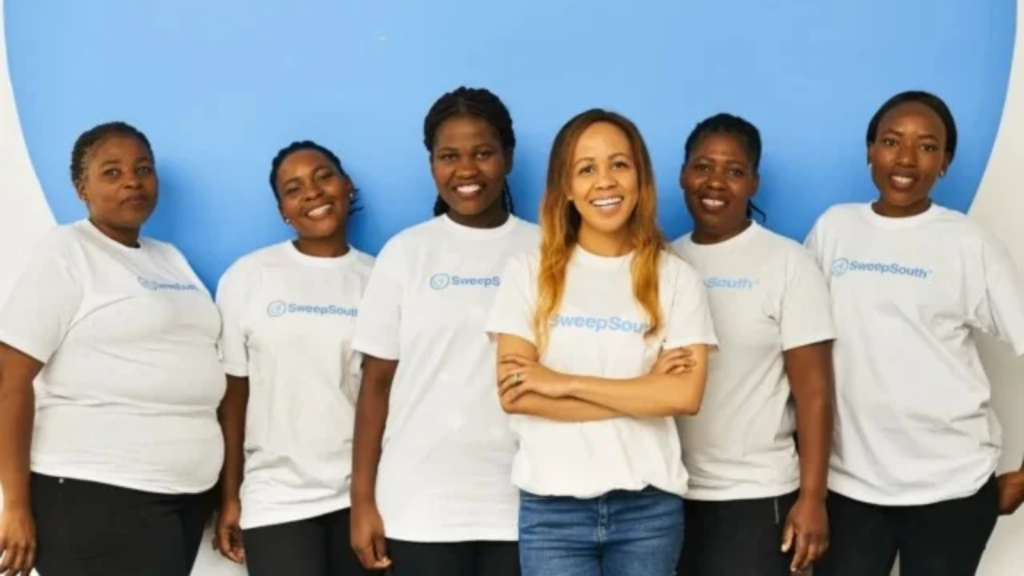
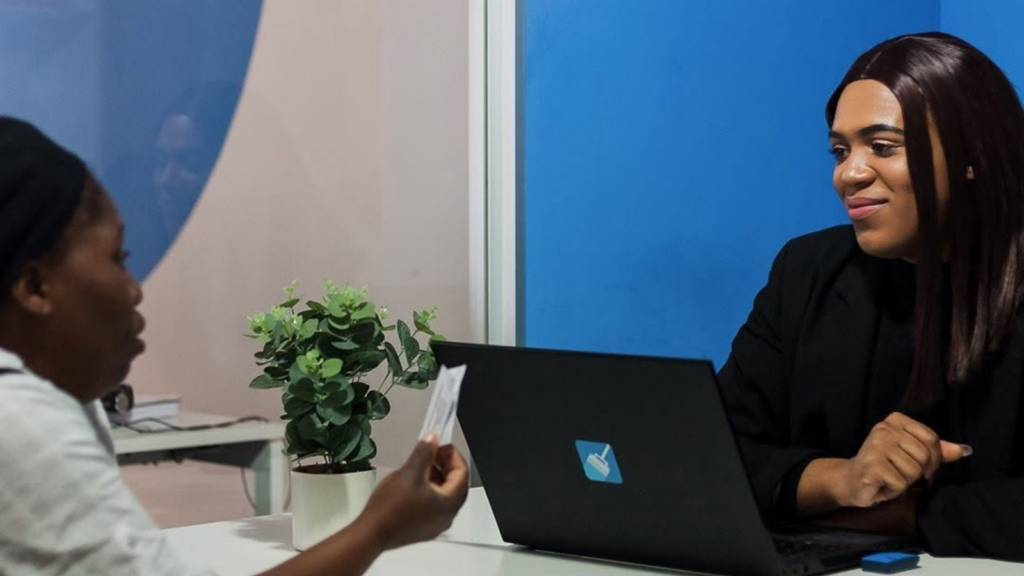
Today, SweepSouth has connected 50,000 previously unemployed or underemployed workers, primarily women who are often the household’s primary breadwinners.
The company has also introduced partnerships that provide platform workers with free life and disability insurance, as well as access to support services for victims of abuse and gender-based violence.
SweepSouth raises more than R339 million in funding
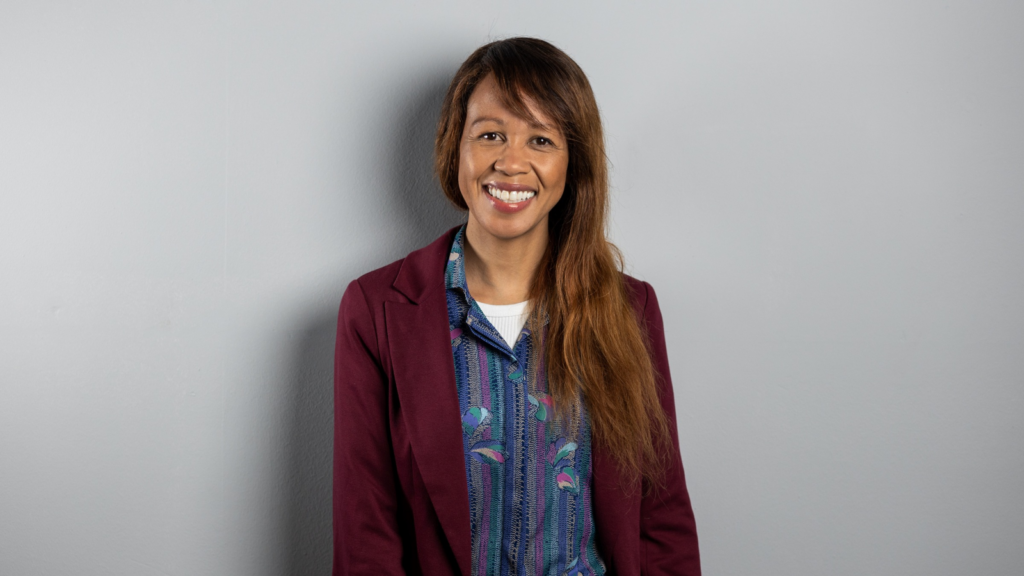
SweepSouth’s growth attracted venture capital investors, including Naspers, the Michael and Susan Dell Foundation, Alitheia IDF and Endeavor Global.
According to Pandor, the company has raised more than $20 million in venture capital funding since its founding. This is equivalent to approximately R339 million.
One of its most significant funding announcements came in September 2022, when SweepSouth raised $11 million, or approximately R197 million at the time.
The round was led by Alitheia IDF, a female-led investment fund focused on businesses with a gender-lens approach.
Existing investors Naspers Foundry, the Michael and Susan Dell Foundation and Futuregrowth Asset Management participated.
New investors included Endeavor Catalyst, Endeavor’s Harvest Fund II, Caruso Ventures, and E4E Africa.
The funding was intended to support SweepSouth’s infrastructure and team in South Africa, expand services in existing markets and pursue further expansion through new operations and acquisitions.
Earlier funding included investment from Naspers Foundry in 2019. The fund invested R30 million in the company, its first investment after launching.
SweepSouth also raised R50 million in a funding round announced in October 2019. The round included investment from the Michael and Susan Dell Foundation, alongside existing investors.
A funding tracker published by the Africa Angel Investors Network records four funding transactions between 2019 and 2022, totalling $17.4 million.
These included a $2.1 million round in 2019, a further $3.3 million that year, a $1 million investment in 2020 and the $11 million round in 2022.
The funding supported SweepSouth’s expansion into other African markets. The company launched in Kenya and Nigeria and entered Egypt after acquiring home services startup Filkhedma in 2022.
SweepSouth is Africa’s first and largest online platform for booking, managing, and paying for home services. It has reported more than 2.5 million bookings.
It currently has 250,000 customers and 6,500 active home services professionals on its platform.
Pandor has remained involved in the business after stepping back from its day-to-day leadership role, and she is still actively engaged as a board director.
She has since co-founded Pandora Health, an AI-driven platform intended to help women manage chronic health conditions.
She is also a co-founding partner of E4E Africa, a venture capital firm investing in early-stage African businesses. Her website lists a $10 million first fund and a $30 million second fund.
Alongside her work as a founder and investor, Pandor has received recognition from organisations including Forbes, Fortune, Fast Company, the World Economic Forum and the South African Venture Capital and Private Equity Association.
Photos of Aisha Pandor and SweepSouth








Login or register for unlimited free access.