The small South African town where all of its residents belong to the same church and created an economy based on flowers and wine


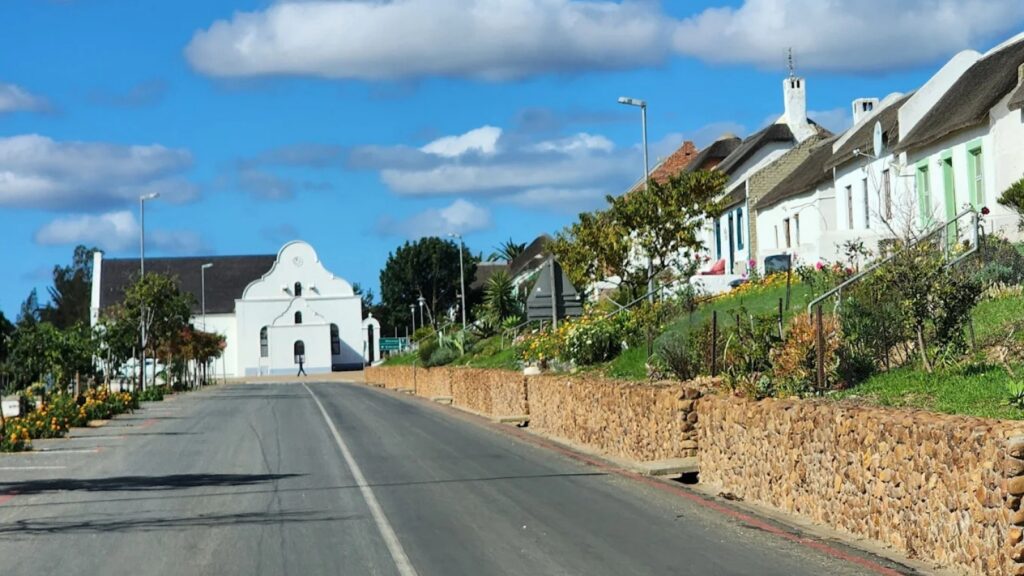
The small village of Elim in the Western Cape is home to one of South Africa’s rarest landscapes and most unique agricultural economies.
Elim is located on the Agulhas Plain in the Overberg, falling under the Cape Agulhas Local Municipality and the Overberg District Municipality.
The village was established two centuries ago as a mission station of the Moravian Church of South Africa on the farm Vogelstruyskraal.
Johannes Petrus Sconke sold the farm to the church on 24 May 1824, with the station’s first service held on 1 August later that year.
This was the fourth Moravian mission station established in South Africa, following Genadendal in 1737, Mamre in 1808, and Enon in 1818.
The station was named Elim on Ascension Day, 12 May 1825, after the Biblical oasis where the Israelites camped following their exodus from Egypt.
Construction of new living quarters began in 1826, with 16 houses built over two years, while the cemetery area was identified in 1827.
All church services in Elim were held outdoors until 9 March 1928, when the old house was consecrated as a church and a second house for the missionaries was completed.
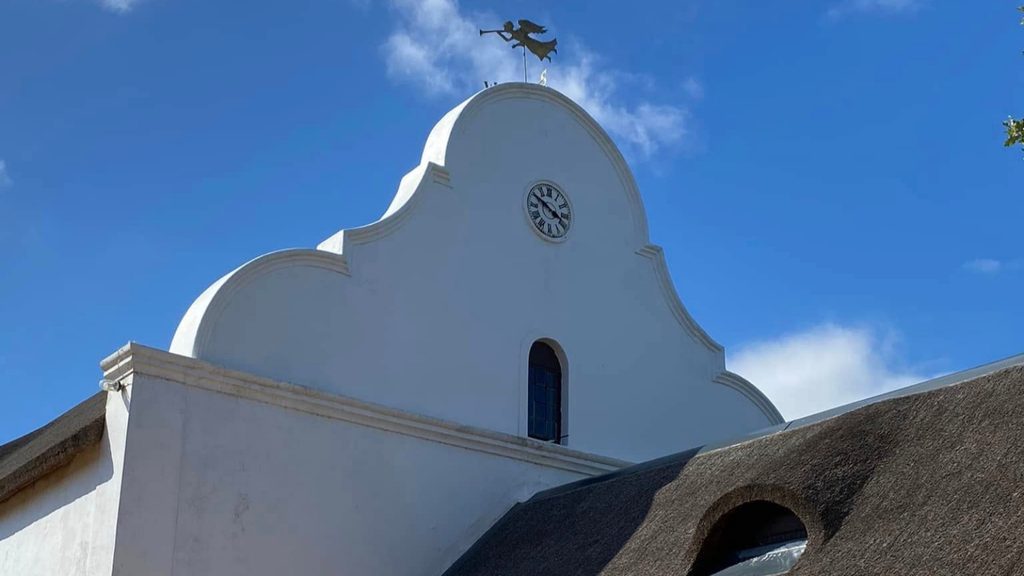
The current Moravian church building was consecrated on 18 October 1835, and still stands today as the main place of worship for Elim’s residents.
Membership in the Moravian Church is a strict requirement for living and owning land in Elim, with the town currently embroiled in a legal battle over indigenous land rights.
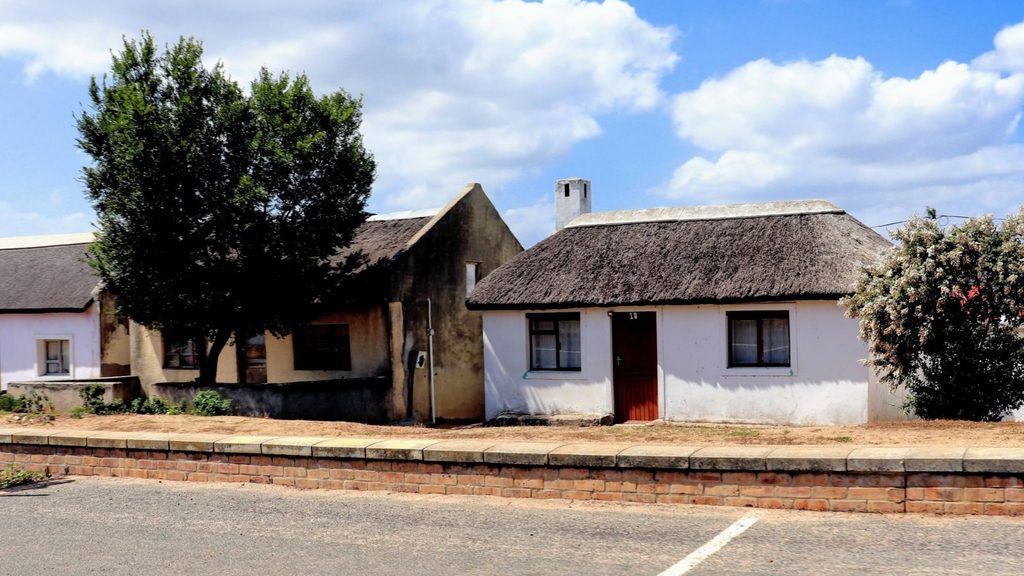
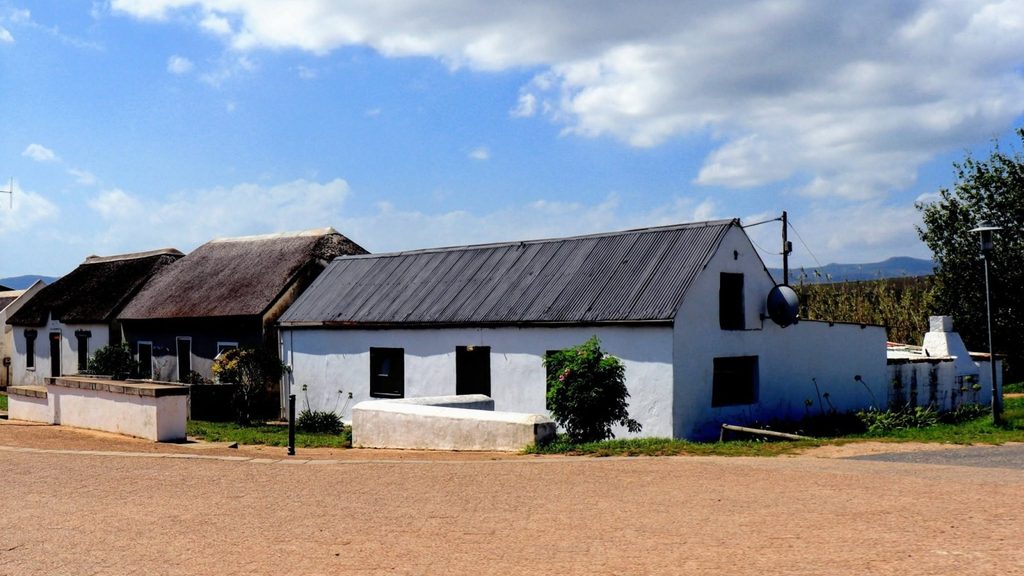
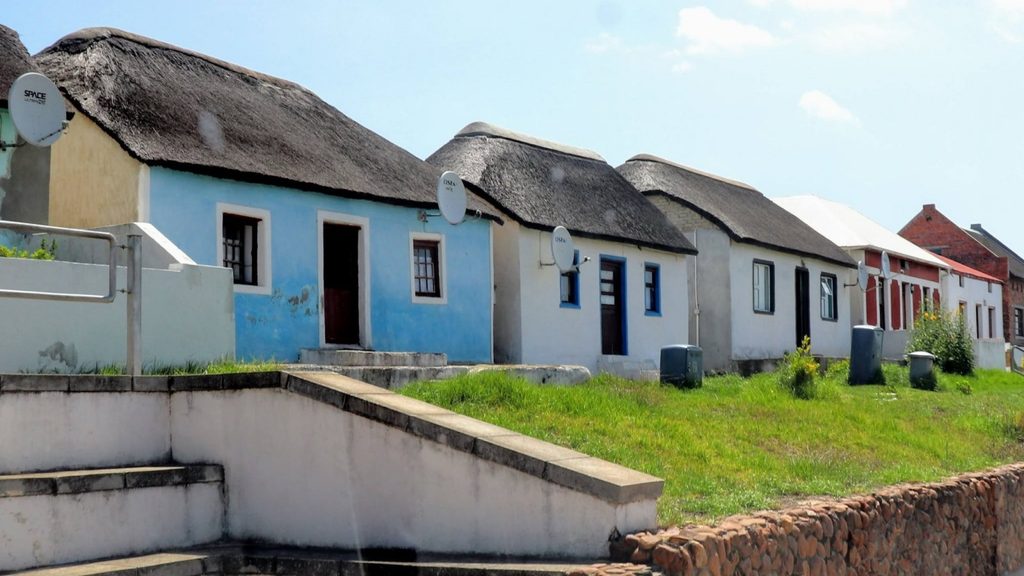
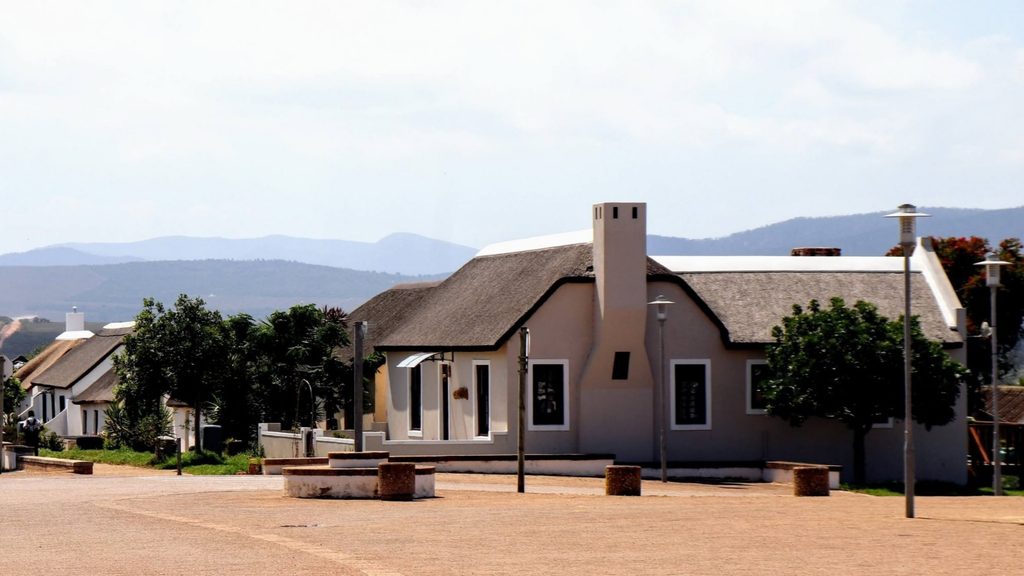
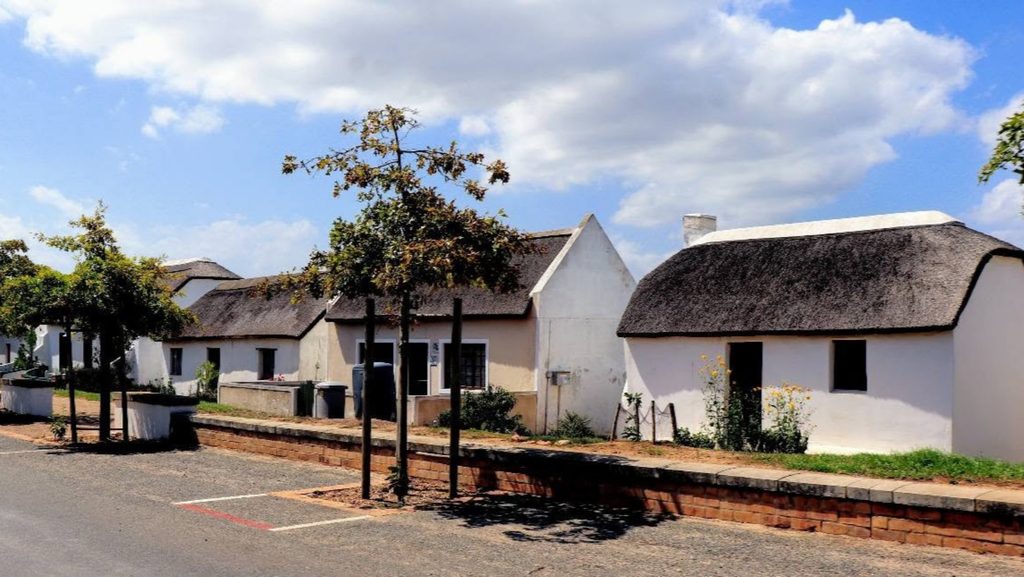
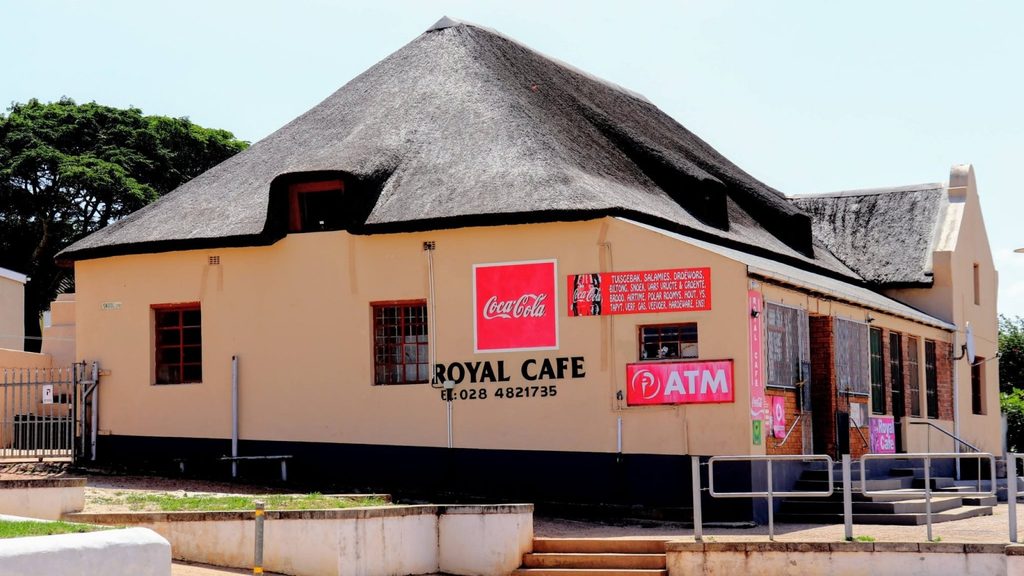
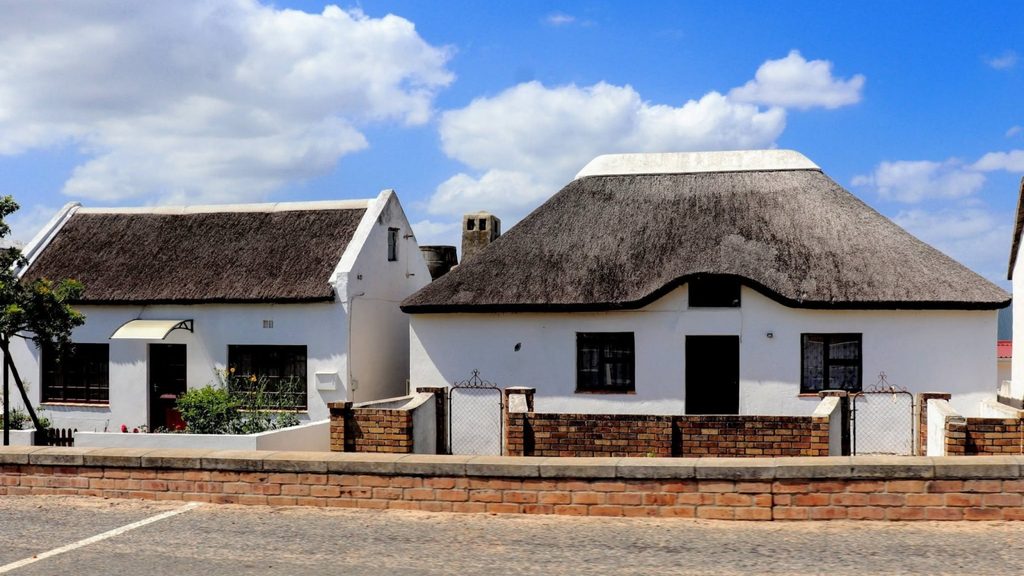
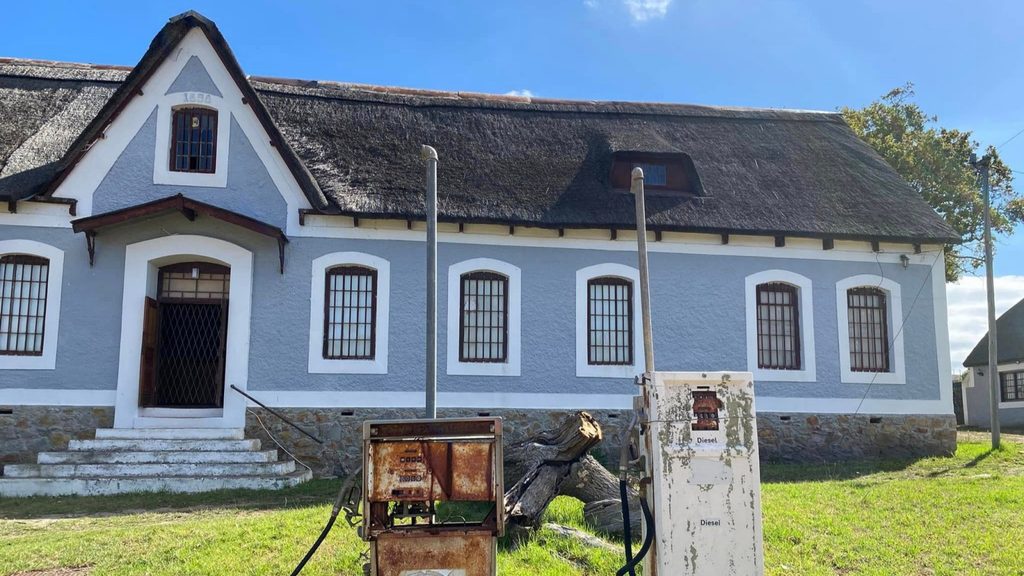
Many of the town’s buildings have retained their Cape Dutch-style architecture, with thatched roofs and whitewashed walls, including the church.
South Africa’s first and only monument dedicated to the emancipation of slaves was constructed in Elim in 1938 and was restored in 2004 after falling into disrepair in the 1990s.
The town’s working watermill dates back to 1833, houses the largest wooden water wheel in South Africa, and was declared a national monument in 1974.
Elim’s agricultural economy
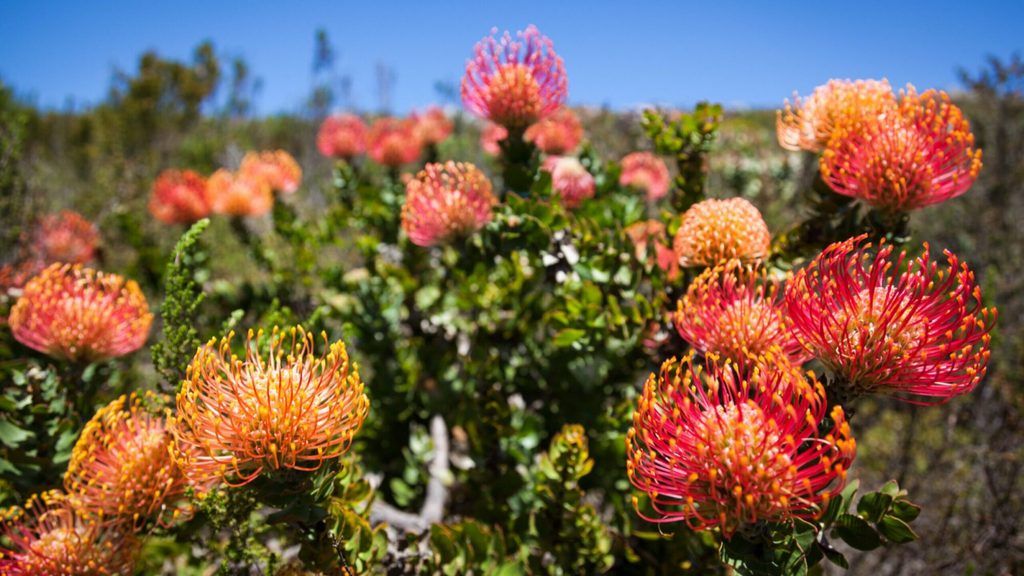
Elim’s economy is largely based around agriculture, with wild-harvested fynbos and cool-climate wines becoming two of the town’s most popular product offerings.
The village lends its name to the rare Elim Ferricrete Fynbos, a low-lying type of fynbos native to the town and surrounding sections of the Agulhas Plain.
Unlike typical nutrient-poor fynbos soils, Elim Ferricrete grows on relatively nutrient-dense ferricrete soils that are rich in iron.
The town has become a major rural hub for the cultivation, harvesting, and exporting of Elim Ferricrete Fynbos, and has a growing eco-tourism sector around the plants.
The South African National Biodiversity Institute listed this type of fynbos as endangered and poorly protected in its 2025 National Biodiversity Assessment.
A large portion of the habitat has been permanently lost to crop cultivation, invasive alien species, fires, grazing, and gravel mining.
Conservation groups are increasingly seeking to protect the remnants of the Elim Ferricrete Fynbos by establishing protected areas such as the Geelkop Nature Reserve.
Elim has also emerged as a rising player in South Africa’s highly competitive wine industry in recent decades, with commercial viticulture beginning in 1996.
Land’s End and Zoetendal planted the first commercial vines, with Elim demarcated as a Wine of Origin (WO) ward in the late 1990s.
The first WO Elim wine, a Sauvignon Blanc from Land’s End, was released in 1999, and the district’s reputation built throughout the 2000s with the establishment of new farms.
The Elim Winegrowers cooperative was formed in the late 2000s and consists of Black Oystercatcher, The Berrio, Strandveld, and Zoetendal.
Together with Lomond Wine Estate, these farms formed the Agulhas Wine Triangle, a non-profit marketing collective in 2019, as the primary Cape Agulhas regional wine brand.
Elim is one of South Africa’s coldest wine-producing regions, with strong winds from the Atlantic Ocean slowing the ripening process during spring and summer.
The region is known for producing distinct, mineral-driven Sauvignon Blancs, as well as cool-climate Shiraz and Semillon wines.
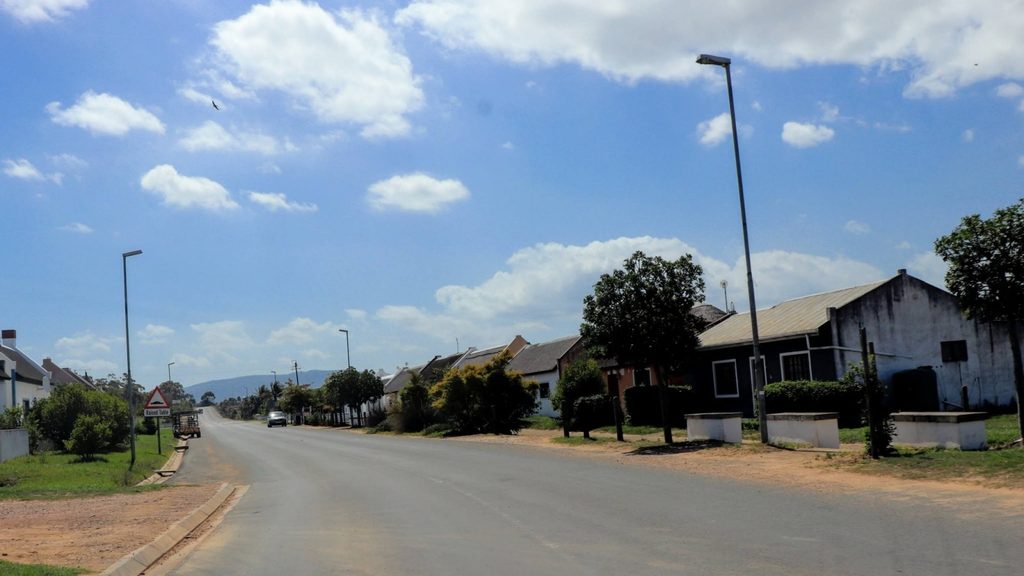
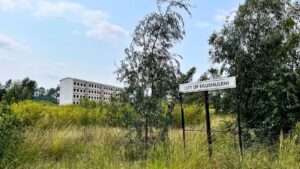
Photos of Elim
Login or register for unlimited free access.




Conversation
1 commentsMy pa se ouers Octobes was n boorling. van Elim .Ons het gereeld Elim gaan besoek pragtig sendingstasie.