Taps run dry in South Africa because of a R23.77 billion debt


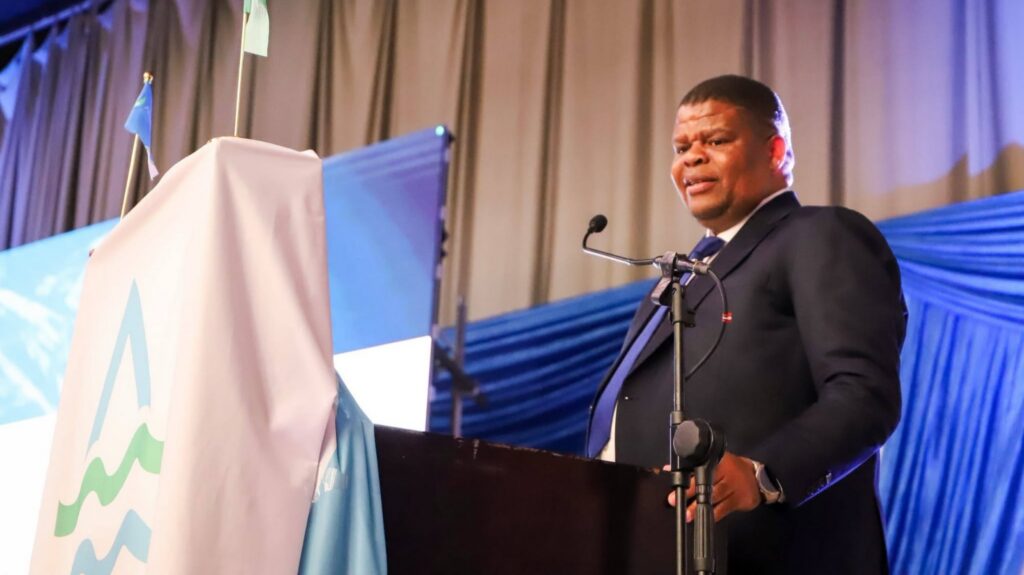
Deputy Minister of Water and Sanitation David Mahlobo has called for urgent intervention to address South Africa’s growing municipal water debt problem.
During a webinar convened by the South African Human Rights Commission (SAHRC) on 9 September 2026, Mahlobo addressed key stakeholders on the sustainability of the country’s water sector.
South Africa’s municipalities face challenges ranging from low revenue collection and poor credit control to governance challenges and weaknesses in financial management.
This has resulted in some of these municipalities failing to meet their payment obligations to the country’s water boards, which supply bulk potable water to water service authorities.
As of 31 July 2026, the debt owed by South Africa’s municipalities to water boards had grown to R23.77 billion, excluding current accounts.
This has placed pressure on the liquidity positions of these water boards, with some reporting cash-flow constraints and an increased risk of financial distress.
This hinders their ability to continuously supply reliable and sustainable bulk water services to the country’s municipalities, which could lead to water shortages or shedding.
It also affects the financial capacity for these water boards to maintain, refurbish and expand on critical water infrastructure.
To address these issues, Mahlobo called for greater investment in water infrastructure, more efficient water-use, stronger financial discipline, and improved revenue collection.
He also said the sector should work to dismantle the country’s culture of non-payment for services, whilst simultaneously protecting water infrastructure from vandalism and theft.
Mahlobo urged stronger collaboration between government, communities, businesses, civil society, and other affected stakeholders across the country’s water sector.
“Our view is that with this matter of water, for the first time, there is a leadership led by the President where there is clarity,” Mahlobo said. “But as government alone, we are not going to resolve the problem.”
“We need a society approach, working with communities who are partners around water use and sanitation. But also working with businesses, and civil society experts, including indigenous communities and traditional leaders.”
President Cyril Ramaphosa previously acknowledged the inability for many of the country’s municipalities to provide basic water services during his State of the Nation speech earlier this year.
He committed R156 billion for water and sanitation infrastructure over the next three years, and set up a national water-crisis committee chaired by himself.
Johannesburg, the country’s economic hub, has faced a severe water crisis this year with frequent water shortages and losses affecting parts of the city.
An estimated 48% of Johannesburg’s water supply is lost due to leaks, burst pipes, and illegal connections, while Johannesburg owes billions of rands in debt to Rand Water.
 Loading ...

Comments