One city created nearly half of all South Africa’s new metro jobs in five years


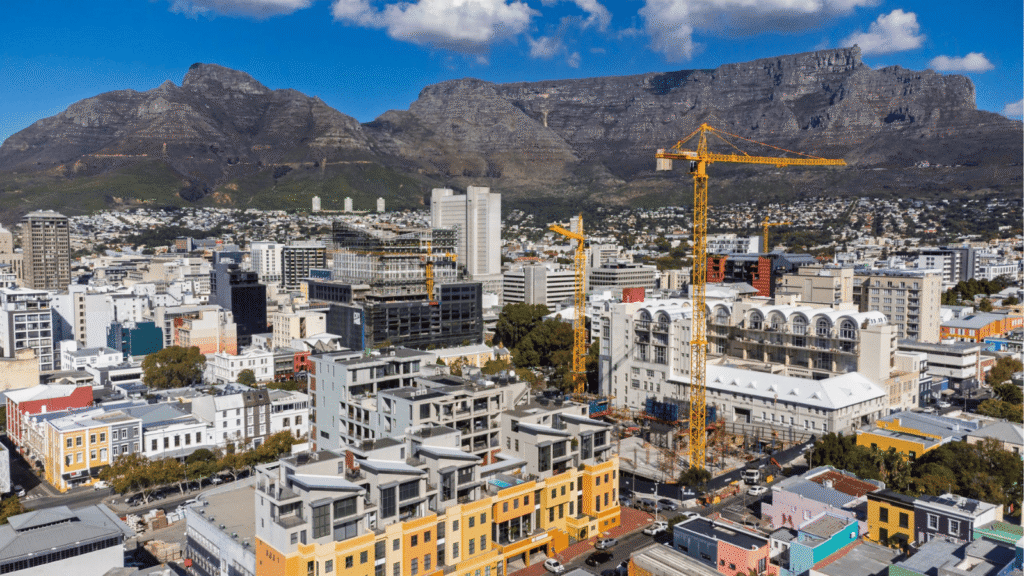
Cape Town accounted for nearly half of all jobs created across South Africa’s eight metropolitan municipalities between the first quarter of 2022 and the second quarter of 2026.
The city added 418,000 jobs during the period, representing 49.6% of the 841,000 net jobs added across the eight metros.
Cape Town also recorded the lowest broad unemployment rate among the metros at 24.3% in the second quarter of 2026.
The figures come from Statistics South Africa’s Quarterly Labour Force Survey and cover the current local government term.
Cape Town Mayor Geordin Hill-Lewis said the city had added more jobs than Johannesburg, eThekwini, Tshwane and Ekurhuleni combined.
“Cape Town is one of eight metros, but we are home to a full 50% of all new jobs across South Africa’s cities.”
He said the results reflected the city’s focus on infrastructure, services and making it easier for businesses to operate.
“Cape Town remains South Africa’s most successful, functional city where people are most likely to find a job and opportunities for a better life.”
“We’re especially happy for everyone who experienced the joy of finding work over the last five years. This is real progress in our mission to build a city of hope for all.”
Cape Town’s job creation was much higher than that of the other major metros. Between Q1 2022 and Q2 2026, eThekwini added 142,000 jobs, followed by Tshwane with 102,000 and Ekurhuleni with 96,000.
Johannesburg added 65,000 jobs, while Buffalo City added 50,000. Nelson Mandela Bay added 14,000 jobs, while Mangaung recorded a decline of 46,000 jobs.
This means Cape Town added 6.4 jobs for every job created in Johannesburg. It also added more than four jobs for every job added in Tshwane and Ekurhuleni.
How Cape Town is tackling unemployment

Cape Town’s advantage extends beyond the number of jobs created. The city also recorded the lowest broad unemployment rate among South Africa’s eight metros in Q2 2026.
Broad unemployment includes people who are unemployed as well as those who are available for work but are not actively looking for a job.
Cape Town’s rate was 24.3%, well below Buffalo City at 35.3%. The next highest rates were recorded in eThekwini at 37.8%, Nelson Mandela Bay at 38.1%, and Tshwane at 38.8%.
Johannesburg recorded a broad unemployment rate of 40.1%, while Mangaung and Ekurhuleni recorded rates of 41.2% and 42.7%, respectively.
Cape Town’s rate was therefore 11 percentage points lower than Buffalo City and 18.4 percentage points lower than Ekurhuleni. The city’s labour force also grew significantly during the period.
Cape Town added 396,000 people to its labour force, which the City said was nearly 70% more than the increase in its working-age population. Its labour force inactivity rate also fell by eight percentage points.
At 28.7%, Cape Town had the lowest rate among the eight metros. This measures working-age people who are neither employed nor actively looking for work.
Johannesburg recorded an inactivity rate of 30.7%, compared with 33% in Buffalo City and 33.2% in Tshwane.
The city attributed part of its job growth to infrastructure investment. Cape Town has invested R40 billion in infrastructure during the current local government term, which supported around 130,000 construction-related jobs.
The investment also extends beyond construction, with the city arguing that improved infrastructure supports wider economic activity.
Cape Town recorded R12.2 billion in capital expenditure during the 2025/26 financial year. This was double the R6 billion recorded in the first year of the current term and a South African record, according to the City.
The city estimated that around 75% of the infrastructure investment was used to directly benefit lower-income households.
The city’s Mayoral Committee Member for Economic Growth, Alderman James Vos, said the employment figures showed the impact of its approach to economic growth.
“Ultimately, it’s about making it easier to do business, improving productivity and creating more opportunities for people to work.”
Vos said the city had focused on practical measures to support businesses, including reducing approval turnaround times and helping small businesses establish and grow.
The City has also used its Ease-of-Doing-Business Index to identify areas where processes can be improved, including construction permits and business licences.
Cape Town pulls further ahead
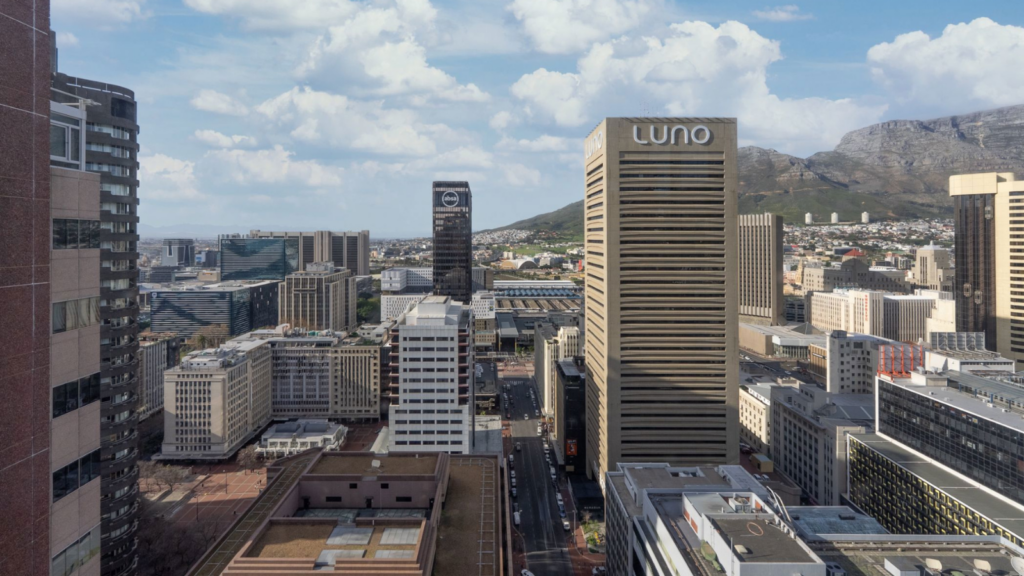
The latest figures show a clear gap between Cape Town and several of South Africa’s other major metros.
The city generated almost half of all net job growth across the eight metros, while Mangaung was the only metro to record a decline in employment.
The figures also show that Cape Town’s stronger job creation has been accompanied by greater labour market participation.
Hill-Lewis noted that there was still work to be done, but welcomed the number of people who had found employment during the period.
He said the City wanted to share its experience with other metros and believed that stronger economic performance across South Africa’s cities would benefit the wider economy.
The QLFS data shows that Cape Town’s employment performance has set it apart from the country’s other major urban centres.
With 418,000 jobs added between Q1 2022 and Q2 2026, the city was responsible for almost half of all net jobs created across South Africa’s metros during the period.




Comments