South Africans will have an extra public holiday in 2026


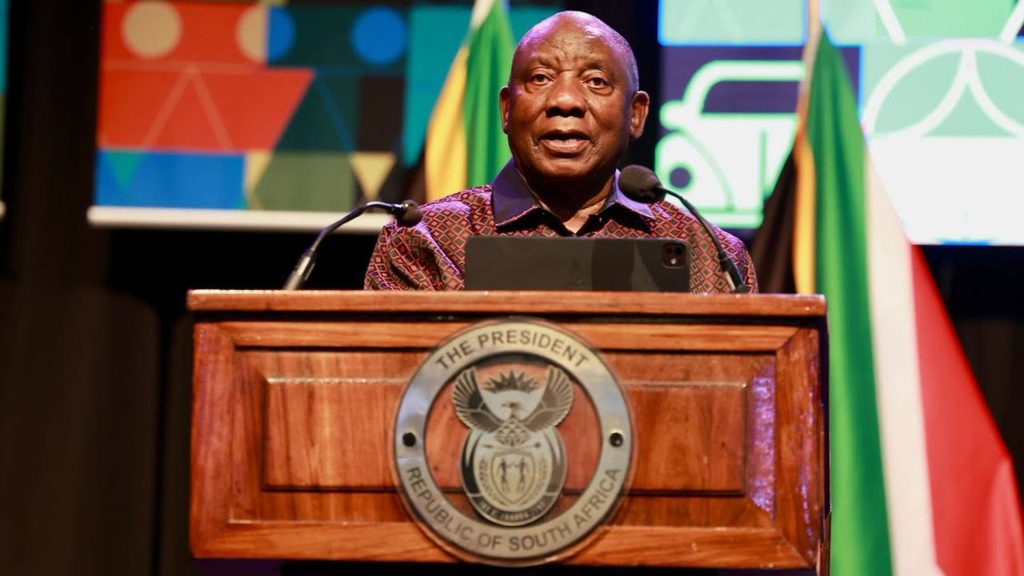
South Africans have been given an extra public holiday to vote in the upcoming 2026 local government elections.
President Cyril Ramaphosa has declared an additional public holiday on Wednesday, 4 November 2026, in terms of section 2A of the Public Holidays Act.
The additional public holiday is intended to enable South African citizens to cast their votes in the local government elections.
While this tradition of designating a public holiday on election day may be the norm for South Africa, this is not the case in most countries.
According to the Pew Research Centre, only 16 countries around the world hold their elections on a weekday designated as a public holiday.
Meanwhile, 28 countries hold their elections on an ordinary weekday, while most countries (60) hold theirs on a weekend.
Having a designated public holiday for elections has implications across the South African economy. Research from BDO estimated that the addition of just one public holiday in 2011 cost the GDP R7 billion.
Adjusted for inflation, that is worth R14.33 billion today. This results from factors such as reduced economic activity, reduced productivity, and higher wages.
The Basic Conditions of Employment Act 75 of 1997 regulates how much an employee must be paid for working on a public holiday, including any additional public holiday that is declared.
The law firm Cliffe Dekker Hofmeyr (CDH) said employers must specifically consider whether the public holiday falls on a day on which the employee would ordinarily work.
If the public holiday falls on a day the employee would ordinarily work, and the employee works on that day, they are entitled to double their ordinary wage for that day.
They are entitled to their ordinary wage for the day, plus the amount earned for the time worked on that day, if this amount is greater.
However, if the public holiday falls on a day the employee would ordinarily work, and the employee does not work, they are entitled to their normal wage.
If they work on the public holiday, they are entitled to their normal pay for the day, plus the amount they earn for the work they perform.
E-voting in South Africa
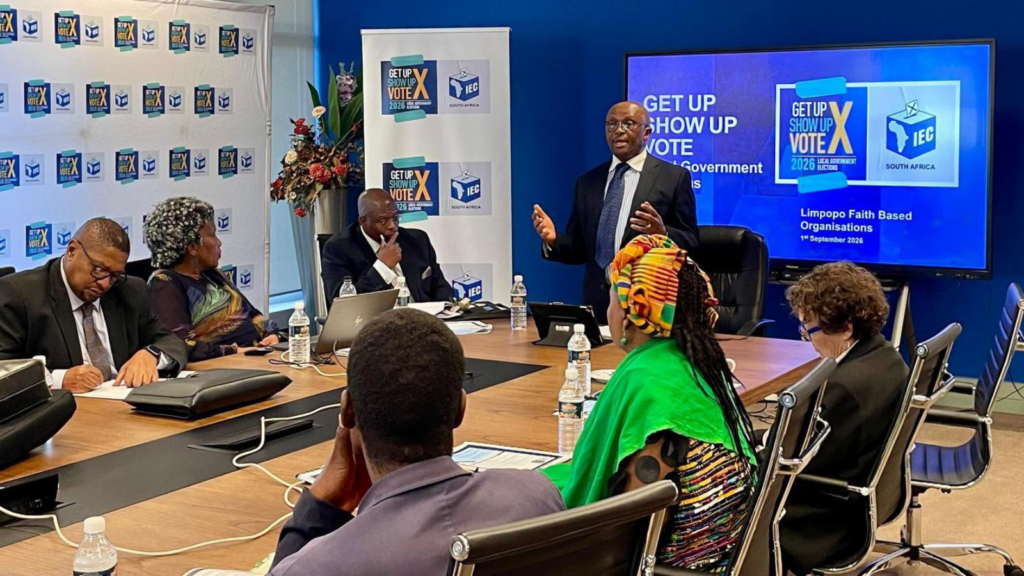
One mechanism which may reduce the need to hold elections on a public holiday is the introduction of electronic voting.
This idea has been on the table for years, and with the 2026 local government elections approaching, it once again became a topic of discussion.
However, in late 2025, the Independent Electoral Commission (IEC) confirmed that e-voting would not be introduced, and South Africans would once again have to use physical ballot papers.
“The commission has not yet decided on implementing electronic voting,” IEC officials said during a media briefing held in Centurion last year.
“The current physical ballot papers will be used in the forthcoming municipal elections as there is no official national policy nor legislative framework on electronic voting.”
E-voting can take different forms, including electronic voting machines at polling stations or remote voting over the internet. The systems are intended to make voting and vote counting faster and more efficient.
One of the main concerns raised about introducing e-voting is the potential cybersecurity risks. The security risks also differ depending on the system used.
Electronic voting in controlled polling stations can reduce some of the risks associated with remote internet voting, where ballots are cast from home.
“If you understand e-voting to mean remote voting, you’ll have apprehension about cyber attacks and foreign interference,” the IEC said.
“If, however, you accept that e-voting could also mean secured voting in a controlled environment, then the issues of cyber attacks are lessened because you can put in measures at a voting station to deal with those.”
Another concern the IEC has raised about introducing e-voting is that it could exacerbate existing inequalities for communities with less access to technology or connectivity.
“People are worried about the controls that will be put in place to ensure that whatever type of e-voting does not accentuate cleavages of inequality in society but rather transcends those difficulties,” the commission said.
While e-voting may not be a reality yet, the IEC assured that it was consulting with the public on whether electronic voting could be introduced in future elections.
“We urge all South Africans to actively participate in the ongoing public consultation on the feasibility and desirability of introducing electronic voting at some point in the future.”
Public consultations are being held across all provinces as the commission considers the potential benefits and risks of introducing the technology.





Comments