Woolworths out of excuses


Although Woolworths’ food segment has been resilient, the company’s fashion segment has struggled, and financial experts warn that blaming external factors won’t work anymore.
Woolworths recently released its results for the 26 weeks ended 29 December 2025, which revealed a mixed performance for the first half of its 2025 financial year.
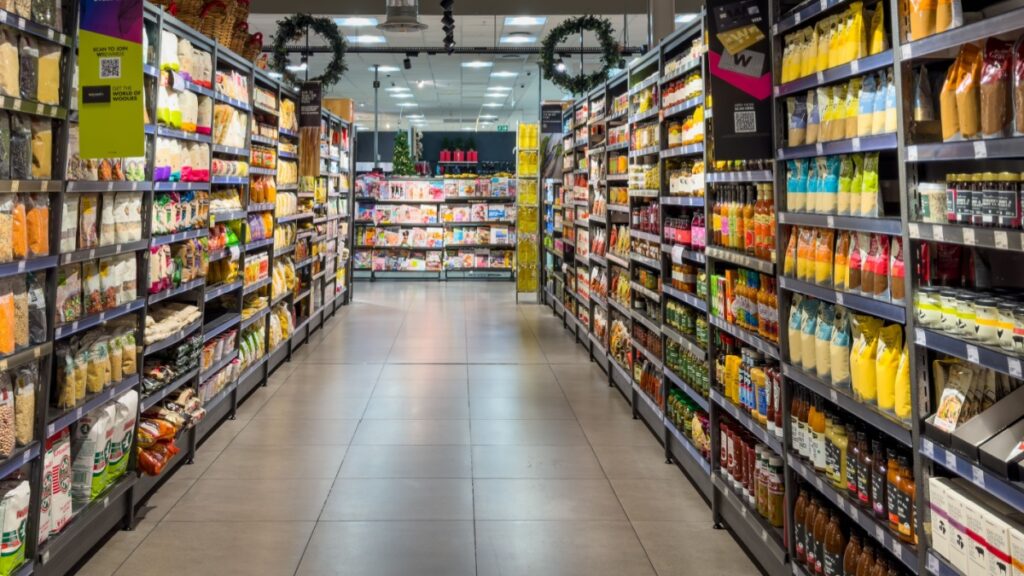
The retailer’s food segment had a strong performance, reporting 11.4% turnover growth and an improved gross profit margin of 24.9%.
In addition, the retailer’s on-demand grocery delivery service, Woolies Dash, saw sales increase by 49.2% and total online sales for Food rise by 37.2%.
However, the group’s Fashion, Beauty, and Home (FBH) segment performed much worse in comparison, with a reported turnover growth of only 2%.
Woolworths explained that its FBH segment was impacted by a temporary setback in product flow and late supplier deliveries, which led to reduced product availability in many of its stores during the peak festive season.
The group assured, though, that its FBH business continues to make steady progress against its strategic priorities.
However, analyst the Finance Ghost explained on the Kaya Biz podcast that Woolworths cannot keep blaming external factors for its disappointing performance.
In February 2020, Roy Bagattini was appointed Group Chief Executive Officer of Woolworths.
Previously, Bagattini held senior leadership positions in global consumer goods giants, including Carlsberg, SABMiller, and the clothing giant Levi Strauss & Co.
Given his experience in the industry, many expected the fashion business to flourish under Bagattini’s leadership.
This was exactly what happened during the first few years of his tenure. From 2021 to 2023, the FBH segment did incredibly well, the Finance Ghost said.
“It basically doubled its profit margin, and people were all worried about Woolworths Food and what Checkers was doing to it,” he said.
During that same period, the Finance Ghost warned that Woolworths was in a very precarious position, saying that “if anything goes wrong in this FBH recovery, anything at all, it’s going to get ugly. And here we are. Unfortunately, that is what’s happened”.

The Finance Ghost explained that the group has now had two years of really poor festive trading, which it has blamed on factors like the ports and the supply chains.
“I don’t think it works two years in a row to be blaming external factors. I don’t think that’s good enough,” he said.
Interestingly, he pointed out that their beauty section is performing quite well, growing by 17.3% during the first half of 2025.
On the other hand, the fashion and, to a lesser extent, home segments struggled during the period.
“It’s not like food where Woolworths sits in this beautiful competitive position right at the top end of the market,” the analyst explained.
“Clothing is just so much more competitive, and if you get it a little bit wrong, you get really severely hurt because you’re not just up against the other stores, you’re up against online, you’re up against the influx of cheap Chinese clothing.”
The Finance Ghost explained that in retail, unfortunately, all your mistakes are magnified.
“If one store does badly, it’s probably the case that it’s because something’s wrong with your product range and pricing. And then that’s your problem, literally across your entire footprint,” he said.
“That’s what makes retail CEOs such valuable assets. When they do well, they are making a big difference across the whole footprint, and they can earn their salaries many times over due to great decision making.”
“Unfortunately, the converse also applies. If it starts to go wrong, it goes wrong very quickly, and I think that’s the risk with Woolworths in the absence of some seriously impressive turnaround happening this year.”
If the quality at Woolworths takes a dive, consumers have plenty of other options, ranging from affordable international brands, like Shein and Temu, to other large local companies, like Foschini or Truworths.
“The clothing business is not performing well, and they can blame external factors all they want, but if your sole purpose as a retailer is to put stuff on your shelves and sell it, then if you don’t have the right stuff on your shelves how is that anyone else’s fault?”
Considering that the CEO has so much experience in the clothing industry, it makes the “weak narrative” of blaming suppliers and problems at the port even worse, the Finance Ghost said.
“This is what you do. You’ve dealt with clothing supply chains your whole career. The market needs more than that now. It is just an anomaly. Truly, it is,” he said.
“You can see the weirdness in the share price, and people are getting a bit concerned about where this thing is going at the end of the day.”
Despite the group performing well on the small side, they cannot simply rest on their laurels either.
South Africa’s grocery retail market is notoriously competitive, and in the last few years, Checkers-owner Shoprite has dominated the space.
Over the last decade, Woolworths has made a number of acquisitions, some of which have been notoriously unsuccessful.
For example, in 2015, it invested around R29 billion in David Jones, entirely funded by debt.
However, this acquisition proved to be a huge failure, and after years of disappointing performances, Woolworths sold David Jones for around R1.6 billion.
Last year, Woolworths got the green light from the Competition Commission to acquire Absolute Pets from Sanlam Investment Management.
This business increased marginally by 1.3% during the first half of the 2025 financial year, Woolworths reported.
However, the Finance Ghost pointed out that while Woolworths was busy buying Absolute Pets, Shoprite was building Petshop Science from scratch.
“That’s just an example of the difference. Woolworths is out there making acquisitions. Shoprite is building stuff from zero, building exactly what they want without having to spend a lot of money on an acquisition,” he said.
“The competitive environment is not going to get less severe for Woolworths. It’s only going to get worse, and the market needs answers.”
He added that Woolworths investors deserve the company to start taking action to fix its problems rather than keep blaming suppliers and external issues.





Comments