South African banks could get new powers to freeze SARS tax refunds


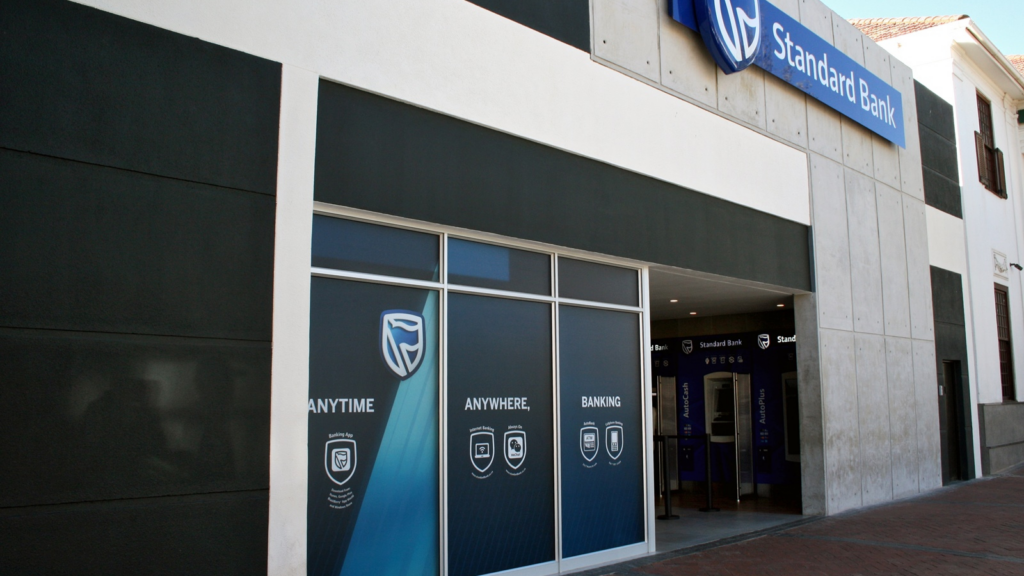
A new Draft Bill proposes allowing South African banks to identify, report and temporarily freeze suspicious SARS tax refunds for up to two business days while the tax authority investigates potential fraud.
The 2026 Draft Tax Administration Laws Amendment Bill proposes giving South African banks a greater role in combating tax fraud.
It does so by requiring them to report suspicious tax refunds and temporarily hold them while the South African Revenue Service (SARS) investigates.
Tax Consulting SA partner and head of strategic engagement and compliance, Jashwin Baijoo, said the proposal will expand SARS’ efforts to prevent fraudulent refunds by using banks as an early warning system.
The proposed amendment would amend section 190 of the Tax Administration Act to allow banks to screen tax refunds before or after they are credited to a taxpayer’s account.
If a bank reasonably suspects that a refund is linked to a tax offence, it would have to notify SARS and hold the payment for up to two business days while the tax authority investigates.
Baijoo said SARS is already working with banks to explore screening refunds before they reach taxpayers’ accounts. The aim is to stop fraudulent payments while ensuring legitimate refunds are paid more quickly.
He said this proposal forms part of the revenue service’s broader move towards using more financial data to detect fraud.
Financial institutions are already required to share certain information with SARS, and the latest proposal would deepen that relationship.
The draft amendment follows SARS’ success in reducing fraudulent VAT refunds and could extend similar fraud detection measures to personal tax refunds.
However, Baijoo noted that the draft legislation does not explain how banks will decide whether a refund is suspicious.
“There is no further guidance on what matrix will be used by banks to determine the risk of the deposit amount being linked to a tax offence,” he said.
The South African tax authority already has wide-ranging powers to recover tax refunds that it believes were paid incorrectly.
Where it suspects fraud or material misrepresentation, it can conduct audits, issue additional assessments and use various legal mechanisms to recover the money.
The proposed amendment would add banks to that process by allowing them to identify potentially suspicious refunds before the money becomes available to taxpayers.
SARS fraud is on the rise
The proposal comes as SARS continues to warn taxpayers about increasingly sophisticated refund scams during the 2026 tax filing season.
Fraudsters have been sending fake SMS messages and emails claiming taxpayers are due refunds and directing them to fraudulent websites designed to steal personal information.
Baijoo said criminals are now also using artificial intelligence to create convincing communications that are much harder to distinguish from genuine SARS correspondence.
SARS has repeatedly warned that it will never ask taxpayers for passwords, one-time PINs, banking PINs, or eFiling login details via email, SMS, social media, or phone calls.
The proposed changes also follow recommendations made by the Office of the Tax Ombud in its draft report into alleged eFiling profile hijacking.
The report found that criminals often gain access to taxpayers’ eFiling profiles, change their banking details and submit fraudulent tax returns to generate illegal refunds.
According to the Ombud, the refunds are frequently paid into newly opened digital bank accounts before the taxpayer realises their profile has been compromised.
In many cases, the amounts are deliberately kept below detection thresholds, although some fraudulent refunds have reached R100,000.
The report explained that preventing this type of fraud requires cooperation among SARS, banks, tax practitioners, and law enforcement agencies. Baijoo said the proposed amendment reflects that approach.
He noted that its success will depend on clear rules for banks when deciding whether a refund should be flagged as suspicious.
The draft legislation is currently open for public comment, with submissions to National Treasury and SARS due by 28 August 2026.
Baijoo warned that SARS is becoming increasingly aggressive in tackling tax fraud by working more closely with financial institutions and law enforcement agencies.
As such, taxpayers should also be aware that even smaller instances of non-compliance can have serious consequences. “Crime literally does not pay,” he said.




Comments