The man who makes R45,000 per month selling mopane worms, white ants, and firewood



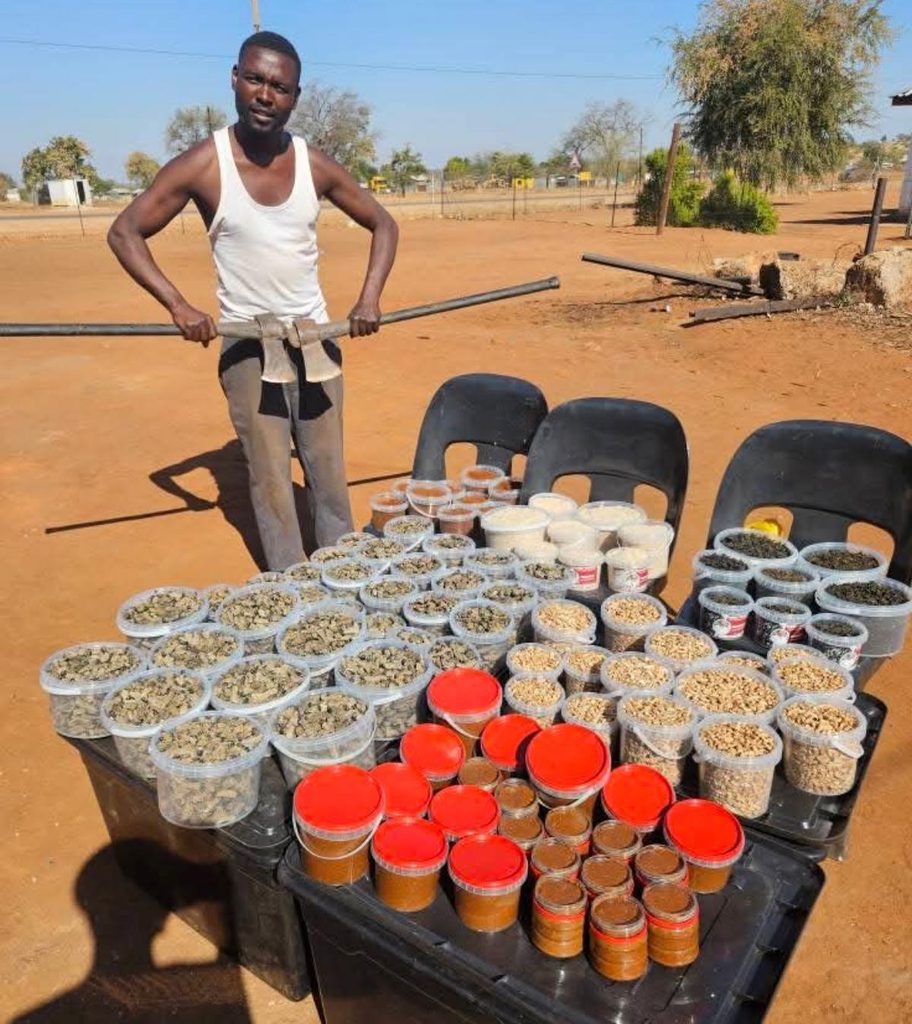
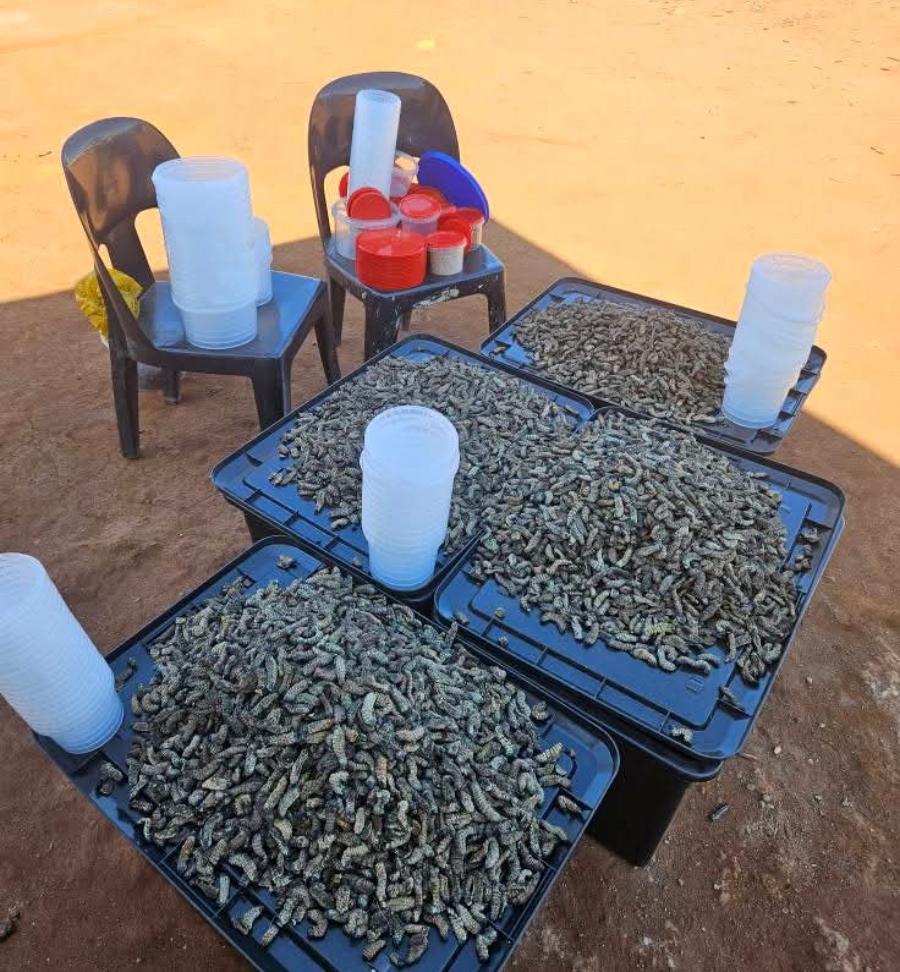
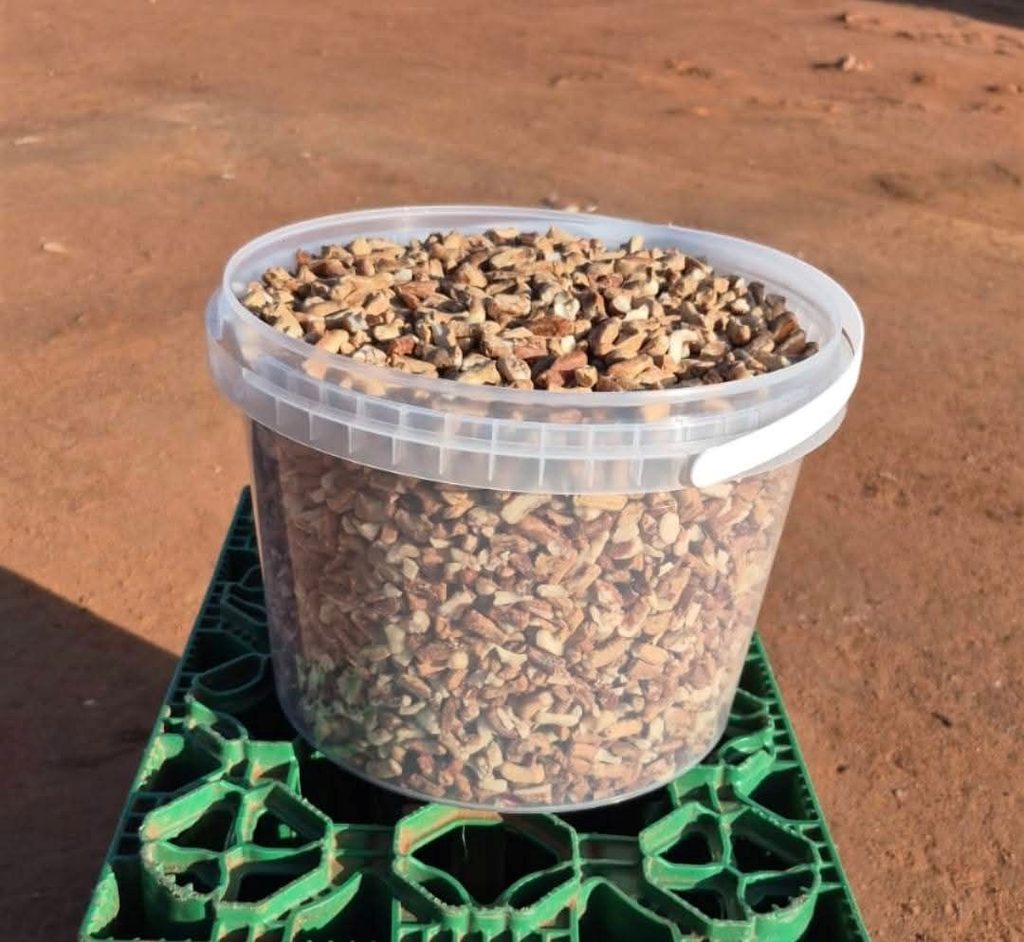
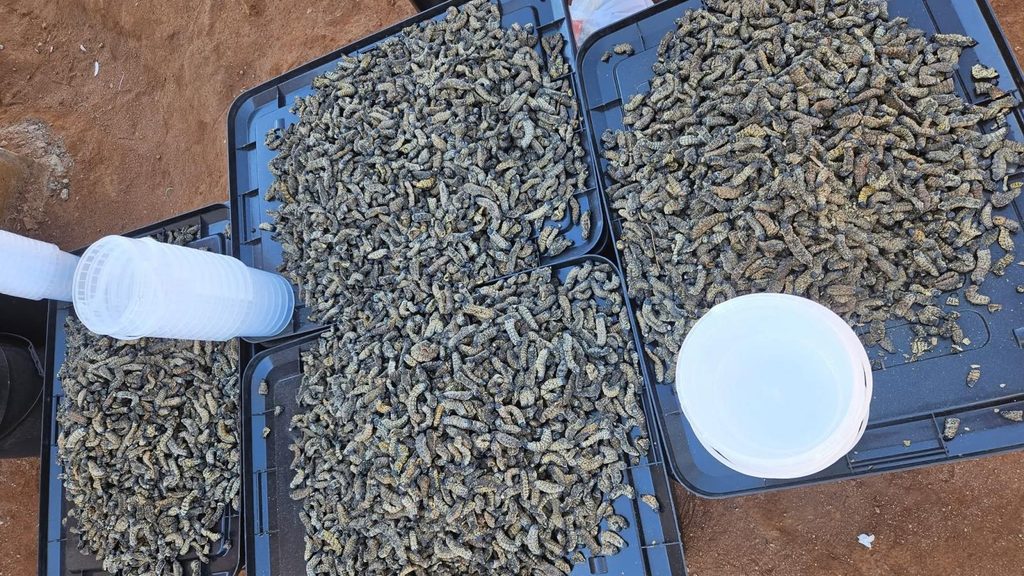
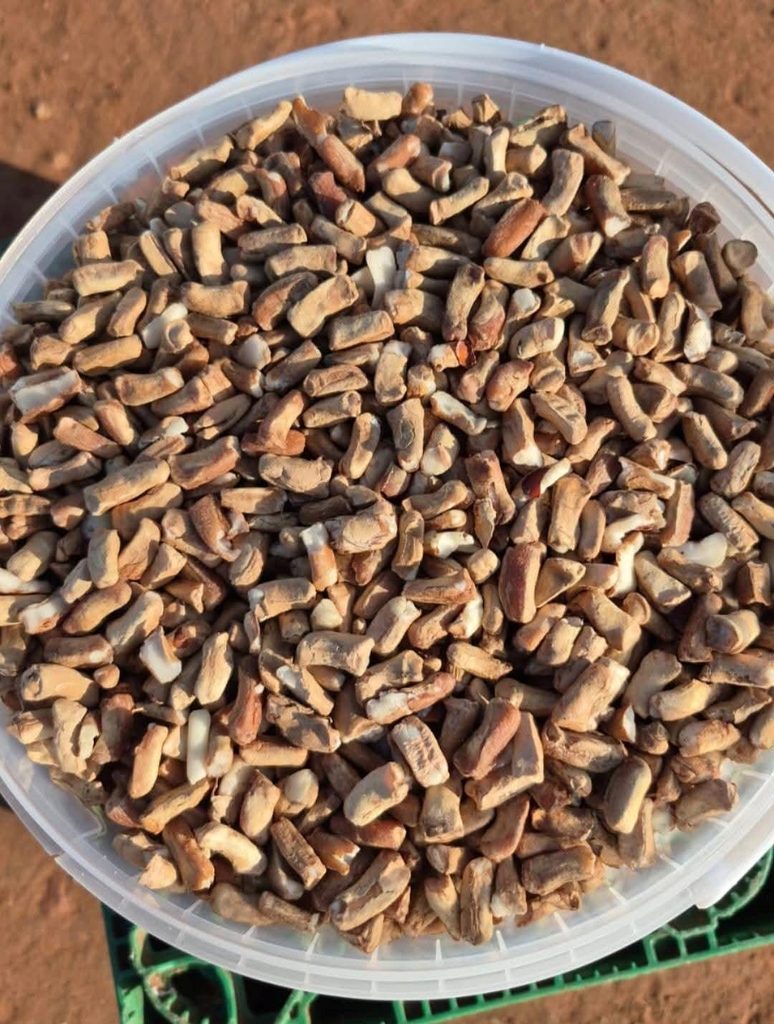
Mishak Pilusa founded and runs Vantswha Traditional Enterprise, which specialises in harvesting and selling wild indigenous delicacies.
Pilusa is an example of a successful informal economy entrepreneur who started a business catering to the needs of the rural market.
Vantswha Traditional Enterprise, based in Limpopo, is a multifaceted traditional business targeting a niche market.
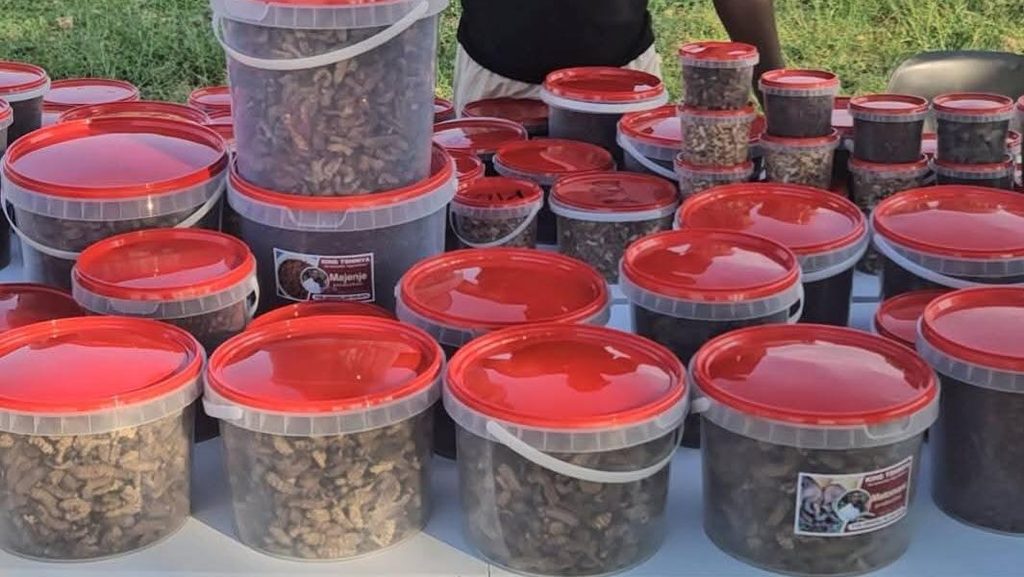
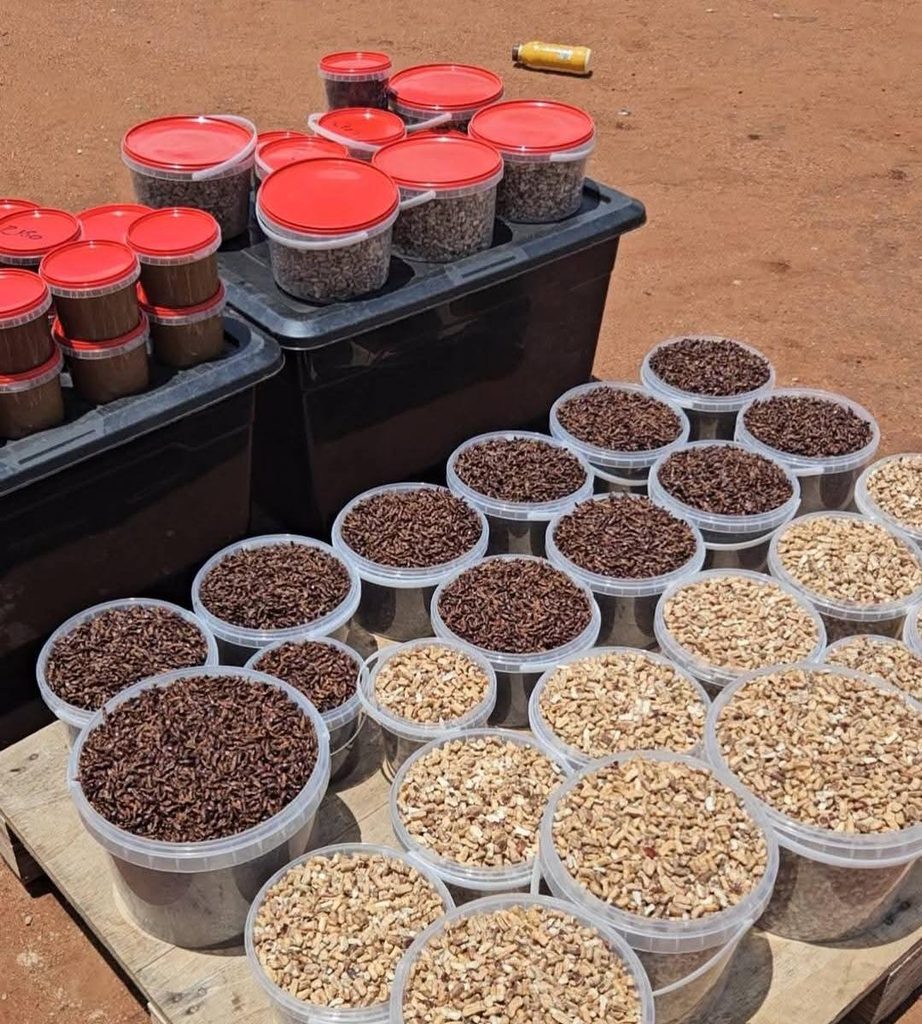
It harvests and sells indigenous delicacies, including matomani, known in English as ‘mopane worms’, and manjenje, or ‘white ants’.
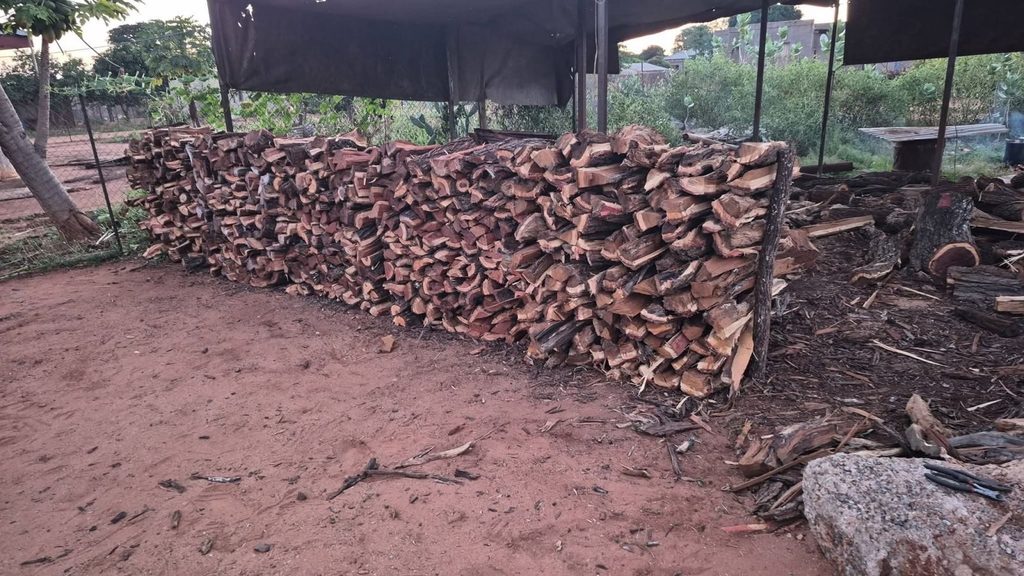
Apart from these indigenous delicacies, he also supplies firewood to clients and operates an in-house home salon.
There is a strong focus on affordability, whether it is selling mopane worms, providing firewood, or serving clients in his salon.
His clients include local community members, traditional food enthusiasts, and households seeking reliable firewood and grooming services.
Pilusa generates R1,500 per day across the combined operations and operates his business through cash and card.
He is planning to expand Vantswha Traditional Enterprise by focusing on his traditional harvesting and supply business.
Pilusa wants to grow this segment of his business into a regional packaging and distribution brand.
Through this, it will bring authentic Limpopo delicacies, which will be safely packaged and shipped, to markets outside the province.
His dedication to preserving and celebrating indigenous culture has already earned him high-level recognition.
He was invited to showcase his unique business to the Premier of Limpopo, proving that traditional businesses can achieve provincial acclaim.
Big growth in South Africa’s informal economy
Pilusa’s story is not unique. There are thousands of businesses like Vantswha Traditional Enterprise across South Africa.
Informal economy expert GG Alcock’s new book, KasiNomics Unleashed, sheds light on the size of this sector.
Most estimates suggest that the informal economy is worth at least R1 trillion. However, Alcock said it may be as large as R2.3 trillion.
The E-commerce Forum South Africa (EFSA) said that, despite its size, this market remains mostly untapped.
William Mokofe from the Walter Sisulu University also argued that the informal economy should be embraced to facilitate inclusive growth in South Africa.
“The informal economy should not be seen as a deviant or residual domain, but rather as a vital locus of economic activity, social resilience, and human ingenuity,” he said.
Many large banks, including Capitec and Standard Bank, have done so and launched services aimed at informal-economy businesses.
Capitec CEO Graham Lee said targeting this market is not as complicated as many may think.
This is because informal businesses share many of the same needs as those in the formal market.
Capitec can also tap into its extensive database to develop products specifically geared towards informal businesses.
“If you look at sort of any market segment, you can characterise them or use the same basic mental model in terms of understanding what their needs are,” he explained.
“What you see in the emerging market is very much the same needs as you expect of any business.”
Lee said the two most pressing needs for most businesses are the ability to transact and access to funding.
“We can see that at every tier in terms of business size and turnover, and you definitely see it also in the emerging market,” he said.
Vantswha Traditional Enterprise photos






Comments