End of an era for Woolworths


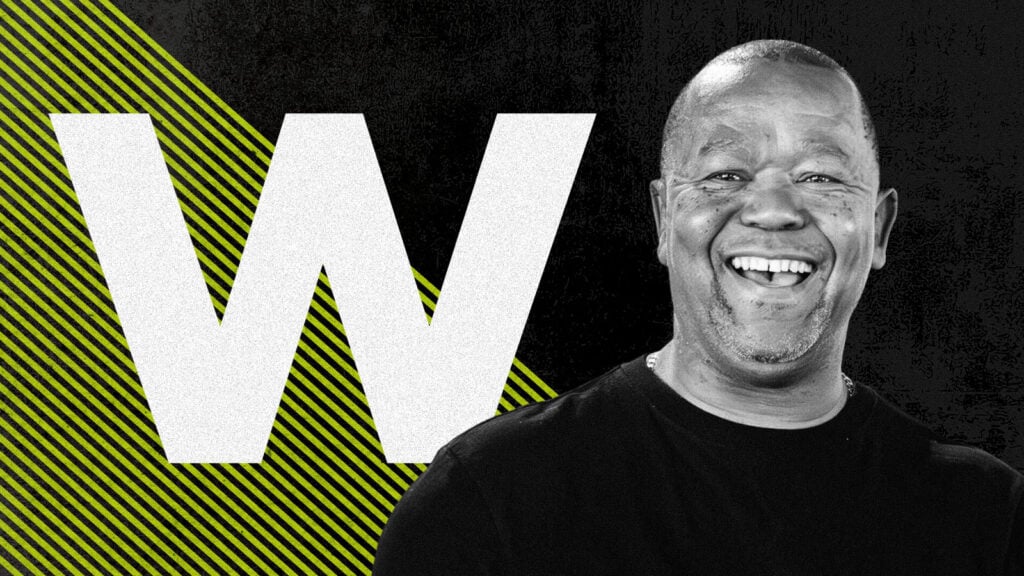
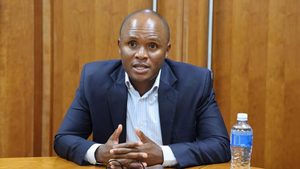
On Monday, 1 June, Woolworths’ new CEO, Sam Ngumeni, took the helm, marking the end of Roy Bagattini’s tumultuous tenure.
Ngumeni is taking on Woolworths’ top job at a difficult time for the retailer, as it faces supplier disputes, strange explosions at its stores, and an ongoing turnaround in its struggling clothing and Australian divisions.
Bagattini had led Woolworths since February 2020, taking over from Ian Moir during a tumultuous period for retailers across South Africa and the world.
Roughly a month after Bagattini took over, the Covid-19 pandemic hit and associated lockdowns put severe pressure on retailers as consumer spending and movement were limited.
Bagattini had extensive experience in the retail market, having held various top positions at Levi Strauss for nearly seven years. Prior to that, he worked at SABMiller’s international markets and the Carlsberg Group’s Asian operations.
When he was appointed as Woolworths CEO, the retailer said Bagattini’s extensive operational, management, and – crucially – turnaround experience will prove invaluable as the retailer seeks to navigate challenges in the sector.
At the time, Woolworths was in a place that may look familiar to analysts today – its Food business was booming, the Fashion, Beauty, and Home (FBH) segment was lagging, and its Australian operations were a mess.
In particular, the retailer was bleeding due to structural changes in the Australian retail sector and poor business performance at David Jones.
Woolworths had acquired David Jones, Australia’s oldest department store, in 2015, and the business was facing severe difficulty when Bagattini took the helm.
In its 2019 financial year, Woolworths impaired David Jones by AUS$437.4 million, swinging the group into a loss per share of 126 cents and forcing the retailer to reduce its dividend by 20.3%.
Essentially, Bagattini was thrown into the deep end, with Woolworths hoping his prior experience leading turnarounds would help the retailer improve its struggling Australian operations.
Naturally, Woolworths’ struggles did not improve in 2020 as the Covid-19 pandemic put retailers worldwide under pressure.
Its 2020 financial year saw Woolworths’ revenue, profitability, and sales decline. While its Food business remained a standout performer, its apparel business suffered, with sales down over 10% and operating profit plummeting by nearly 60%.
This would have been a challenging period to navigate for any CEO, much less one that had only recently taken the helm.
Lockdowns, supply chain struggles, and social unrest

Thrown into the deep end, Bagattini attempted to navigate the Covid-19 crisis as best he could, and his efforts paid off by the next financial year.
Notably, he implemented a capital plan that helped drive a 90% reduction in the retailer’s net borrowings, which also saw Woolworths’ return on capital employed increase from 9.2% to 14.9%
In the 2021 financial year, Woolworths also saw positive sales, revenue, and profit growth, aided by another standout performance from its Food business and a recovery in its FBH segment.
Despite intermittent lockdowns, the group also saw growth in Australia, with both David Jones and the Country Road Group reporting improved trade and profitability, thanks to higher full-priced sales and strict cost controls.
This was also the year in which Bagattini made a significant announcement – there would be no further flow of capital from South Africa to David Jones.
In the years prior, David Jones had become a notable thorn in Woolworths’ side, making Bagattini’s announcement excellent news for shareholders who had become frustrated with the bleeding business.
However, the next year would bring more challenges for Woolworths and Bagattini to navigate, including supply chain disruptions, social unrest and floods in South Africa, and continued Australian lockdowns.
Also coming off a higher base in 2021, this saw the group’s growth slow in its 2022 financial year, with even Woolworths’ booming Food segment coming under pressure.
Overall, the group still reported a solid performance that year, and a stronger cash position enabled it to increase its total dividend by 247.7% and initiate a R1.5 billion share buyback programme.
In addition, Bagattini held true to his 2021 commitment – no further capital had flown from South Africa to David Jones.
In fact, Woolworths had repatriated R1 billion from David Jones during the year and used that capital to reduce its debt in South Africa.
In the group’s 2022 Annual Report, Bagattini said he was pleased to report that David Jones was in “better shape than it has been for some time”, with the business now debt-free, self-funding, and having a clear roadmap to improving profitability.
“As such, we are in a favourable position to explore all future options in respect of this business, and how best to further unlock value for the group and our shareholders,” Bagattini said.
The following year, he announced that Woolworths would dispose of its entire David Jones shareholding.
Goodbye, David Jones

Despite Bagattini’s comments about the business’s improvements the year prior, Woolworths concluded the sale of David Jones in 2023.
The retailer sold David Jones at a significant loss, having acquired it for R21.4 billion, invested R7.2 billion in additional capital expenditure in the years that followed, and eventually sold it for around R1.6 billion in 2023.
Despite selling the business at a significant loss, the thorn in Woolworths’ side had now been removed, and the retailer’s future looked brighter.
The sale also unlocked R7.7 billion in value for shareholders and removed R18 billion in lease liabilities from Woolworths’ balance sheet.
However, the sale of David Jones would not mark the end of Woolworths’ Australian headache, as the Country Road Group continued to struggle amid the Oceanian nation’s highly constrained retail sector.
In the 2024 financial year, Woolworths shareholders experienced some déjà vu – the retailer’s Food business was a standout performer, its FBH business was struggling, and Country Road disappointed.
Both the FBH and Country Road businesses saw their sales decline that year, by 0.4% and 8%, respectively.
This coincided with Woolworths’ transition from its “fix, strengthen, and reposition” phase into an “optimise, invest, and grow” phase.
It was more of the same in 2025, though that year Woolworths recognised a painful R968 million non-cash impairment of goodwill and brand assets for the underperforming Country Road Group.
However, the sale of Woolworths’ Bourke Street investment property in Melbourne for R2.6 billion in that year helped boost its balance sheet.
Bagattini told shareholders in 2025 that, despite their struggles, the FBH and Country Road businesses were now well positioned for an expected turnaround following investments to improve their performance.

New man at the top
Based on Woolworths’ results for the first half of its 2026 financial year, Bagattini’s hopes seem to be coming to fruition.
While its margins remained under pressure, with profit down by a whopping 32.5%, the retailer saw strong turnover growth in that six-month period.
Its FBH business saw an over 6% increase in sales, marking a significant improvement from the prior year. The Country Road Group grew sales by 2.5% but saw its gross profit margin decline by 100 basis points.
This is where the Woolworths business finds itself as Ngumeni takes the helm – a still-booming Food business, a recovering FBH segment, and a remaining question mark over its Australian operations.
Ngumeni has been at Woolworths far longer than Bagattini, having joined the company in 2008 and served as an executive director since 2014.
Prior to taking the helm, he was the CEO of Woolworths’ Food division, which had performed exceptionally well under Ngumeni’s stewardship.
Now, all eyes are on Ngumeni to see whether he can do the same for the whole Woolworths group. A tall order for any CEO, but Ngumeni is taking on the task at a particularly difficult period for Woolworths.
Over the past few months, the retailer has faced blow after blow, ranging from disputes with suppliers – including the heated Beyers Chocolates issue – and strange explosions at its stores.
However, Ngumeni has every incentive to take this challenge by the horns, with Woolworths having introduced a special once-off outperformance share award for the new CEO.
If Ngumeni meets the associated targets, he could walk away with 995,715 Woolworths shares, worth as much as R100 million.
As Woolworths enters its new era under Ngumeni, shareholders will be waiting with bated breath to see how the new CEO tackles issues that have plagued the retailer for nearly a decade.
Ngumeni has been relatively quiet about his plans for the retailer, saying only that he feels a “profound sense of responsibility” to lead the business in the next phase of its growth.
This statement was made when his appointment was first announced, adding that he is “truly excited about the opportunities and challenges that lie ahead for us”.
Daily Investor reached out to Woolworths to find out more about Ngumeni’s strategy for the business, but did not receive a response.

Comments