The 133-year-old Standard Bank office that is now a modern art gallery


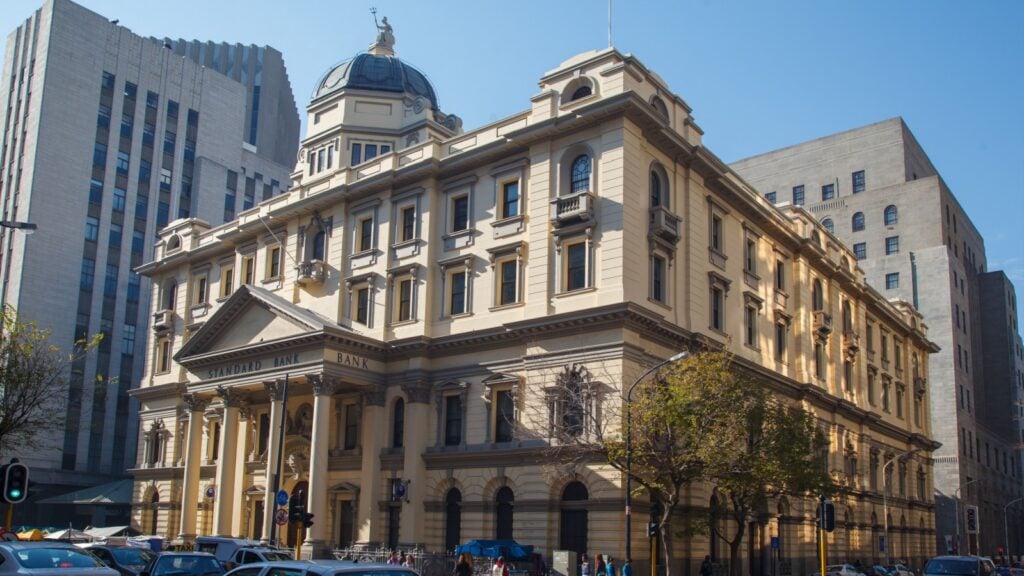
The Standard Bank building in central Cape Town is one of the oldest examples of an office in South Africa, having been built in 1893.
Now, the building remains fully intact and contains much of its original furnishings, but is used as an art gallery rather than a bank branch and offices.
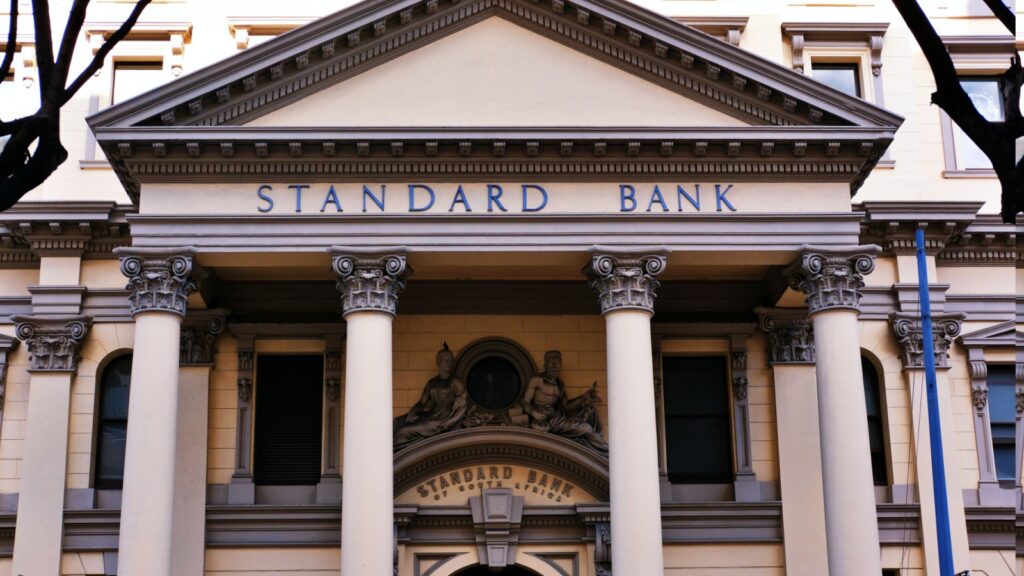
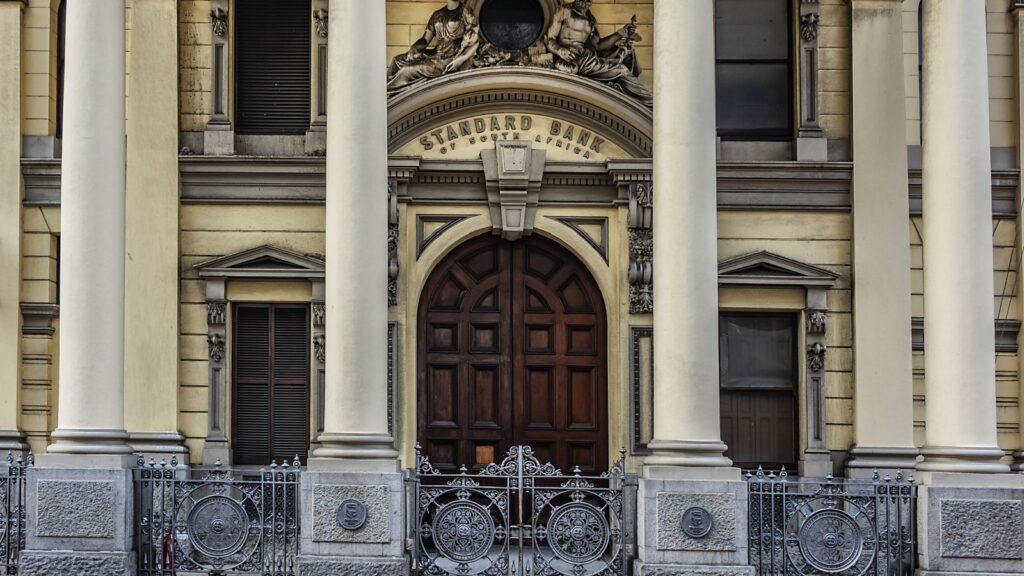
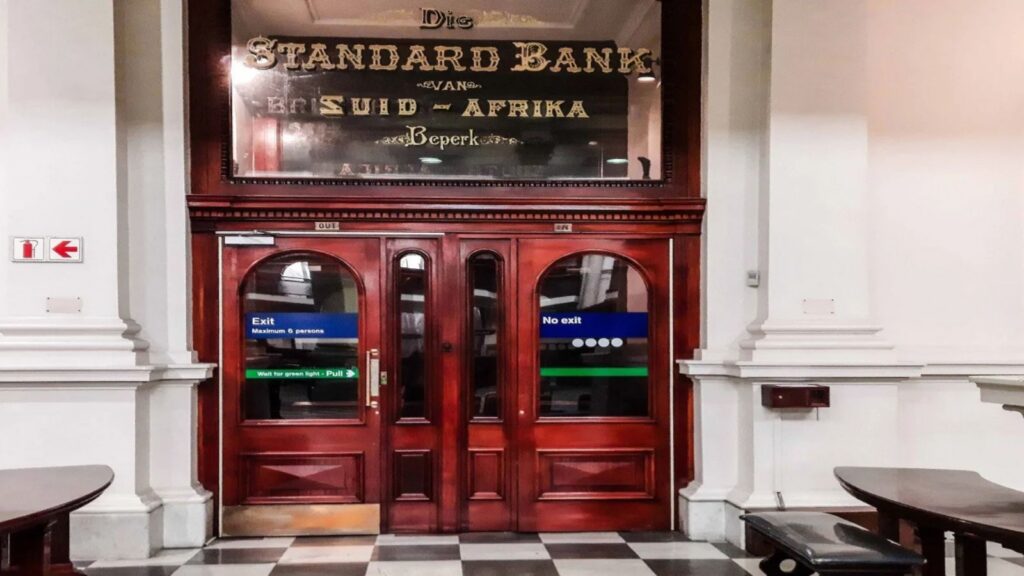
The Standard Bank of South Africa signage is still over the front portico, as drawn up in the plans in 1874, when the bank sealed a 99-year lease for the land.
While Standard Bank today is firmly a South African institution that operates across the continent, it was founded in London in 1862.
A group of South African businessmen from Port Elizabeth registered The Standard Bank of British South Africa and opened its first branch in the coastal city in 1863.
The bank initially functioned as a so-called imperial bank, raising capital in the United Kingdom and deploying it across British colonies in Southern Africa.
It is a unique fact shared widely by current CEO Sim Tshabalala that the bank’s only external hire for CEO was its first, Robert Stewart, who came from Scotland to run the bank from 1865 to 1875.
Stewart ensured the bank grew rapidly by acquiring smaller, local banks that lacked the capital needed for major expansion.
This gave Standard Bank a large footprint in South Africa, with many small towns still featuring the iconic bank branches at their centre.
The bank also quickly gained a reputation for seizing opportunities wherever they came, expanding into the South African interior after diamonds and gold were discovered.
Standard Bank famously began operating in Johannesburg from a canvas tent in Ferreira’s Camp in 1886 after gold was found in the city.
The bank has not forgotten these roots, with it continuing to expand across the continent at times when its competitors were hesitant and fearful.
Today, it has reaped the rewards of its African expansion and is firmly a bank rooted on the continent. The bank dropped the “British” from its name in 1883.
Standard Bank operates in 21 markets across the continent and several global financial hubs, with it now sitting on over R3 trillion in assets and is valued at R526 billion on the JSE.
Offices that stand the test of time

Evidence of Standard Bank’s lasting expansion across Africa can be seen in its offices and branches that dot many small towns and CBDs.
Many of these buildings, often designed in the neo-Baroque or neo-classical styles, are still standing today with original furnishings.
The most famous example is the bank’s former headquarters on Simmonds Street in the Johannesburg CBD.
This six-story building featured the largest banking hall in the world when it was built and still dominates the intersection below it.
However, this office resembles the bank’s shift towards Johannesburg as its headquarters in the late 1890s, with its historic offices being in Cape Town and Port Elizabeth.
The building on Adderley Street today is the oldest example of a Standard Bank office in Cape Town and provides insight into the early life of the bank.
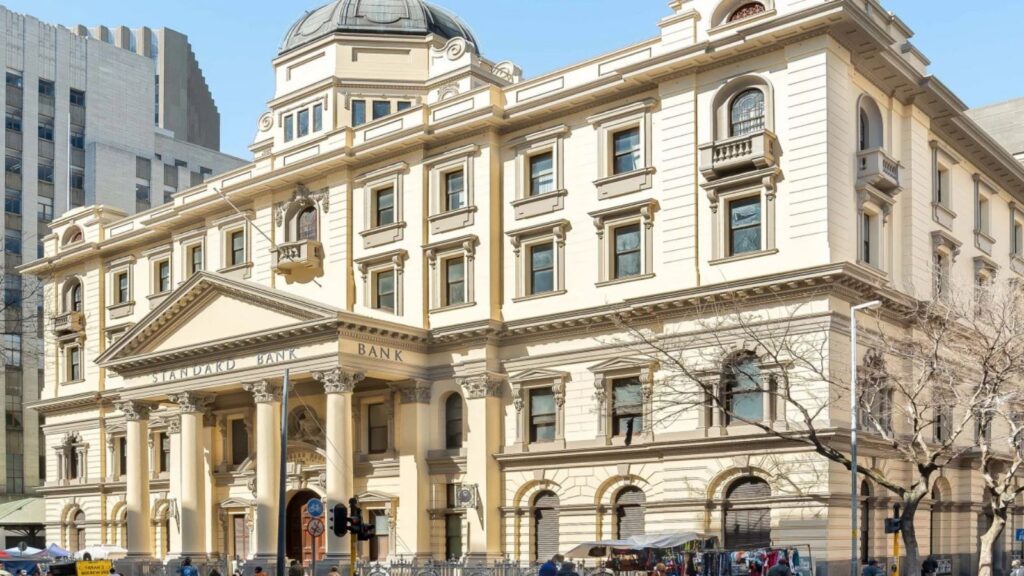
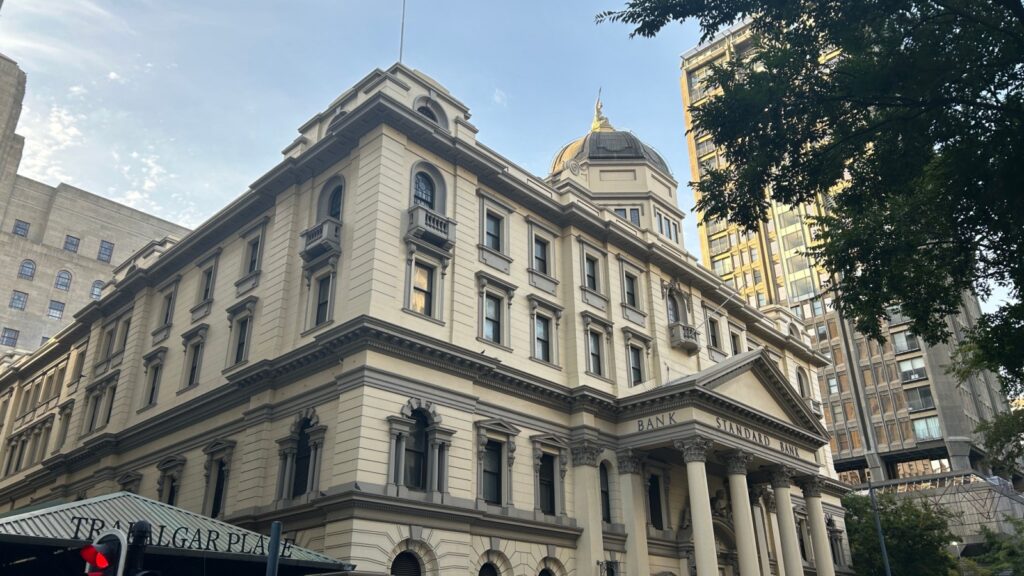
As the bank’s headquarters, the building was designed to impress and borrows many features from Ancient Greek and Roman temples.
The land on which it stands was secured by the bank in 1874 on a 99-year lease from the city at an annual rent of £150.
Plans were completed in 1881, and the building was finished in 1893. Additional floors were added in 1922 to house the growing staff complement.
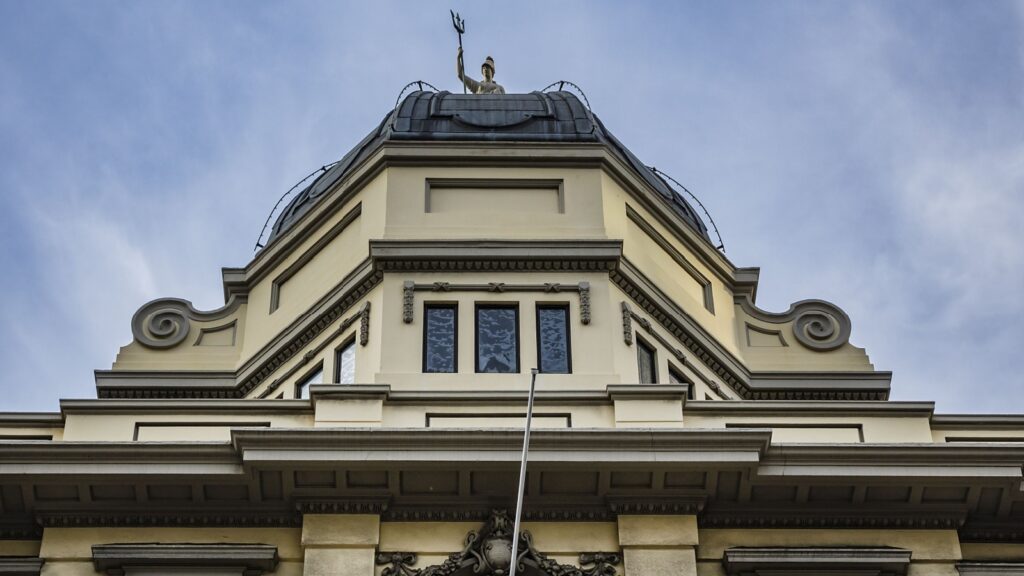
The building is a fine example of imperial architecture, with it featuring a colonnaded entrance and dome topped by a statue of Britannia.
Sculpted heads above the entrance represent Ceres, the goddess of agriculture, and Neptune, the god of the sea and commerce.
While the building retains its branch format, it was significantly renovated in recent years to give it a new lease on life.
Design Scape architects were tasked with turning the building into a modern art gallery while retaining the historic structure of the bank branch.
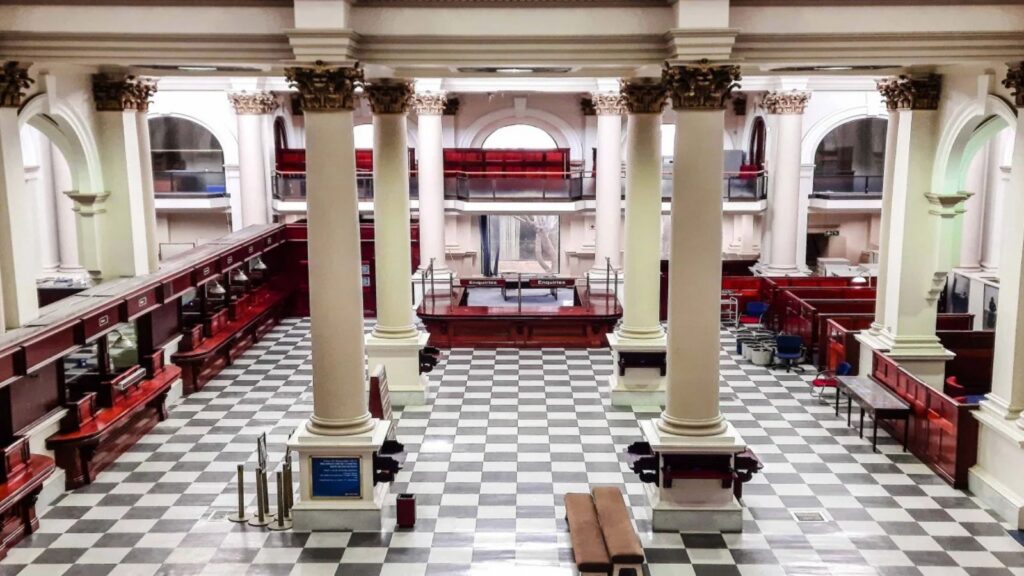
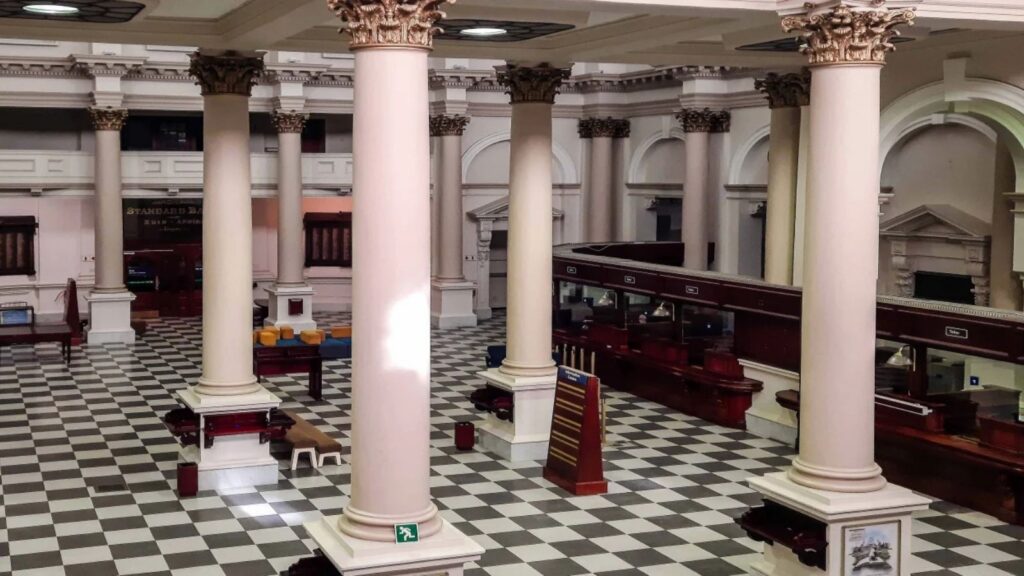
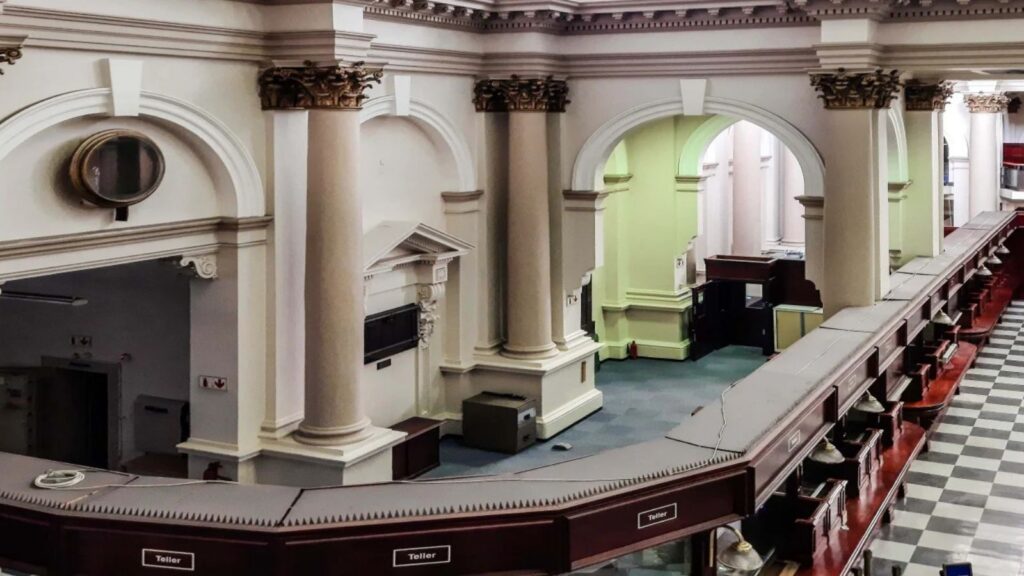
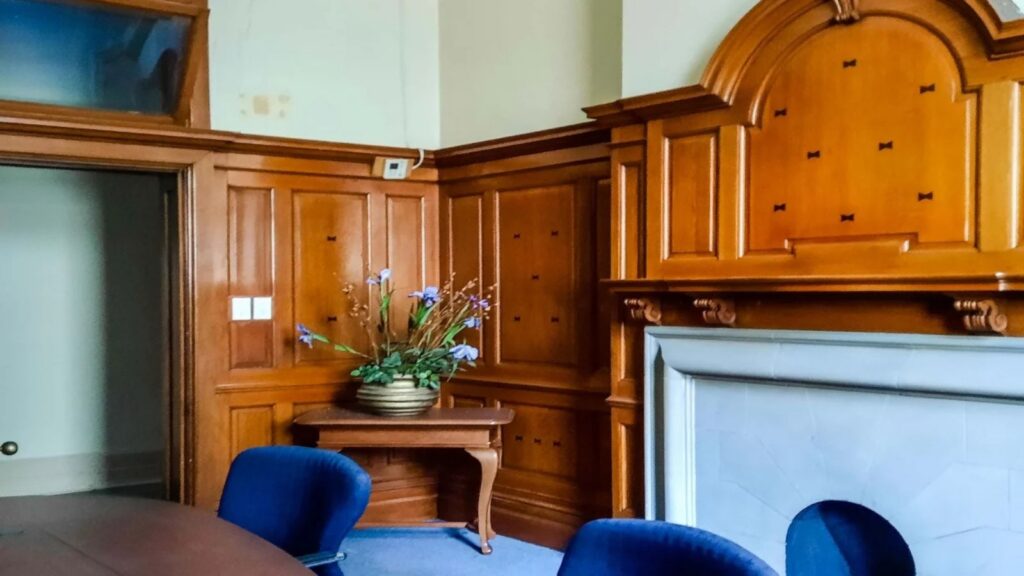
Today, the building retains the furnishings of a late 19th-century bank branch, with teller stations and areas to queue.
However, now, instead of supplementary office space, banking halls, and vaults, there are gallery spaces housing fine art.
Standard Bank office photos






Comments