Chinese brands are coming for VW’s crown in South Africa


Chinese cars are becoming increasingly popular among young South Africans, a segment traditionally dominated by Volkswagen (VW).
Brands from the Asian country have seen their share of sales surge in recent years due to their high-end tech offering at a relatively low price point.
This makes them extremely attractive to young buyers, data from Standard Bank vehicle and asset finance shows.
Young South Africans between 18 and 35 are increasingly looking for practical vehicles that offer them value for money. This is where Chinese cars are dominant.
Standard Bank recently unveiled data showing this generational shift in buying behaviour from young South Africans in its second Youth Barometer.
The bank’s barometer is based on transaction and behavioural data from its customer base between the ages of 18 and 35.
This helps Standard Bank inform how it develops products and services, while also being a useful measure of how young South Africans are spending their money versus previous generations.
One of the areas where the clearest generational shift has occurred is in vehicle and asset finance, with young South Africans focusing on necessity over luxury.
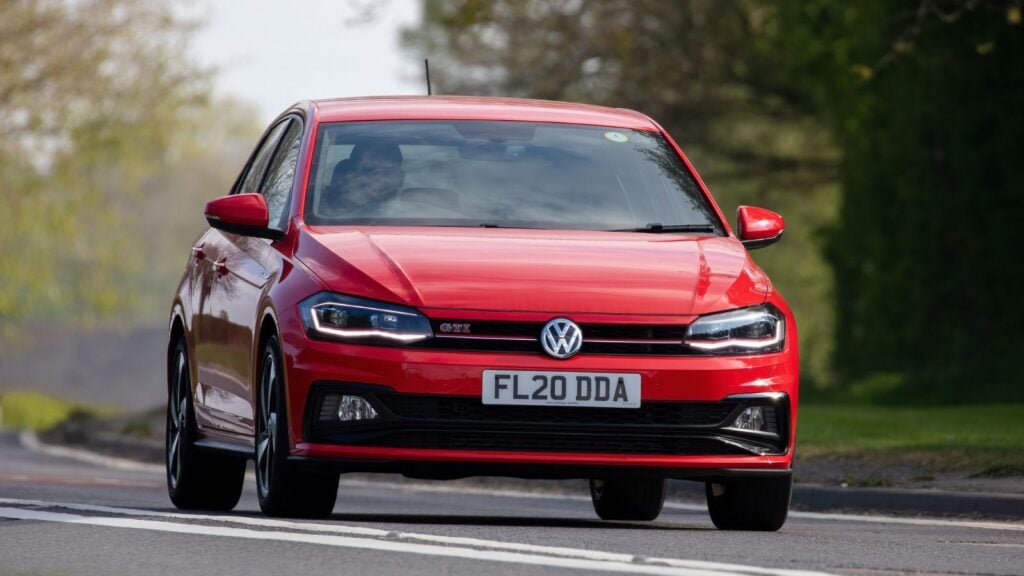
Previous generations splurged on Polos, Golfs, Ford’s ST variants, and even BMW 1 Series vehicles. They saw cars as status symbols and an extension of their identity.
Nowadays, young South Africans see a car as a primarily economic choice, with vehicle ownership being critical for employment.
Despite economic pressures and high youth unemployment, demand for cars among young South Africans remains high, Standard Bank’s data showed.
“This shows that those with jobs have continued to prioritise vehicle ownership, even as financial pressures mount,” the bank said.
“Many see it as a worthwhile investment in maintaining their independence and ability to participate in the economy.”
Under-35s account for over a third of all cars financed by Standard Bank, with R89.2 billion worth of cars financed in this segment over the past five years.
Most of these purchases were not made by the highest-earning youth. Clients earning between R20,000 and R50,000 per month accounted for 51.9% of all purchases.
They were followed by those earning more than R50,000 per month, who represented 23.7% of all vehicles financed by the bank.
Chinese brands taking over
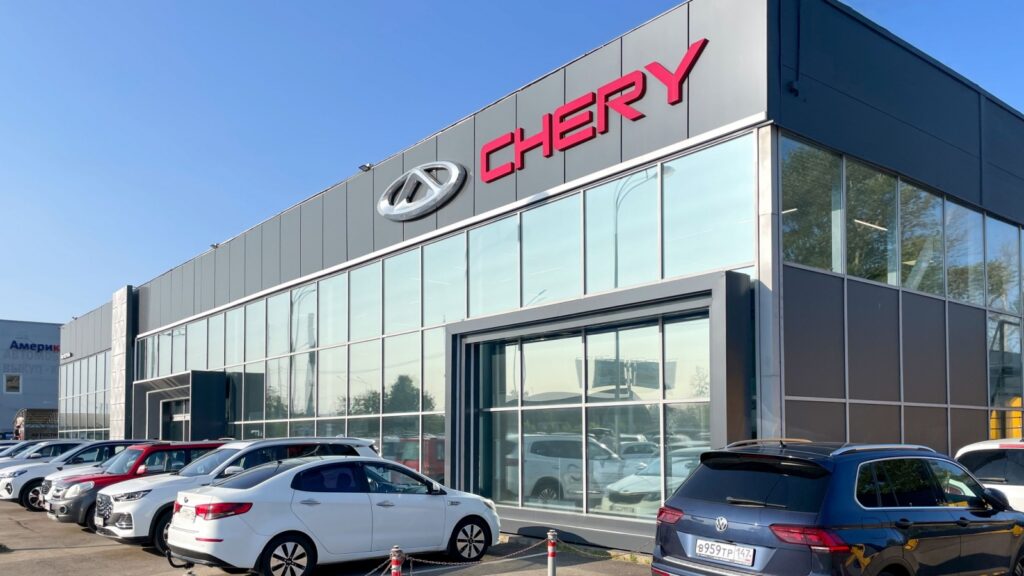
The most notable change from 2021 to 2026 has been the rise of Chinese vehicles, particularly those sold by Chery and Haval.
Standard Bank head of national internal sales for vehicle and asset finance, Mothusi Dire, said that these brands have transformed the entry-level segment.
Through competitive pricing and high-spec offerings, Chinese brands have become dominant players in these segments, typically the stomping ground of VW and Toyota.
Chinese brands have emerged as the fastest-growing part of the market, with deal values rising by 423% between 2021 and 2025.
Dire explained that the bank has noticed the shift, with it increasingly financing Chinese cars for young South Africans as they search for practicality.
By the end of April 2026, they accounted for 16.7% of all originations at the bank, making China the third-largest manufacturing country in its portfolio.
While brands from China still lag VW, Toyota, and Suzuki, they are growing rapidly and are steadily climbing their way up the rankings.
“Growth has been led primarily by Chery and Haval (GWM), with Chery showing particularly strong expansion in recent years,” Dire said.
“Chinese-brand adoption among under-35 clients has grown significantly, increasing from 3.1% to 11% of financed cars between 2021 and 2025.”
Adoption has grown across all age groups and segments, indicating that Chinese brands have moved beyond niche appeal and are now established competitors.
Furthermore, Chinese-brand deals tend to be of higher value for the bank, as more of these cars are bought new than those from other brands.
This is due to their low price point being similar to that of a used car, while also having high specifications that compete with new cars.
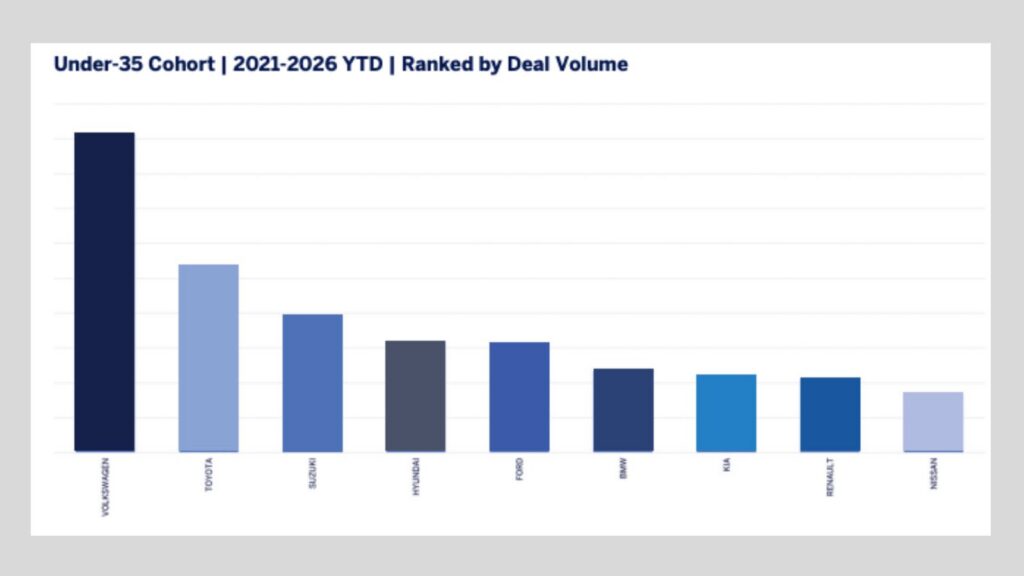
Volkswagen remains the dominant brand among under-35 clients, driven primarily by the Polo and Polo Vivo. Together, these models account for more youth originations than Toyota’s entire portfolio.
Toyota ranks second among under-35 buyers, followed by Suzuki, which recorded some of the strongest growth during the analysis period. Among premium brands, BMW ranks sixth.






Comments