Construction delays, budget overruns, and project failures drive up property prices in the Western Cape


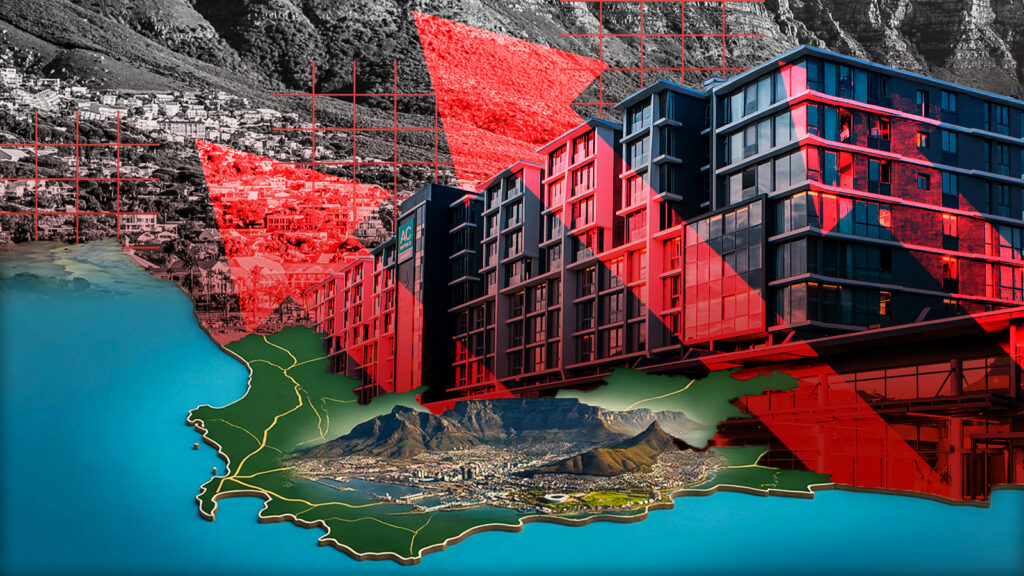
Construction costs in the Western Cape are becoming increasingly unpredictable, putting developers at risk of expensive delays, budget overruns, and project failures while adding to affordability pressures for homebuyers.
Currency volatility, global supply chain disruptions, rising fuel prices, and escalating logistics costs are creating uncertainty for contractors, developers, homeowners, and businesses alike.
While cost fluctuations have always been part of construction, the current challenge extends beyond rising prices. Increasingly, stakeholders are struggling to predict what projects will ultimately cost by the time they are completed.
“Construction pricing has become far more volatile,” said Master Builders Association Western Cape (MBAWC) chairman and Corobrik’s marketing committee and regional sales manager, Chandré Abrahams.
“Many building inputs are imported or influenced by global markets, making them vulnerable to currency fluctuations.”
Combined with local inflation, rising fuel prices, and higher logistics costs, Abrahams said it is increasingly difficult to price projects with certainty. The impact is being felt across the construction value chain.
Steel, aluminium, electrical equipment, mechanical systems, specialised finishes, and other imported products remain highly exposed to currency fluctuations and global supply pressures.
Even locally manufactured materials are becoming more expensive due to rising transport, fuel, and energy costs.
Fuel remains one of the most significant cost drivers, according to Western Cape Property Development Forum chairperson Deon van Zyl.
The impact of fuel costs extends far beyond transportation. “Fuel price hikes affect every stage of the property development process,” Van Zyl explained.
“The impact is particularly significant in site preparation and civil works, where heavy machinery relies on diesel. These costs ultimately flow through the entire project.”
At the same time, supply chain instability continues to disrupt project delivery. Delays in securing critical materials can stall projects, drive up labour and site costs, and expose projects to further inflation.
Contractors are also increasingly forced to source alternative products at short notice, adding cost and potential quality or compliance risks.
Delays, fixed-price contracts and weak risk-sharing drive up construction costs
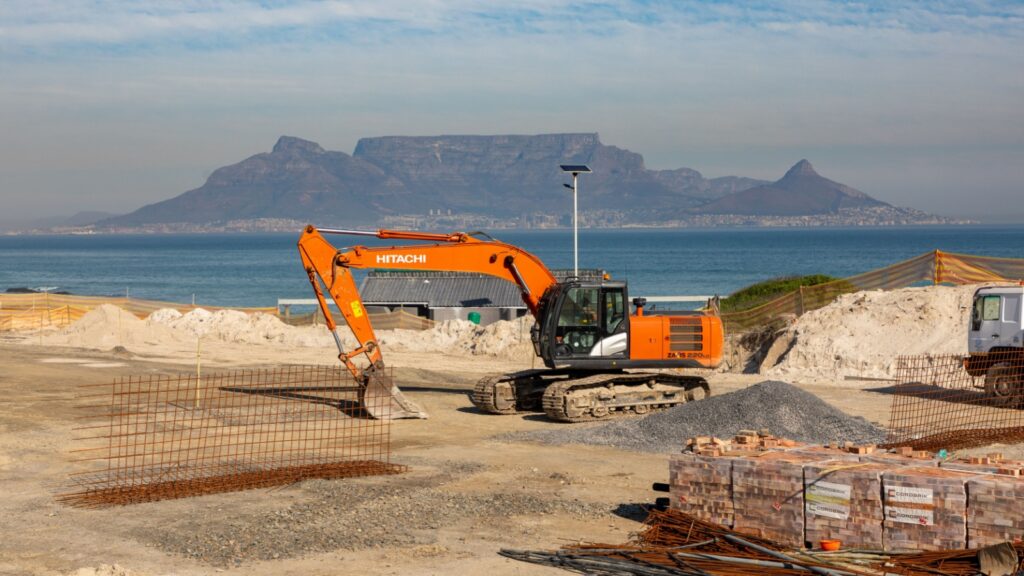
Van Zyl also pointed to delays in approvals and decision-making as a growing source of uncertainty, with extended timelines increasing exposure to cost escalation.
The consequences can be severe, including budget overruns, project delays, contractor insolvency, contractual disputes, and compromised quality.
With margins already very tight, even modest cost increases can do significant financial damage to the contractors.
They often bear the immediate pressure, particularly on fixed-price contracts where costs continue to rise after pricing is agreed.
However, the impact ultimately flows through to developers, businesses, and homeowners in the form of delays, variations, affordability pressures, and reduced project scope.
“Too many contracts focus on transferring risk rather than managing it,” said GVK-SIYA ZAMA Contractors’ business development executive, Graham Brookman.
“In a volatile environment, fixed-price tenders and unrealistic commercial terms can lead to under-pricing, disputes, financial strain and compromised outcomes.
According to Brookman, the most successful projects are those where all stakeholders work together to manage risk.
Industry stakeholders are also calling for more flexible procurement models, transparent escalation mechanisms, and shared-risk contracts to better manage market volatility.
Homeowners and businesses can also reduce exposure to cost increases by locking in pricing early, prioritising local materials, and building contingencies into budgets.
Avoiding late design changes and appointing experienced, compliant, and financially stable contractors can also help shield against surging prices.
Washirika 3 Oaks business development executive Tim Scholtz said early contractor involvement remains one of the most effective tools.
“It improves cost certainty through market insights, procurement planning and buildability input and helps identify high-risk materials, alternative solutions, and supply chain constraints early, allowing risks to be managed proactively,” he said.
MBAWC executive director Petra Devereux said that the industry must shift from reactive cost-cutting to proactive risk management.
She added that collaboration will be critical to protecting both projects and businesses from future shocks. “The construction sector cannot solve these challenges through cost-cutting alone,” she said.
“Greater transparency, realistic budgeting, early collaboration and fair contract mechanisms are essential to protect project viability, maintain quality and support long-term sustainability.”





Comments