Big changes to iconic South African shopping mall paying off


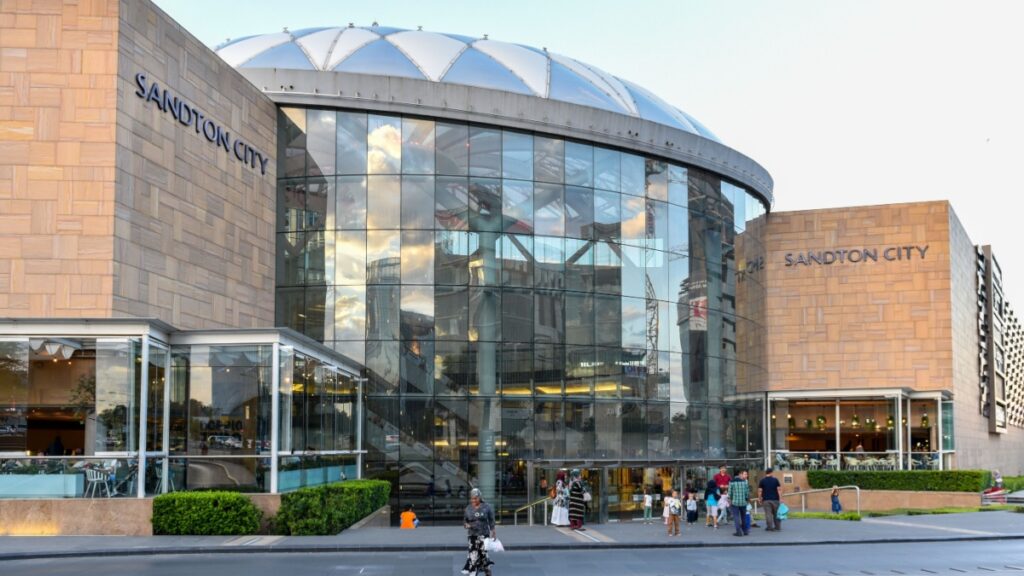
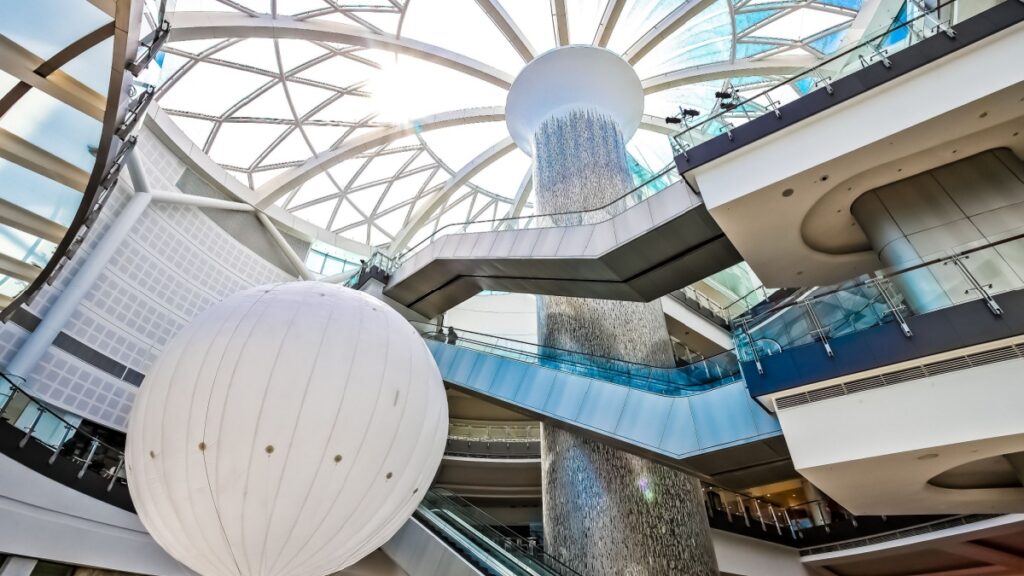
Sandton City has achieved a record 99.9% occupancy rate after the mall underwent an extensive overhaul to reposition its offering.
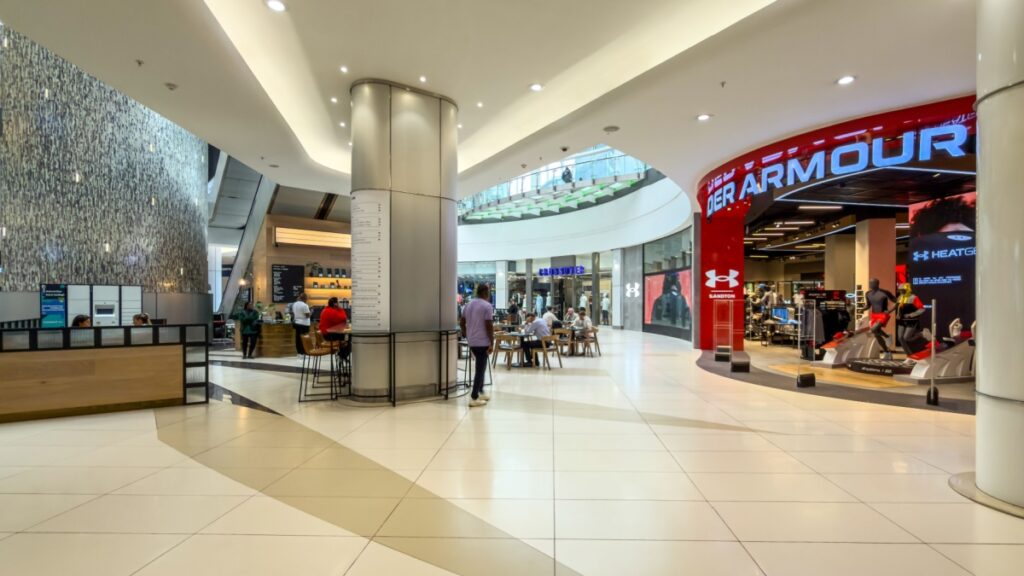
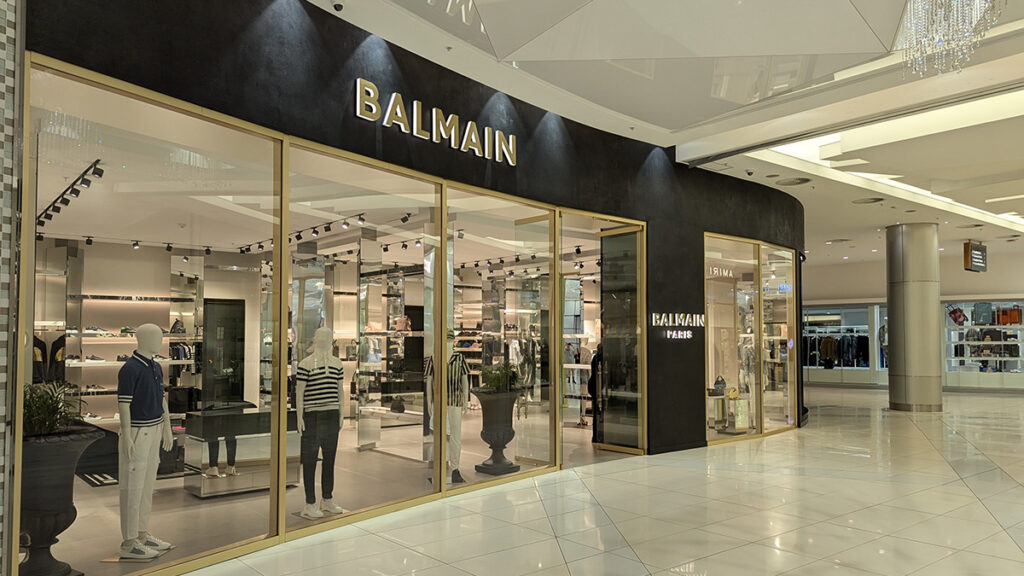
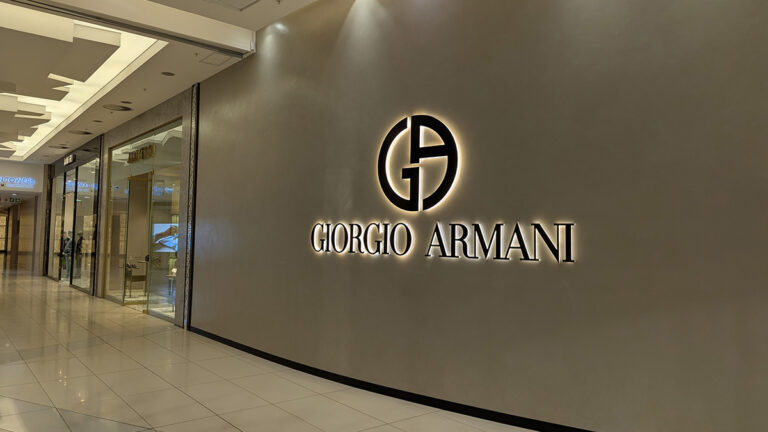
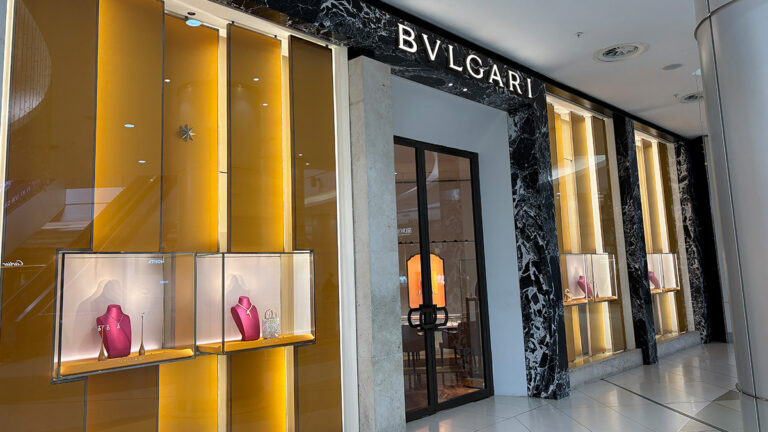
The mall is South Africa’s second-busiest and is home to some of the world’s most exclusive brands in its famous Diamond Walk.
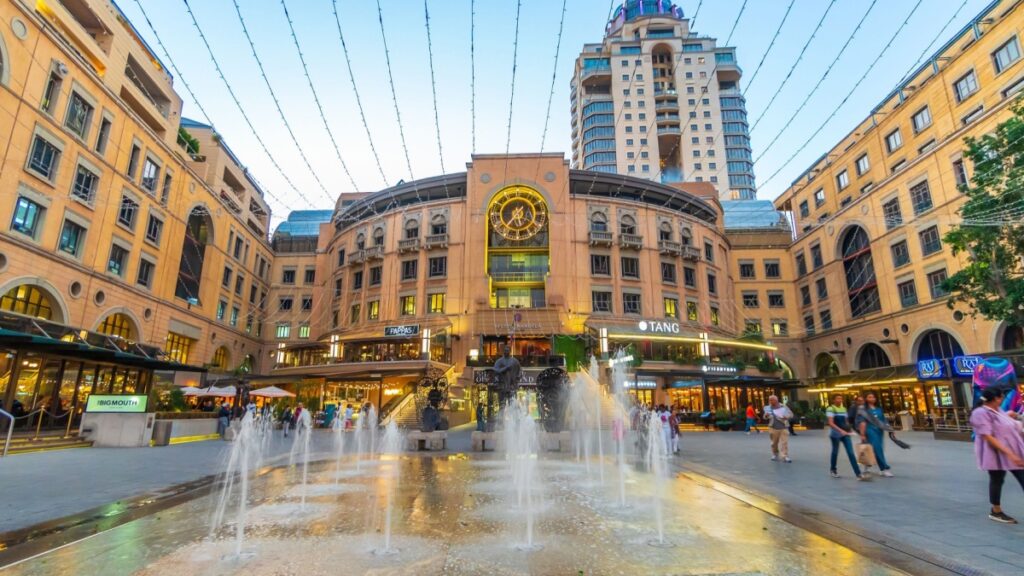
It has undergone immense changes since its first launch in 1973, with it adding the Nelson Mandela Square complex and a twenty-one-storey office building.
The shopping centre was first developed by Rapp and Maister before being taken over by Liberty Life, now Liberty Holdings, and managed by its property arm, Liberty Two Degrees.
After Liberty’s minority shareholders were bought out by Standard Bank in 2022, the mall underwent some significant changes.
The mall has described this as a “deliberate repositioning journey” to enhance its tenant mix and ensure it could maintain a high occupancy level.
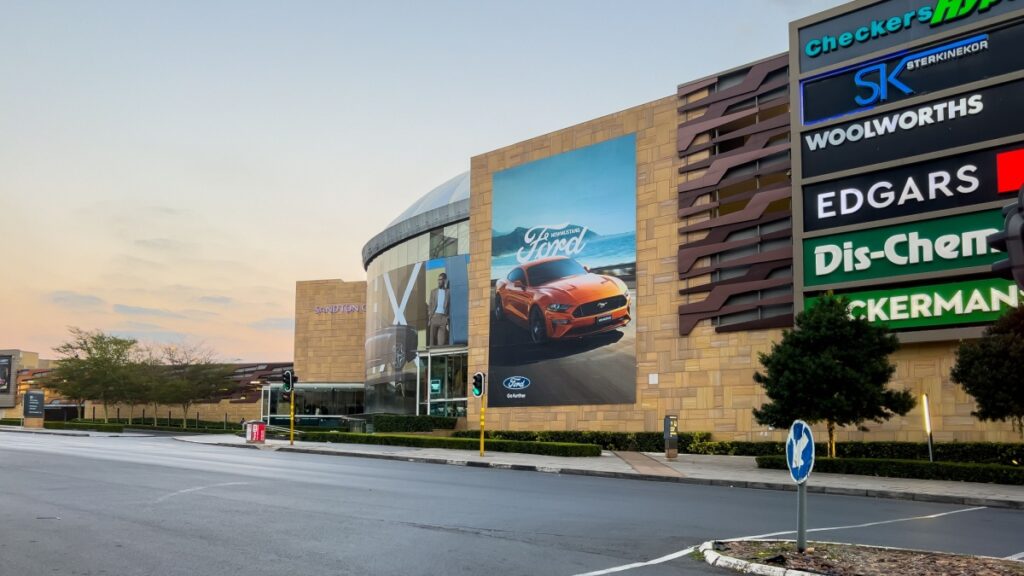
This transformation began with the rightsizing of Edgars, which enabled the creation of a dynamic athleisure node that continues to attract high-performing global and local brands.
The mall also made a noticeable push towards exclusivity, with it being home to the Crocs Icon store, which is the second in the world, for example
It has also had exciting new store openings in 2025, including leading international brands Marc Jacobs and Kate Spade. More recently, it was the location for the first-ever Springboks retail store.
At the same time, existing store favourites such as Mango and Ferragamo are undergoing refurbishments set to enhance shoppers’ experiences.
This has resulted in the mall achieving a 99.9% occupancy rate, marking another milestone in the asset’s ongoing journey of strategic transformation and leasing success.
The result underscores the strength of tenant demand for premium retail space and the strategic changes applied by the property business line of the Standard Bank’s Insurance and Asset Management business unit.
Over the past two years, Sandton City has concluded 50 new leasing deals and facilitated 46 store upgrades, representing more than 30,000 m² of lettable space.
The centre’s trading density has grown by 12.1% over the same period, significantly outperforming national benchmarks.
Vacancy rates have improved from 3.6% in January 2025 to just 0.1% in October 2025, reflecting the sustained appetite for quality space among both local and international retailers.
Sandton City’s recent evolution reflects a broader vision that goes beyond leasing metrics, with the mall looking to reduce its reliance on Eskom and municipal services.
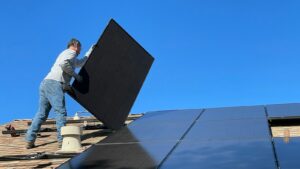
These include the commissioning of a 1MW solar rooftop installation, the adoption of energy wheeling solutions, and continuous upgrades aligned with the Net Zero 2030 ambition.
With limited roof space, a rooftop solar installation is not enough to cover the entire energy demand of Sandton City, requiring the wheeling of electricity through Eskom’s grid if the centre is to go completely off-grid.
The Independent Energy Pool (IEP) allows electricity consumers, generators, and traders to buy and sell electricity to deploy wheeled renewable energy solutions for Sandton City.
Management has also opened up the mall’s rooftop for business operations, which aims to increase dwell times and increase trading density further.
The initial implementation of Sandton City’s rooftop initiative began with installing Net Set Padel, a premium padel centre located at entrance 8, with the indoor courts officially opened in March 2025.
The rooftop facility, which offers sweeping 360-degree views across the Sandton skyline, features four indoor and four outdoor padel courts built to international standards.
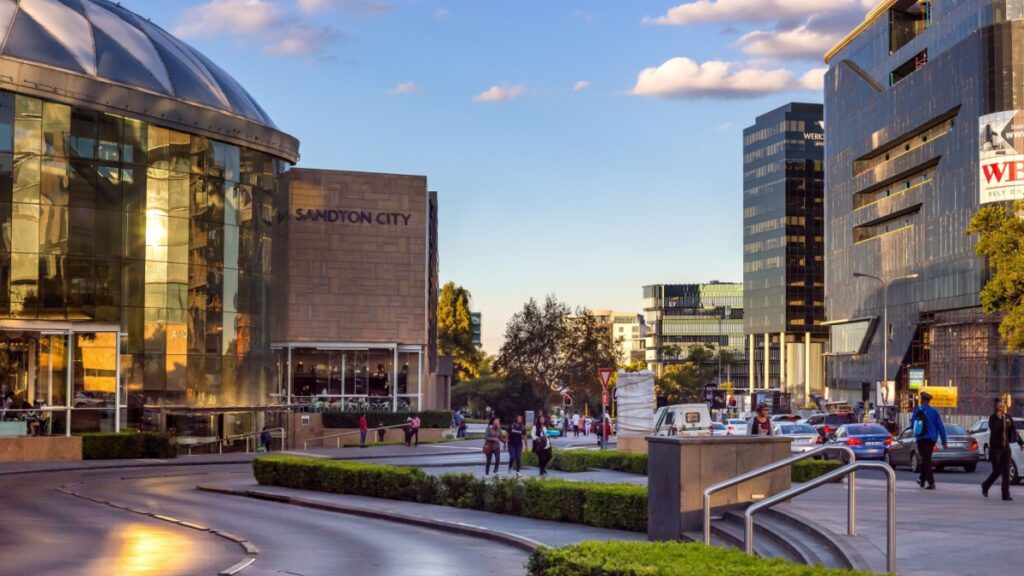
Images of Sandton City




Comments