Investors are rushing to buy these ‘hero’ properties in South Africa


Despite South Africa’s sluggish economy, industrial “hero properties”, particularly in logistics and warehousing, are attracting strong investor demand.
South Africa’s economy is at a crucial crossroads with ongoing global trade pressures, a shrinking manufacturing sector, climbing unemployment and low business confidence impeding sustainable economic growth.
However, High Street Auction Company director Greg Dart said there are pockets of excellence in the country’s property market. For example, the industrial property sector remains buoyant despite ongoing challenges.
He explained that “hero properties” are attracting substantial investor attention. One of the top performers is the logistics and warehousing sector which contributes approximately 10 to 12% to GDP.
These types of properties also play a significant role in the supply chains of both import and export businesses.
“With no end to tariff wars in sight and the tentative renewal of the Africa Growth and Opportunities Act (AGOA) for just a year, intra-regional trade could intensify,” he said.
“South Africa remains the gateway to the region for both imports of raw materials and consumables and exports of commodities and manufactured goods.”
According to Dart, this explains the strong demand for strategically located warehousing and distribution centres.
Adrian Saville, professor of Economics, Finance & Strategy at the Gordon Institute of Business Science (GIBS), also highlighted the impressive performance of industrial real estate.
“In a challenged economic landscape, industrial real estate is becoming the quiet barometer of South Africa’s economic resilience, and a point of competitive advantage for firms that harness the right assets,” he said.
“Even as headline confidence indicators sag, the logistics and warehousing sector continues to attract capital because it sits at the intersection of trade, energy reliability, and urbanisation.”
In South Africa’s fragmented growth landscape, Saville said these “hero assets” are not just properties. They are also infrastructure for competitiveness.
“Investors who understand this are effectively betting on the arteries of the real economy, where the flow of goods and productivity gains matter more than sentiment,” he said.
Properties fly off the shelves
The problem, Dart explained, is that too few of these “hero properties” are coming to South Africa’s real estate market.
“Because distribution is alive and well, those types of facilities are deeply in demand. Typically, developers actively build for tenants and have immediate occupiers,” he explained.
“Companies looking to expand or source new premises must join a long queue. Unfortunately, a lot of up-and-coming companies haven’t got time to wait to build their own greenfields projects.”
The High Street Auction Company identified three key examples of these properties that are due to come under the hammer at the company’s next auction.
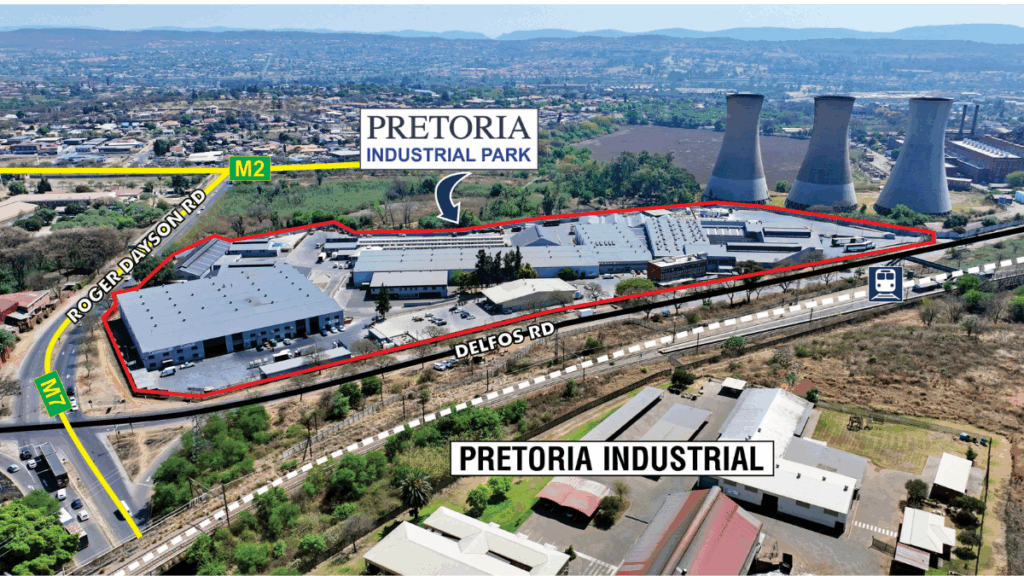
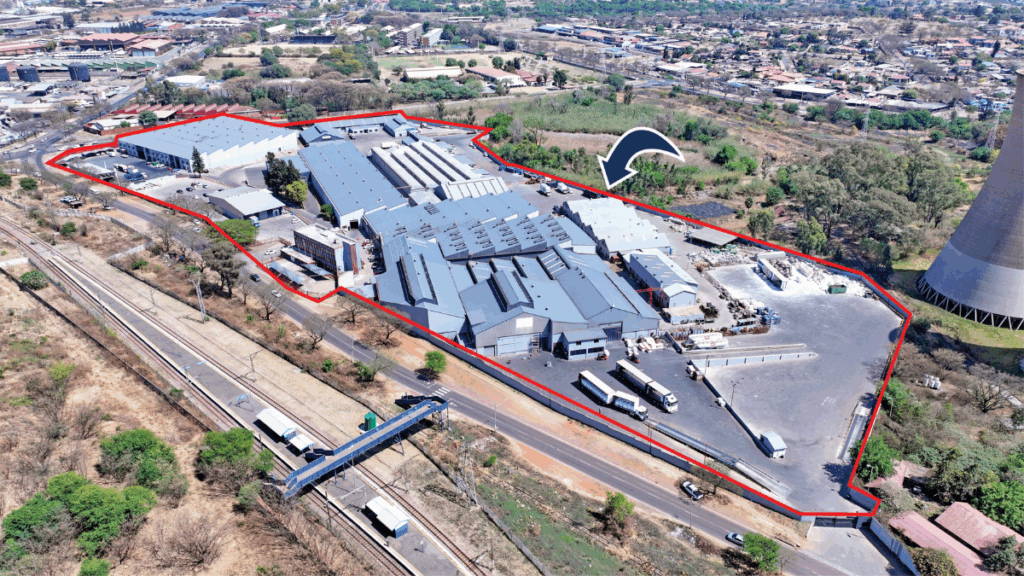
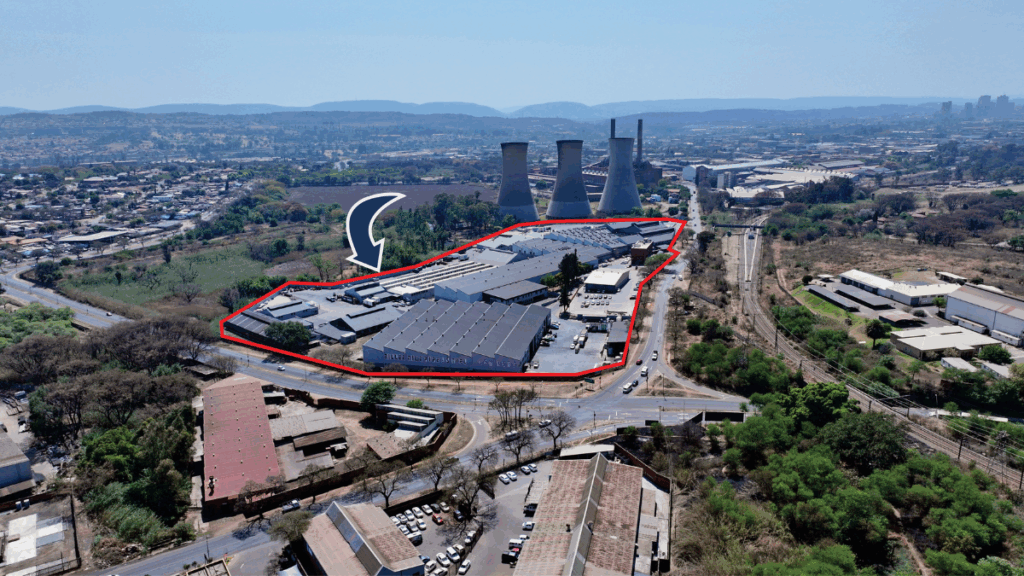
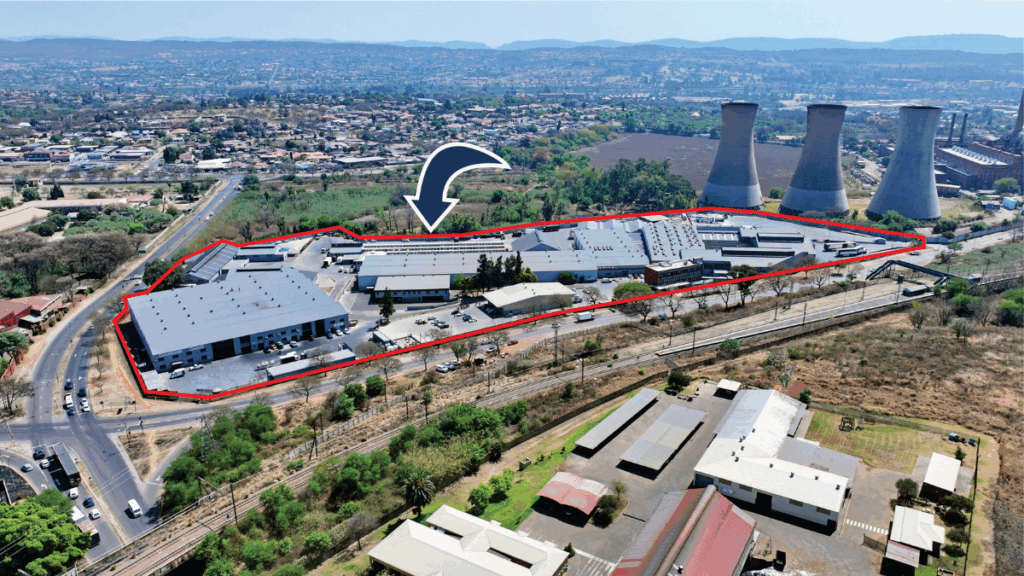
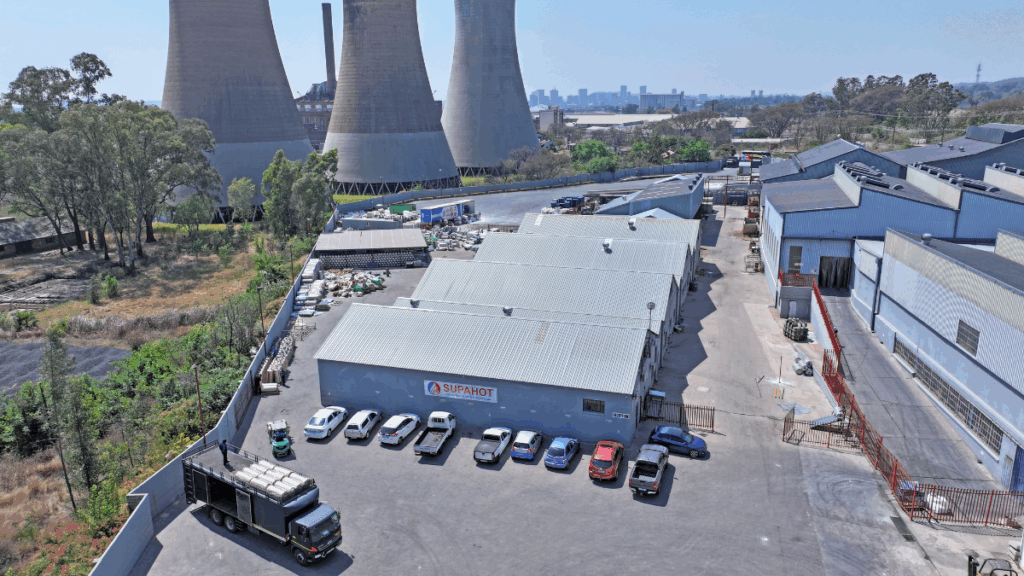
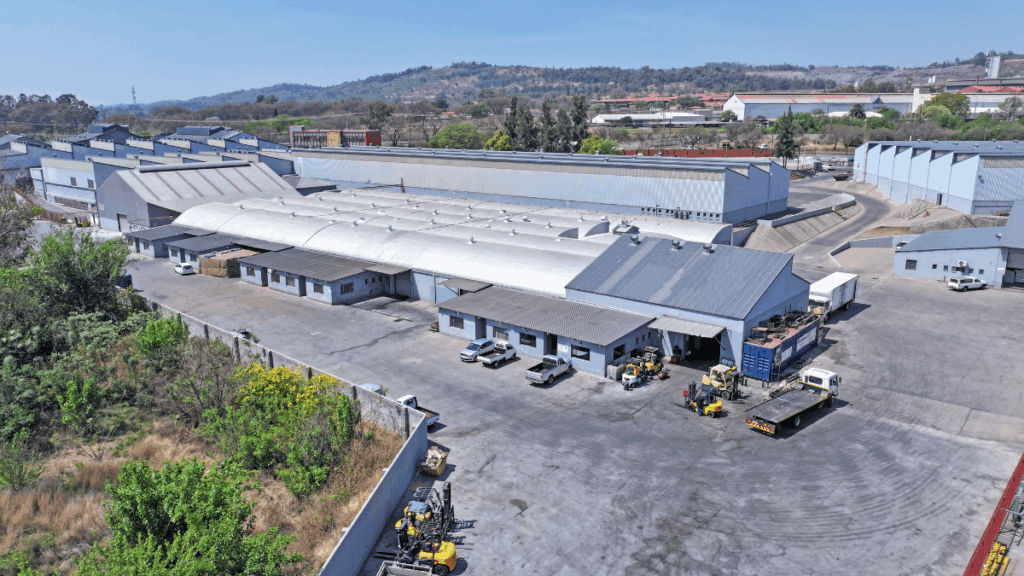
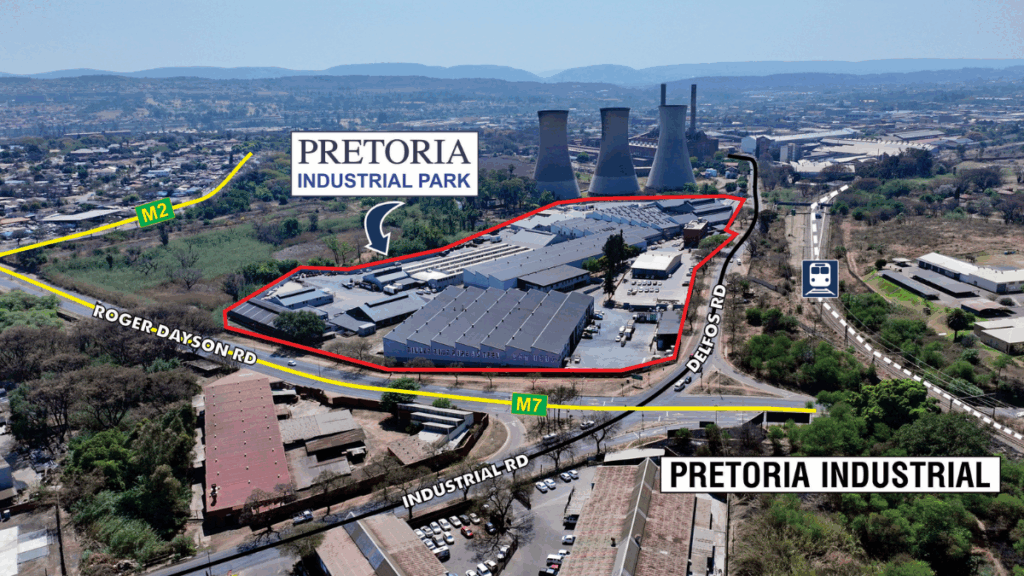
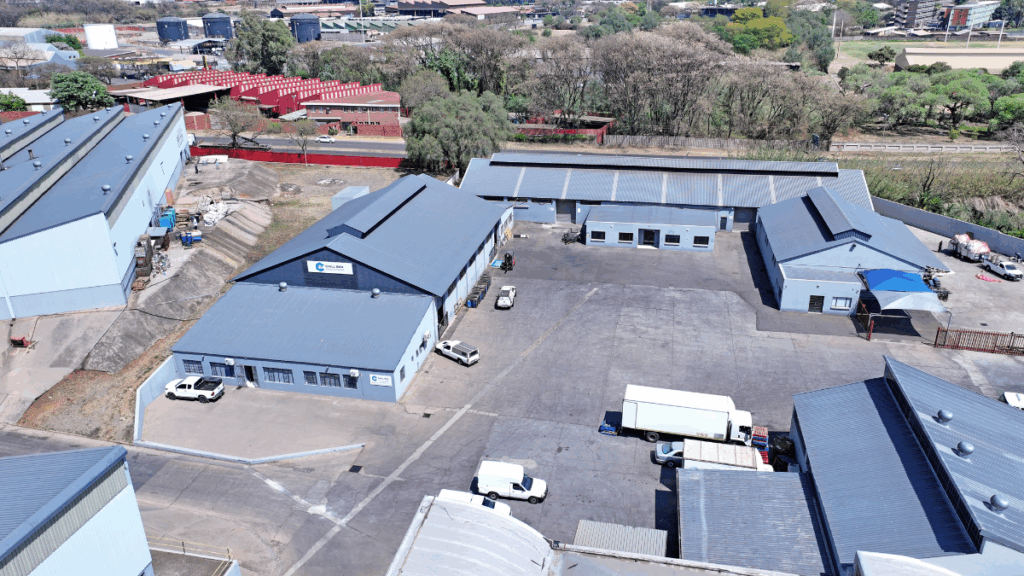
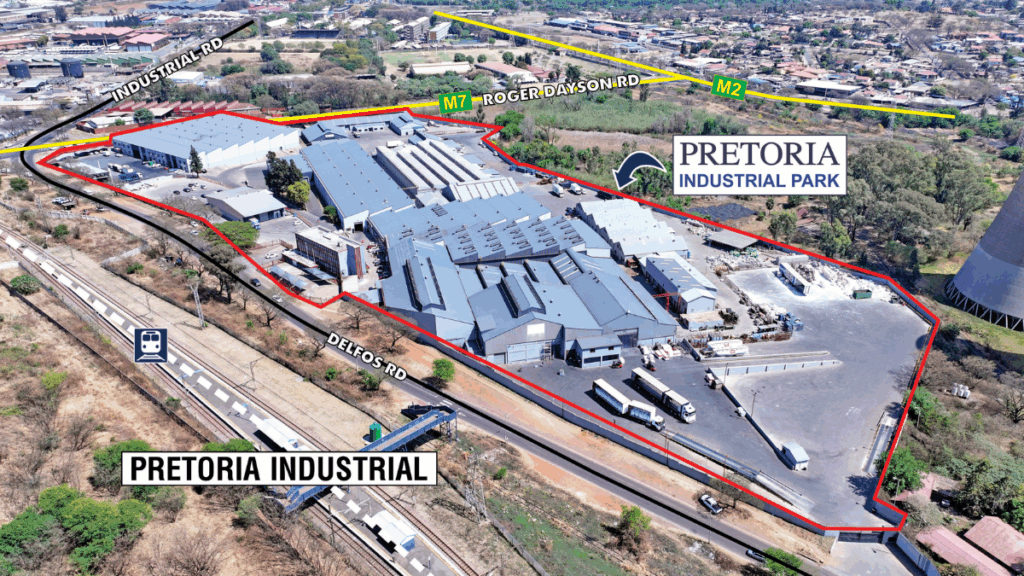
The first is a fully tenanted industrial park in Pretoria West that includes warehouses, workshops and offices, and large-scale industrial and manufacturing activities.
A fully paved yard is ideal for logistics, parking or outdoor operations. Centrally located, it offers easy access to Pretoria CBD, Laudium and Centurion.
“This property is located in a prime industrial node and has a gross annual income of around R21 million,” Dart explained.
“In addition to being financially sound with strong tenancy, it is a critical national key point for heavy industry which means no load shedding.”
The second property, a 6,650 m² Stanger warehouse, is located in KwaZulu-Natal’s North Coast industrial hub. Since it is positioned on the N2 with R74 links inland, it serves both coastal and inland markets.
“Most importantly, it sits between Durban, Africa’s busiest port and Richards Bay, South Africa’s largest bulk port and will form part of the province’s R1-trillion aerotropolis,” Dart said.
“In an area where bulk services are constrained and new developments face delays, this immediate capacity gives occupiers a major operational advantage.”
The warehouse has two wide access points for horse-and-trailer entry. It also has multiple office, including a director’s office, admin block and production manager’s office, a separate research and development building, a secure yard and internal loading bays.
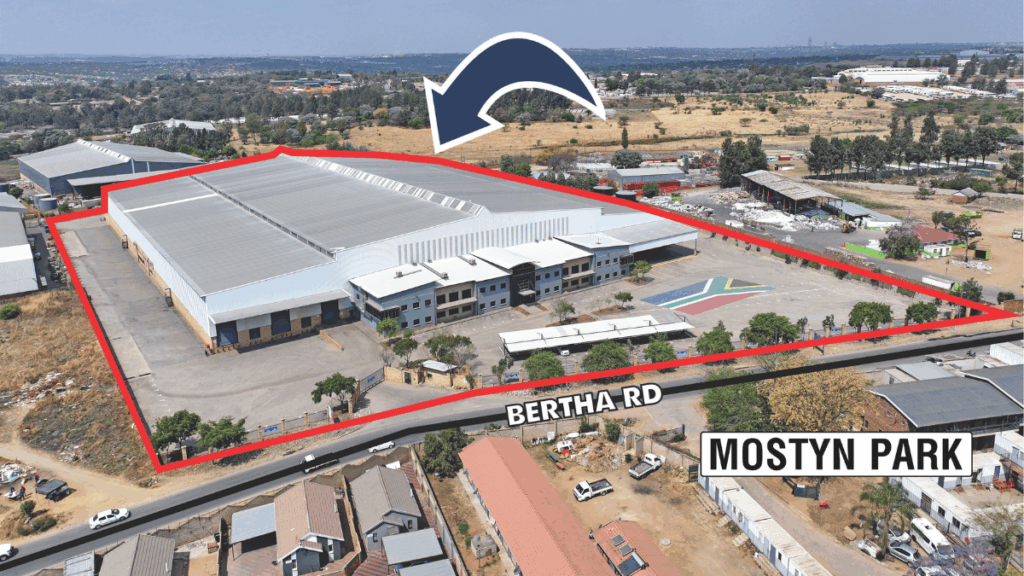
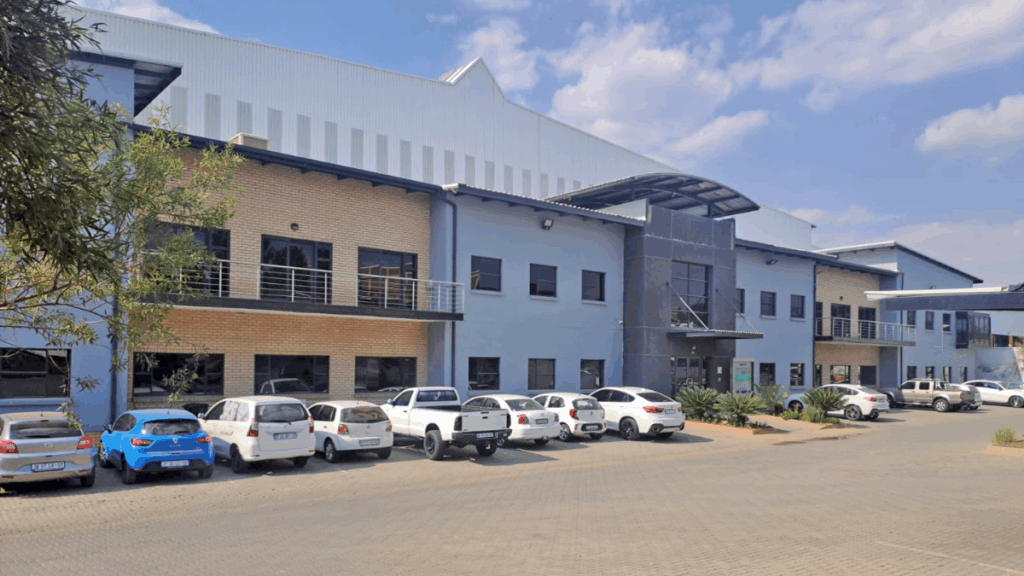
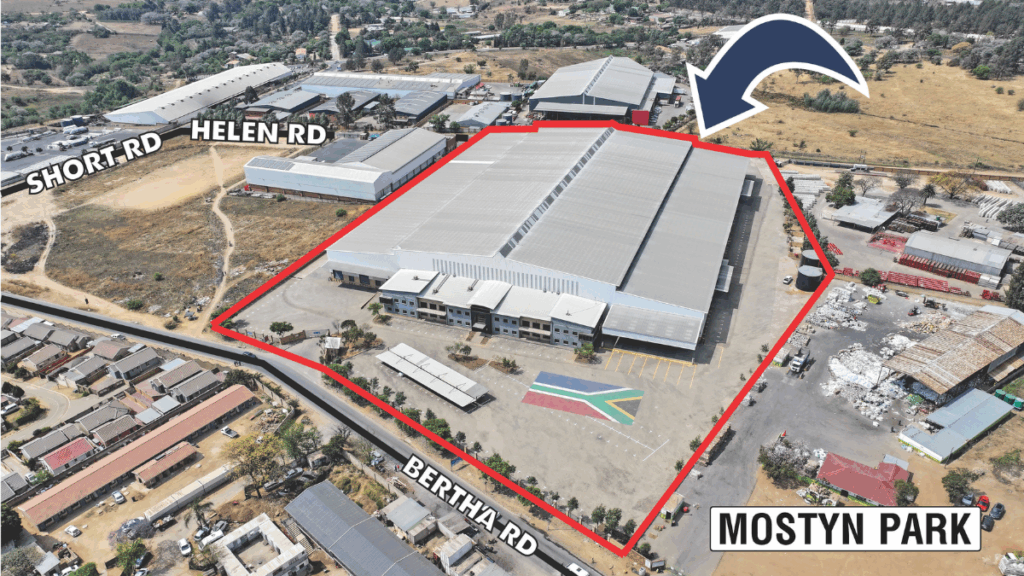
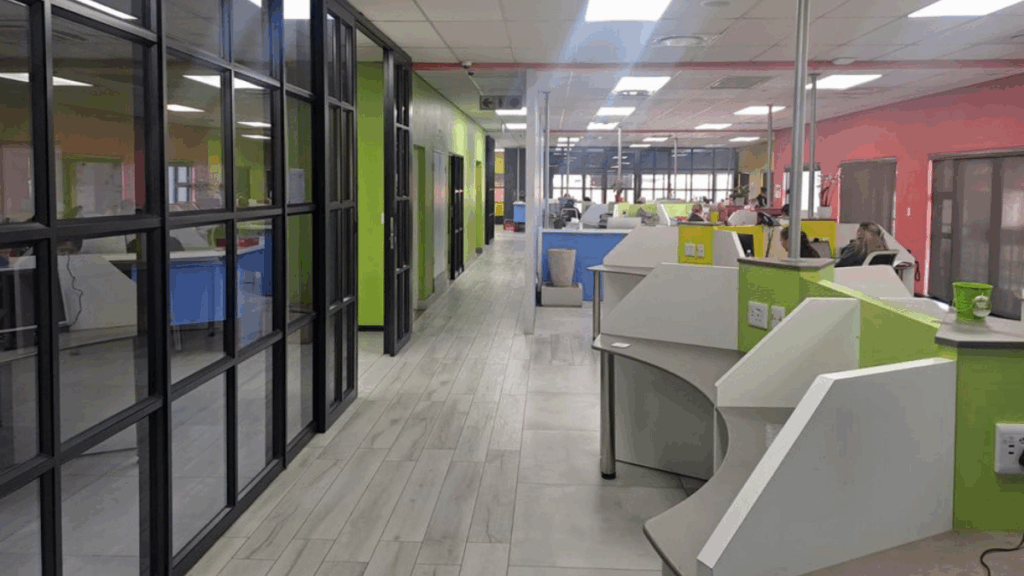
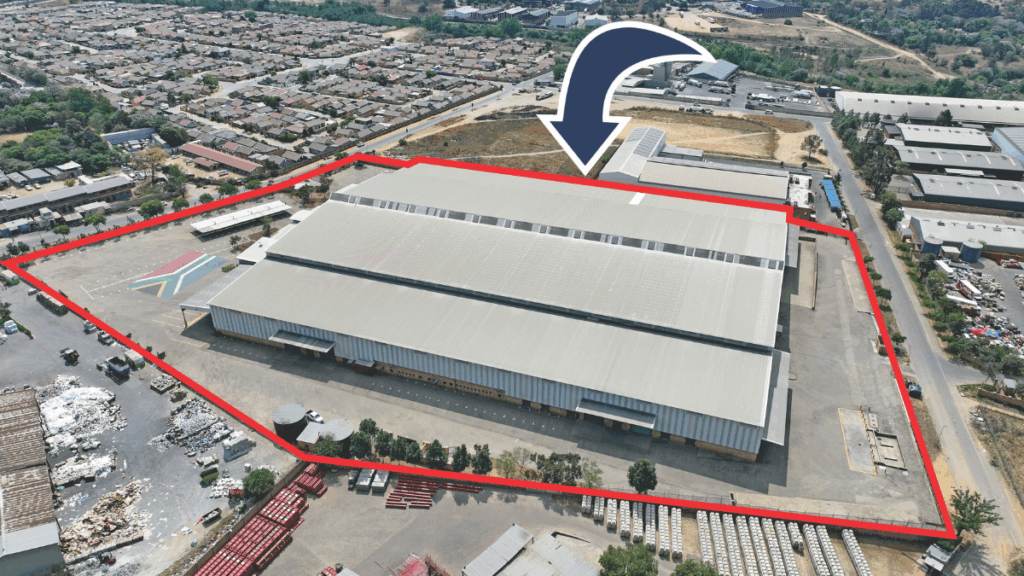
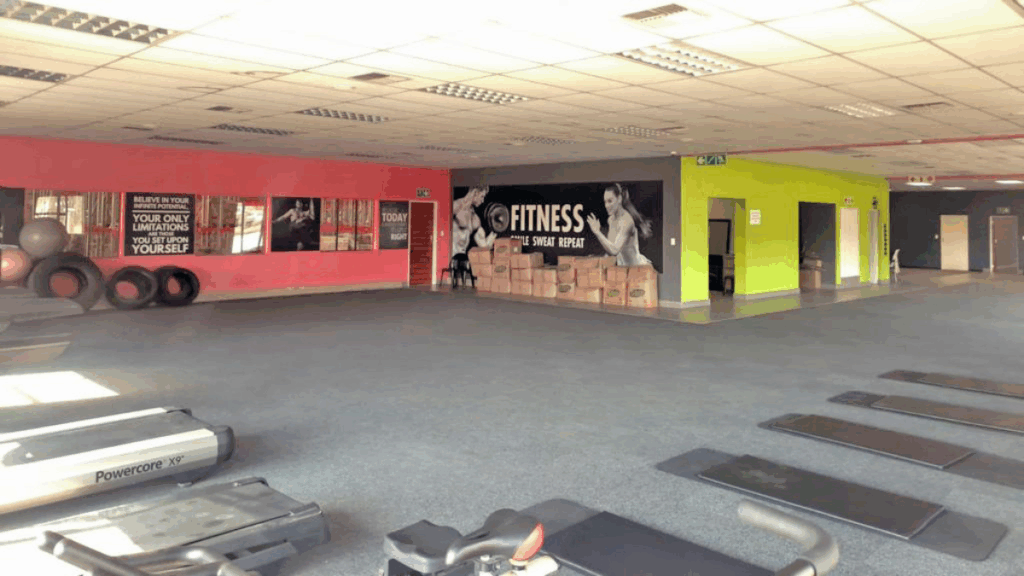
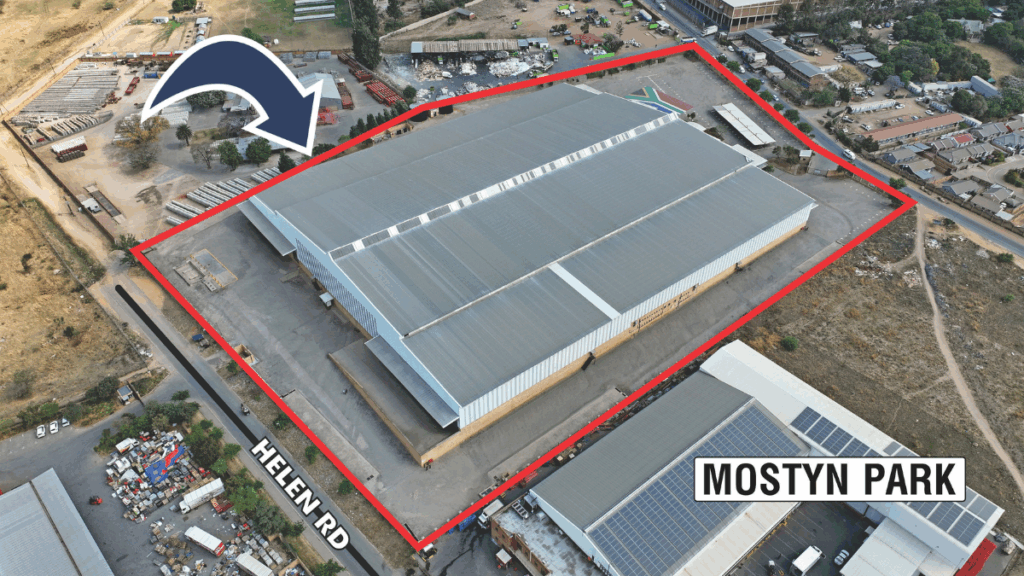
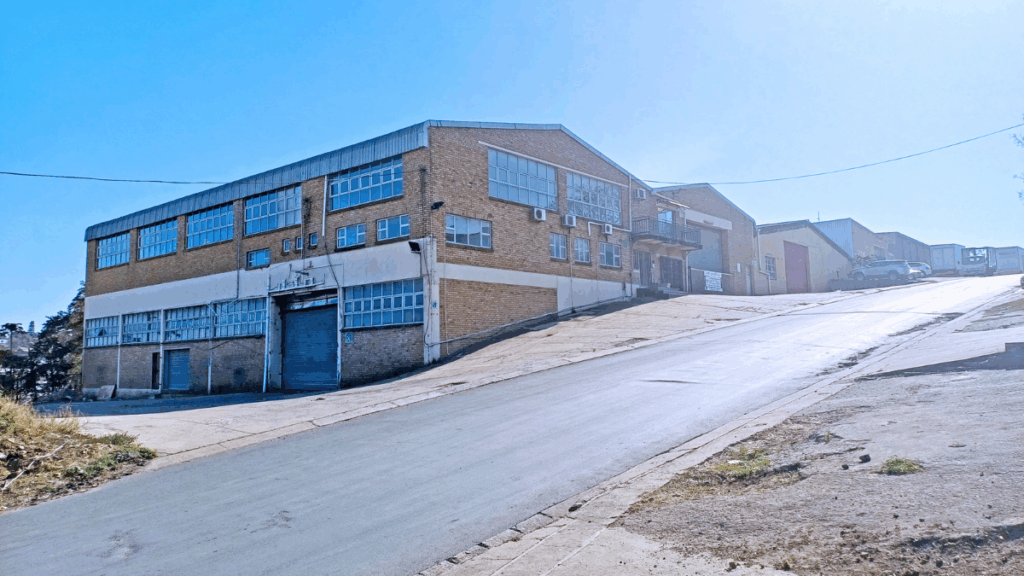
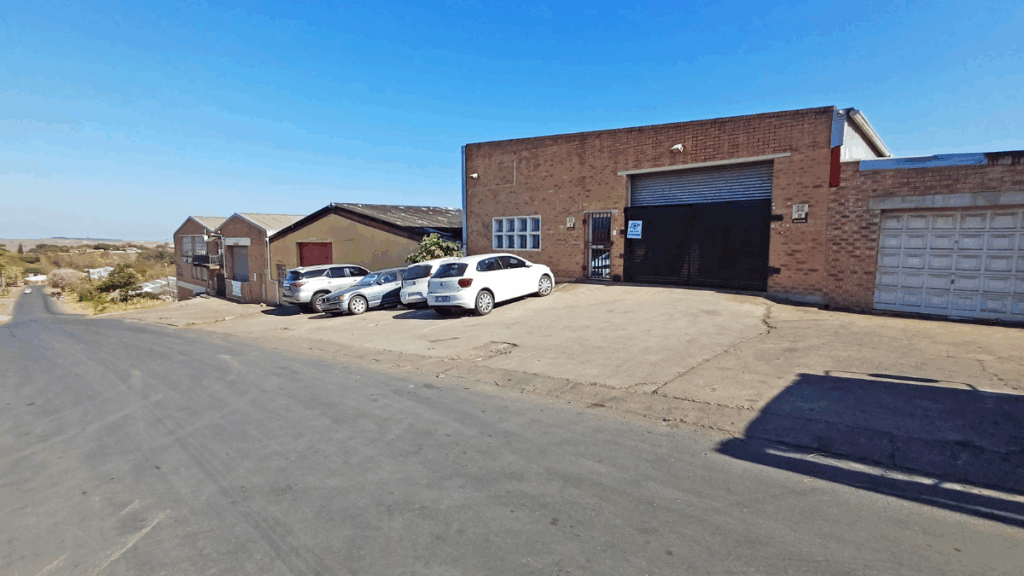
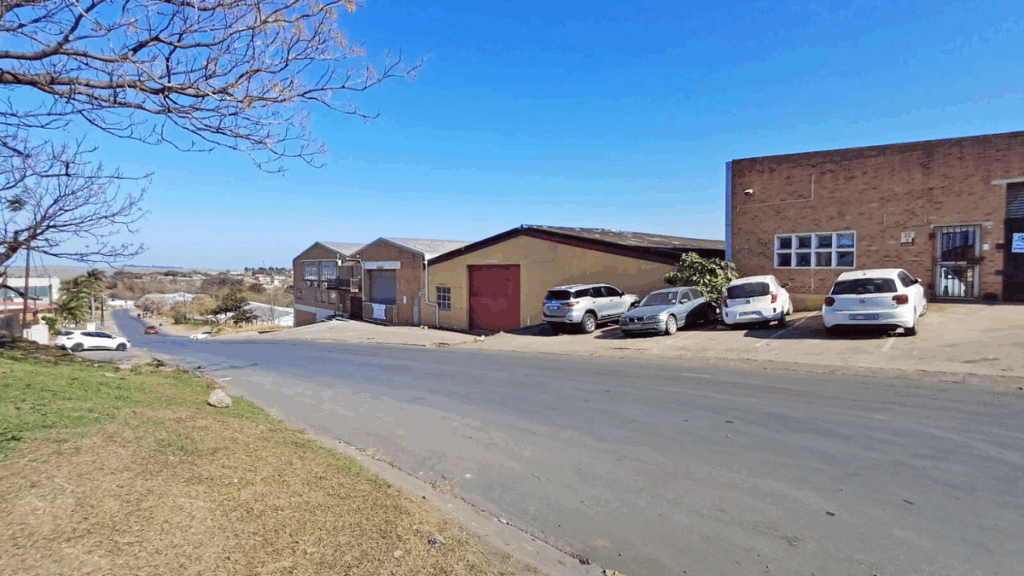
The third property is a large, vacant industrial warehouse/factory in Mostyn Park, Lanseria. It was formerly occupied by retailer West Pack before it went through business rescue and restructured.
The building provides modern infrastructure and is ideal for logistics, distribution, manufacturing or storage. Adding to its appeal, it is also strategically located close to Lanseria Airport with easy access to the N1 and N14 highways.
Features include impressive eave heights ranging from 9 to 17 metres, an operational sprinkler system, effective large truck articulation space and a 1 MVA power supply with a large backup generator.
Dart said his team has already proactively approached potential investors with similar business models to the previous tenant.
“We are constantly, aggressively taking the initiative in the marketplace as opposed to waiting for somebody to come and sign up,” he said.
Pretoria Industrial Park
Stanger warehouse
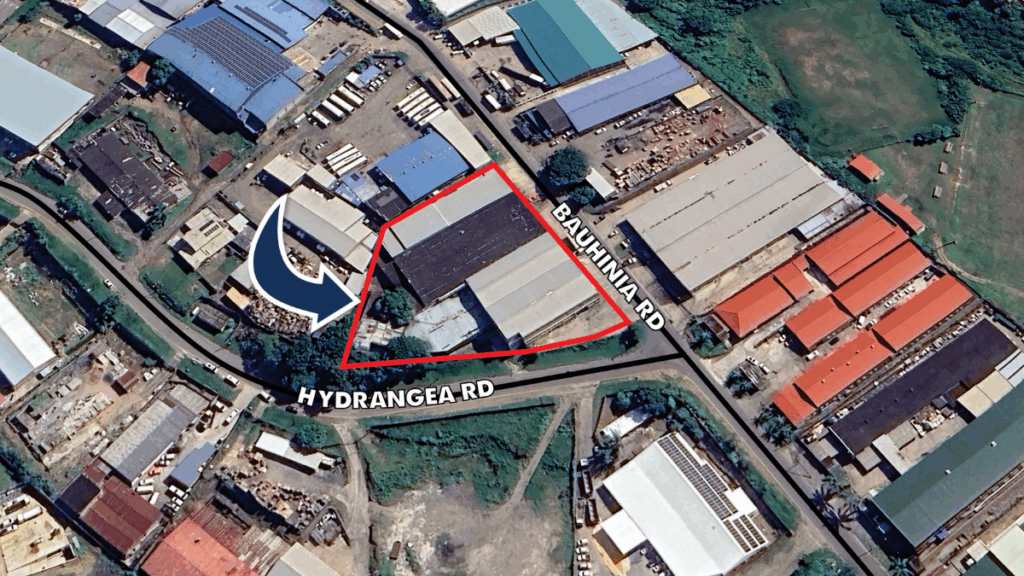
Mostyn Park industrial warehouse/factory