One man made a fortune from the collapse of South Africa’s ‘Robin Hood’


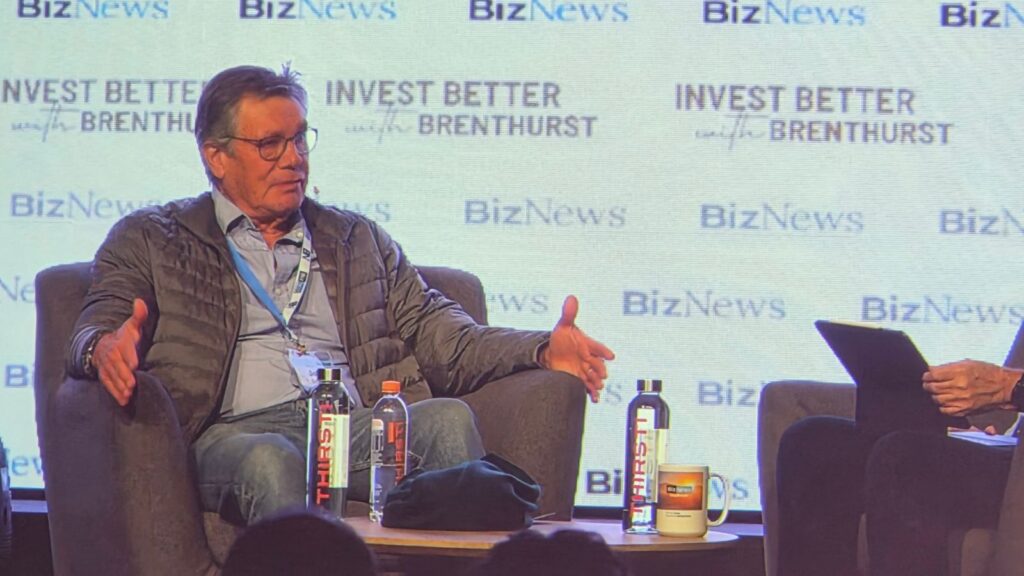
Johnny Copelyn and Hosken Consolidated Investments (HCI) made a small fortune out of the collapse of UniBank in 2002/03, thanks to a profit warrant.
UniBank wanted to be a Robin Hood-esque figure, taking deposits from rich people to lend to lower-income workers and salaried South Africans. As Copelyn found out, this equation does not work in reality.
The fortune was one of the early wins for the fledgling HCI, which has the Southern African Clothing and Textile Workers Union (SACTWU) as its controlling shareholder.
Copelyn has his origins in the union, as an organiser and, at times, its secretary-general. In the 1990s, he was made CEO of its investment arm, which acquired HCI.
Speaking at the 9th BizNews Conference, he explained how he grew the company from a relatively obscure investment vehicle into a giant valued at R14 billion on the JSE.
“The thing about our circumstances was that we did not have any capital. So, buying a ready-made business was impossible,” Copelyn explained.
“The startup was the sort of natural starting point for us. This is a slow process. It takes years to build a business, and we found it takes us around six years to make a business profitable.”
This pushed Copelyn and his team at HCI to take risks to grow the company’s asset base. Along with leveraging its Black Economic Empowerment (BEE) credentials, this required taking on substantial debt at times.
“I have been graced with luck as well, from a timing point of view. People before me went into the trade union movement, and they all got their heads bashed,” Copelyn said.
“They came out of it with nothing. I got in at just the right time when South Africa was changing fast enough to give me a real chance to grow with the unions.”
Copelyn also managed to win over many individuals within the union movement towards what he refers to as “business unionism”.
This is where unions take an active role in the economy through their pension funds or investment vehicles, such as HCI, to participate in wealth creation on behalf of their members.
The end result of his efforts was SACTWU buying HCI to use as an investment vehicle to create wealth for its members, with Copelyn at its head.
This gave Copelyn the opportunity to walk the talk and invest on behalf of workers. It is something he has done extremely well, but it has not come without risks.
South Africa’s Robin Hood
One of Copelyn’s riskier investments was UniBank, which fit the bill as an investee for HCI. The bank saw itself as South Africa’s ‘Robin Hood’ and wanted to flip the traditional banking model on its head to benefit poor people.
Its management team saw banks as taking deposits from the poor, only to lend to the rich. UniBank wanted to take deposits from the rich and lend to the poor.
Copelyn led HCI’s investment in the bank but was unsure about its prospects. He said it was more of a feel-good story than a sound investment.
“All these ideas people have, some of them work and some of them don’t. One of our failures was a bank called UniBank, but we got lucky and made money out of it,” Copelyn said.
“To our members, this was the ideal bank. We bought a big stake in it and thought it was going to do all sorts of wonders and change the lives of millions of people.”
However, the approach of taking deposits from the rich and lending to the poor was quickly exposed, and thousands of workers took on debt from UniBank.
“Textile workers alone must have borrowed R100 million for loans for houses or something or other. As we were in it, we realised things were going wrong,” Copelyn said.
“We suddenly realised that there was a mismatch of funds. We realised that every asset the bank had was a 20-year home loan to somebody, and every deposit you have got to cover is a 24-hour money on call basis.”
“When I sort of woke up to this, I realised that we had to get out. We got out, but we ensured that we had a profit warranty when we did.”
A profit warranty is a legal contract where parties in a deal, often a merger or sale, agree that if a certain financial target is not met, the seller will compensate the buyer.
In HCI’s case with UniBank, the warranty guaranteed that HCI would get shares in the company that it sold the UniBank stake to, or, if there was no buyer, UniBank would pay HCI a substantial amount of money.
This agreement only held if UniBank was profitable, which it was not at the time, so its management team signed the warranty.
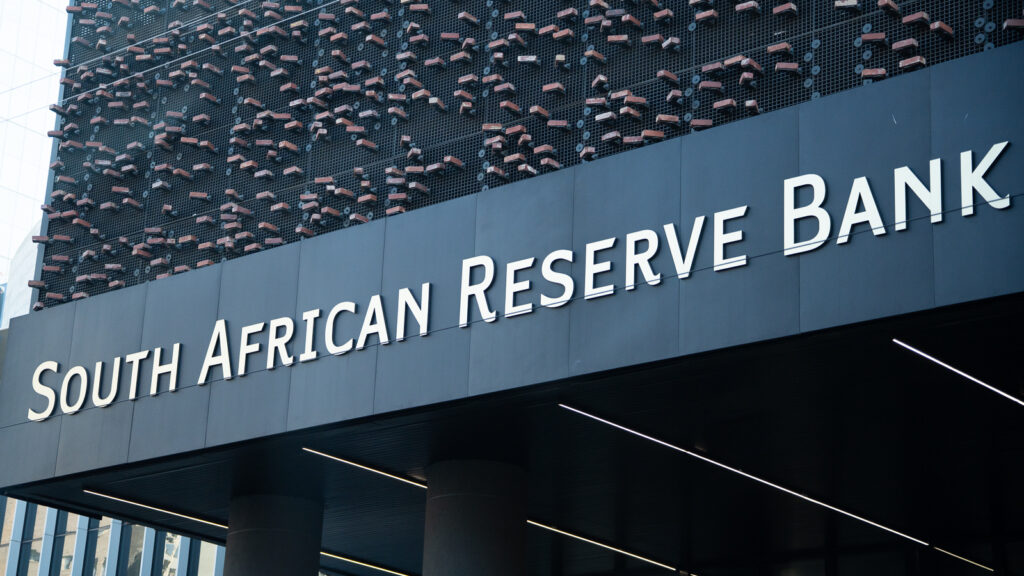
“When a bank goes bankrupt, as UniBank did in the early 2000s, the Reserve Bank steps in to save it, usually, and it did in this case,” Copelyn said.
“When the Reserve Bank helps a commercial bank, it lends the bank money at rates far cheaper than normal deposit rates. Effectively, it becomes a wholesale funder.”
Thus, as much as UniBank was a mess, borrowing from the Reserve Bank at low rates made it extremely profitable overnight.
“And so, we went back to UniBank and said we guaranteed the profits. There was a bit of a fight, but in the end, they paid us an absolute fortune in the warranty just to get rid of us,” Copelyn said.
“So, you stumble into odd things that you certainly didn’t plan. But, banking has not been our great source of strength, for sure.”






Comments