Mantashe wants R117 billion to revive a dead oil refinery


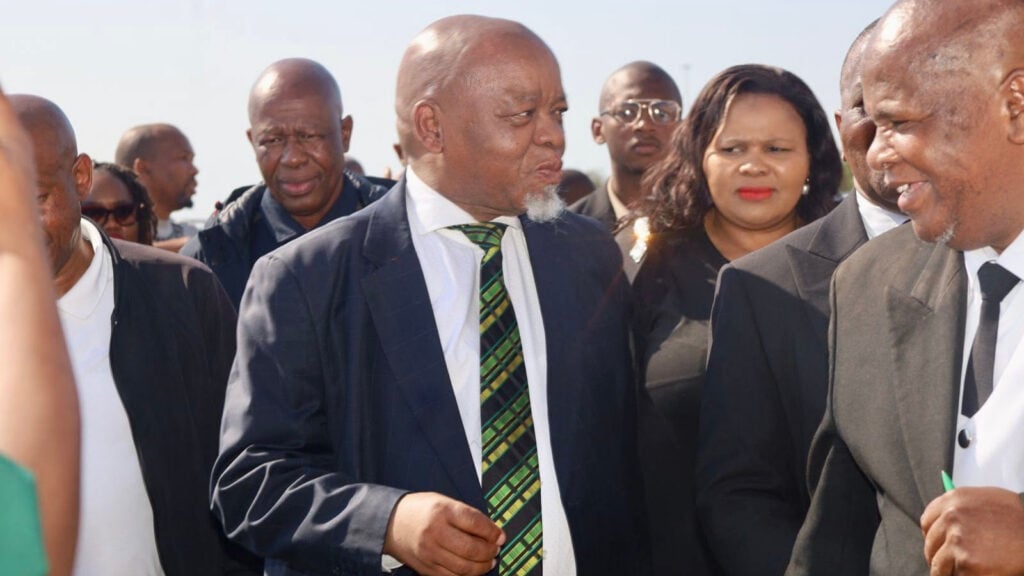
The Minister of Mineral and Petroleum Resources, Gwede Mantashe, is seeking R117 billion in funding from the National Treasury to revive the Sapref oil refinery in Durban.
Mantashe made this request in a Parliamentary meeting with the Portfolio Committee on Mineral and Petroleum Resources, which took place on 22 September.
Once the largest crude oil refinery in South Africa with a daily refining capacity of 180,000 barrels, Sapref suspended operations in 2022 after its owners, Shell and BP, moved to sell the facility.
The Central Energy Fund (CEF) purchased Sapref in 2024 for just R1, and has since said it plans to resume operations at the plant.
During a recent community engagement in Durban South, CEF CEO Dr Tshepo Mokoka laid out a three-phase plan to restore and upgrade the facility.
The first phase is intended to generate revenue as the site restores its refining capacity, while the second phase will aim to increase capacity to at least 400,000 barrels per day.
The third phase could see refining capacity at Sapref increase to between 400,000 and 650,000 barrels per day depending on the investments and approvals received.
The total cost of the project was estimated by the CEF to be R117 billion, which Mantashe has now argued should come from the government rather than the raising of commercial loans.
“Our view is that we should strengthen the public sector,” Mantashe said. “The reduction of refining capacity in South Africa is a mishap of overly relying on the private sector.”
“When Sapref was damaged by floods, it was Shell and BP in the private sector that decided to neglect it, and we have decided to work at our own pace to rebuild it.”
The proposed redevelopment of Sapref comes as fuel prices continue to climb in South Africa amid escalating tensions in the Middle East.
The shutdown of Sapref, along with the Enref facility in Durban, has reduced the country’s oil production capacity by over 260,000 barrels per day over the last five years.
This has left South Africa reliant on fuel imports. The CEF estimated that domestic refineries supplied 78% of the country’s petroleum products in 2019, versus just 39% today.
Revival of Sapref unfeasible
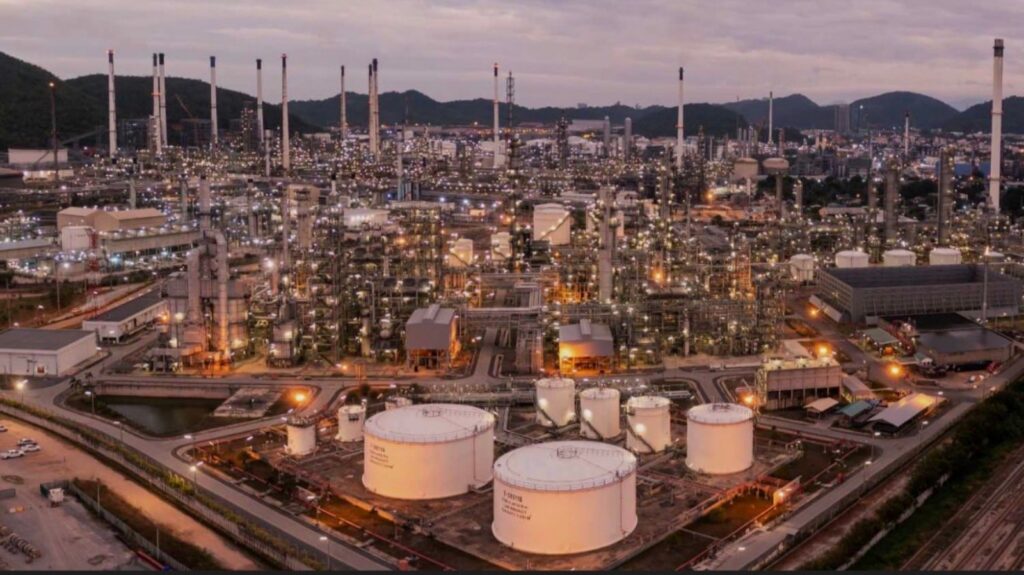
While Mantashe and the CEF are pushing to resume operations at SAPREF, some have questioned the feasibility of the proposal.
The Organisation Undoing Tax Abuse (OUTA) has argued that the high bill proposed by the CEF is unaffordable for the South African government.
Additionally, OUTA CEO Wayne Duvenage told 702 that the country should not react hastily to rising oil prices, as it would not necessarily be cheaper to purchase the oil and refine it locally.
“You’ve got to understand why BP and Shell pulled out of the Durban Sapref plant at the time and handed it over at R1 to the state and PetroSA,” Duvenage said. “They thought they were getting a bargain.”
“But it costs a lot of money to keep those refineries going and upgrading to the new grades of petrol. Cars are coming out which require more and more refined fuel.”
According to Duvenage, Shell and BP realised it was cheaper to purchase fuel products from refineries of much greater scale than it was to refine their own.
With uncertainty around when the conflict in the Middle East would subside, Duvenage said it would be unwise to begin this project only to find it to be unviable in five years time.
He said the history of poor management at PetroSA and the high potential for corruption in projects of this scale dampened the prospects of a positive outcome.
Duvenage said a potentially more practical solution for South Africa would be to attract investors from the Middle East and Western Europe who have expressed interest in the country.
However, he said this would likely come in the form of public-private partnerships, as these investors would not want to invest in a deal that does not make financial sense for them.
“What I worry about then is if we would be held to those prices through them,” Duvenage said. “What the government might do is lock us into long-term deals at set prices.”
“We don’t want that. If the refined petrol price around the world drops below that, we could be paying a lot more than we should. And that’s my biggest concern.”



Comments