Pain is coming for South Africa’s economy


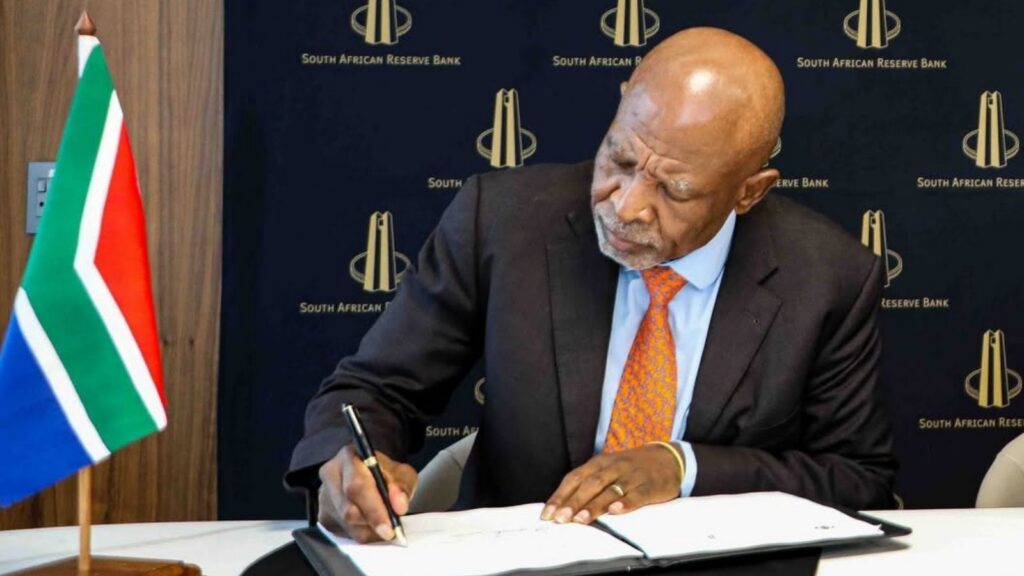
The Reserve Bank’s decision to hike interest rates in September spells pain for the South African economy, which is already struggling to gain momentum.
A second interest rate hike will reduce South African consumers’ disposable income and raise the cost of capital at a time when the country’s economic growth is vulnerable.
This is the view of North West University Business School economist Professor Raymond Parsons, who explained the impact of the Reserve Bank’s latest decision.
On Wednesday, 23 September, the Monetary Policy Committee (MPC) unanimously voted to raise interest rates by 25 basis points.
This marked the second rate increase in 2026 to date, and has brought the repo rate back to its June 2025 level of 7.25%.
Parsons said this move was widely expected and came on the back of renewed concerns about higher inflation risks resulting from the ongoing global energy crisis.
“The MPC view was responding to its assessment that inflation spreading as being a risk to the outlook,” he explained.
Reserve Bank Governor Lesetja Kganyago acknowledged that the MPC considered pausing in its deliberations, yet the ultimate decision to hike was unanimous.
However, Parsons said there was a highly plausible, data-driven case for pausing the repo rate again at the September meeting.
He pointed out that the recent Bureau for Economic Research Inflation Expectations Survey showed that inflationary expectations had stabilised in the third quarter.
In fact, the survey showed that expectations edged lower for 2027 and 2028. It should be noted that this survey was conducted prior to the escalation of tensions in Iran and recent fuel price increases.
In addition, Parsons pointed out that core inflation eased to 4.1% year-on-year in August from a two-year high of 4.2% in July, with the month-on-month number remaining unchanged.
“It suggests that underlying price pressures remain largely contained, despite the slight upward nudge in headline inflation,” he said.
“Although headline inflation may rise further in the months ahead, it seems likely to average about 4.4% for 2026 as a whole.”
Economic growth will take a hit
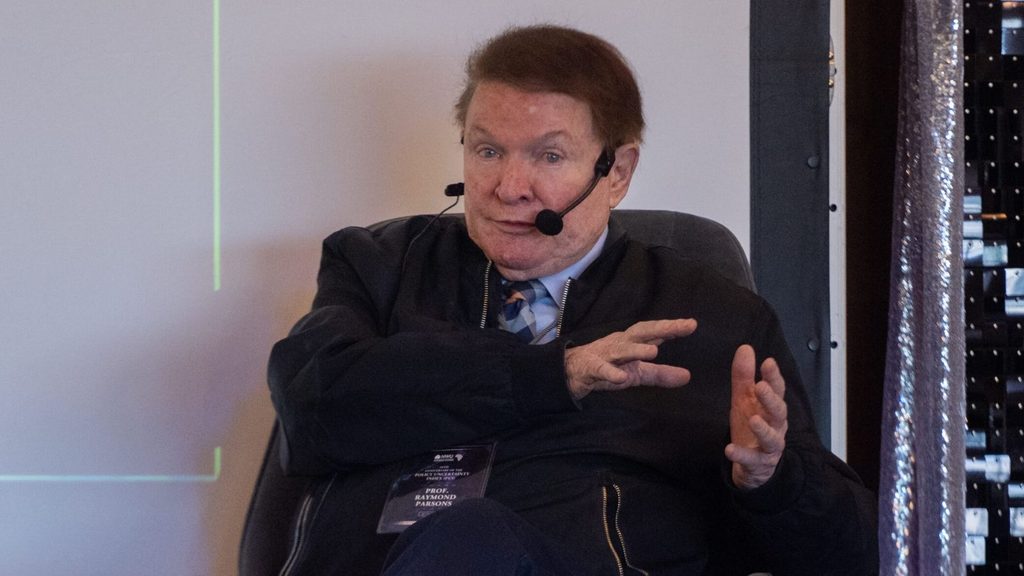
Despite inflationary pressures being seemingly contained, Parsons said South Africa is now likely stuck with a “higher-for-longer” interest rate outlook.
He said it may be that the interest rate hike implemented in May needs more time to filter through the economy.
“Whatever the MPC rationale for the further rate increase, it will inevitably now come at a cost in economic activity,” he said.
“A further rise in borrowing costs will now invariably have a negative impact on business and consumer confidence at a time when the economy is struggling to regain momentum.”
Parsons explained that elevated interest rates reduce disposable income and raise the cost of capital, at a time when South Africa’s already vulnerable GDP growth projections need support.
The MPC itself acknowledged this impact by reducing its 2026 GDP growth forecast from 1.4% to 1.2%.
In his September MPC statement, Kganyago explained that the committee expects an economic rebound in the second half of 2026.
This is despite South Africa’s economy having contracted 0.2% in the second quarter of the year.
“The global shocks are clearly hurting our economy. We continue to project growth of around 2% over the medium term,” Kganyago said.
“This is based on global conditions stabilising, and domestic reforms delivering a better business environment. Our assessment is that growth risks are skewed to the downside.”
Faced with these pressures, Kganyago said the MPC will look through the initial effects of price shocks while ensuring they do not entrench higher inflation.
“Unfortunately, large and sustained shocks, like those we are experiencing now, are more likely to trigger second-round effects, where individual price changes evolve into widespread increases,” he said.
“To prevent this, we are adopting a more restrictive monetary policy, with rates above longer-term levels.”
To protect the economy, the Governor said domestic reforms are South Africa’s “best growth option”.
“This covers structural interventions, such as improving productivity in the transport and energy sectors,” he said.
“It also includes the macroeconomic goals of sustainable debt and permanently lower inflation.”





Comments