R21 billion meant for free electricity goes missing when it hits municipal bank accounts


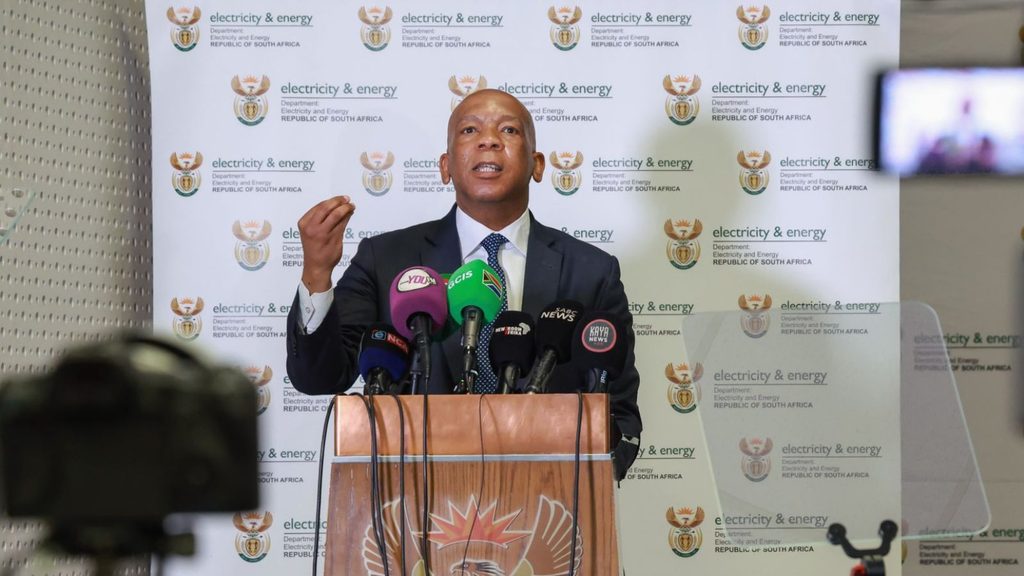
Electricity Minister Kgosientsho Ramokgopa plans to increase the Free Basic Electricity (FBE) available to poor households from 50 kWh to 200-300 kWh.
The minister plans to do this in a way that will not cost the government any additional money nor impact Eskom’s financial sustainability.
He also made it clear during a media briefing on 25 September that this increase will not be funded by higher tariffs on paying customers.
This is because the increased FBE will come from giving the R21 billion equitable share grant directly to Eskom.
Currently, this grant is given to municipalities that are then responsible for transferring it to indigent households that qualify for free electricity.
However, much of the R21 billion disbursed by the National Treasury does not reach these households, as municipalities spend it on salaries and service providers.
“Free basic electricity must reach the households to whom it is intended. There is a R21 billion allocation for poor households to get free electricity,” Ramokgopa said.
“They are not getting it because the mechanism of getting it to the end consumer goes through municipalities. When they receive that money, they allocate it to other areas.”
Ramokgopa explained that municipalities face intense spending pressures, resulting in many using this money as a relief valve rather than its intended purpose.
“When the money lands in the account of municipalities, because they have got other spending pressures, they pay the salaries of municipal employees, and they pay service providers,” he said.
This means it does not get to the end user who desperately needs it. In some cases, it pushes these users to illegally connect to the grid as they cannot afford to pay for electricity.
By using this money more efficiently, Ramokgopa believes the amount of FBE given to households can be quadrupled.
Ramokgopa wants to increase the FBE offered to indigent households from 50 kWh to between 200 and 300 kWh.
This may even save Eskom and municipalities money by reducing the incentive for poor individuals to connect to the grid illegally and overload distribution equipment.
More free electricity at no cost
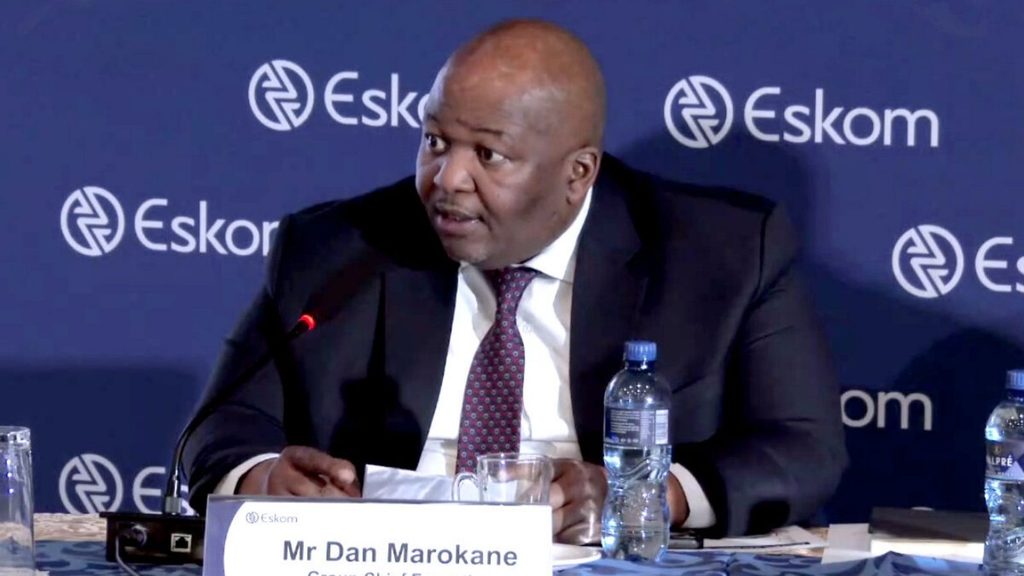
Ramokgopa aims to increase the amount of FBE on offer without adding to the R21 billion budget and harming Eskom’s finances.
The minister believes this can be done by leveraging technology and the databases of other state entities, such as SASSA and SARS.
“There is a platform we can create. We know there are databases in the country like SASSA and SARS. We can triangulate the poor households and provide direct support,” Ramokgopa said.
This direct support will be delivered through Eskom and its new smart meters, effectively bypassing municipalities entirely.
“We told Eskom to build a platform that will help us to directly support indigent households without the money going through municipalities,” Ramokgopa said.
“The money is not supposed to be with the municipality. It is meant to be with the end consumer, so we will take it directly to the end consumer.”
The trickier part of the equation will be ensuring that the increase in FBE will not impact Eskom’s sales, which have declined steadily over the past decade.
As Eskom’s sales decline, it has to recover its costs from fewer customers, leading it to raise electricity tariffs.
Ramokgopa said the new initiative will not impact current Eskom customers at all, as the utility will benefit from less theft.
Eskom is required to achieve financial sustainability through internal efficiency gains and by stopping revenue leakage, rather than through state bailouts and tariff increases.
The utility believes the increase in FBE will benefit it and reduce its costs by stopping poorer individuals from illegally connecting to the grid.
“If those people who are meant to get free electricity do not get it, they end up finding power in other means,” Eskom’s generation head Bheki Nxumalo explained.
Thus, the increase in FBE should eliminate the incentive for poorer South Africans to illegally access electricity, reducing pressure on Eskom’s infrastructure and encouraging more customers to pay.


Comments