End of the US dollar as you know it


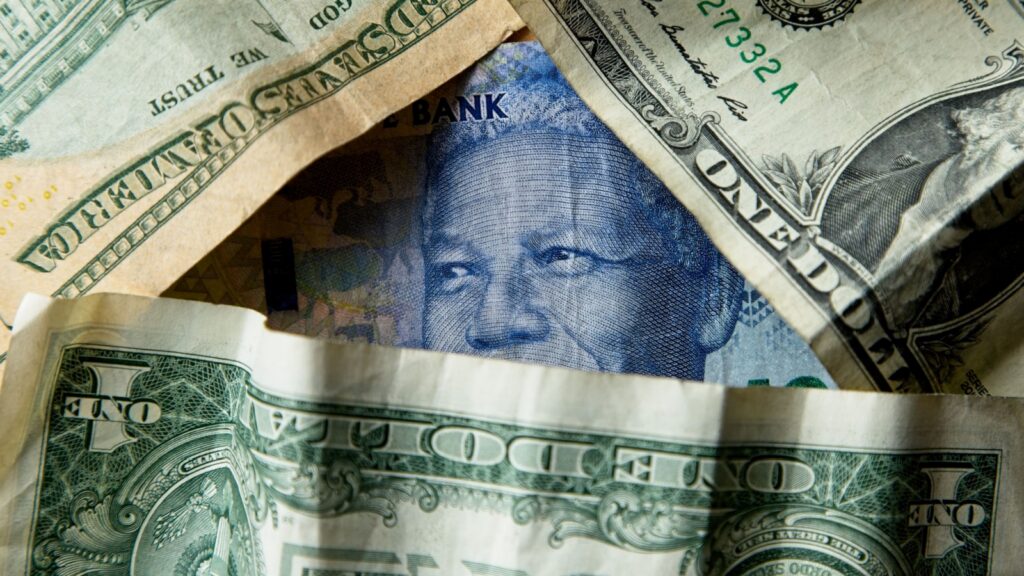
Standard Bank has cleared R20 billion worth of transactions through China’s Cross-Border Interbank Payment System (CIPS), cutting the US dollar out as an intermediary currency.
The bank has had access to this facility for less than a year, with its surging growth showing strong demand from businesses and corporates across the continent.
Initially launched only in South Africa, Standard Bank has expanded this service to five other African countries and has more in the pipeline.
The bank is the only African institution able to clear transactions on the continent in Chinese renminbi (RMB) through CIPS.
This enables it to effectively cut the US dollar and other currencies out as intermediaries in trade between local businesses and suppliers or customers in China.
Previously, businesses would have to convert their local cash in rands, for example, into US dollars to purchase goods or services in China.
They would also have to convert payments from Chinese customers in dollars into rands, adding significant friction to trade with the world’s second-largest economy.
Now, Standard Bank offers its clients renminbi accounts and settles transactions directly with Chinese suppliers or customers, without using the US dollar or any other intermediary.
The payment system’s rapid scale is clear. Surpassing CNY8 billion in transaction flows within the first year reflects strong demand for trade with the world’s second-largest economy,” Standard Bank’s Ontiretse Modise said.
Modise, who is head of payments in Standard Bank’s corporate and investment banking unit, said the bank will expand the offering to more African countries by the end of the year.
This development is significant for making trade between Africa and China substantially easier and more efficient.
Standard Bank’s willingness to clear renminbi transactions is driven by significant changes in trade and financial flows across Africa over the past two decades.
China is the leading source of inputs into local businesses and is the largest export market for the majority of African countries, including South Africa.
Cutting the US dollar out as an intermediary in this trade is a sign that trade with China is now front-of-mind for most businesses on the continent.
Dollar dominance is ending

More significantly for the US dollar, this is a sign that its dominance as an intermediary currency and the de facto global currency is under threat.
Coupled with developments in the United States, investors, central banks, and businesses are looking for alternatives to the greenback.
This does not mean the US dollar will lose its place as the global reserve currency or disappear, with US capital markets still being the deepest and most liquid in the world.
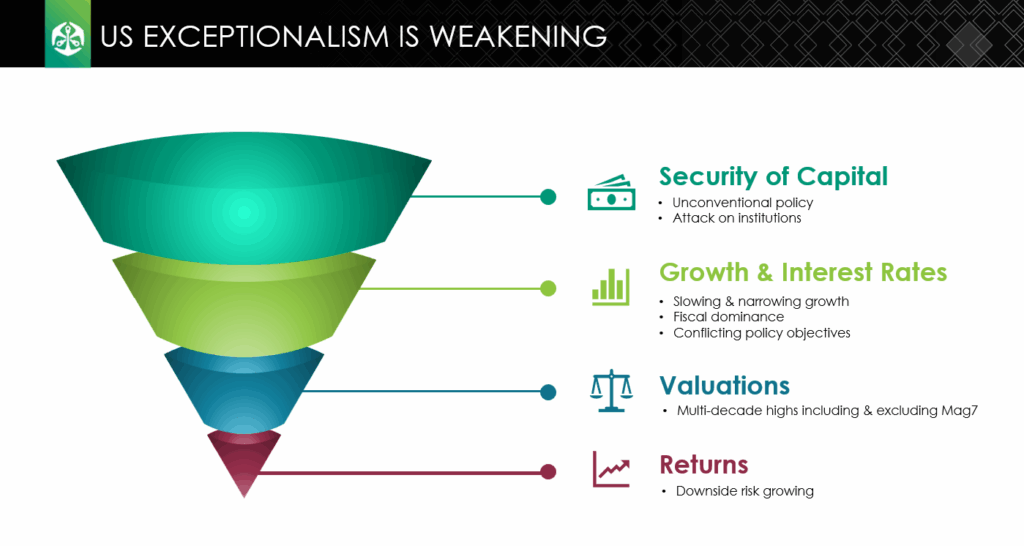
Old Mutual portfolio manager Zain Wilson explained that the security of capital and strong economic growth are the most important factors for a strong currency. These are being eroded at a fast pace.
In particular, unconventional policy and increased uncertainty are making investors increasingly question the security of their capital in the United States.
This has been exacerbated by attacks on key institutions, particularly the Federal Reserve, from United States President Donald Trump.
In particular, investors are concerned that inflation in the US will be higher for longer. Inflation in America has not been at the Federal Reserve’s 2% target point since 2020.
Odendaal explained that large investors in the form of central banks, pension funds, and even other governments tend to hunt for yield and security.
With the Federal Reserve being under pressure to cut rates and keep them artificially low, despite elevated inflation, there are more attractive yields on offer in other parts of the world.
A major driver of elevated inflation in the US and concern regarding the security of capital is the federal government’s fiscal mismanagement.
The US debt-to-GDP ratio has risen from 64% in 2008 to 122% in the first quarter of 2026, with the country running record deficits outside of a major war.
This is coupled with rising policy uncertainty in the United States, with impulsive shifts in government policy and its geopolitical agenda eroding trust.
These factors have led some investors, most notably central banks, to consider alternatives to the dollar, including other currencies, but particularly gold.
Wilson added that increased pressure on the Federal Reserve has increased the chances of a major monetary policy mistake that could result in stagflation and severely impact US economic growth.






Comments