End of 103-year Eskom monopoly in South Africa


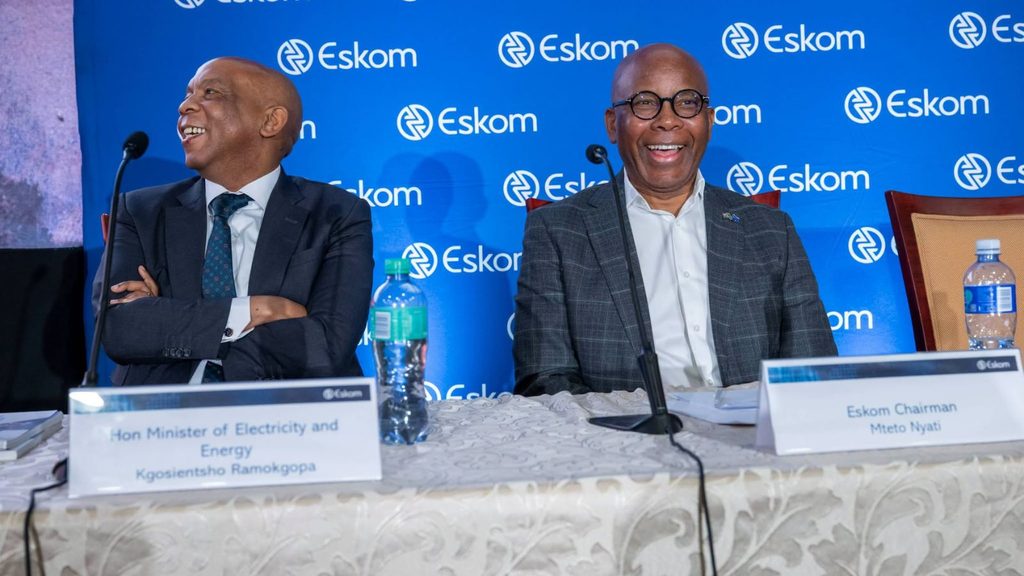
Eskom’s 103-year monopoly over South Africa’s electricity sector will come to an end in 2027 as private players join the utility in generating electricity for the national grid.
This will lead to the creation of an open, competitive electricity market, as opposed to the historic centralised power system.
Such an open, competitive system is based on models used in 100 countries around the world, where an independent transmission system operator oversees the national grid.
South Africa has been slow to adopt this model, with Eskom controlling generation and transmission, and municipalities controlling distribution.
Symmetry chief investment strategist Izak Odendaal explained that these reforms are vital for the South African economy, as they will lead to lower electricity prices.
South Africa’s mining and manufacturing output has been flat for the past decade. These sectors are critical for economic growth and job creation.
“While load-shedding is a thing of the past, electricity prices keep increasing rapidly, making some forms of manufacturing activity uncompetitive,” Odendaal said.
“As much as politicians love talking about adding value to South Africa’s mineral wealth, that dream must be deferred until electricity is affordable.”
Eskom and the government have offered special tariffs to keep smelters afloat, but selling electricity at a loss is unsustainable.
The cost will have to be borne by someone at some point in the form of higher tariffs to compensate. Unless the price of electricity can be reduced.
“Eskom’s latest proposed 9% increase for everyone else is still three times the Reserve Bank’s inflation target,” Odendaal said.
“Ultimately, only meaningful competition can stabilise prices and eventually make electricity relatively cheaper.”
This is not about reducing the ultimate price of electricity, as it can mean slowing price increases to the rate of inflation or below it.
In theory, this should keep electricity prices ‘flat’ while company earnings and incomes rise, making it relatively cheaper.
Ending Eskom’s monopoly
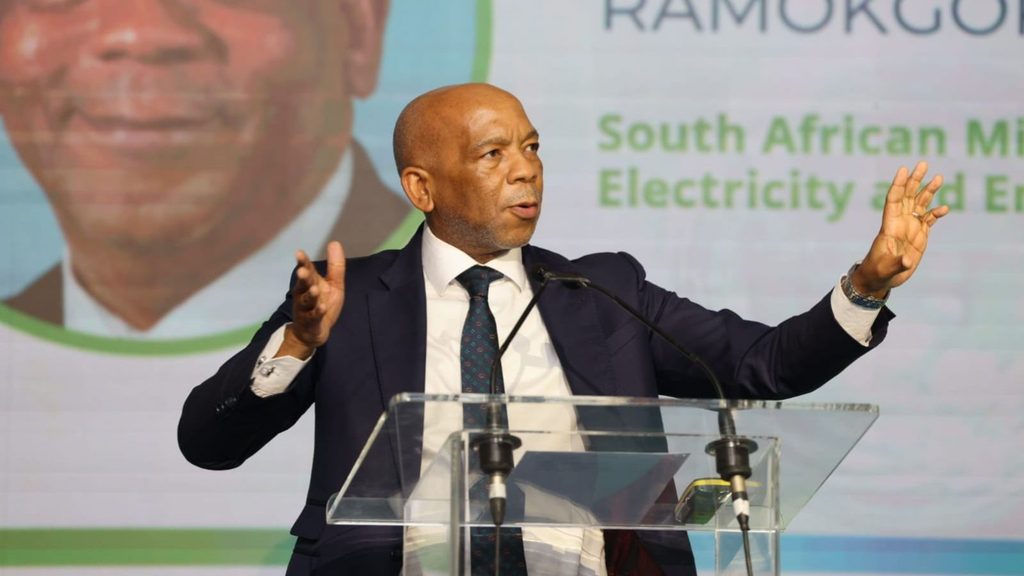
The key to lower prices is meaningful competition, which the ongoing set of reforms aims to achieve despite pushback.
The Department of Electricity and Energy told Parliament that the first new participants in South Africa’s open electricity market will join Eskom from April 2027.
The market launch will occur after a year of testing the new market platform, which will manage multiple electricity suppliers.
During this period, the National Transmission Company of South Africa will simulate having multiple participants in the market.
Then, in April 2027, the market will launch, and the first participants will be added to South Africa’s national transmission grid.
These participants will operate alongside Eskom and compete with the utility for business, breaking the utility’s monopoly.
The department said the market will then be gradually opened up to new participants and new products, enabling greater efficiency and lower prices.
Private players will have lower electricity prices than Eskom thanks to their embrace of newer generation technologies.
Eskom itself plans to invest heavily in renewable generation through Eskom Green, which will help it reduce its cost of producing electricity.
This will, in turn, result in lower prices for consumers and boost the country’s economic activity by improving the economic case for investing in manufacturing capacity.
“This is why the current reforms underway are so important. The plan to separate transmission from electricity generation is still no track to be completed,” Odendaal said.
“It has been slow going, but unbundling a 103-year-old vertically integrated monopoly is not a simple exercise.”
Eskom has previously pushed back against the timeline of its unbundling and the creation of an open electricity market.
Its argument was that the unbundling could create significant financial trouble for it, with lending covenants likely to be broken and its debt burden being unserviceable if the process was not carefully handled.
President Ramaphosa and Electricity Minister Kgosientsho Ramokgopa have reiterated the government’s commitment to the unbundling process.



Comments