South Africa’s museum town has a 132-year-old hotel standing empty because of a worker dispute


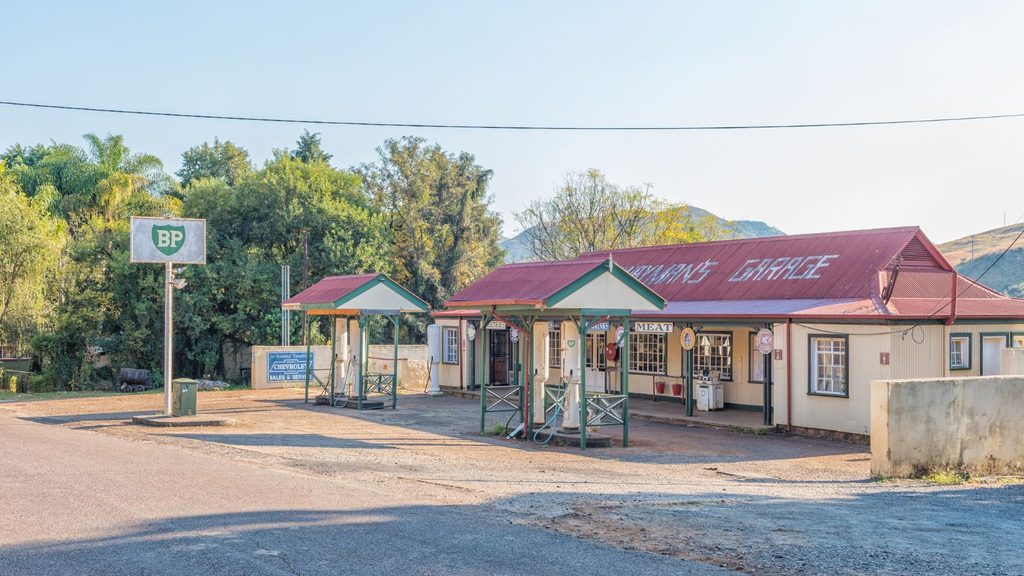
Pilgrim’s Rest is one of South Africa’s most iconic tourist towns, a time capsule of the country’s early gold rush.
However, tourists are unable to enjoy the town’s Royal Hotel, which was founded in 1894, due to a dispute with workers that has dragged on for years.
The provincial government has been unable to find a suitable operator for the hotel, which it says is due to the advertised tender requirements.
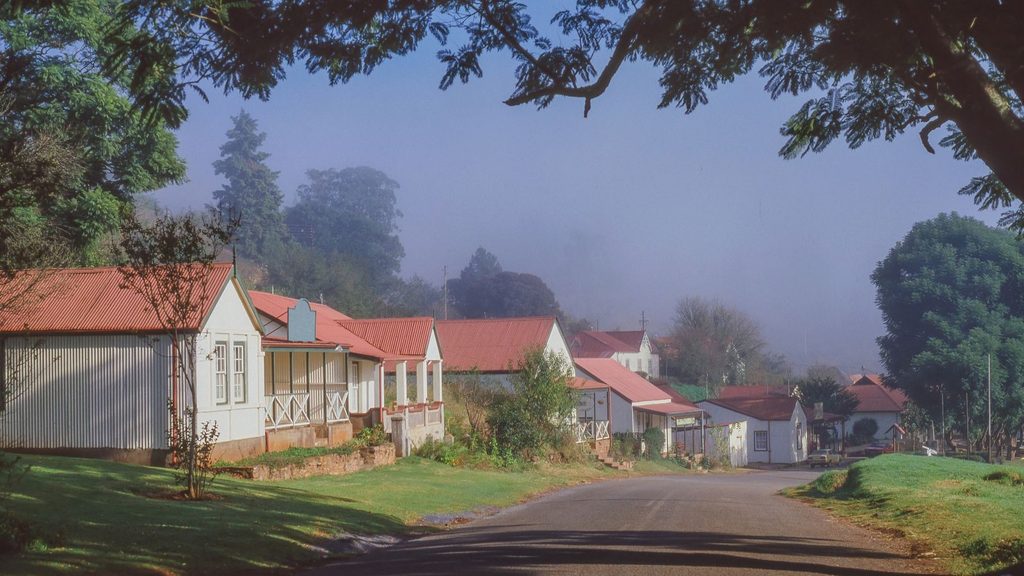
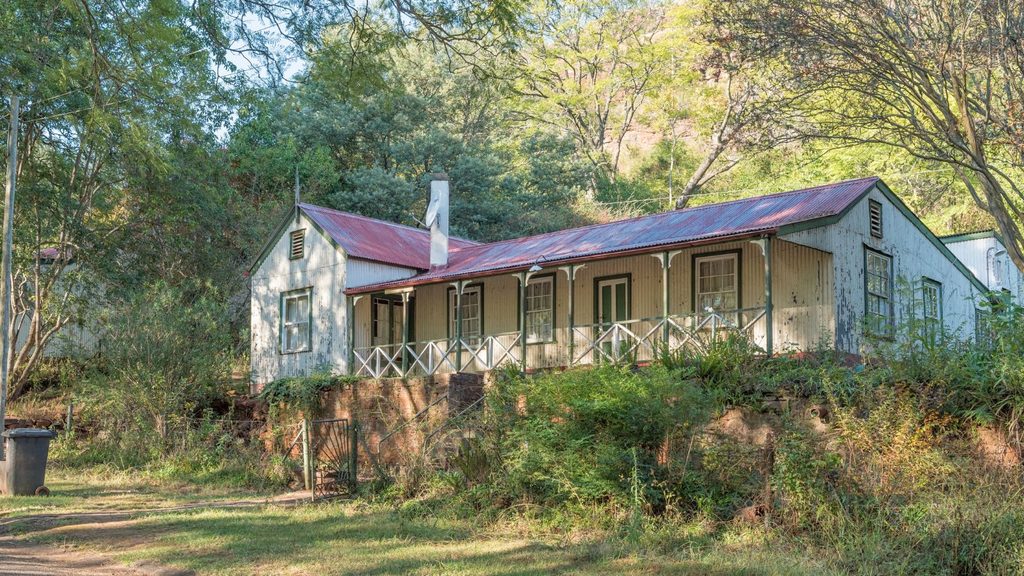
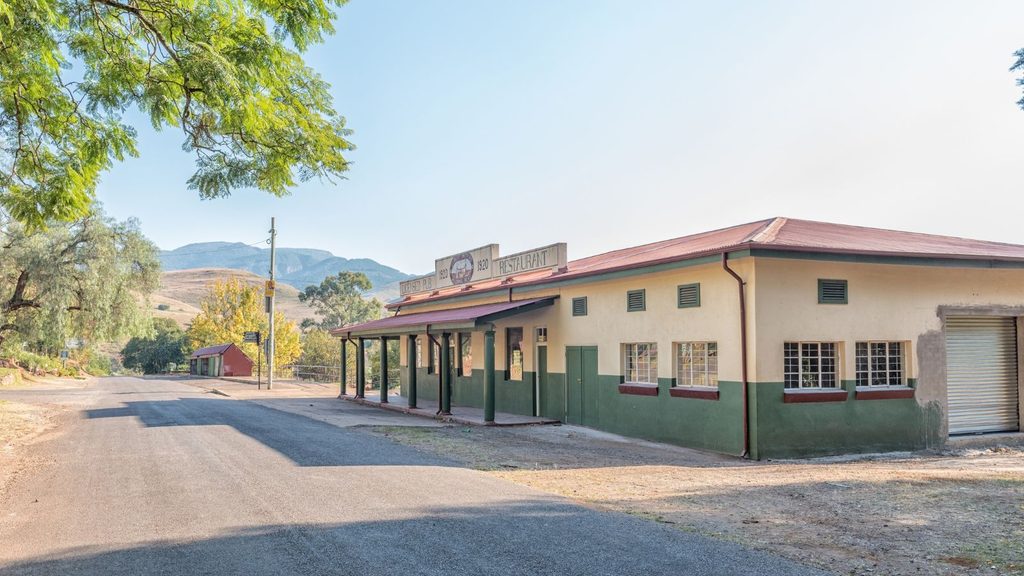
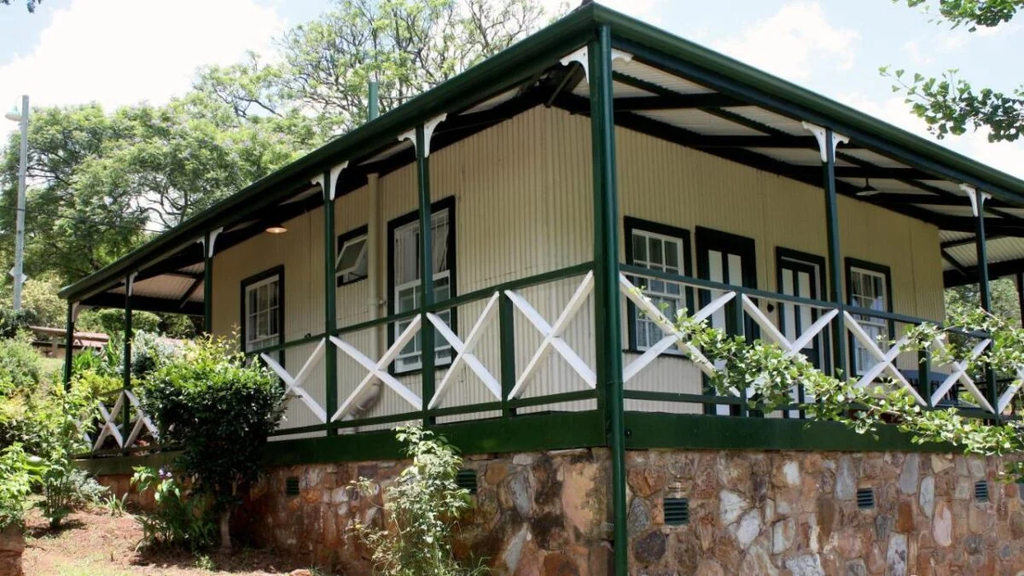
Located along the Panorama Route on the eastern edge of Mpumalanga, Pilgrim’s Rest is the only town to have its entire area declared a national monument in 1986.
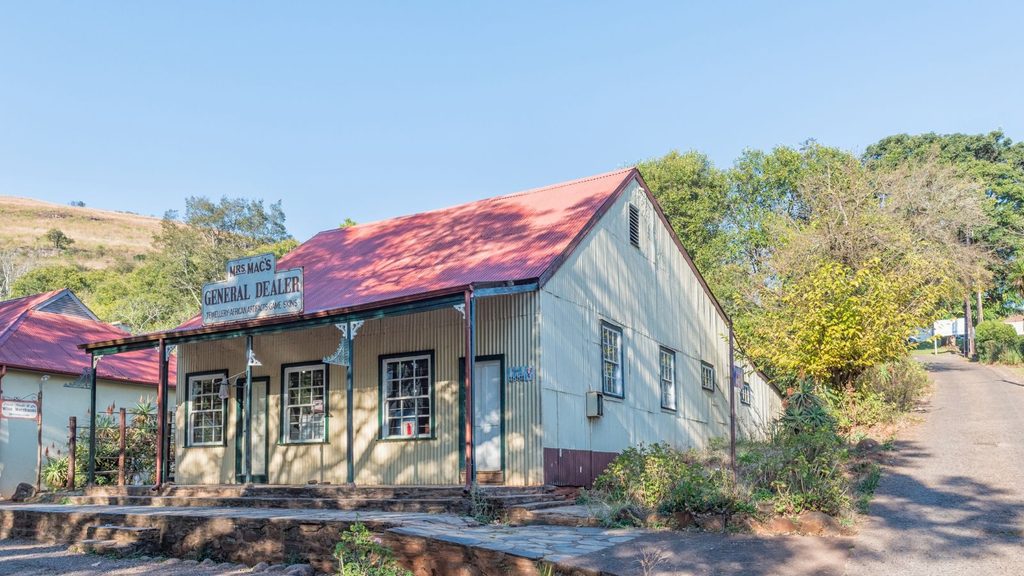
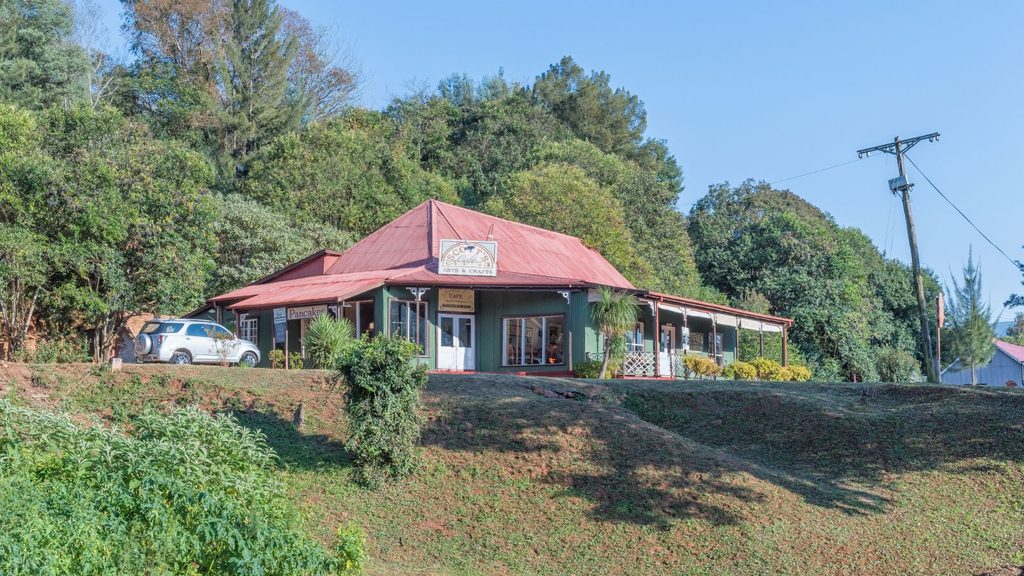
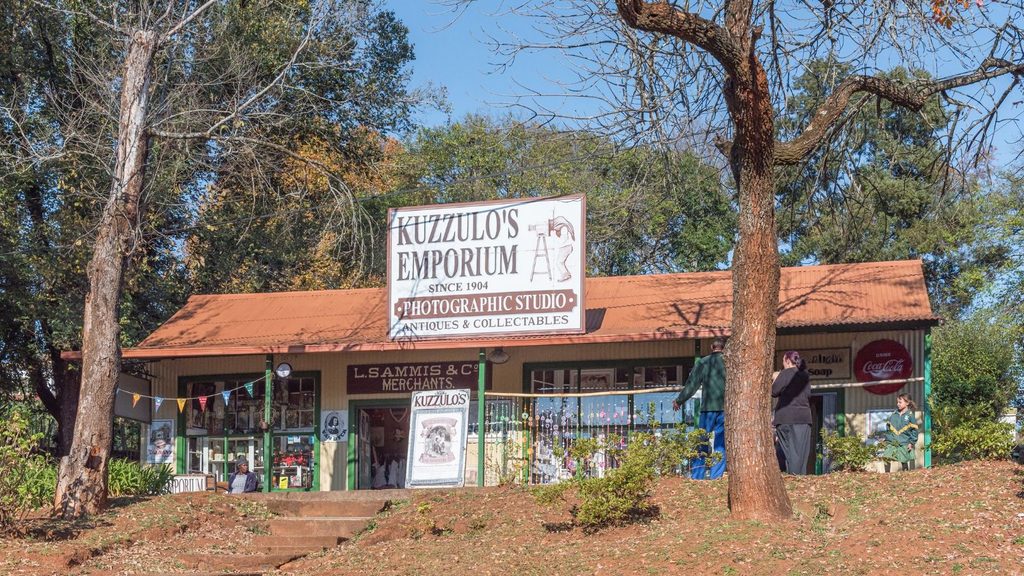
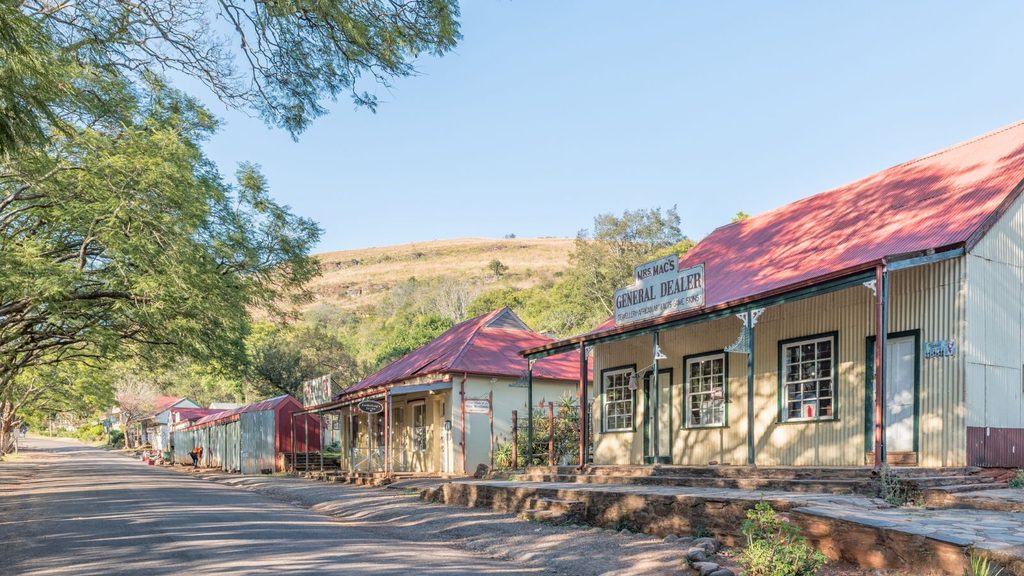
This has preserved its unique 19th-century architecture and is one of the only places where people can see what it was like to live through South Africa’s gold rush.
Pilgrim’s Rest was founded in 1873 by gold prospectors Alex Patterson and William Trafford, who coined the name as they could finally stop searching for the precious metal.
Their discovery of gold sparked South Africa’s second gold rush, with the town attracting over 1,500 diggers in its first year.
The town produced the first listed gold mining company in South Africa – Transvaal Gold Mining Estates (TGME).
This company centralised many of the individual claims in the region and provided the capital necessary to make mining more efficient and sophisticated.
The initial gold discovery was easy to extract, with individuals panning for gold using nearby streams after discovering ore near the surface.
As these reserves were exhausted, more sophisticated operations were required to extract gold found deeper underground.
TGME effectively built the modern town by investing in hydroelectric plants to power its ore crushers. These plants also powered the town’s electric streetlights.
The town’s second wind of growth came during the Second Boer War, where it served as a secure location for an emergency Boer mint because of its readily accessible gold.
Commercial mining in the town ceased in 1971, leaving the town to reinvent itself as a time capsule for people to experience the gold rush.
Not much had changed in Pilgrim’s Rest since the late 1800s, when the provincial government purchased it in the 1970s to preserve its historical value.
The government turned it into a museum town to attract tourists and keep its economy afloat. However, this purchase has also created unique challenges.
The empty hotel
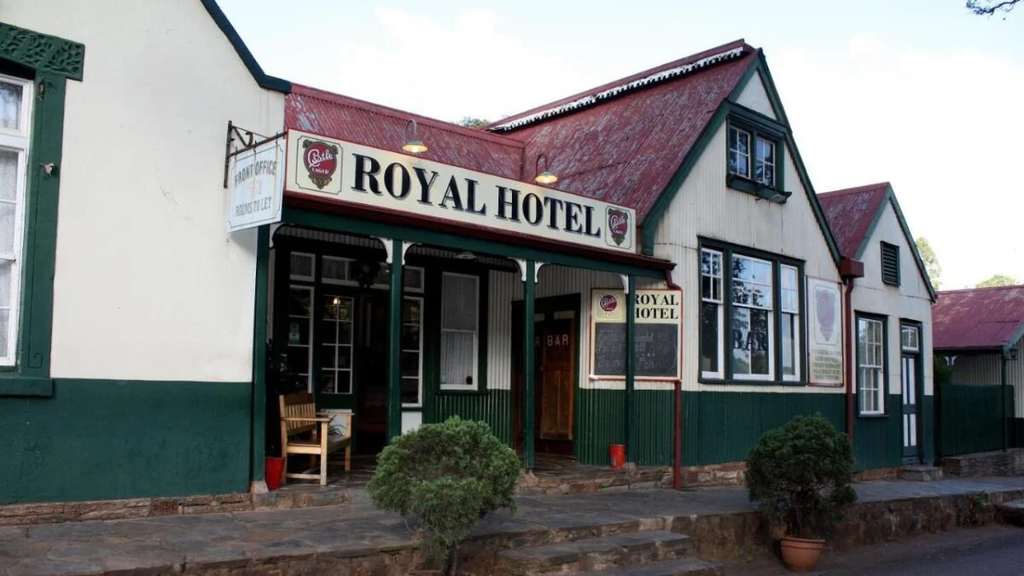
The provincial government’s ownership of the town has left it responsible for operating certain amenities in Pilgrim’s Rest.
It has been found unable to do so effectively, with the iconic Royal Hotel standing empty for years because the government cannot find a suitable operator.
The hotel has been preserved with its Victorian décor, brass beds, washstands, and clawfoot bathtubs. These have been kept almost as they were in 1913.
Since 2012, the hotel has been managed by the provincial government’s Mpumalanga Regional Training Trust, which kept it open for a decade.
However, the trust ran into significant financial difficulty during the Covid-19 pandemic and began searching for private operators.
Private operator Kruger on Sabie took over the running of the hotel in September 2022 after the trust’s lease ended.
Kruger on Sabie absorbed all 50 employees at the hotel, but quickly realised this was not financially sustainable and implemented a shift-work system.
This was intended to keep all 50 individuals employed, albeit at lower pay due to the less work they would be doing.
This created a dispute between the employees and management, which forced Kruger on Sabie to close the hotel until a resolution was found.
A resolution has not been found, leaving the Royal Hotel shut and empty, with no business operating on the premises.
Mpumalanga Provincial Legislature member Teboho Sekaledi recently brought the issue back to public attention and warned it was hurting tourism.
“The extended closure of the Royal Hotel, Pilgrim’s Rest, left many people jobless while the province has the third highest rate of unemployment,” Sekaledi said.
“Mpumalanga Tourism cannot afford to lose this hotel. The town of Pilgrim’s Rest and Royal Hotel Pilgrim’s Rest are part of Mpumalanga’s heritage.”
A report to the Portfolio Committee on Public Works, Roads and Transport revealed that it has been very difficult to find new operators.
Bids received for the operationalisation of the Royal Hotel were deemed non-responsive because they did not comply with the requirements set out in the advertised tender.
The tender has been advertised again while the hotel remains empty.
Pilgrim’s Rest photos



Comments