SARS’ gift to South African farmers who use diesel


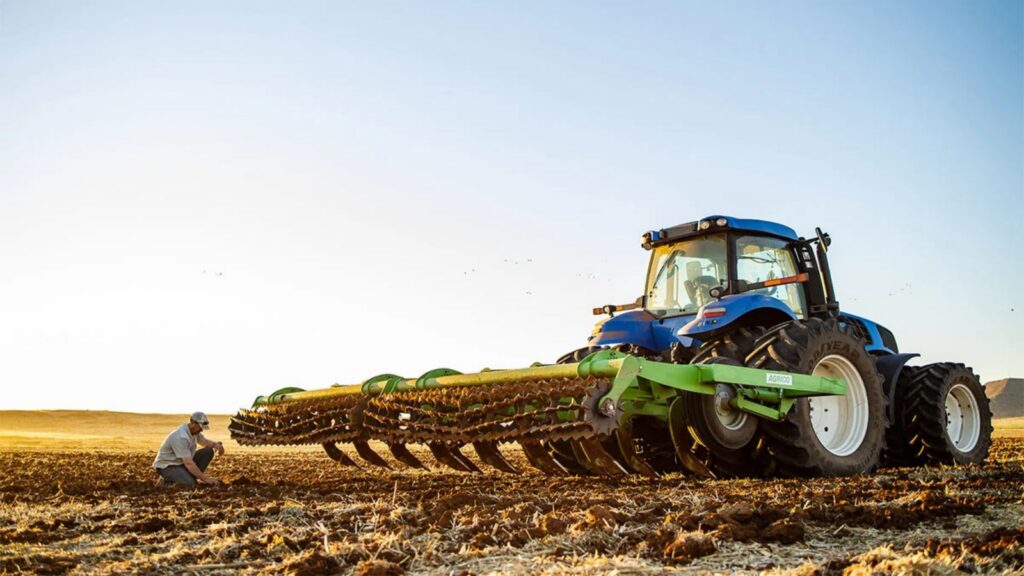
South Africa’s agricultural sector has been thrown a lifeline in the form of a complete overhaul of the country’s diesel refund system.
The South African Revenue Service (SARS) announced it would separate its diesel refund registration system from its value-added tax (VAT) registration system.
Alongside this, SARS has introduced a new automated platform for its diesel refund registrations, which it launched on 18 September 2026.
SARS clients will now be able to submit refund registration applications through its online eFiling platform, or at the various Customs and Excise branch offices around the country.
A Diesel Refund Relationship Management function has also been made available on eFiling, allowing clients to declare, manage, and maintain relationships associated with their refund registrations.
The shift forms part of SARS’s ongoing Customs Modernisation Programme, which aims to move away from manual paperwork towards automated, risk-based electronic systems.
In a webinar discussing the overhaul, SARS Product Owner in Excise, Anand Khelawon, described it as an important milestone in diesel refund modernisation.
“SARS has been undertaking a comprehensive transformation of diesel refund administration to ensure the system remains fit for purpose,” Khelawon said.
“The solution will transition diesel refunds to a dedicated registration platform providing improved visibility, enhanced traceability, and a more streamlined user experience.”
Entities which qualify for the diesel refunds include businesses within the farming, fishing, mining, and forestry sectors, among others.
Existing diesel-refund claimants, both users and sellers, will reportedly be required to re-register on the new system, with SARS saying they will not be automatically registered.
Grain SA Applied Economics & Member Services Lead Corne Louw said that despite tighter compliance, the change was a welcome one for the farming industry.
“It’s a big reset, but I think we’re all in agreement that it is necessary for both parties,” Louw said.
“For SARS that needs to audit farmers on their usage of diesel, and for farmers that need to comply with proving that usage. It’s an improvement, definitely.”
Relief from diesel price pressures

As part of the diesel refund reset, claimants operating on land are entitled to claim a 100% refund on eligible diesel used in qualifying farming, forestry, and mining activities.
The change came into effect from 1 April 2026, where before diesel users were only able to claim refunds of up to 80%.
This is expected to provide significant relief to South African farmers at a time when diesel prices are at record highs due to the ongoing war in the Middle East.
“The diesel rebate is probably the only benefit that our farmers receive currently, so it is really important to the whole farming community,” Louw said.
“It is currently to the extent of R3.82 per litre, so it is a significant amount that farmers could get back, especially with regard to the Road Accident Fund and the 40% of the general fuel levy.”
Diesel is now estimated to account for between 13% and 14% of a local farmer’s total variable production costs.
Additionally, Louw said farmers in summer rainfall areas in the north of the country are currently using high levels of diesel as they prepare their soil.
Farmers in the Western Cape, who have recently experienced severe droughts, are now heading into harvest season, which will also use significant amounts of diesel.
“These prices, and the estimated price increase of more than R2.50 next month, just make matters worse,” Louw explained.
While registrations for the new system are now open, stakeholders will be required to continue using the old system for claims until the new submission functionality is fully implemented.
Louw expects that the new system will address other concerns raised with regard to the old diesel refund system, specifically in terms of how farmers communicate with SARS.
“We still have some problems with the current system,” Louw said. “One of the issues is communication with SARS.”
“With this system being similar to an eFiling system, that communication with SARS will be a direct line. That will definitely improve some of the communication concerns.”





Comments