The healthy fast-food restaurant that has been serving smoothies and wraps for 30 years in South Africa


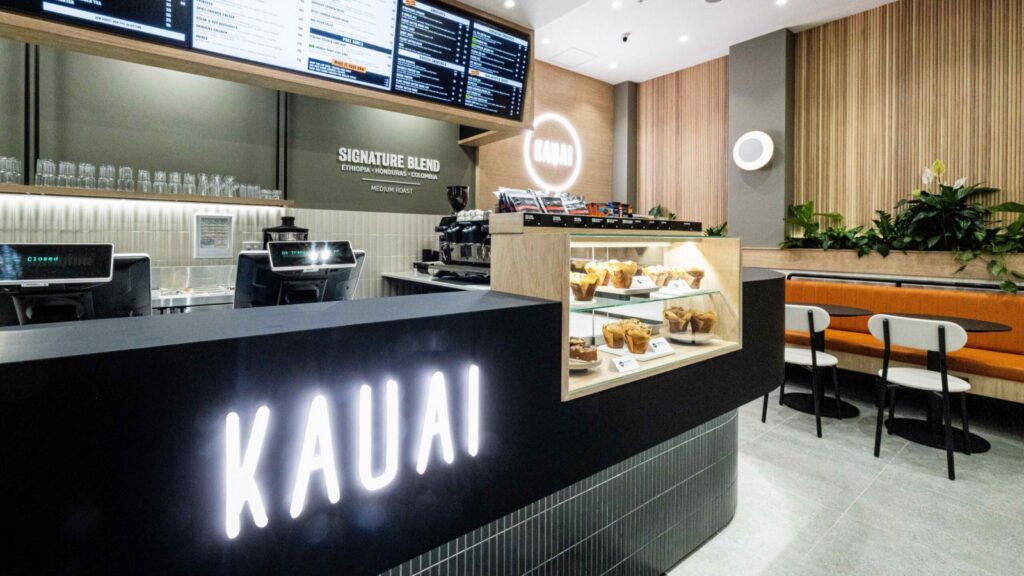
Kauai has been a staple of South Africa’s fast-food scene for 30 years, offering a healthier alternative to major chains like KFC and McDonald’s.
The idea for a healthy fast-food restaurant in South Africa originated with founders John Berry and the two Harwin brothers, Carl and Brett.
The three men had been living in tents in a papaya field on the Hawaiian island of Kaua’i, where they ran a bottled juice company.
Berry and the Harwin brothers had dreamed of opening a sandwich and smoothie shop, a dream they would realise when they took a trip to South Africa in 1995 for Carl’s wedding.
While visiting Cape Town, the three friends noted the lack of healthy convenience food and drink options which they were used to back home, such as freshly squeezed juices and smoothies.
This inspired them to combine Berry’s cooking background with their juice experience to create a new retail concept revolving around fast, fresh, and healthy food and drinks.
In 1996, Kauai opened its first smoothie bar in Cape Town, offering wraps and other nutrient rich food options to stand out against the country’s pizza, burger, and fried chicken chains.
The business was an instant success, with South Africans gravitating toward its affordable and easily accessible approach to more health-conscious food and beverages.
By 2011, there were more than 95 Kauai branches across South Africa, and just four years later this number had grown to 154 stores.
That same year, Real Foods acquired a 100% ownership stake in Kauai, with Real Foods CEO Dean Kowarski becoming CEO of Kauai as well.
Today, Kauai has grown to encompass more than 250 stores across multiple countries, including Namibia, Botswana, the United Kingdom, Italy, Australia, and Thailand.
Together, these branches serve more than 25 million meals and smoothies every single year, 30 years after it popularised smoothies and wraps in the South African market.
The company has also enjoyed an extensive relationship with gym chain Virgin Active, which acquired Real Foods in 2022 for R1.8 billion.
Evolving to meet consumer needs

Over the course of its 30 years of existence, Kauai has had to constantly evolve to keep pace with ever-changing consumer trends.
When the first Kauai smoothie bar opened in 1996, healthy eating was considered more of a specialised interest rather than a mainstream option for working South Africans.
Since then, however, Kauai CEO Dean Kowarski said consumers have come to expect easier access to more enjoyable and customisable health-conscious offerings.
“South Africans still have a strong appetite for quick service food, but in recent years there has been a notable change in what customers expect from it,” Kowarski said.
“Consumers are more health-conscious than ever, and they expect brands to keep pace with credible, meaningful innovation. Healthy eating is now mainstream, with everyday consumption.”
Over the years, Kauai has changed its menu to better suit the needs of its growing customer base, adding options for personalisation of its meals and beverages.
These include various milk options for its drinks, different choices of protein, plant-based alternatives, and low carbohydrate wraps, among others.
These allow customers to tailor meals to their preferences, while Kauai’s product development team works closely with dieticians to ensure all its offerings are nutrient rich.
“Our role is to make delicious, nutritious food easier to access every day without asking people to compromise on convenience,” Kowarski explained.
“That means being in the right locations, offering efficient delivery, and giving customers the tools to find the information they need to make choices to suit their own needs.”
Kauai offers an app for its customers which allows them to order ahead, manage their subscriptions, track loyalty rewards, and filter the menu by metrics such as calorie count.
Kowarski said the company is currently looking into AI-powered ordering that will recognise customer preferences and speed up the personalisation and ordering process.
He said it would also look at upgrading its restaurant interiors to be more warm and inviting for customers, incorporating more comfortable seating with work-friendly spaces.






Comments