South Africa gets a nasty inflation surprise


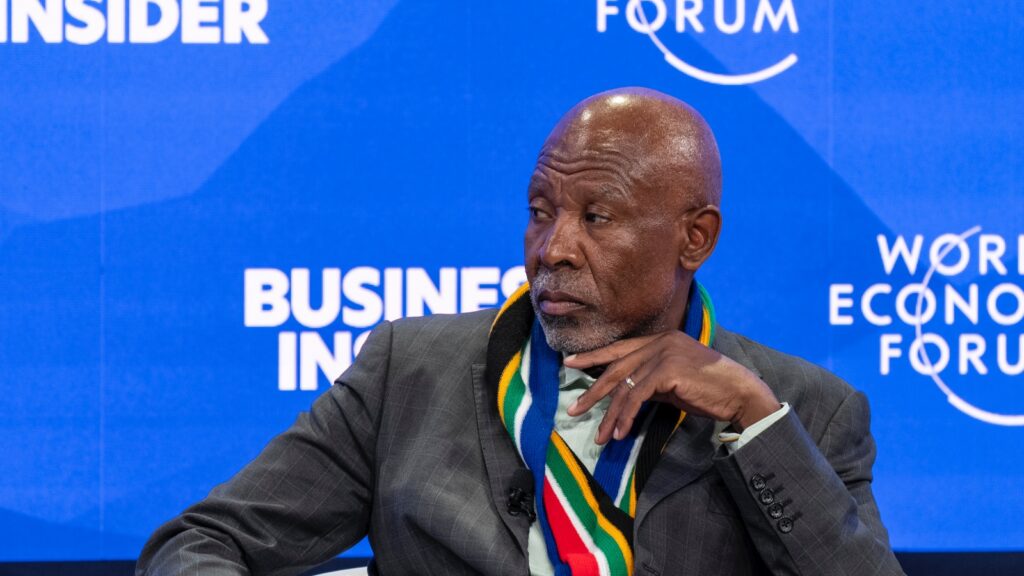
Traders hardened bets that the South African Reserve Bank will raise interest rates after annual inflation quickened more than expected in June.
Consumer prices rose 5% compared with 4.5% in May, Pretoria-based Statistics South Africa said in a statement on its website on Wednesday. That exceeded the median estimate of 4.7% in a Bloomberg survey of 17 economists.
Most economists in a separate Bloomberg survey conducted before the inflation release see the central bank lifting interest rates by another 25 basis points to 7.25% on Thursday.
Forward rate agreements – used to speculate on borrowing costs – are almost completely pricing in a quarter-point increase.
Johann Els, chief economist at PSG Financial Services, took a contrarian view and said that the SARB could opt to stand pat.
He argues that there wasn’t sufficient evidence of spillovers into broader prices from energy-adjacent categories to warrant tightening on Thursday, though it may act later in the year.
“There is very little, in fact almost no second-round signs in the data. The upside surprise did not come from second-round effects of petrol on other stuff,” Els said.
“This data might just influence the hawkishness in the statement: So talk tough, but don’t do it yet.”
Expectations for a hike have strengthened after renewed US-Iran tensions brought traffic through the Strait of Hormuz to a virtual standstill, lifting energy and fertiliser prices.
The increase in import costs has made it less likely that inflation will return to the central bank’s 3% target as quickly as Governor Lesetja Kganyago had suggested before the escalation.
Another concern will be inflation expectations. Average expectations two years ahead — the measure the MPC closely watches when setting interest rates — rose to 3.9% in the second quarter from 3.6% previously.
Kganyago previously said bringing expectations back to target remains a priority for the monetary policy committee.
The biggest contributors to the worse-than-expected outcome were higher transport, housing and utility, insurance and financial services costs.





Comments