Big changes coming to electricity prices in South Africa


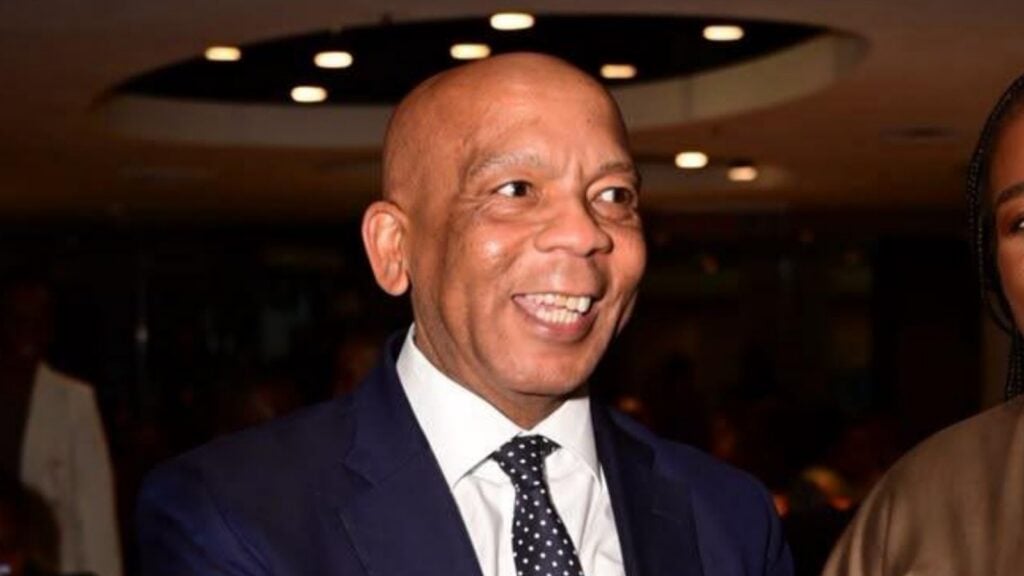
South Africa proposed sweeping changes to its electricity-tariff framework, the biggest overhaul of its pricing policy in almost two decades.
The plan includes introducing a 10-year pricing forecast, unbundled tariffs, and extending its negotiated pricing agreement program to sectors beyond the mining industry, Electricity Minister Kgosientsho Ramokgopa told reporters in the capital, Pretoria, on Tuesday.
“Ongoing electricity sector transformations, including the introduction of market-based mechanisms and increased competition, necessitate a revised policy framework that is aligned with the evolving electricity market,” he said.
South Africa is implementing a series of reforms aimed at ending state power utility Eskom’s century-old monopoly by splitting it into three separate units and bringing in private suppliers.
At the same time, it’s redesigning tariff structures so they better reflect the cost of supplying electricity. The nation’s current pricing policy dates back to 2008.
South Africa struggled through more than 15 years of power-rationing known locally as loadshedding before the situation eased in 2024.
Economic growth in Africa’s largest economy hasn’t exceeded 1% on average for more than a decade, in large part because of the energy deficit.
The new policy seeks to strengthen the regulations that determine electricity prices to make them more transparent by separating charges across generation, transmission, distribution, and retail and integrating them into a more consistent framework.
The changes come as steep increases in electricity costs bring pressure to bear on households and businesses.
The National Energy Regulator of South Africa approved an 8.8% tariff increase in July for customers that Eskom supplies directly, and an average 9% increase for those serviced by municipal distributors.
The key proposed changes to the pricing policy announced by Ramokgopa include:
- Municipalities and Eskom will allow customers to buy from other suppliers, with transparent, cost-reflective, and non-discriminatory network charges.
- The country’s energy regulator will be required to publish a 10-year price forecast to help businesses and households plan and budget, while providing investors with the ability to compute returns on investment.
- An allocation of free basic energy of between 200-300 kilowatt-hours per month will be made per household, including the use of alternate energy sources such as microgrids
- A standardised negotiated price agreement will be implemented with clear criteria and oversight by the regulator.
The plan will be gazetted for public comment on 21 August.






Comments