A single accounting error will cost South Africa R9.6 billion and 45,000 jobs


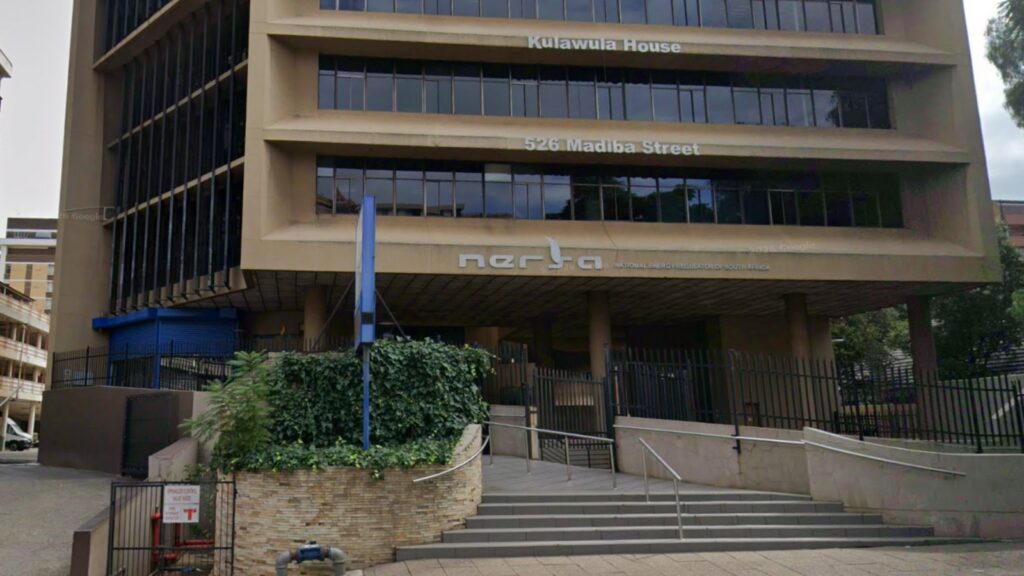
The National Energy Regulator of South Africa’s (NERSA) approval of a R54 billion Eskom tariff adjustment will destroy 45,394 jobs and make South Africans R9.6 billion poorer over the next two years.
This was revealed in a recently released report by NERSA analysing the potential economic impact of the tariff adjustment approval.
The report presented two options which NERSA had considered, the first being to recover the entire R54 billion over two years and the second to recover a reduced balance of R35 billion.
According to NERSA, the second option is the more preferable of the two as it will have a less severe impact on South African households.
In this scenario, South Africans will be subject to additional electricity price increases of 3.4% and 2.64% during the 2026/27 and 2027/28 financial years, respectively.
This is estimated to result in job losses of 22,790 during the first year and 22,604 during the second, for a total of 45,394 jobs lost over the two-year period.
Additionally, the impact on household income is calculated to be approximately R4.8 billion each year, bringing the total income losses for the two-year period to over R9.6 billion.
Option 1 would result in a far more substantial impact for South Africans, cutting 55,827 jobs and destroying R11.9 billion in household income over the two-year period.
While this would significantly strengthen Eskom’s debt-servicing capacity, NERSA said it would also raise production costs across South Africa’s economy, stunting potential growth.
In both scenarios, the employment impact is skewed towards semi-skilled and unskilled labourers, who are more likely to be employed in energy-intensive industries.
“Option 2 is considered preferable to Option 1, as it results in a comparatively lower and more maintained CPI impact across all income categories over the two-year period,” NERSA said.
“This will mitigate the disproportionate burden on low-income households while enhancing overall affordability and distributional equality.”
South Africans lose either way
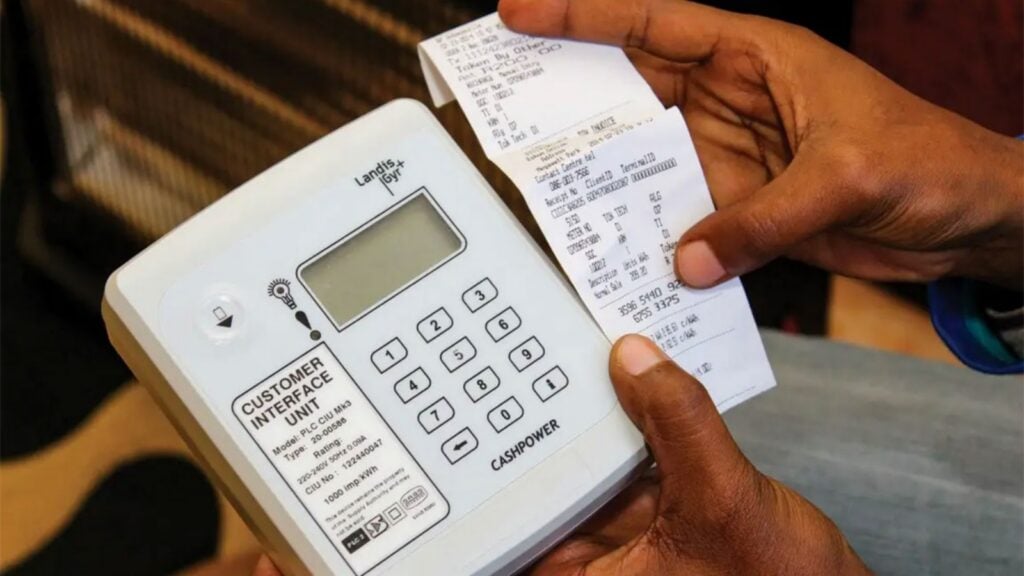
While NERSA said Option 2 was preferable due to its lower impact on jobs and household income, both scenarios point to substantial losses for South Africans over the next two years.
These losses are expected to hit low-income households the hardest, due to electricity taking up a larger percentage of their spending.
“Approximately 28 million South Africans rely on social grants,” NERSA said. “Higher tariffs may therefore reduce affordability and potentially undermine access to electricity.”
“This can be mitigated if measures such as Free Basic Electricity allocations or expanded social grant support are introduced. However, fiscal constraints may limit the feasibility of such interventions.”
NERSA’s decision to approve the R54 billion Eskom tariff increase has been strongly opposed by groups such as civil rights organisation AfriForum.
The dispute reportedly originated from an accounting calculation error on the part of NERSA regarding Eskom’s allowable revenue, resulting in a shortfall of R54 billion.
NERSA agreed to higher tariff increases to allow Eskom to recover this shortfall, resulting in tariff increases of 8.76% and 8.83% for the 2026/27 and 2027/28 financial years, respectively.
Following the announcement of the tariff adjustments, AfriForum requested that NERSA publicly disclose the reasoning behind the approved increases.
When NERSA failed to provide this after 90 days, AfriForum filed an urgent application with the Pretoria High Court to compel NERSA to provide its reasoning.
AfriForum’s Advisor on Local Government Affairs, Dalena Beyers, said the disclosure of NERSA’s reasoning was in the interest of the public, who will be most affected by the tariff increases.
“The process was clearly questionable from the outset, pointing to irrational decision-making and a lack of transparency,” Beyers said.
“The court will now have to provide clarity, in the interest of all electricity consumers, regarding the lawfulness of this decision and NERSA’s withholding of information about it.”


Comments