South Africa has a new employment crisis


Both employers and job seekers in South Africa face a number of risks in the job market, with employers encountering fraud, misrepresentations, and reputational damage, while job seekers face financial instability and increasing verification challenges.
Managed Integrity Evaluation (MIE), the leading provider of background screening services in Southern Africa and a division of Mettus, recently noted that trust is no longer a given in South Africa’s volatile job market.
With South Africa’s unemployment rate exceeding 32% and expected to rise beyond 33% this year, desperation is fueling deception in the job market.
Fake qualifications, identity fraud, and financial misrepresentations are infiltrating hiring processes while businesses, under pressure to cut costs, screen fewer candidates.
The result is a “hiring crisis” in which overlooking due diligence could lead to regulatory breaches, reputational damage, and financial losses.
Against this backdrop, MIE released its 2024 Background Screening Index, a report which was compiled based on over 3.2 million background screening transactions that uncover key hiring trends and risks shaping the job market.
“Among the most prominent concerns is qualification misrepresentation,” said MIE’s head of marketing Jennifer Barkhuizen.
“Of the 652,133 qualification verifications conducted by MIE, 6.59% contained discrepancies, with matric certificates – 7.82% – and tertiary short courses – 8.28% – the most commonly falsified.”
“Notably, fraud is even higher for international qualifications, with 11% failing verification.”
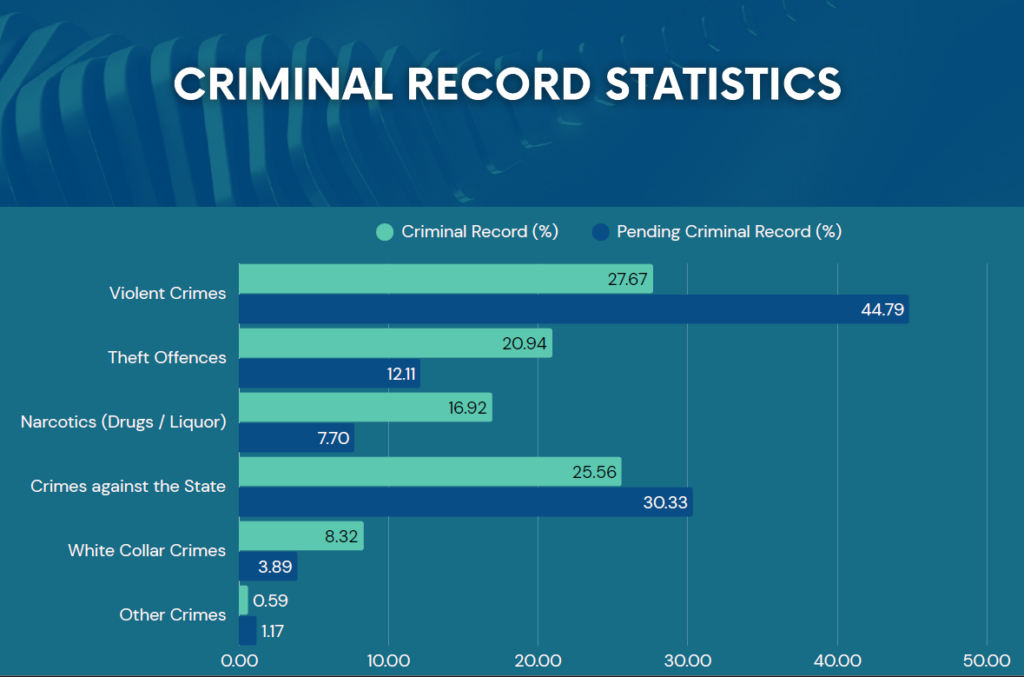
According to the report, criminal record checks remain the most requested verification, with 939,863 screenings conducted in 2024.
Although the risk percentage dropped to 7.15% from 12.38% in 2023, 3.74% of candidates were unaware or dishonest about their criminal records.
The demand for cross-border criminal verification is also rising, particularly in logistics, finance, and security.
Financial instability among job-seekers is another growing risk. Adverse financial history screenings show risk levels increasing from 16.44% in 2023 to 19.25% in 2024, with debt defaults and judgments on the rise.
Industries such as real estate, security, and private education are prioritising financial checks, particularly for roles involving fiduciary responsibility.
Social media
Barkhuizen explained that employers are also increasingly assessing candidates’ online behaviour as part of the hiring process.
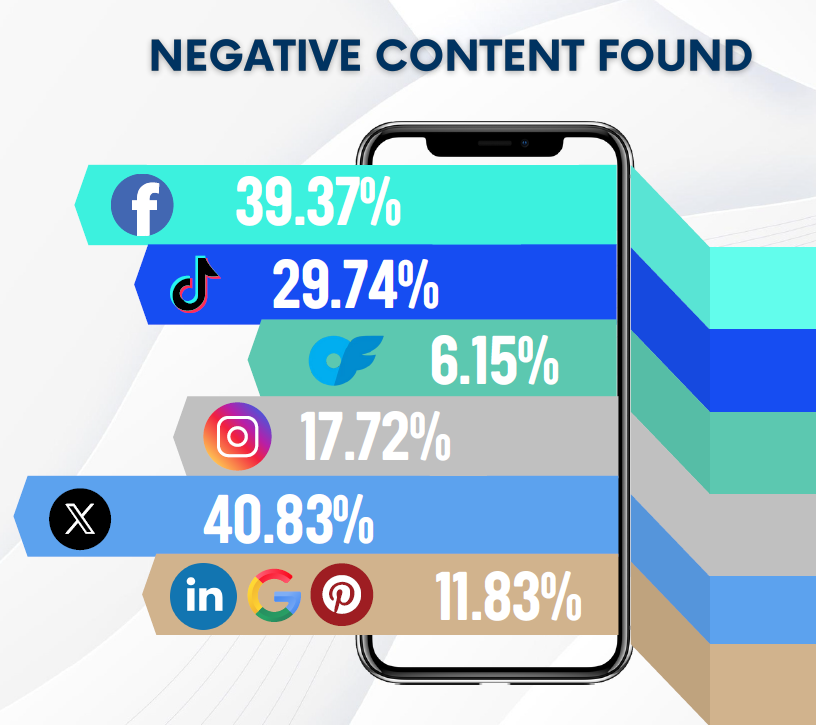
“Social media screening has surged, particularly in finance, legal, logistics and e-hailing industries, as companies seek to mitigate reputational risks,” she said.
The report revealed that 69.44% of flagged content was linked to discriminatory remarks, while unprofessional behaviour and online misconduct were also red flags.
“TikTok and X (Twitter) are the primary sources of problematic content, reinforcing the need for online behaviour checks in hiring decisions,” she warned.
With hiring slowdowns, Barkhuizen said businesses are streamlining verification processes. However, the challenge lies in balancing cost-efficiency with due diligence, and companies must ensure they mitigate risks while keeping hiring processes efficient.
Digital verification tools are emerging as a means for businesses to improve accuracy and speed.
Here, features such as automated employment reference checks have boosted response rates by 70%, while real-time tracking systems allow for faster, more transparent screening.
Looking ahead, AI and biometric authentication will assist in identifying, reducing, and preventing fraud incidents, while regulatory compliance in qualification verification and financial risk management will continue to tighten.
“The job market is evolving, and hiring practices must be adapted to it. Fraud is rampant, risks are rising, and the cost of getting it wrong has never been higher,” Barkhuizen said.
“Employers who fail to screen effectively don’t just risk bad hires, but risk their reputation, compliance, and bottom line. Now is the time to act because, in today’s world, trust isn’t given – it’s verified.”






Comments