South Africa could achieve investment-grade status by 2028


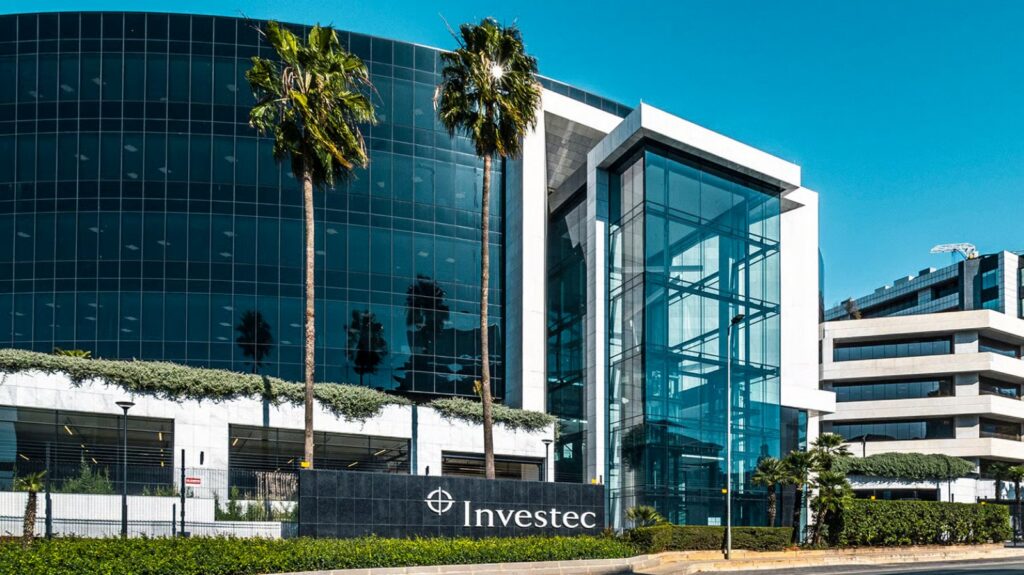
South Africa could achieve investment-grade status by 2028 as GDP growth continues to accelerate and inflation is expected to decline in the coming months.
This assessment was put forth by Investec in its latest Global Investment View for Q3 2026, raising South Africa’s risk score to 1.5 points on a scale of -3 to 3.
The bank said there were a multitude of factors which indicated a positive turnaround for the South African economy, with the first being stronger growth levels.
“The last time four-quarter GDP growth in South Africa was above global peers was in 2014,” Investec explained.
“The recent trend has been encouraging, however, and South Africa’s four-quarter growth was at 1.7% in the first quarter of the year vs 2.3% for the global median.”
While South Africa’s GDP growth remains below global rates, Investec estimates that this will continue to accelerate over the coming months.
Additionally, the bank pointed to improving macroeconomic factors over the last six months, such as increases in Eskom’s energy availability factor and in South Africa’s trade surplus.
Investec set the fair value of the rand/US dollar exchange rate at R16.50 per dollar, roughly where it has averaged over the course of 2026.
These positive domestic developments stand in contrast to certain global headwinds, such as stretched valuations in the US market and an uncertain outlook on Chinese commodity prices.
With regard to the latter, Investec explained that Chinese retail sales are down year-on-year, while Chinese house prices have now been in decline for 36 consecutive months.
As a result, the bank said it estimated there to be a positive asymmetry in domestic risk assets and positioned itself overweight on South Africa.
“The South African Asset Allocation Committee believes that there is a reasonable chance that South Africa will achieve investment-grade status by 2028,” Investec said.
“With that should come a lower cost of borrowing for the government and a lower cost of capital for South African corporates.”
Investec expects inflation to decline

One of the more critical factors in Investec’s outlook for South Africa is its expectation that the country’s inflation will decline over the next few months.
Specifically, the bank pointed to lower global fuel prices on the back of renewed negotiations for an end to the war in the Middle East.
Oil prices have already dropped by over 20% from their most recent peak, and are expected to decline further as the United States and Iran move closer towards a peace deal.
According to Investec, this is likely to lead to a decline in inflation within the next six months, which it said would remove the need for further interest rate hikes later this year.
The South African Reserve Bank (SARB) hiked interest rates by 25 basis points in May as the war drove fuel price inflation higher, opting to then hold rates at 7.00% at its next meeting in July.
Investec explained that should South Africa’s inflation settle back down closer to the SARB’s 3% target, that would open up the opportunity for the Reserve Bank to cut rates.
The combination of higher growth, declining inflation, and lower interest rates would then be beneficial for the performance of shares which are closely linked to that of the South African economy.
However, even if fuel prices continue to decline over the next few months, there remain significant risks to inflation, according to CAM Asset Management Chief Economist Maarten Ackerman.
“Freight costs remain elevated, supply networks have not fully normalised and rebuilding energy infrastructure in the Middle East will continue to add costs,” Ackerman explained.
“Fertiliser shortages, disruptions to food production and concerns that El Niño could extend into 2027 may place further pressure on global food prices.”
Ackerman said the question was no longer how quickly interest rates would fall, but now whether inflation would remain high enough to necessitate an extended hold or even additional hikes further down the line.



Comments