Bad news for South African salary earners about their take-home pay


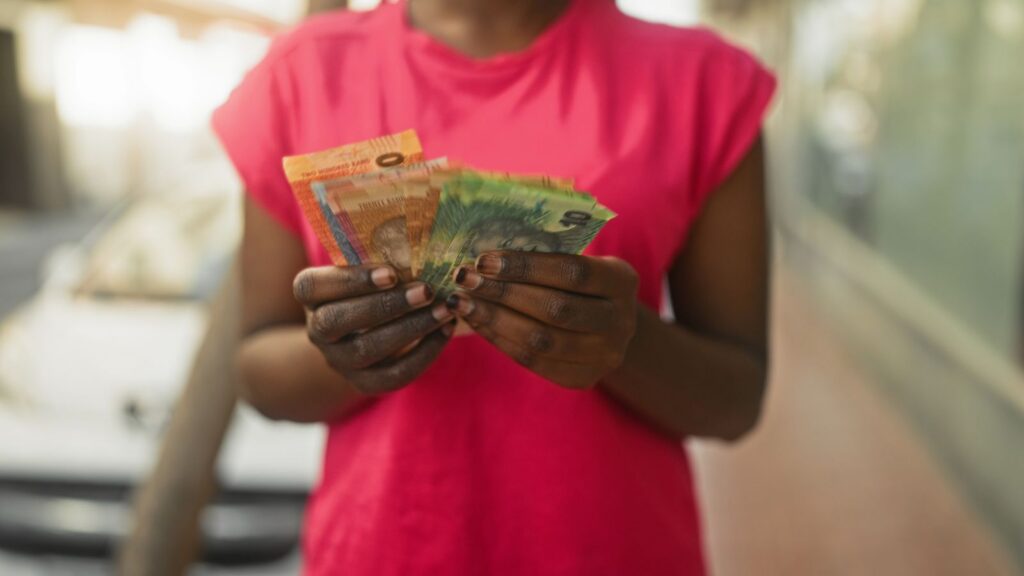
The PayInc Net Salary Index, which tracks the monthly take-home pay of 2.1 million South African salary earners, remained flat in October 2026.
This reflected a difficult year for South Africans marked by rising living costs and pressure on take-home pay.
“At R21,680, the nominal net salary remained unchanged in October but was still 1.8% up compared to a year ago,” said PayInc’s Shergeran Naidoo.
To date, average nominal net salaries were up by only 1.7% compared to the full-year increase of 3.7% in 2025.
In comparison, South Africa’s average headline consumer inflation rate over the 12 months from November 2025 through October 2026 was 4.05%.
The Statistics South Africa data further showed that the inflation rate rose to 5.2% in October 2026, up from 4.5% in September 2026.
Considering that average salaries only increased by 1.7% in 2026 showed that South Africans were getting poorer.
“The challenging economic year has clearly spilt over into a difficult year for salary earners,” said economist Elize Kruger.
She explained that due to high inflation, real salary increases have been significantly affected by rising costs.
She pointed to medical aid premiums, which increased by an average of 8.2% in 2026, while cost-of-living pressures have intensified throughout the year.
In real terms, the PayInc Net Salary Index declined in October 2026 to R20,094, which was 0.4% lower than in September and 2.9% lower than a year ago.
“Year-to-date statistics suggest that, on average, net salaries are down by 2.3% in real terms and likely the worst year since 2023,” said Kruger.
“This erosion in purchasing power impacts negatively on discretionary spending and confidence levels in the economy.”
2026 was a tough year for South Africans

2026 will be remembered as a year where large fuel price increases derailed South Africa’s promising economic outlook.
Driven largely by higher transport costs, headline inflation rose from a low of 3.0% in February and is forecast to average 4.3% in 2026, compared to 3.2% in 2025.
There was some positive news. Kruger predicted that the worst of the inflationary pressures may be behind us.
“International oil prices responded favourably to the Democrats’ sweeping win in the US midterm elections,” she said.
This bolstered expectations of diminished political influence for US President Trump and an increased likelihood of a resolution to the Middle East conflict.
International crude oil prices are trading below US$90 per barrel, which could signal a decline in petrol and diesel prices.
“This reversal will trigger a moderation in headline inflation as we enter 2027 and provide much-needed relief for salary earners,” said Kruger.
Headline inflation could dip below 3% by the end of 2027, with the average forecast at 3.4% in 2027.
With less pressure on the South African Reserve Bank, this could see a reversal of recent interest rate increases.
A reversal of this year’s high fuel prices should help moderate inflation, ease pressure on interest rates and lift confidence from its current subdued levels.
“Together, these more favourable macroeconomic conditions should enable businesses to offer better salary increases,” she said.
“Lower inflation in South Africa would also help restore some purchasing power to salary earners.”
She said that, in real terms, salaries in South Africa should keep up with inflation in 2027, which will be a welcome development following a challenging year.
“Net salaries are also expected to recover somewhat in 2027, but their increase will likely be eroded by faster-rising deductions such as medical aid premiums,” she said.
Log in or register for free access to all articles.






Conversation
1 commentsThe ANC will give themselves a celebratory dinner party to mark meeti h their KPI’s