The Springbok who won the 1995 World Cup became the MD of a South African tech giant and now runs an innovative company


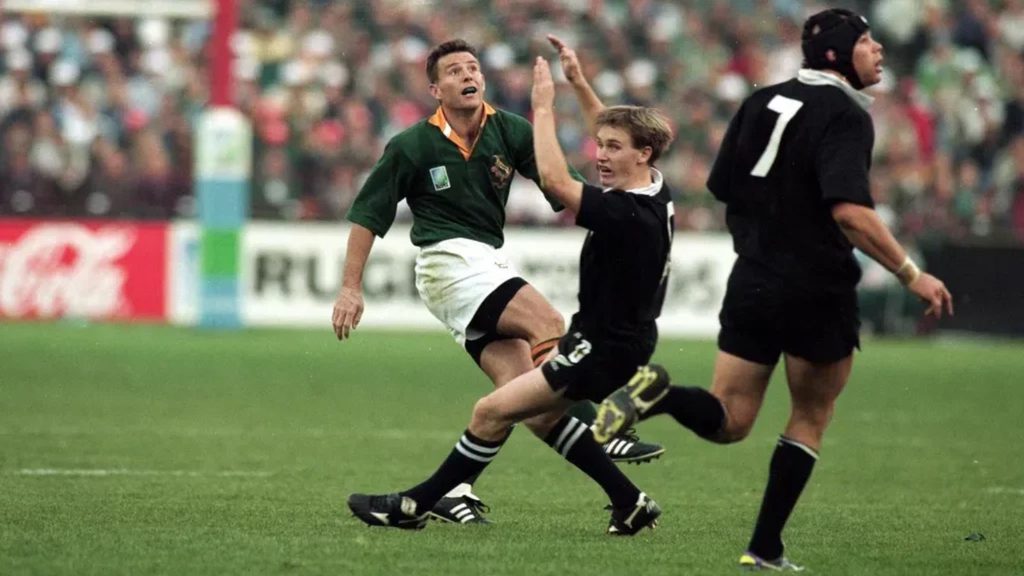
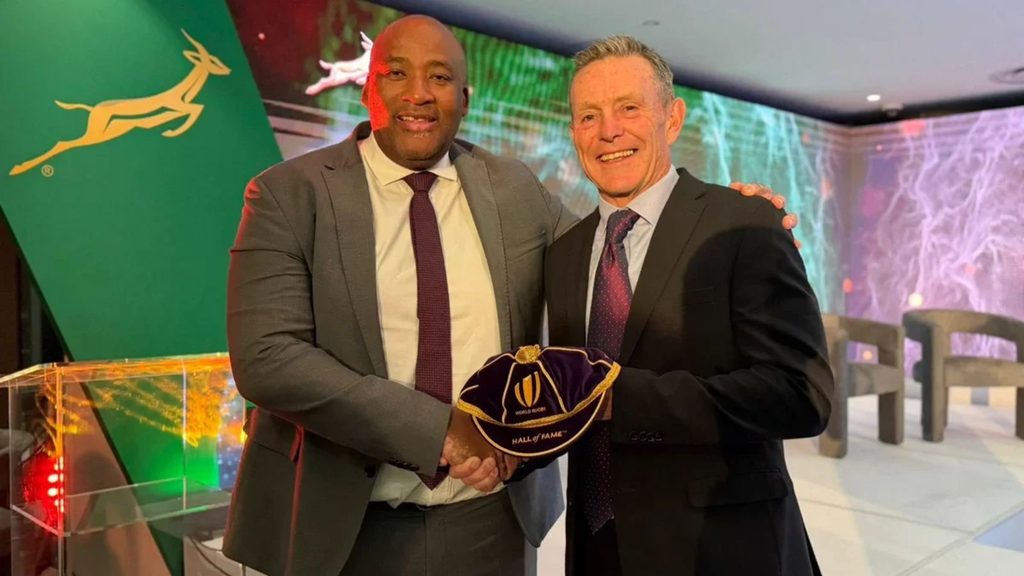
Joel Stransky is famous for winning South Africa the 1995 Rugby World Cup with an extra-time drop goal, which has earned him a place in the World Rugby Hall of Fame.
However, his post-rugby business career is as illustrious, with Stransky being MD of Altech Netstar and CEO of Hertz South Africa.
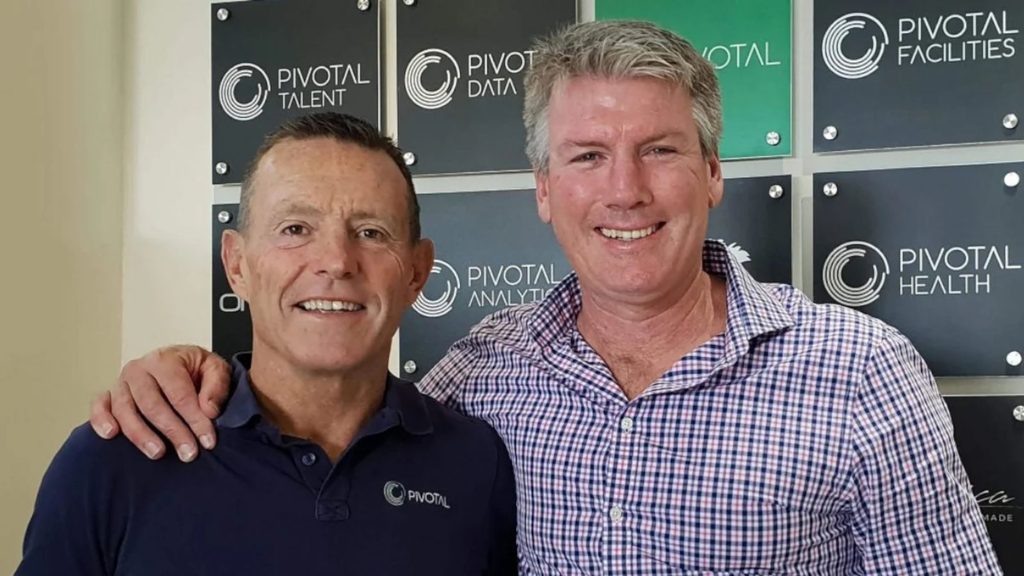
Stransky is now co-founder and a director at Pivotal Group, which is a technology and business-services investment company that operates through nine divisions.
The company focuses on building and investing in disruptive and data-driven companies operating in the business-to-business sector.
This is a long way from the rugby field where Stransky grew to prominence as a fly-half known for his goal-kicking.
Stransky was born to a family of immigrants, with his father’s side being of Czech and Jewish descent, while his mother was English.
The family raised their children as members of the Reform Judaism faith, and Stransky himself celebrated a bar mitzvah.
Stransky has praised the close relationship he had with his mother, who unfortunately was never able to see his success on the rugby field or in the boardroom.
Growing up in Cape Town, Stransky attended Rondebosch Boys’ High School, where he developed his love for rugby.
In particular, Stransky fell in love with the Western Province rugby team and its iconic Newlands rugby stadium.
However, he never completed his education at Rondebosch, moving to Maritzburg College where he was fly-half in the school’s historic 1985 First XV.
After completing military service, Stransky made a few appearances for Northern Transvaal in 1987 before moving to study at the University of Natal.
“I had started a B.Com but never completed it – something I’m still sorry about – and finding my direction was initially challenging,” Stransky recalled to CEOWise.
However, in Natal, Stransky launched his Currie Cup career, where his goal-kicking and game management came to the fore.
Stransky debuted for the Springboks in a 19-12 win against Australia in 1993, quickly becoming a key part of the squad that was aiming to win a Rugby World Cup on home soil in 1995.
The 1995 World Cup saw Stransky at the peak of his ability, scoring 22 points against Australia in the opening match and ending the tournament with his famous drop goal. Stransky scored all 15 of South Africa’s points on that day.
Stransky’s Springbok career came to an end relatively quickly after that, playing his final test in 1996 against New Zealand at Ellis Park.
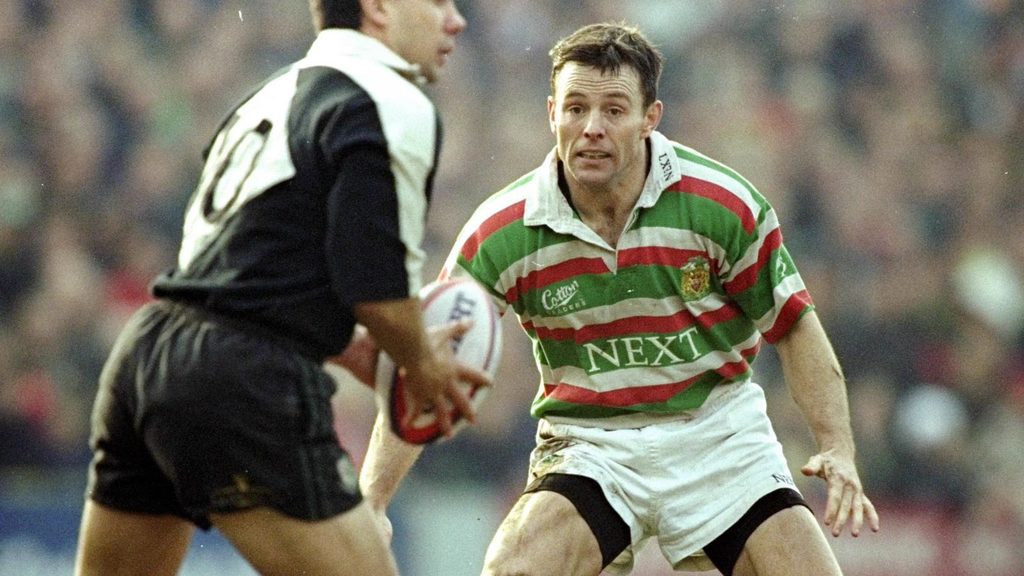
Outside of international rugby, Stransky had a stellar career, winning a Currie Cup in 1990 and scoring 896 points in 73 appearances for English giant Leicester Tigers.
Unfortunately, a severe knee injury forced his retirement from rugby in 1999, after winning the 1998-99 Premiership title with Leicester.
Pivoting into tech

Stransky’s career off the field has been almost as illustrious as his career on it, with his business interests extending far beyond the odd SuperSport commentary appearance.
Apart from his unfinished BCom, Stransky learnt much of what he knows about business during a short stint at Megapro managing hospitality for the 2003 Cricket World Cup in South Africa.
Initially, Stransky stuck close to sports, overseeing the commercial rights for South Africa Rugby and assisting with the country’s 2010 FIFA World Cup bid.
“If you are in the corporate world, you learn very quickly. You learn about governance, you learn about procedure and process and the little things that make you a better businessman,” Stransky said.
Stransky was immersed in the corporate world through Altech Netstar, where he was first sales and marketing director before becoming the company’s managing director.
After a brief stint at Steinhoff, Stransky moved to stabilise the leadership of rental car giant Hertz in South Africa.
“There is no doubt that by the time I arrived at Hertz the company had gone through some trauma,” Stransky said.
“In addition to leadership changes, the company culture lacked any meaningful sense of responsibility, and there were some weak and inept people in place.”
This gave Stransky vital insight into what it takes to run a business, with the former fly-half having to turn around a corporate culture that had gone sour.
Ultimately, this geared him up to launch the Pivotal Group alongside Paul Hutton as an investment holding company. They had three principles:
- One: we want to watch our kids play sport in the afternoons
- Two: we never wanted to fill in another leave form
- Three: we wanted to drink real coffee
“Those are the partners you want to work with, and that is the ethos and the culture we have tried to drive,” Stransky said.
Pivotal initially focused on being a venture capital firm that invested in companies monetising large data shifts or benefiting from regulatory changes.
In the end, the company settled on investing in companies involved in business services, where data can be leveraged to drive efficiencies and value.
Its premier startup is OneVault, which specialises in voice biometrics for remote customer verification and fraud prevention.
Other companies under its umbrella include Pivotal Talent, which is an HR platform, Pivotal Security, and Pivotal Facilities, which focus on facilities management.
As a founding director, Stransky said he focuses on strategic growth, commercial partnerships, and new business development across the group’s portfolio.
Joel Stransky photos


Log in or register for free access to all articles.