South Africa’s largest port is so broken that it experiences delays of 20 days and costing companies billions


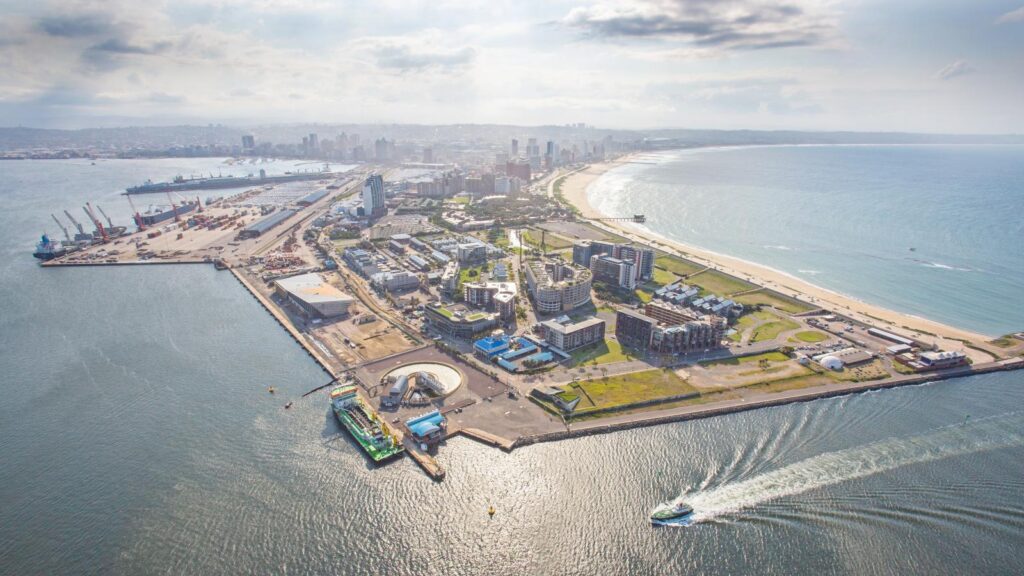
Metair Investments warned that the Port of Durban is in such a poor state that it causes delays of up to 20 days and forces companies to use more expensive air freight.
The result, Metair Investments said, will be a significant decline in earnings in the 2026 financial year due to the higher transport costs.
The Port of Durban is South Africa’s principal shipping container gateway and a core link in the supply chains of retailers, manufacturers, food producers and distributors.
The Durban Gateway Terminal, which manages terminal operations, has experienced significant operational challenges in recent months.
This, Metair said, resulted in disruptions, frustration and financial losses for importers and their supply chains.
“Among other issues, implementation of the new terminal operating system has severely disrupted container handling,” it said.
“Equipment failures and limited crane availability have compounded the problem, with delays at times approaching 20 days.”
The problems at the Durban port are not new. They date back 15 years and were due to underinvestment, governance failures, and collapsing hinterland rail links.
During the State Capture era, billions of rand were stolen from Transnet through inflated procurement contracts.
Apart from leaving the state-owned enterprise with R60 billion in debt, it stopped most capital expenditure on maintenance programmes.
The results of this mismanagement and corruption began to filter through as poor service delivery and long waiting times.
It escalated to such a degree that the government had to intervene and launch a multi-year turnaround plan.
To add fuel to the fire, an August 2026 migration to the Navis N4 combined with inherited crane failures triggered severe delays.
These problems pushed anchorage periods at the Durban port to 12 to 20 days and forced vessel diversions to Eastern Cape ports.
Transport Minister Barbara Creecy shares details

Transport Minister Barbara Creecy shared details about the problems in response to a Parliamentary question from Alan Beesley.
Beesley asked Creecy about the delays at the Durban Gateway Terminal and whether the performance targets for anchorage and berth times have been met.
He also asked whether the operator, International Container Services Incorporated, faced consequences for missing the targets.
Creecy responded, saying they are engaging with International Container Services Incorporated following the operational challenges.
“There are ongoing engagements between Transnet and International Container Services Incorporated to address current challenges,” she said.
“A recovery plan from Durban Gateway Terminal to Transnet and the Department of Transport is imminent.”
She added that they are also finalising operational metrics, and next steps will be determined by its contents.
Creecy said that the congestion at the Durban Gateway Terminal has affected the Cape Town and Ngqura Container Terminals.
The impact of congestion at the Durban Gateway Terminal, as highlighted by Metair Investments, is significant for South African companies and the economy.
Beesley asked for the estimated daily economic cost of the current congestion at the Durban Gateway Terminal. However, Creecy said she could not provide this data.
“Transnet is unable to provide any qualitative or quantitative data to estimate the economic cost associated with the current congestion,” she said.
The impact on Metair Investments

Metair Investments said that congestion at the Durban Gateway Terminal and related disruptions have adversely affected its business. These include:
- Production interruptions – Delays in the delivery of components and raw materials required for manufacturing operations.
- Stock shortages and increased working capital – Higher levels of inventory in transit, increased safety stock requirements and the need to place orders further in advance.
- Increased logistics costs – Reliance on alternative transportation arrangements, including airfreight and additional road freight, to mitigate supply chain disruptions.
The commercial impact on Metair has been significant, which it said will show in its 2026 full-year results.
The additional costs are estimated to be approximately 20% to 25% of reported earnings before interest, tax, depreciation and amortisation (EBITDA).
The company said that these additional costs are not recoverable from customers. This means the company has to take the knock.
Log in or register for free access to all articles.




Conversation
1 commentsViva ANC !!!!!!